Published: 20 November 2025 Thursday . The English Chronicle Desk. The English Chronicle Online
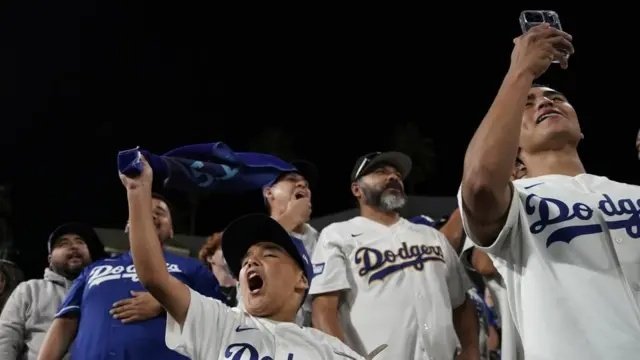
Major League Baseball (MLB), one of the most iconic professional sports leagues in the United States, has announced a series of landmark media agreements with leading broadcast and streaming companies, signaling a major shift in how fans will access games and baseball-related content over the next several seasons. The deals, which involve Netflix, ESPN, and NBCUniversal, aim to bring MLB coverage to millions of new viewers while modernizing the league’s media strategy in an era dominated by streaming platforms.
MLB Commissioner Robert D. Manfred Jr. said the agreements were designed to expand the league’s reach and engage with a younger, more digitally connected audience. “These partnerships reflect our commitment to innovation in how baseball is presented and consumed,” Manfred said. “Fans now have more ways than ever to watch the games they love, whether live on television or streaming on-demand.”
Netflix, widely regarded as the world’s largest streaming service, will feature special MLB events as part of its exclusive content offerings. Among these are the league’s high-profile opening night games and the annual Home Run Derby, a fan-favorite event that sees players compete to hit the most home runs in a single session. The inclusion of MLB programming marks a notable expansion for Netflix, which has primarily focused on scripted content and original programming but has recently been exploring live sports broadcasting as a means to broaden its subscriber base.
In addition to domestic coverage, Netflix will broadcast the World Baseball Classic, held in Japan, giving global audiences access to one of baseball’s most prestigious international tournaments. This move reflects MLB’s strategic push to grow its brand internationally, particularly in Asia, where baseball enjoys immense popularity.
Alongside Netflix, ESPN and NBCUniversal have also secured rights to various MLB broadcasts. Starting with the 2026 season, ESPN will take over MLB.TV, the league’s on-demand service that allows viewers to follow teams outside of their local markets. This service has been instrumental for fans who wish to watch out-of-region games, and the transition to ESPN promises to enhance its user experience and accessibility. While the financial terms of the agreement have not been disclosed, industry analysts suggest that the move is part of MLB’s effort to diversify its media revenue streams.

NBCUniversal, owned by Comcast, will broadcast Sunday night MLB games, bringing live baseball back to network television after a hiatus of nearly 25 years. The return of regular games to a national broadcast network represents a significant milestone for the league and underscores its effort to balance streaming access with traditional television coverage.
Fox Sports will continue to air marquee events such as the World Series, while Apple TV retains the rights to stream the league’s Friday Night Baseball matches. The division of broadcasting rights across multiple platforms demonstrates MLB’s evolving strategy to meet viewers wherever they are, offering both live coverage and flexible on-demand options.
These agreements were precipitated in part by ESPN’s decision to opt out of the final three seasons of its previous contract, a move that would have cost the network more than $1.5 billion (£1.15 billion). This opt-out triggered prolonged negotiations between MLB and various media platforms, ultimately resulting in a more diversified broadcast landscape. By spreading coverage across streaming and traditional television, MLB aims to maximize both its audience reach and revenue opportunities.
Analysts note that MLB’s strategy reflects broader trends in sports media, where leagues are increasingly leveraging streaming services to capture younger, tech-savvy viewers who prefer on-demand access over traditional linear broadcasts. “The league is responding to a changing media ecosystem,” said David Carter, a sports business professor at USC. “Fans no longer want to wait for scheduled broadcasts—they want instant access to games, highlights, and special events. Partnering with Netflix and other streaming platforms ensures MLB stays relevant in this new era.”
For fans, the expanded media coverage promises more flexibility and a richer viewing experience. Netflix subscribers, for instance, will have access to immersive programming such as behind-the-scenes footage and exclusive interviews with players during marquee events. The availability of Sunday night games on NBCUniversal also makes baseball more accessible to casual viewers who may not subscribe to cable or streaming services.
MLB.TV on ESPN will allow fans to follow teams across the country, addressing a long-standing limitation for out-of-market viewers. Fans who have relied on VPNs or third-party services to stream games legally will now have a more reliable, official channel for coverage.
The World Baseball Classic broadcasts on Netflix further extend MLB’s international reach. By offering these games on a global platform, the league hopes to grow its fan base in regions where baseball is already popular and attract new audiences in emerging markets.
Financially, the deals are expected to generate significant revenue for MLB, bolstering the league’s overall media rights portfolio. The agreements will likely increase the visibility of MLB sponsors, strengthen merchandise sales, and create new advertising opportunities across multiple platforms.
Strategically, the move allows MLB to position itself as a forward-thinking sports league, embracing digital innovation while maintaining its traditional television audience. By spreading content across Netflix, ESPN, NBCUniversal, Fox Sports, and Apple TV, MLB has created a hybrid model that caters to diverse viewer preferences.
The partnerships also send a message to other professional sports leagues, signaling that collaboration with streaming services can complement traditional broadcast contracts. The deals are likely to serve as a benchmark for future negotiations in other leagues such as the NBA, NFL, and NHL, which are also exploring ways to balance streaming, on-demand services, and live television.
The new agreements cover the next three MLB seasons, starting in 2026. During this period, fans can expect a robust lineup of coverage, including flagship events such as the Home Run Derby, All-Star Games, opening night matchups, and international tournaments. MLB Commissioner Manfred emphasized that the league views these deals as a long-term investment in fan engagement.

“Baseball is a game deeply rooted in tradition, but we must also embrace innovation,” Manfred said. “These agreements reflect our commitment to meeting fans where they are, providing high-quality coverage, and growing the game both domestically and internationally.”
By combining traditional television networks with modern streaming platforms, MLB has created a media ecosystem that balances accessibility, exclusivity, and audience growth. This approach will allow the league to remain competitive in a rapidly changing sports media landscape while enhancing the overall fan experience.
MLB’s recent deals with Netflix, ESPN, and NBCUniversal represent a pivotal moment for the league, reflecting both the challenges and opportunities presented by a rapidly evolving media environment. For fans, the changes mean greater access, flexibility, and content variety, while for the league, the partnerships promise increased revenue, broader exposure, and a strengthened global presence.
As MLB embarks on this new era of media innovation, the league’s strategy may well serve as a blueprint for other professional sports organizations seeking to adapt to the streaming age. With fans increasingly expecting on-demand access and immersive experiences, MLB’s multi-platform approach ensures that baseball remains at the forefront of both sports entertainment and media innovation for years to come.
Related News:
 Dyche Criticises Corner Decision as Forest Draw with United
 Caicedo Shines as Chelsea Edge Spurs in Chaotic Derby
 Mary Earps’s Manchester United Return Faces Mixed Reception
 Sam Kerr Stars in Chelsea Return with Champions League Double
 This kid is something else: Alex Scott’s rise to England call-up
 Ronaldo’s Red in Dublin Sparks Managerial Debate and Drama
 Saka Solidifies Role as Tuchel’s Key England Lieutenant
 Former Lion Heskey Warns of Shortage of England Strikers
 Cardiff Nights Could Propel Wales to World Cup Glory
 Germany and Netherlands Confirm Places in 2026 World Cup
 Cristiano Ronaldo Joins Trump, Bin Salman at State Dinner
 Haiti Qualifies for World Cup Despite Coach Never Visiting Country
 Scotland Fans Celebrate Historic World Cup Qualification
 Rookie Driver Hollie McRae Flips Car but Walks Away Safe
 Chelsea Dominates Barcelona with 3-0 Champions League Win
 India, Pakistan to Clash in T20 World Cup 2026 Group Match
 Kids Football Coach Removed Over Suspected ‘Drugs Menu’
 Mbappe Scores 4 as Real Madrid Edge Olympiakos
 Man City Lose, Champions League Risk
 Barcelona, Atletico set for decisive La Liga showdown
 Maxwell withdraws from IPL 2026 after 13 seasons
 Barcelona Come From Behind to Beat Atletico 3-1
 Aston Villa Under Pressure as Newcastle Take on Hosts in Premier League Opener
 India Triumph in Dubai Amid Unexpected Twists
 Aston Villa Fight Back to End Winless Run with Convincing Victory over Fulham
 Arsenal Edge Past West Ham Amid Injury Concerns
 Chaos at Ibrox as Martin’s Rangers Era Comes to an End
 Arsenal Showcase Depth and Flexibility as Arteta Eyes Title Challenge
 Gibbs-White Inspires Forest to Thrilling Win Over Porto
 Manchester United triumph as Mbeumo brace seals thrilling win
 Hospice Cuts Raise Alarm Across England Amid Funding Crisis
 Wolvaardt’s Masterclass Fires South Africa into First World Cup Final
 Granit Xhaka Rescue Earns Everton Draw at Sunderland
 Bellingham has ‘the edge’ among England No 10s
 Man City Masterclass on Guardiola’s Milestone Day Exposes Liverpool Woes
 Britain deploys RAF specialists to assist Belgium with drone threats
 US Senate Passes Funding Bill to End Historic Shutdown
 VAR Must Rein Its Neck In to Save Football’s Spirit
 From Lego to Pokémon: How Adults Are Driving UK Toy Market Growth
 Shouting Works Best to Deter Gulls, UK Study Finds
 UK and Ireland Announce Venues for Euro 2028 Tournament
 PM Condemns Leaks, Vows Loyalty to Ministers and Stability
 Son Reveals UK Couple in Iran Resort to Hunger Strike for Help
 TalkTV Fires Mike Graham Over Racist Facebook Post
 US Justice Department Files Lawsuit Against California Over Partisan Voting Maps
 December Run-Off in Chile as Election Produces No Winner
 Zelenskyy Signs Fighter Jet Deal Amid Russian Drone Attacks
 Orban Says Ukraine Has ‘No Chance’ as EU Support Continues
 Stroke Patient Mistaken for Drunk, Care Delayed
 Mother Watches in Horror as Teen Daughter Dies on Tracks
 Seven Countries, One Winner: Europe’s Best Christmas Market
 Van Dwellers Face Eviction After Park Misuse Sparks Outcry
 Israeli Strike Kills 13 Near Palestinian Camp in Lebanon
 Shadow Fleet at Sea: Europe’s Battle Against Illicit Oil Shipping
 Commuters warned as yellow snow and ice alert hits Northern Ireland
 Tiny Curacao Makes History as Smallest Nation to Reach World Cup
 Deadly Russian Strikes Hit Western Ukraine, 20 Killed in Ternopil
 Snow and Ice Cause Travel Chaos in North Yorkshire
 Serial Rapist and Former Cop Found Guilty Again
 Pentagon Officials in Ukraine to Discuss War End
 Vietnam Battles Deadly Floods as Rains Continue
 Scottish Families Take Legal Action Over School CO Leak
 Venezuela Threatens Nobel Winner Machado with Fugitive Status
 At Least Three Dead in Bangladesh Earthquake
 Moyes Defends Gueye After Dramatic Everton Bust-Up
 Vicki Fears Losing Motability Car
 Israel Confirms Hamas Returned Dror Or’s Body
 Millions Face Higher Taxes Under Reeves New Budget
 Peers Get Extra Time to Debate Assisted Dying Bill
 Two National Guard Soldiers Critically Injured Near White House
 Sri Lanka Floods Leave 56 Dead, Dozens Missing
 India’s Labour Law Overhaul Sparks Fierce Debate
 Scotland Gains 33 New Towns – Life in Growing Communities
 Machynlleth High Street Left Without Christmas Lights
 Jordan Bardella: France’s Young Presidential Contender
 AI Actress Creator Says Tilly Norwood Won’t Replace Actors
 Search underway for British man overboard off Tenerife
 Pavarotti statue frozen in Italian ice rink sparks backlash
 EU plans $105bn Ukraine aid using frozen Russian assets
 Global campaign launched to free Palestinian leader Barghouti