Published: 21 November 2025 Friday. The English Chronicle Desk. The English Chronicle Online
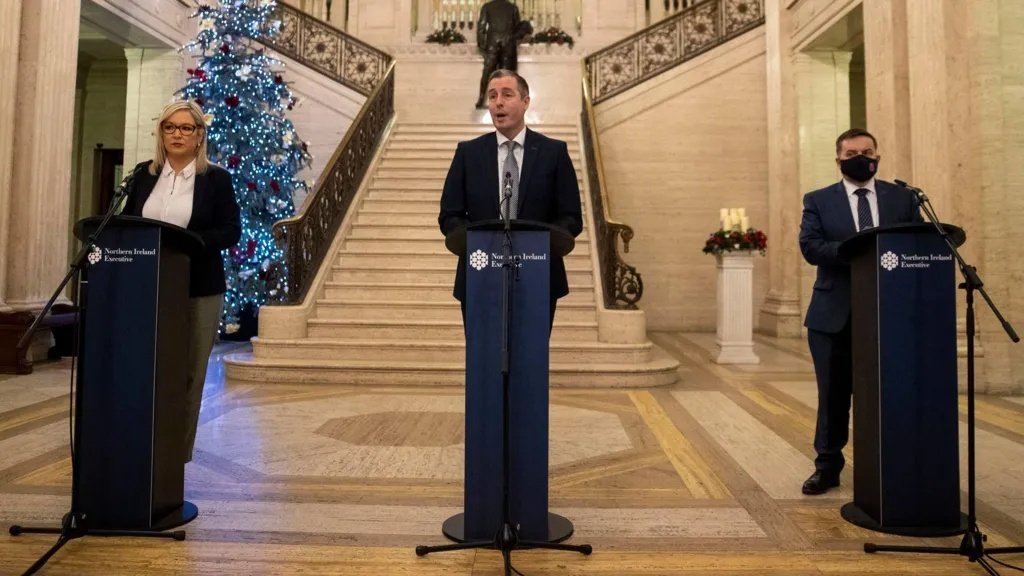
Northern Ireland’s handling of the Covid-19 pandemic was deeply flawed, the UK Covid-19 Inquiry has concluded, describing the region’s response as “chaotic” and hindered by political disputes, leaks, and inconsistent decision-making at Stormont. According to the inquiry’s second report, chaired by Baroness Heather Hallett, the devolved executive, designed to foster collective decision-making across communities, often struggled to coordinate urgent public health measures effectively, leaving Northern Ireland vulnerable during the critical early stages of the pandemic. The inquiry highlights that the Democratic Unionist Party (DUP) and Sinn Féin, the largest parties within the power-sharing executive, repeatedly prioritized political and party interests over the wider public good, undermining the potential of the devolved system to respond effectively to the crisis. These political divisions manifested in delayed or inconsistent restrictions, conflicting messaging to the public, and procedural disputes that slowed down the implementation of life-saving measures. One of the most notable examples cited by Baroness Hallett’s report involved the introduction and suspension of “circuit breaker” restrictions, which were extended for a week, then allowed to lapse, and later reintroduced, a lapse that coincided with a 25% spike in Covid cases, underscoring the real-world consequences of divided decision-making during a public health emergency. The report criticizes not only the structural vulnerabilities of Northern Ireland’s executive arrangements but also the conduct of individual leaders, highlighting that political disagreements, leaks of sensitive discussions, and an unwillingness to put the collective interest above party priorities contributed to a fragmented and ineffective response.

Baroness Hallett’s findings suggest that Northern Ireland’s devolved governance system, which under normal circumstances might provide a higher degree of democratic legitimacy and collective oversight than the UK as a whole, was instead hindered by entrenched partisanship and sectarian tensions, particularly between Sinn Féin and the DUP. The inquiry highlights specific incidents where political tensions exacerbated the crisis, including Sinn Féin leader Michelle O’Neill attending the funeral of former senior IRA member Bobby Storey in June 2020, which added to friction within the five-party executive, and a four-day executive meeting in November 2020 described as a low point in Northern Ireland politics during the pandemic. Baroness Hallett notes that during this period, the confidentiality of executive discussions was repeatedly undermined by leaks, and procedural mechanisms, such as cross-community votes, were sometimes used by party leaders, including then-First Minister Arlene Foster, to score political points rather than advance public health priorities.
These factors, according to the inquiry, combined to create an incoherent and delayed approach to crisis management, weakening the executive’s ability to implement coherent policies and leaving Northern Ireland’s population exposed to unnecessary risks.

The report further emphasizes that the pandemic revealed the importance of decisive, evidence-based governance during public health emergencies, and that Northern Ireland’s political leadership often failed to rise above partisan concerns, resulting in a fragmented approach that was both confusing for the public and detrimental to the overall effectiveness of restrictions. Baroness Hallett’s findings also situate Northern Ireland within the wider UK context, noting that the challenges faced by Stormont mirrored broader patterns of “too little, too late” responses across the four nations, but were intensified locally by the structural complexities of devolved, power-sharing government.
By highlighting the specific failings of political leaders, the inquiry underscores that the capacity of a devolved executive to respond effectively to emergencies depends not only on structural design but also on the ability of individual leaders to collaborate, communicate clearly, and prioritize public welfare over party loyalty. The report explicitly calls attention to how political machinations, distrust among ministers, and sectarian tensions impaired the implementation of public health measures and public messaging, delaying interventions such as school closures, travel restrictions, and limitations on gatherings, which might otherwise have mitigated the spread of Covid-19 in Northern Ireland. Furthermore, the inquiry notes that Northern Ireland’s devolved structures had the potential to set an example for collective governance and democratic legitimacy, providing transparency and accountability in crisis decision-making.

However, the repeated inability of political leaders to work collaboratively, coupled with leaks to the media and internal disputes, eroded public confidence in Stormont’s pandemic response. The report stresses that political leaders often allowed party political interests to overshadow collective responsibility, a dynamic that hindered timely and coordinated action. Baroness Hallett also observes that Northern Ireland’s executive, with its multi-party, cross-community framework, faced unique pressures not present in other parts of the UK. While these arrangements are intended to ensure that decisions are representative and inclusive, during the Covid-19 pandemic they instead became a source of delay and discord, as ministers navigated both the health crisis and entrenched political divides. The inquiry underscores the consequences of this dysfunction, noting that delayed or inconsistent interventions contributed to avoidable increases in infections, hospitalizations, and deaths. In conclusion, the UK Covid-19 Inquiry’s second report paints a stark picture of governance challenges in Northern Ireland during one of the most critical public health crises in recent history. It identifies political disputes, leaks, and inconsistent decision-making as central factors in a chaotic response that undermined the region’s ability to protect its population. Baroness Hallett’s findings serve both as a critique of past leadership and as a cautionary lesson, highlighting the urgent need for political cohesion, transparent communication, and prioritization of public welfare in emergency response planning. By examining the failures and opportunities presented by Northern Ireland’s power-sharing arrangements, the inquiry offers critical insights for reforming crisis governance structures and ensuring that future public health emergencies are managed with efficiency, accountability, and a focus on collective wellbeing.
Related News:
 Rachel Reeves Admits Renting Home Without Required Licence
 Experts Question HMRC Over Possible Child Benefit Privacy Breach
 Tim Davie resigns as BBC director general amid bias claims
 UK Asylum Overhaul Sparks Debate Over Human Rights and Deportations
 UK Asylum Reforms: Temporary Refugee Status and Faster Deportations
 Senedd Suspends Politician Over Offensive Racial Slur
 Peter Kyle Condemns Nigel Farage Over Reform UK’s Promise to Scrap Online Safety Act
 First “One In, One Out” Deportation Flight Departs Without Migrants Amid Legal Challenges
 Labour Urged to Rethink Growth Strategy as Top Economist Warns of Far-Right Surge
 Corbyn and Sultana Clash Over Membership Portal as Divisions Surface in New Leftwing Party
 Tories Push to Dilute Labour’s Workers’ Rights Bill
 It’s time to come clean on the China spy case
 Nearly 48,000 Zombie Knives Removed from UK Streets in a Year
 Army Officers Orders to Cut Ties with Men-Only Clubs
 Phillipson urges careful review of gender recognition guidance
 French Taxi Driver Cleared in David Lammy Theft Case After Fare Dispute
 China-critical UK academics face ‘extremely heavy’ pressure from Beijing
 Met Police Culture Makes Racial Harm ‘Inevitable’
 Nicola Sturgeon Urges SNP to Oppose New Oil Fields
 Newcastle United Lifts Ban on Fan Over Gender-Critical Views
 British Grandmother to Return Home After Death Sentence in Bali
 Boris Johnson accused of undermining BBC leadership
 Remaining rebel Labour MPs have whip restored
 Bar Council urges legal aid for all domestic abuse family cases
 Second world war veterans honoured as King leads Remembrance Sunday
 ‘Reckless’ cuts to victims’ services will cost more than they save
 WASPI Women May Get Second Chance at Pension Redress
 Seven Conditions That Automatically Qualify You for a Free Bus Pass
 Tim Davie Defends BBC Amid Bias Scandal Storm
 Reeves rejects £1bn plea for NHS redundancy payouts
 Palace to reinstate hyphen in Andrew’s surname
 NHS trust fined after woman takes life in mental health unit
 Politics latest: Starmer ‘will fight any leadership coup’ as Streeting denies attempt to oust Labour PM
 PM Condemns Leaks, Vows Loyalty to Ministers and Stability
 South Korea’s Jeju Island Faces Rising Tide of Illicit Drugs
 Victims’ commissioner Baroness Newlove dies aged 63
 BBC Apologises to Trump but Rejects $1bn Compensation Claim
 Major Rent Reform Ends No-Fault Evictions in England
 Peers Flood Assisted Dying Bill with 942 Amendments
 Senator John Fetterman Hospitalized After Fall from Heart Flare-Up, Keeps Sense of Humor
 US Justice Department Files Lawsuit Against California Over Partisan Voting Maps
 Bataclan Anniversary: France Remembers but Jihadist Danger Lingers
 Your Party Turmoil Deepens Over Withheld Donations
 Mahmood Plans Major Crackdown on Illegal Migration
 UK Unveils Fast-Track Deportation and Asylum Overhaul
 Couple Win Damages Over Arrest Linked to WhatsApp Chat
 Crowborough Protest Over Plan to House 600 Asylum Seekers
 Trump Deploys DHS to Charlotte in Major Arrest Operation
 Mahmood Defends Tough Overhaul of UK Asylum System
 Scottish Ministers Express Alarm Over UK Asylum Reforms
 South African Detained After Neo-Nazi Rally in Australia
 Convicted Killer Challenges Vegemite Ban Behind Bars
 Westminster Advances Legacy Bill Amid Criticism
 Minister Defends Tough New Asylum Reform Plan
 UK Net Migration Falls Sharply After ONS Revisions
 Federal Court Blocks Texas Republican Maps Over Racial Bias
 Only One Republican Opposes Mass Release of Epstein Files
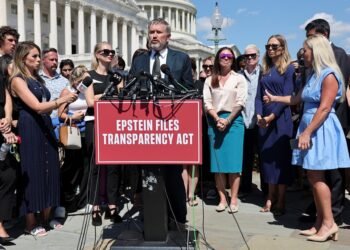 Congress Approves Release of Epstein Files, Trump Expected to Sign
 Newport Man Left Injured After Electric Bike Collision
 Paramilitary Murals and Memorials Persist on Public Housing Land
 PM Shares Emotional Letter to Son on Men’s Struggles
 Court to Hear Challenge to Wimbledon Expansion Plan
 Liverpool Council ‘Failed to Respond’ Before Fatal Flood
 Cardiff Shopper ‘Branded a Thief’ by Facewatch System
 Trump Signs Bill Releasing Justice Department Files on Epstein
 Trump Slams Democrats With ‘Seditious’ Death Claim
 Kate Forbes: Motherhood Harder Than Politics
 Texas Governor Faces Lawsuit From CAIR
Reeves to Crack Down on Benefit Fraud While Lifting Two-Child Limit
Texas Governor Faces Lawsuit From CAIR
Reeves to Crack Down on Benefit Fraud While Lifting Two-Child Limit
 Labour MP claims devolution bill is ‘blatant discrimination’ against Cornwall
 Peers Get Extra Time to Debate Assisted Dying Bill
 Planned Palestinian Flag Raising at Belfast City Hall Faces Delay Amid Legal Concerns
 Residents Face £3.6m Bill for Unsafe Kirkby Flats
 Second homes curbs quashed in Gwynedd legal ruling
 Trump to pause migration from ‘third-world countries’
 Virgin Media Fined £23.8m Over Telecare Safety Failures
 Chinese & Japanese Boats Clash Near Disputed Islands
 Hong Kong Orders Probe Into Deadly 151-Death Fire
 Putin Meets US Envoy Amid Key Ukraine Peace Talks
 Franklin Turtle, Sabrina Carpenter Slam US Social Media Use