Published: 24 November 2025. The English Chronicle Desk. The English Chronicle Online.
Aston Villa delivered a confident and composed performance that pushed them into the Champions League qualification positions, while deepening the growing concerns surrounding Leeds United. The match offered another difficult evening for home supporters, who watched their side surrender an early advantage before collapsing under sustained second-half pressure. Morgan Rogers emerged as the defining figure of the night with two brilliantly taken goals that highlighted Villa’s increasing maturity and growing depth. Leeds remain stuck inside the relegation zone after another frustrating defeat, which extended their run to five losses from six league games.
Leeds began the match with the urgency of a side desperate to change their narrative, and that early determination was rewarded with a quick opener from Lukas Nmecha. Their promising start lifted the atmosphere inside Elland Road, but the mood soured steadily as the match progressed. Leeds played with aggression and energy during the early stages, yet they failed to maintain that level of intensity across the full ninety minutes. Their inability to sustain midfield pressure created openings that Villa gradually exploited with growing confidence. Daniel Farke recognised the effort but expressed disappointment at the final outcome, insisting there were positives despite the harsh scoreline.

Farke described the performance as a partial return to their desired identity, though he acknowledged shortcomings that continue to hold the team back. His assessment suggested belief in future improvement, yet the second-half collapse offered a different interpretation that worried many followers. Leeds created very few chances after the interval and looked vulnerable once Villa regained control of possession. Their overall play lacked fluidity, and their attacking movements became predictable against a well-organised opponent.
Aston Villa, by contrast, played with patience and clarity, revealing the benefits of a deep squad and strong internal competition. They had started the season with signs of frustration after narrowly missing a Champions League place last year, but that disappointment seems to have transformed into motivation. Villa have now secured nine victories from their previous eleven matches across all competitions, which marks them as one of the league’s most consistent sides. Their resilience at Elland Road underlines their progress, especially considering the stadium’s reputation as a difficult venue for visiting teams. Villa became only the second away side in twenty-six league matches to leave Elland Road with three points.
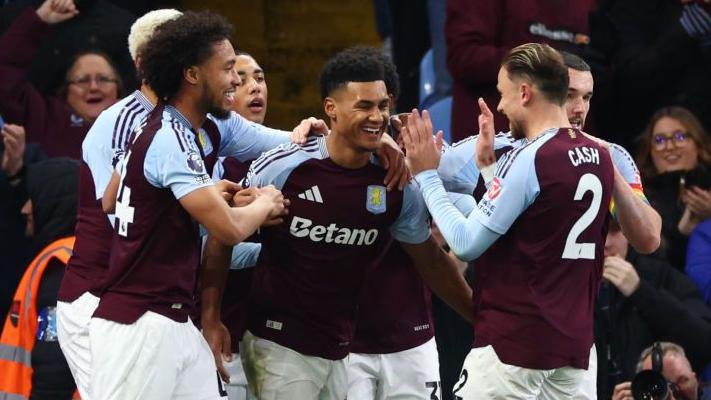
Matty Cash admitted that the team had opened the match poorly but praised their collective response. His comments reflected a calm internal spirit, which contrasts with the visible tension currently affecting Leeds. Cash noted the importance of unity in challenging environments, recognising that Villa’s controlled second-half display showcased their growing maturity. Their improvement was evident immediately after the break, when their tactical changes shifted the entire flow of the match.
The physical demands of the Premier League have caught several promoted teams off guard in previous seasons, yet this year’s group entered the campaign with deliberate physical reinforcement. Leeds attempted to match that standard with strong pressing and assertive duels throughout the opening period. That intensity unsettled Villa, who struggled to establish rhythm during the first thirty minutes. Leeds pressed aggressively, creating problems through their relentless midfield challenges. However, their approach lacked finesse in decisive moments, preventing them from securing a commanding early lead.
Set pieces offered Leeds their clearest opportunities, largely due to the precise delivery of Sean Longstaff. His early free-kick created the opening goal after a chaotic sequence inside the Villa penalty area. The ball drifted into a congested space where Anton Stach redirected it towards goal with an awkward touch off his back. Emi Martínez appeared distracted as Nmecha challenged for the ball, and his lapse allowed the effort to reach the line before Ezri Konsa’s attempted clearance rebounded off Nmecha and crossed fully. Villa protested the goal, but replays confirmed its legitimacy. Martínez soon redeemed himself with a smart save from a Brendan Aaronson snapshot and later with a strong reaction to a Pascal Struijk header.
Leeds lost momentum as the first half neared its conclusion, and their midfield struggled to push forward with the same sharpness after the interval. Nmecha, who had been heavily involved during the early stages, became isolated as the team dropped deeper and surrendered time and space to Villa’s midfield. The shift in control became more pronounced following the introduction of Donyell Malen and Ian Maatsen at halftime. Their arrival immediately added pace and direction to Villa’s attacking play, giving Leeds far greater problems in wide areas.
Villa capitalised on their renewed dominance within minutes of the restart. Malen found space on the right side of the penalty area after receiving a cutback from Lucas Digne. His low-driven cross was met by Morgan Rogers, who produced a delicate flick that sent the ball past Lucas Perri with remarkable precision. The equaliser visibly lifted Villa, who then enjoyed extended periods of controlled possession and steady territorial pressure.
Rogers delivered a moment of individual brilliance to complete the turnaround, fifteen minutes from full-time. Standing near the edge of the area, he struck a dipping free-kick that rose sharply before dropping beneath the bar with a sudden movement that confused Perri. The strike showcased a technique he had practised alongside Emi Buendía under the guidance of set-piece coach Austin MacPhee. Rogers celebrated directly with MacPhee, acknowledging the preparation behind Villa’s second direct free-kick goal in consecutive league matches. His confidence after the match highlighted his growing role within the squad while reflecting the positive mood inside the Villa camp.

Leeds briefly thought they had equalised when Dan James delivered a dangerous cross-shot that appeared to be turned goalwards by Dominic Calvert-Lewin. However, replays clearly showed that the final touch came from his left hand, leading to the decision being overturned. That moment deflated the home support and removed their final chance to salvage something from the match.
Leeds pushed forward during the closing stages with determination but lacked creativity in open play. Their attacks relied heavily on hopeful deliveries rather than structured movement, revealing a deeper issue in their attacking organisation. With Manchester City and Chelsea scheduled as their next opponents, the pressure surrounding their relegation battle will only intensify. The team must discover greater composure and control if they are to escape their current position.
Aston Villa departed Elland Road with confidence strengthened and ambitions fuelled by their growing consistency. Their patient and controlled approach demonstrated the benefits of tactical discipline, squad depth, and strong individual performances. Leeds, meanwhile, were left reflecting on another missed opportunity and searching for solutions to halt their worrying decline.
Related News:
 Tottenham shine at Everton but Frank wary of title push
 Matty Cash seals Villa win as City falter again at Villa Park
 Sarr Double Sinks Young Liverpool in Carabao Cup
 Nwaneri and Saka Secure Arsenal Win Over Brighton
 Woltemade Hot Streak Fires Newcastle Past Spurs
 Kieffer Moore Hat-Trick Ends Coventry’s Unbeaten Run
 Salah & Gravenberch Lead Liverpool to Win Against Villa
 Dyche Criticises Corner Decision as Forest Draw with United
 Caicedo Shines as Chelsea Edge Spurs in Chaotic Derby
 Granit Xhaka Rescue Earns Everton Draw at Sunderland
 Liverpool Edge Real Madrid 1-0 in Champions League Thriller
 Van de Ven Stunner Lifts 10-Man Spurs to UCL Glory
 Merino Shines as Arsenal Beat Slavia 3-0 Without Gyokeres
 Burn and Joelinton Head Newcastle to Victory Over Bilbao
 Foden shines as Man City dismantle Dortmund in dominant display
 Garnacho Spares Chelsea From Shock Champions League Loss in Baku
 Tension and Turmoil at Aston Villa v Maccabi Match
 Bellingham has ‘the edge’ among England No 10s
 Arteta Left Frustrated as Sunderland Deny Arsenal Late Win
Chelsea Cruise Past Wolves to Go Second in the Premier League
Man City Masterclass on Guardiola’s Milestone Day Exposes Liverpool Woes
Arteta Left Frustrated as Sunderland Deny Arsenal Late Win
Chelsea Cruise Past Wolves to Go Second in the Premier League
Man City Masterclass on Guardiola’s Milestone Day Exposes Liverpool Woes
 Lando Norris Dominates Brazil GP to Strengthen F1 Title Bid
 England cannot afford to be in awe of the All Blacks, warns Jamie George
 VAR Must Rein Its Neck In to Save Football’s Spirit
 Trescothick Hints Pope Will Keep Number Three Spot
 Ronaldo Confirms Final World Cup and Plans Retirement
 Mary Earps’s Manchester United Return Faces Mixed Reception
 Sam Kerr Stars in Chelsea Return with Champions League Double
 This kid is something else: Alex Scott’s rise to England call-up
 Anthony Joshua Faces Backlash Over Proposed Jake Paul Fight
 Former Lion Heskey Warns of Shortage of England Strikers
Eze Hat-Trick Stuns Spurs in Dominant Arsenal Derby Win
Former Lion Heskey Warns of Shortage of England Strikers
Eze Hat-Trick Stuns Spurs in Dominant Arsenal Derby Win
 Moyes Defends Gueye After Dramatic Everton Bust-Up
 Rookie Driver Hollie McRae Flips Car but Walks Away Safe
 Gerrard warns Liverpool’s terrible run could worsen
 Jac Morgan to Miss Six Nations Start After Surgery
 Alexander Isak ends drought as Liverpool stop rot with win at West Ham
 Mbappe rescues Real Madrid with a penalty at Girona
 London Set to Honour Euro 2025 Champions as Lionesses Take Victory Parade Through the Capital
 Premier League Supercomputer Predicts Tough Season for Man Utd Amid Three-Team Title Battle
 Everton Held by West Ham as Bowen Cancels Out Keane’s Header in Nuno’s First Game
Monaco Hold Man City to Dramatic 2-2 Draw as Eric Dier Converts Late Penalty
Arsenal Edge Past West Ham Amid Injury Concerns
Everton Held by West Ham as Bowen Cancels Out Keane’s Header in Nuno’s First Game
Monaco Hold Man City to Dramatic 2-2 Draw as Eric Dier Converts Late Penalty
Arsenal Edge Past West Ham Amid Injury Concerns
 Questions Remain as Rugby Legend Lewis Moody Faces Motor Neurone Disease Diagnosis
 Son of ex-England footballer dies in tractor crash
 Brentford 3-2 Liverpool: Reds suffer fourth straight PL defeat
 Peterborough Mosques Tighten Security After Attack
 Reeves Faces Setback as Labour May Miss Homes Target
 Kate Winslet to Narrate Film Highlighting King’s Environmental Mission
 Green Party Surges Past Labour in Latest UK Poll
 Trump’s UK Ambassador Urges North Sea Drilling to Strengthen US Ties
 Children to Learn Local History in Major Curriculum Overhaul
 French Taxi Driver Cleared in David Lammy Theft Case After Fare Dispute
 UK Bans Fake Numbers: Scammers Lose Their Trick
 M&S Profits More Than Halve After Cyber-Attack
 Kent village told to remove flags before Christmas lights go up
 Patients to Test Health at Home to Ease NHS Winter Pressure
 Palace May Restore Hyphen to Andrew Mountbatten-Windsor’s Name
 Millionaires group urge Reeves to introduce wealth tax to ‘lift kids out of poverty’
 Shouting Works Best to Deter Gulls, UK Study Finds
 Reeves rejects £1bn plea for NHS redundancy payouts
 Northern Lights may illuminate UK skies this week
 UK and Ireland Announce Venues for Euro 2028 Tournament
 PM Condemns Leaks, Vows Loyalty to Ministers and Stability
 Major Rent Reform Ends No-Fault Evictions in England
 Saka Solidifies Role as Tuchel’s Key England Lieutenant
 Criminal Gangs Pose as Truckers to Hijack UK Supply Chains
 Stroke Patient Mistaken for Drunk, Care Delayed
 Van Dwellers Face Eviction After Park Misuse Sparks Outcry
 Tiny Curacao Makes History as Smallest Nation to Reach World Cup
 Coffins Now Too Large to Cremate Amid Rising Obesity Crisis
 Most Tories Expect to Support a Farage-Led Government
 Bill Murray Terrified Wes Anderson but Became His Closest Collaborator
 Labour MP claims devolution bill is ‘blatant discrimination’ against Cornwall
 Karen Carney Stuns on Blackpool Week, Deserves Strictly Final
 Millions Face Higher Taxes Under Reeves New Budget
 Fibromyalgia Patients Struggle as NHS Fails to Provide Care
 Search underway for British man overboard off Tenerife
 Virgin Media Fined £23.8m Over Telecare Safety Failures
 Rising Water Bills Lift Troubled Thames Back to Profit