Published: 24 November 2025. The English Chronicle Desk. The English Chronicle Online.
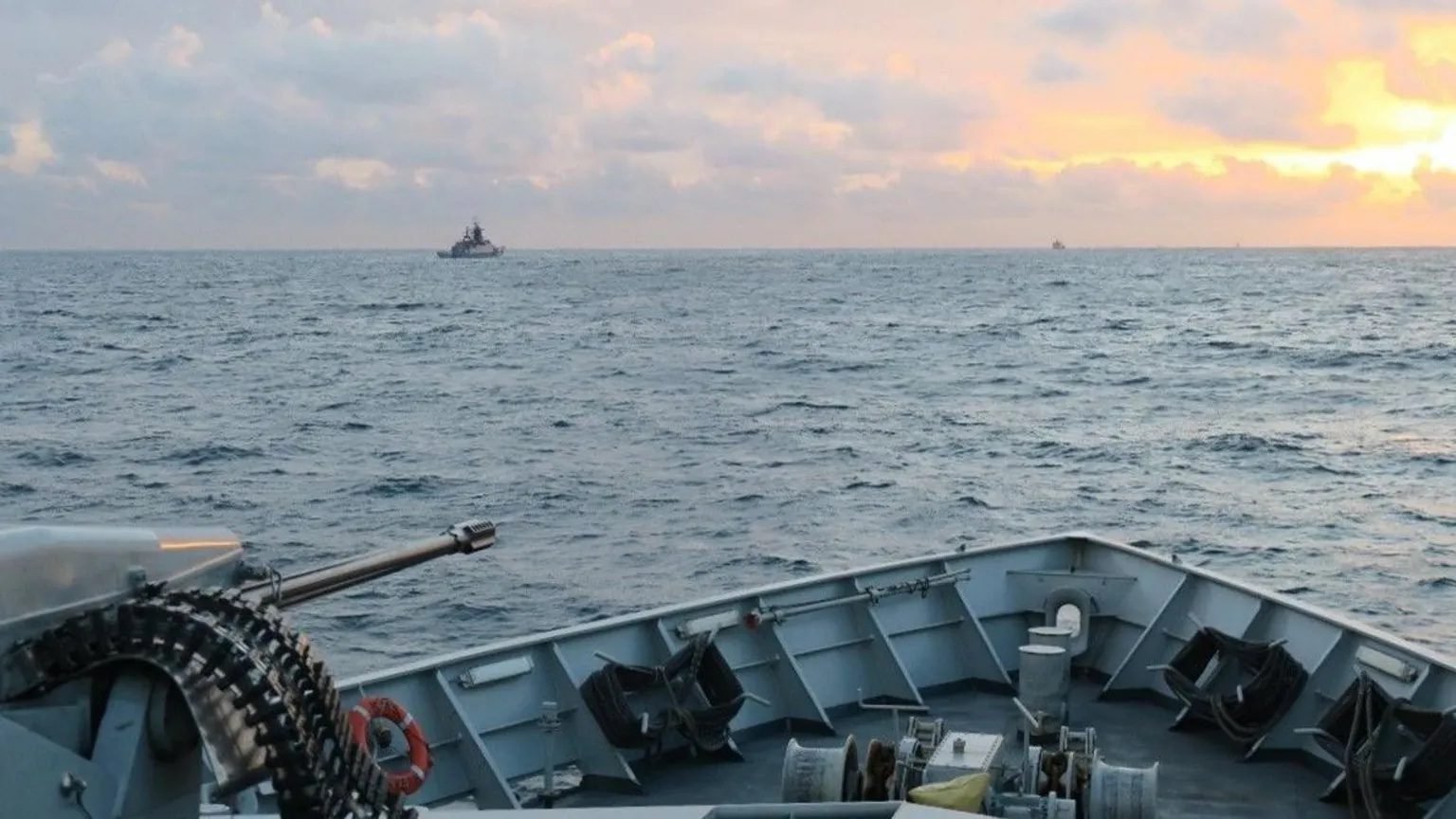
The Royal Navy has carried out a sustained and carefully coordinated shadowing mission after detecting two Russian warships moving through the English Channel, marking the latest in a series of tense maritime encounters around British waters. The Ministry of Defence confirmed the interception and described the operation as part of a wider response to increasing Russian naval activity that has raised concern across the United Kingdom and its NATO partners. The event highlighted growing pressure across northern European seas, where military vigilance has intensified following repeated Russian movements near sensitive strategic zones.
HMS Severn, a long-serving River-class patrol vessel, was deployed to monitor the Russian ships as they approached the Channel. The vessels identified were the RFN Stoikiy, a modern corvette designed for multi-purpose missions, and a support tanker travelling alongside it. The precise time of the interception was not released, although the MoD stated that the shadowing took place over a period lasting several days and formed part of a round-the-clock surveillance operation. That secrecy reflected standard practice during active monitoring, particularly when dealing with vessels capable of unpredictable movement or electronic countermeasures.
Severn began tracking the ships as they moved through northern waters before entering UK responsibility zones. The patrol vessel maintained a consistent presence, observing movements, monitoring communications and assessing behaviour for any sign of escalation. As the Russian ships progressed westward, Severn later transferred primary responsibility to a NATO ally stationed near the coast of Brittany. Despite the handover, Severn continued to monitor from range, remaining ready to intervene if the situation changed suddenly. This coordinated approach demonstrated the close collaboration between European allies during heightened maritime security operations.

The MoD provided additional context surrounding the mission, explaining that increased Russian deployments had stretched across regions from the English Channel to the High North. Defence officials warned that these movements form part of a broader shift in Russian naval strategy, which includes more frequent transits near NATO waters, sometimes involving vessels equipped with surveillance technology or advanced weaponry. British forces have responded by intensifying patrols and improving coordination between the Royal Navy, the RAF and allied militaries. The aim is to ensure a fast and clear response to any activity that could challenge territorial integrity or maritime security.
HMS Severn has a long history of escorting foreign ships and conducting maritime protection tasks near the United Kingdom. Built in 2002, the vessel specialises in border security, surveillance, and inspection operations and is capable of supporting more robust naval units during heightened alert. Its agility and reliability have made it a familiar presence in the Channel, where it has frequently been dispatched to monitor Russian transits similar to this latest encounter. The MoD continues to emphasise the importance of constant vigilance in these busy waters, particularly as shipping lanes remain vulnerable to disruption during geopolitical tension.
This interception followed several incidents involving Russian naval activity around the British Isles. Defence Secretary John Healey recently revealed a striking increase in the number of Russian ships approaching or entering zones near UK territorial waters. He noted that movements had risen by thirty percent over the past two years, a shift that underlined the need for renewed focus on maritime defence strategies. Healey explained that several Russian vessels had been detected near sensitive infrastructure and potential strategic sites, prompting swift responses from British forces.
One of the most concerning recent incidents involved the Russian reconnaissance ship Yantar. That vessel was spotted off the Scottish coast last week, where it reportedly directed laser beams at a RAF P-8 Poseidon aircraft deployed to monitor it. The act appeared intended to interfere with the pilots’ vision and the aircraft’s sensors. While no injuries were reported and the aircraft sustained no damage, the incident was described as deeply dangerous by British officials. Healey stated that Yantar specialises in intelligence collection and is believed to possess equipment designed to examine undersea cables that carry critical communication links across Europe.
The Defence Secretary addressed the incident during a Downing Street news conference, where he criticised Russia’s behaviour as increasingly reckless. Healey confirmed that the United Kingdom had deployed a Royal Navy frigate alongside the RAF aircraft to track the vessel’s every movement. His warning to Moscow was direct, stating clearly that British forces were observing Yantar closely and prepared to respond if it moved further south. He also suggested that additional military options were available should the vessel approach sensitive areas or appear to threaten strategic infrastructure.
Russia responded with a statement aimed at reducing the seriousness of the allegations. The Russian embassy labelled Healey’s comments provocative, arguing that the vessel’s activities had not been intended to undermine British security. British officials rejected that reassurance, pointing to the pattern of recent encounters that reflect persistent interest in areas with significant intelligence value. The continued presence of Russian ships in waters near the UK remains a source of strategic concern and has increased pressure on defence planners to strengthen maritime readiness and surveillance capabilities.
The Stoikiy, one of the vessels intercepted in the latest incident, has entered the Channel before. During a previous encounter in May, British forces dispatched two vessels and the 814 Naval Air Squadron to shadow the corvette as it moved through the region to meet other Russian ships. That earlier transit also drew attention from defence analysts who warned that the increasing frequency of such movements may signal a shift in Russian naval patterns around Europe. These operations often happen without warning and require a rapid coordinated response to safeguard territorial zones and maritime borders.

This latest episode reinforces the importance of the Royal Navy’s continuous patrol strategy. Increased Russian activity has created heightened uncertainty in waters surrounding the British Isles, prompting the UK to maintain constant operational readiness. The Navy’s ability to shadow, deter and observe foreign ships remains central to national security and vital to the stability of NATO’s northern maritime corridor. The interception of Stoikiy and its accompanying tanker demonstrates a consistent pattern of proactive monitoring that ensures potential threats remain under surveillance.
As geopolitical tension continues to shape the security landscape of Europe, British officials have stressed that vigilance will remain essential. The Channel remains both a strategic gateway and a heavily trafficked route, making it a priority area for surveillance and defence efforts. The partnership between British forces and NATO allies ensures that operations can be carried out with precision and flexibility, reducing the risks linked to foreign military movements. The latest interception adds to a growing archive of encounters that show the evolving nature of maritime security in the region.
Related News:
 British Woman in Iran ‘Losing Hope’ Amid Ongoing Detention
 BBC Journalist Held and Interrogated in Vietnam
 The diet that can significantly ease symptoms of IBS
 Trump Speaks on Prince Andrew’s Royal Scandal Fallout
 Pregnant UK Teen to Be Freed from Georgian Jail
 Zohran Mamdani becomes New York City’s first Muslim mayor
 Top Christmas Books Reads: Classics to Cozy Romcoms
 UPS Cargo Plane Crash in Kentucky Kills Seven
 Just Stop Oil Protesters Convicted Amid Climate Defence Row
Zohran Mamdani names all-female transition team for NYC mayoralty
Just Stop Oil Protesters Convicted Amid Climate Defence Row
Zohran Mamdani names all-female transition team for NYC mayoralty
 Tension and Turmoil at Aston Villa v Maccabi Match
 British Grandmother to Return Home After Death Sentence in Bali
 Parents Urge Home Office to Reunite Daughter After Hurricane
 Lando Norris Dominates Brazil GP to Strengthen F1 Title Bid
 Second world war veterans honoured as King leads Remembrance Sunday
 BBC director-general and news chief resign amid bias row
 Palace May Restore Hyphen to Andrew Mountbatten-Windsor’s Name
 Ronaldo Confirms Final World Cup and Plans Retirement
 Rama Rebukes Mahmood for Targeting Albanian Families
 Russian Vessel Used Lasers on RAF Pilots, UK Claims
 Ireland Boosts Ukraine Aid as Zelensky Visits Dublin
 UK Must Act with Courage and Clarity on Israel-Palestine Conflict, Says Foreign Affairs Committee Report
 Radioactive Leak at UK’s Nuclear Warhead Base Sparks Outcry Over Safety and Secrecy
 Mutual Inconvenience: Why Alaska Was Chosen for the Trump-Putin Summit on Ukraine
 Terence Stamp, ’60s British Film Legend and Star of Superman, Dies at 87
 Is the UK Ready to Put Boots on the Ground in Ukraine? Assessing Military Capacity and Challenges
 Shein UK Faces Allegations of Shifting Majority of Profits to Singapore to Reduce UK Tax
 Public Trust in SNP Hits Historic Low Amid NHS Concerns
 Johnson Suggests Mandelson Linked to China Spy Controversy
 Rachel Reeves signals welfare reform ahead of key budget
 Peterborough Mosques Tighten Security After Attack
Reeves Faces Setback as Labour May Miss Homes Target
Peterborough Mosques Tighten Security After Attack
Reeves Faces Setback as Labour May Miss Homes Target
 Hospice Cuts Raise Alarm Across England Amid Funding Crisis
 Kate Winslet to Narrate Film Highlighting King’s Environmental Mission
 Green Party Surges Past Labour in Latest UK Poll
 Trump’s UK Ambassador Urges North Sea Drilling to Strengthen US Ties
 Children to Learn Local History in Major Curriculum Overhaul
 French Taxi Driver Cleared in David Lammy Theft Case After Fare Dispute
 UK Bans Fake Numbers: Scammers Lose Their Trick
 Prince William Plants Trees with Brazil’s Nature Heroes
 M&S Profits More Than Halve After Cyber-Attack
 Kent village told to remove flags before Christmas lights go up
 Patients to Test Health at Home to Ease NHS Winter Pressure
 I’m a Celebrity 2025 line-up revealed: Osbourne joins
BBC to Apologise Over Edited Trump Speech Amid Backlash
I’m a Celebrity 2025 line-up revealed: Osbourne joins
BBC to Apologise Over Edited Trump Speech Amid Backlash
 King Charles to Lead Nation in Remembrance Sunday Service
 Britain deploys RAF specialists to assist Belgium with drone threats
 Millionaires group urge Reeves to introduce wealth tax to ‘lift kids out of poverty’
 Starmer Faces Growing Dissent as Labour MPs Weigh Leadership Challenge
 Shouting Works Best to Deter Gulls, UK Study Finds
 Reeves rejects £1bn plea for NHS redundancy payouts
 Northern Lights may illuminate UK skies this week
 PM Condemns Leaks, Vows Loyalty to Ministers and Stability
 Son Reveals UK Couple in Iran Resort to Hunger Strike for Help
 Major Rent Reform Ends No-Fault Evictions in England
 Former Lion Heskey Warns of Shortage of England Strikers
 Greene Pushes Epstein Files Amid Trump Fallout
 December Run-Off in Chile as Election Produces No Winner
 Criminal Gangs Pose as Truckers to Hijack UK Supply Chains
 Zelenskyy Signs Fighter Jet Deal Amid Russian Drone Attacks
 Stroke Patient Mistaken for Drunk, Care Delayed
 Canada Passes Carney’s First Budget in Tight Parliamentary Vote
 Van Dwellers Face Eviction After Park Misuse Sparks Outcry
 Shadow Fleet at Sea: Europe’s Battle Against Illicit Oil Shipping
 Tiny Curacao Makes History as Smallest Nation to Reach World Cup
 Deadly Russian Strikes Hit Western Ukraine, 20 Killed in Ternopil
 Ukraine Peace Plan: Zelensky Ready for Dialogue
 Coffins Now Too Large to Cremate Amid Rising Obesity Crisis
 Most Tories Expect to Support a Farage-Led Government
 Bill Murray Terrified Wes Anderson but Became His Closest Collaborator
 Labour MP claims devolution bill is ‘blatant discrimination’ against Cornwall
 Karen Carney Stuns on Blackpool Week, Deserves Strictly Final
 Millions Face Higher Taxes Under Reeves New Budget
 Two National Guard Soldiers Critically Injured Near White House
 Southern Lebanon reels as Israeli strikes shatter communities
 Sri Lanka Floods Leave 56 Dead, Dozens Missing
 Fibromyalgia Patients Struggle as NHS Fails to Provide Care
 Search underway for British man overboard off Tenerife
 Virgin Media Fined £23.8m Over Telecare Safety Failures
 Rising Water Bills Lift Troubled Thames Back to Profit