Published: 26 November 2025 Wednesday. The English Chronicle Desk. The English Chronicle Online
In a landmark legal challenge that could have far-reaching implications for children’s rights and online access, two Australian teenagers are set to contest the nation’s new social media ban for under-16s in the High Court. The challenge alleges that the law, which comes into effect on 10 December, is unconstitutional and infringes upon young Australians’ fundamental right to free communication.
The legislation requires social media platforms, including global giants such as Meta, TikTok, and YouTube, to prevent anyone under the age of 16 from maintaining accounts. The Australian government and supporters of the measure have framed it as essential to protect children from harmful online content, particularly from the algorithms that drive addictive behaviors and exposure to inappropriate material.
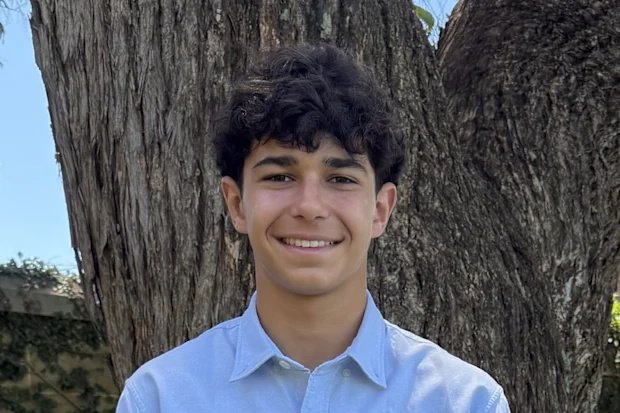
However, 15-year-olds Noah Jones and Macy Neyland, who have filed the case with backing from the rights advocacy group Digital Freedom Project (DFP), argue that the blanket ban silences young people and denies them essential channels for information, education, and social engagement.
Ms Neyland, in a statement accompanying the filing, described the measure as oppressive. “We shouldn’t be silenced. It’s like Orwell’s book 1984, and that scares me,” she said, emphasizing the impact such a sweeping restriction could have on young people’s lives.

Noah Jones echoed her sentiments, asserting that the government’s approach is “lazy” and overly restrictive. “We are the true digital natives and we want to remain educated, robust, and savvy in our digital world,” he said. “They should protect kids with safeguards, not silence.”
The Australian Communications Minister, Anika Wells, has responded firmly to the challenge, stressing that the government would not be intimidated by legal actions, public debate, or tech companies opposing the law. Speaking in parliament, she said: “We will not be intimidated by threats. We will not be intimidated by legal challenges. We will not be intimidated by big tech. On behalf of Australian parents, we will stand firm.”
The Digital Freedom Project has highlighted the disproportionate effects the ban may have on vulnerable populations, including young people with disabilities, First Nations youth, those living in rural or remote areas, and LGBTIQ+ teenagers. According to DFP, restricting access to social media limits the ability of these groups to connect with peers, access support networks, and participate in civic and cultural life.
The High Court challenge will focus on several key constitutional questions, particularly whether the law unreasonably restricts political communication and other forms of free expression. Advocates argue that the law fails to account for alternative measures that could enhance online safety without removing children from social media entirely. Suggested alternatives include digital literacy programs, mandatory age-appropriate features on platforms, and robust age verification technologies that respect privacy.
Australia’s law has garnered international attention, with experts and campaigners watching closely to see how the balance between child safety and freedom of expression will be struck. Some legal analysts predict that the High Court case could set a precedent for other countries considering similar restrictions.
Despite opposition from the DFP and other child rights advocates, public opinion in Australia appears largely supportive of the ban. Polls suggest that the majority of adults favor measures they believe will protect children from exposure to harmful or addictive content online. Yet mental health professionals have raised concerns that cutting off access could unintentionally harm the very demographic it seeks to protect, potentially isolating vulnerable teens or pushing them toward less-regulated corners of the internet.
The debate over the social media ban comes amid growing global scrutiny of tech companies and the power they wield over information, mental health, and childhood development. Studies have linked excessive social media use among young people to anxiety, depression, and attention difficulties. Governments worldwide have experimented with different regulatory approaches, ranging from voluntary safety guidelines to strict age restrictions and content moderation mandates.

The Australian government has defended the law by citing the need for preemptive measures to protect children. “Children’s safety online is a priority,” said Communications Minister Wells. “This is not about censorship—it is about giving parents and children protections against harm in a digital landscape that can be overwhelming and unsafe.”
However, critics argue that the law does not provide nuanced solutions. They point out that teenagers often use social media to access news, educational content, and peer support. By restricting access entirely, the government may inadvertently limit children’s opportunities for learning and social development.
The DFP’s legal challenge also draws attention to issues of enforcement. Social media platforms will need to implement stringent verification methods to ensure compliance, a task complicated by the global nature of their user bases and varying local privacy laws. Critics suggest that these measures may be technically difficult to enforce and could result in unintended consequences, such as teenagers using fake accounts or migrating to unregulated platforms.
Noah Jones highlighted the importance of retaining agency in a digital world. “We are growing up online. Social media is part of our education, our social life, and how we understand the world,” he said. “The government should be equipping us to navigate it safely, not banning us outright.”
The High Court will have to consider whether the law is a proportionate response to the risks it seeks to mitigate. The case raises fundamental questions about children’s rights, parental responsibility, and the role of the state in regulating digital spaces. It also invites a broader societal discussion about balancing protection and empowerment in the digital age.
While the law is set to come into effect on 10 December, the High Court challenge could delay its implementation or lead to amendments if the court finds the ban infringes constitutional protections. Legal experts predict a rigorous and high-profile hearing process, with arguments likely to examine international precedents, constitutional principles, and the social science research underpinning digital policy.
Parents, educators, and child rights advocates are closely monitoring the case, aware that its outcome may influence policies and debates beyond Australia. The legal proceedings are expected to attract media coverage, public commentary, and scrutiny from civil liberties organizations around the world.

For now, Noah Jones and Macy Neyland are prepared to argue their case with determination. “We are fighting for our rights,” said Ms Neyland. “This is about being heard, being part of society, and having access to the tools we need to live our lives in a connected world.”
The challenge reflects a growing tension between regulatory authorities, social media companies, and the rights of young people. How Australia navigates this issue may provide a model—or a cautionary tale—for other nations grappling with the complex interplay of technology, childhood, and freedom of expression.
As the countdown to the ban’s implementation continues, all eyes are on the High Court, where the arguments over constitutional rights, public safety, and the digital lives of millions of children are about to unfold.
The case serves as a reminder of the broader implications of digital governance, the responsibilities of tech companies, and the ongoing debate about the best ways to safeguard children while empowering them to participate fully in society.
The outcome will not only affect Australian teenagers but could resonate globally, shaping policy discussions on social media regulation, child safety, and free expression in the years to come.
Related News:
 Seven Conditions That Automatically Qualify You for a Free Bus Pass
 US Justice Department Files Lawsuit Against California Over Partisan Voting Maps
 Bataclan Anniversary: France Remembers but Jihadist Danger Lingers
 UK Asylum Reforms: Temporary Refugee Status and Faster Deportations
 Mahmood Announces Temporary Refugee Status Plan
 South African Detained After Neo-Nazi Rally in Australia
 British Doctors Arrested in India for Unauthorized Border Crossing
 Minister Defends Tough New Asylum Reform Plan
 UK Net Migration Falls Sharply After ONS Revisions
 Only One Republican Opposes Mass Release of Epstein Files
 Congress Approves Release of Epstein Files, Trump Expected to Sign
 Court to Hear Challenge to Wimbledon Expansion Plan
 Serial Rapist and Former Cop Found Guilty Again
 Two Officers Injured After Van Deliberately Rams Patrol Car
 Senedd Suspends Politician Over Offensive Racial Slur
 Trump Slams Democrats With ‘Seditious’ Death Claim
 Texas Governor Faces Lawsuit From CAIR
 Runaway Driver Caught by DNA Evidence
 Peers Get Extra Time to Debate Assisted Dying Bill
 Singapore Women Acquitted After Pro-Palestine March
 US National Guard Member Killed in DC Shooting
 Man Arrested Over Manchester Synagogue Terror Attack
 Second homes curbs quashed in Gwynedd legal ruling
 ICC to Rule on Duterte’s Provisional Release
 Trump to pause migration from ‘third-world countries’
 Chinese & Japanese Boats Clash Near Disputed Islands
 Hong Kong Orders Probe Into Deadly 151-Death Fire
 Putin Meets US Envoy Amid Key Ukraine Peace Talks
 Twelve Prisoners Released in Error, Two Still Missing
 Indonesia to Repatriate Two Dutch Drug Convicts
 Franklin Turtle, Sabrina Carpenter Slam US Social Media Use
 Trump Administration Dismisses 17 Immigration Judges, Sparking Debate Over Judicial Independence
 Northern Ireland Family of Three Shot Dead in Maguiresbridge Home Incident
 Hospice Cuts Raise Alarm Across England Amid Funding Crisis
 French Taxi Driver Cleared in David Lammy Theft Case After Fare Dispute
 Just Stop Oil Protesters Convicted Amid Climate Defence Row
 King Charles to Lead Nation in Remembrance Sunday Service
 Britain deploys RAF specialists to assist Belgium with drone threats
 US Senate Passes Funding Bill to End Historic Shutdown
 From Lego to Pokémon: How Adults Are Driving UK Toy Market Growth
 Shouting Works Best to Deter Gulls, UK Study Finds
 Mary Earps’s Manchester United Return Faces Mixed Reception
 PM Condemns Leaks, Vows Loyalty to Ministers and Stability
 Son Reveals UK Couple in Iran Resort to Hunger Strike for Help
 TalkTV Fires Mike Graham Over Racist Facebook Post
 Major Rent Reform Ends No-Fault Evictions in England
 Peers Flood Assisted Dying Bill with 942 Amendments
 Saka Solidifies Role as Tuchel’s Key England Lieutenant
 Former Lion Heskey Warns of Shortage of England Strikers
 Trump Deploys DHS to Charlotte in Major Arrest Operation
 December Run-Off in Chile as Election Produces No Winner
 Zelenskyy Signs Fighter Jet Deal Amid Russian Drone Attacks
 Orban Says Ukraine Has ‘No Chance’ as EU Support Continues
 Stroke Patient Mistaken for Drunk, Care Delayed
 Mother Watches in Horror as Teen Daughter Dies on Tracks
 Charlotte Raids: 130 Arrested in Major Immigration Sweep
 Seven Countries, One Winner: Europe’s Best Christmas Market
 Van Dwellers Face Eviction After Park Misuse Sparks Outcry
 Shadow Fleet at Sea: Europe’s Battle Against Illicit Oil Shipping
 Haiti Qualifies for World Cup Despite Coach Never Visiting Country
 Deadly Russian Strikes Hit Western Ukraine, 20 Killed in Ternopil
 Snow and Ice Cause Travel Chaos in North Yorkshire
 Man Denies Stealing Bronze Age Gold from Museum
 Pentagon Officials in Ukraine to Discuss War End
 Ukraine Peace Plan: Zelensky Ready for Dialogue
 Director Michael Caton-Jones Reflects on Career and Beginnings
 Scottish Families Take Legal Action Over School CO Leak
 Venezuela Threatens Nobel Winner Machado with Fugitive Status
 Vicki Fears Losing Motability Car
 Millions Face Higher Taxes Under Reeves New Budget
 Two National Guard Soldiers Critically Injured Near White House
 Mbappe Scores 4 as Real Madrid Edge Olympiakos
 Sri Lanka Floods Leave 56 Dead, Dozens Missing
 Scotland Gains 33 New Towns – Life in Growing Communities
 Jordan Bardella: France’s Young Presidential Contender
 AI Actress Creator Says Tilly Norwood Won’t Replace Actors
 Search underway for British man overboard off Tenerife
 Virgin Media Fined £23.8m Over Telecare Safety Failures
 Pavarotti statue frozen in Italian ice rink sparks backlash
 Barcelona, Atletico set for decisive La Liga showdown