Published: 27 November 2025 Thursday. The English Chronicle Desk. The English Chronicle Online.
Peers in the House of Lords have been granted an additional 10 days to scrutinise the Terminally Ill Adults (End of Life) Bill, following concerns that a record number of amendments could prevent the legislation from being passed before the current parliamentary session ends. The extra sitting days, scheduled between 9 January and 24 April next year, are designed to give members of the Lords sufficient time to debate the private member’s bill in full, allowing for proper consideration and potential improvements.
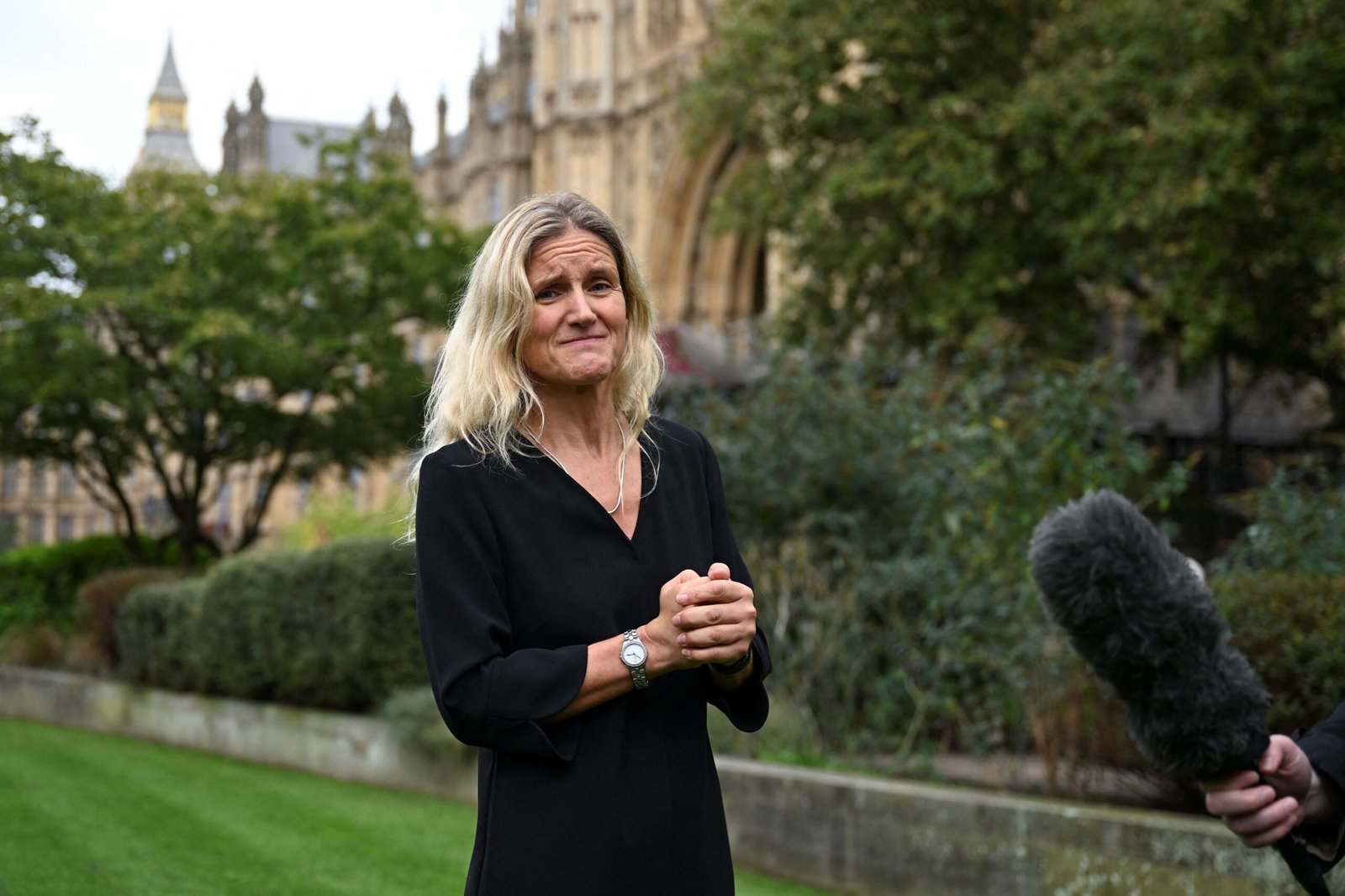
The assisted dying bill, introduced by Labour MP Kim Leadbeater, has already passed a historic vote in the House of Commons in June, marking a major step forward in the long-running debate over legalising assisted dying in England and Wales. If ultimately approved, the legislation would allow terminally ill adults with less than six months to live to request an assisted death. Such requests would require approval from two independent doctors and oversight from a panel consisting of a social worker, a senior legal figure, and a psychiatrist, ensuring a multi-layered safeguard for vulnerable individuals.
Despite the Commons’ approval, the bill faces intense scrutiny in the Lords, where opponents have submitted more than 1,000 amendments, creating fears that procedural delays could prevent the legislation from becoming law. These amendments, which range from minor textual changes to calls for more substantial re-drafting, have slowed progress, with fewer than 30 changes considered after two of the four days reserved for committee stage discussions. The sheer volume of amendments raised concerns that time would run out before the bill could complete all necessary stages in the House of Lords.

Dame Esther Rantzen, the founder of Childline who is terminally ill with cancer, has urged peers not to “sabotage democracy” by obstructing the bill through procedural delays. Her plea underscores the human impact of the legislation and the urgency expressed by supporters who argue that terminally ill patients deserve a choice in how they face their final days. Leadbeater, speaking about the delays, expressed frustration that procedural tactics were being used to frustrate the bill. She said, “Some of the processes and procedures that can be used are being used to frustrate the bill, and that is deeply disappointing and upsetting.”
The government, which has taken a neutral stance on the bill, intervened to address the timing concerns. Lord Roy Kennedy, the chief whip in the Lords, confirmed that ten additional Fridays would be scheduled in the New Year to provide the necessary time for detailed consideration. He stressed that the extra sessions would not come at the expense of government business and would allow all peers wishing to contribute to participate fully. “It is clear the House needs additional time to scrutinise the Bill,” Lord Kennedy said, emphasising that this step was necessary to ensure a thorough legislative process.
The extra debate days bring the total number of Lords’ sitting days dedicated to the bill to 16, offering an unprecedented amount of discussion time for a private member’s bill. Lord Charlie Falconer, responsible for steering the bill through the Lords, welcomed the decision, highlighting that the additional dates provide ample opportunity to address all amendments constructively. “The new schedule ensures that peers can use their expertise to propose improvements and strengthen the legislation where necessary,” he said.
Supporters of the bill argue that the legislation represents a significant advance in providing terminally ill patients with autonomy and dignity in their final days. Currently, individuals seeking assistance in ending their lives face legal uncertainty, with potential criminal penalties for those involved. If passed, the Terminally Ill Adults (End of Life) Bill would offer a legally regulated framework, balancing compassion for patients with safeguards against abuse.

Critics, however, have raised concerns about the potential for abuse and the adequacy of protections for vulnerable individuals. They argue that the legislation requires careful redrafting to ensure that safeguards are robust and that vulnerable adults are not pressured into choosing assisted death. These concerns have contributed to the high number of amendments, reflecting the contentious and sensitive nature of the subject.
Leadbeater highlighted the importance of using the extra days constructively. She noted that while the volume of amendments is unprecedented, it is essential that the Lords’ scrutiny strengthens rather than obstructs the bill. “These extra days provide an unprecedented amount of debating time for a private members’ bill,” she said. “There is little doubt that, used responsibly, they will allow the Bill to progress and enable Parliament to give dying people choice and dignity in their final days, while also protecting their loved ones from the threat of prosecution.”
The decision to extend debate time was met with broad support among bill proponents, who argue that a carefully considered assisted dying framework is overdue. The move also illustrates the unique challenges faced by private members’ bills, which often have limited parliamentary time and must navigate complex procedural hurdles in both the Commons and the Lords.
As Parliament moves into the new year, attention will focus on how peers use the additional sitting days to examine the legislation in detail. The debate is expected to cover ethical, legal, and medical aspects, with contributions from legal experts, medical professionals, and peer-reviewed evidence on the impact of assisted dying laws in other jurisdictions. Observers note that the extensive scrutiny could result in further refinements to the bill, ultimately strengthening protections for patients and families while clarifying responsibilities for doctors and oversight panels.

While the assisted dying bill remains a highly sensitive topic, its progression through Parliament represents a landmark moment in the UK’s approach to end-of-life care. The extended schedule underscores the commitment to careful legislative scrutiny, ensuring that every aspect of the bill is examined before it can become law. For terminally ill adults and their families, the outcome carries profound personal significance, as it could determine the legal framework within which they can make critical end-of-life decisions.
In summary, the Terminally Ill Adults (End of Life) Bill now has a clear path forward in the House of Lords, thanks to the allocation of additional debate days. The measure reflects a careful balance between parliamentary scrutiny and the urgent needs of patients, while accommodating the government’s neutral stance. With final approval required in both Houses before the spring recess, the extended timeline provides the opportunity for peers to resolve complex issues, address over a thousand proposed amendments, and shape legislation that could transform end-of-life care in England and Wales.
The coming months will be closely watched by advocates, opponents, and families affected by terminal illness. How the Lords handle the debate, and whether they can navigate procedural challenges efficiently, will determine whether this landmark legislation becomes law in time. For now, the extra days offer hope to supporters that Parliament can deliver a carefully considered framework that balances compassion, autonomy, and safety for some of the most vulnerable individuals in society.
Related News:
 UK Asylum Reforms: Temporary Refugee Status and Faster Deportations
 Minister Defends Tough New Asylum Reform Plan
 UK Net Migration Falls Sharply After ONS Revisions
 Commons Speaker Warns UK Parliament Vulnerable to Foreign Espionage After China-Linked Case Dropped
 UK Police to Gain New Powers to Manage Repeated Protests, Home Office Announces
 Tories Push to Dilute Labour’s Workers’ Rights Bill
 It’s time to come clean on the China spy case
 Rachel Reeves Admits Renting Home Without Required Licence
 Out of reach: stalled newbuilds leave Labour’s social housing targets in tatters
 Experts Question HMRC Over Possible Child Benefit Privacy Breach
 Phillipson urges careful review of gender recognition guidance
 French Taxi Driver Cleared in David Lammy Theft Case After Fare Dispute
 Who is Rama Duwaji? What Zohran Mamdani’s wife has said about Gaza and ICE as he’s elected NYC mayor
 Met Police Culture Makes Racial Harm ‘Inevitable’
 Remaining rebel Labour MPs have whip restored
 Tim Davie resigns as BBC director general amid bias claims
 Palace to reinstate hyphen in Andrew’s surname
 PM Condemns Leaks, Vows Loyalty to Ministers and Stability
 BBC Apologises to Trump but Rejects $1bn Compensation Claim
 Major Rent Reform Ends No-Fault Evictions in England
 Peers Flood Assisted Dying Bill with 942 Amendments
 US Justice Department Files Lawsuit Against California Over Partisan Voting Maps
 Your Party Turmoil Deepens Over Withheld Donations
 UK Unveils Fast-Track Deportation and Asylum Overhaul
 UK Asylum Overhaul Sparks Debate Over Human Rights and Deportations
 Mahmood Defends Tough Overhaul of UK Asylum System
 Mahmood Announces Temporary Refugee Status Plan
 Scottish Ministers Express Alarm Over UK Asylum Reforms
 South African Detained After Neo-Nazi Rally in Australia
 Westminster Advances Legacy Bill Amid Criticism
 Only One Republican Opposes Mass Release of Epstein Files
 Congress Approves Release of Epstein Files, Trump Expected to Sign
 UK Vulnerable to Attack, Defence Committee Finds
 Rama Rebukes Mahmood for Targeting Albanian Families
 Russian Vessel Used Lasers on RAF Pilots, UK Claims
 MP Offers Seat to Help Burnham Challenge Starmer
 Court to Hear Challenge to Wimbledon Expansion Plan
 Serial Rapist and Former Cop Found Guilty Again
 Senedd Suspends Politician Over Offensive Racial Slur
 Trump Slams Democrats With ‘Seditious’ Death Claim
 Texas Governor Faces Lawsuit From CAIR
 English Mayors Set to Introduce Tourist Taxes
 Ex-Classmate Accuses Farage of Dishonesty on Racism Claims
 Millions Face Higher Taxes Under Reeves New Budget
 Planned Palestinian Flag Raising at Belfast City Hall Faces Delay Amid Legal Concerns
 UK Military Chiefs Warn Funding Gap Threatens Defence
 US National Guard Member Killed in DC Shooting
 Ex-Brexit MEP Rejects Claim of Pro-Russia Payments
 Labour U-turn: Unfair Dismissal Rights Delayed Six Months
 Man Arrested Over Manchester Synagogue Terror Attack
 Government righting decades-old injustice for miners
 Second homes curbs quashed in Gwynedd legal ruling
 ICC to Rule on Duterte’s Provisional Release
 Trump to pause migration from ‘third-world countries’
 Chinese & Japanese Boats Clash Near Disputed Islands
 Putin Meets US Envoy Amid Key Ukraine Peace Talks
 Twelve Prisoners Released in Error, Two Still Missing
 Franklin Turtle, Sabrina Carpenter Slam US Social Media Use
 Tanni Grey-Thompson Faces Abuse Over Opposition to Assisted Dying Bill
 Army Barracks to House Migrants as Hotels Phase Out
 Green Party Surges Past Labour in Latest UK Poll
 Trump’s UK Ambassador Urges North Sea Drilling to Strengthen US Ties
 King Charles to Lead Nation in Remembrance Sunday Service
 Britain deploys RAF specialists to assist Belgium with drone threats
 Millionaires group urge Reeves to introduce wealth tax to ‘lift kids out of poverty’
 Starmer Faces Growing Dissent as Labour MPs Weigh Leadership Challenge
 Shouting Works Best to Deter Gulls, UK Study Finds
 Reeves rejects £1bn plea for NHS redundancy payouts
 Son Reveals UK Couple in Iran Resort to Hunger Strike for Help
 Former Lion Heskey Warns of Shortage of England Strikers
 Trump Deploys DHS to Charlotte in Major Arrest Operation
 December Run-Off in Chile as Election Produces No Winner
 Stroke Patient Mistaken for Drunk, Care Delayed
 Van Dwellers Face Eviction After Park Misuse Sparks Outcry
 Shadow Fleet at Sea: Europe’s Battle Against Illicit Oil Shipping
 Most Tories Expect to Support a Farage-Led Government
 Runaway Driver Caught by DNA Evidence
 Jordan Bardella: France’s Young Presidential Contender
 Search underway for British man overboard off Tenerife
 Virgin Media Fined £23.8m Over Telecare Safety Failures