Published: 05 December 2025. The English Chronicle Desk. The English Chronicle Online.
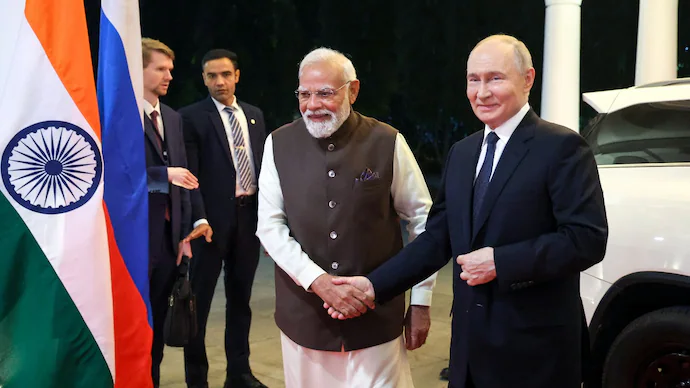
In the heart of New Delhi’s bustling diplomatic circles, a pivotal encounter unfolded between two global heavyweights. Russian President Vladimir Putin and Indian Prime Minister Narendra Modi sealed a series of landmark agreements on Friday. These pacts, spanning energy, trade, and defence, signal a bold defiance against mounting US trade pressures. As the Ukraine war grinds into its fourth year, this summit underscores shifting alliances. It highlights how emerging powers navigate a fractured world order. Putin arrived amid heightened security, greeted by Modi’s signature warmth at Palam airport. Their talks at Hyderabad House delved deep into bilateral ties. Yet, the shadow of the conflict loomed large, with Modi reiterating calls for peace through dialogue.
Putin, speaking to reporters after the summit, praised the “many agreements” inked during the visit. He emphasized Russia’s role as a steadfast supplier of oil, gas, and coal to fuel India’s energy needs. “Russia is a reliable partner for India’s development,” Putin declared, underscoring the resilience of their partnership. This comes at a time when Western sanctions have rerouted Russian exports eastward. India has emerged as Moscow’s top oil buyer since the 2022 invasion of Ukraine. Bilateral trade hit a record $68.7 billion last fiscal year, up 12 percent. Both leaders set an ambitious target of $100 billion by 2030, defying US tariffs and export curbs aimed at isolating Russia.

The agreements paint a picture of deepening interdependence. A key Vision 2030 economic cooperation pact outlines boosted investments in critical minerals and supply chains. This ensures diversified global resources amid geopolitical tensions. Labour mobility got a major lift too, with deals easing Indian workers’ entry into Russia. Free 30-day e-tourist and group visas for Russians will soon follow, fostering people-to-people ties. In health and energy sectors, fresh pacts promise collaborative innovations and co-productions. Defence cooperation remains a cornerstone, with talks on logistical support and potential Sukhoi-57 fighter jet deals. Nuclear energy partnerships could expand small modular reactors for India’s green ambitions.
Modi, in his opening remarks, struck a firm tone on Ukraine. “India is not neutral; it stands firmly on the side of peace,” he told Putin. He urged an end to the conflict via diplomacy, echoing New Delhi’s consistent stance. Since the crisis erupted, Modi has engaged Putin regularly, building trust as a bridge-builder. Putin reciprocated, noting Russia’s work toward a peaceful resolution. He briefed Modi on recent US-led peace efforts, including envoy Steve Witkoff’s Moscow visit. Yet, Putin dug in on territorial demands, vowing to secure Donbas “by military or other means.” This revelation, from a pre-summit interview, chilled hopes for quick breakthroughs. Analysts see the India trip as Putin’s signal of unyielding resolve.
Across the globe, European leaders grapple with similar anxieties over Ukraine’s fate. French President Emmanuel Macron, midway through a China visit, addressed a brewing controversy head-on. A leaked transcript from a confidential EU call had painted a grim picture. German magazine Der Spiegel quoted Macron warning of a “chance that the US will betray Ukraine on territory.” The note, from Monday’s discussion with Ukrainian President Volodymyr Zelenskyy and others, revealed deep scepticism. Leaders like German Chancellor Friedrich Merz and Finnish President Alexander Stubb voiced fears of Washington pushing Kyiv into concessions without security guarantees. NATO’s Mark Rutte even urged protecting Zelenskyy from “these guys,” referring to US negotiators.
Macron swiftly denied the explosive claims during a Chengdu press briefing. “I deny everything,” he stated firmly, quashing the Spiegel report’s fire. Unity with the US remains “essential” for Ukraine’s support, he insisted. “There is no mistrust,” Macron added, stressing collaborative peace efforts. He highlighted Europe’s need to lead alongside America for a “lasting and robust” outcome. The Élysée Palace backed this, clarifying Macron never used “betrayal.” The leak exposed raw European doubts about Trump’s mediation style. US proposals, like a 28-point plan, lean toward Russian demands on annexed lands. Zelenskyy’s team, en route to Washington, seeks ironclad assurances. This episode underscores transatlantic strains as peace talks stutter.
Back in New Delhi, the Modi-Putin chemistry offered a counterpoint to Western discord. Modi’s hug at the airport broke protocol, symbolizing enduring friendship. Their private dinner at the PM’s residence set a convivial tone. Putin, restricted by an ICC warrant since 2023, chose India as a safe haven for high-stakes diplomacy. This marks his first major trip since the war’s onset, evading arrest risks in Europe. Security was airtight, with Delhi’s swat teams and snipers on high alert. The summit revived memories of Cold War-era bonds, when Moscow armed India’s defences.

Trade dynamics reveal the pacts’ real-world bite. Russia’s discounted oil has cushioned India’s import bills amid global volatility. Yet, US pressures mount, with threats of secondary sanctions on buyers. Modi navigated this deftly, pushing for an early free trade agreement with the Eurasian Economic Union. This could unlock $50 billion in untapped potential. Putin hailed India’s multipolar vision, aligning against unilateral dominance. On Ukraine, Modi’s peace advocacy carries weight. His September Trump meeting reinforced India’s mediator role, urging early cessation.
European reactions to the summit were muted but telling. Brussels watches India’s Russia ties warily, fearing diluted sanctions. Yet, Macron’s China stopover echoed Modi’s balancing act. There, he touted Europe-China cooperation without alienating Washington. The leaked call’s fallout lingers, with Merz advising Zelenskyy to tread “extremely carefully.” Stubb’s plea not to leave Ukraine “alone with these guys” captures the unease. As US envoys shuttle between Moscow and Kyiv, Europe’s voice demands inclusion.
Human stories ground this geopolitical chessboard. In Ukraine’s Donbas, families huddle amid shelling, yearning for resolution. Indian workers eyeing Russian jobs dream of better livelihoods. Russian exporters find solace in Asian markets, sustaining war efforts. Modi’s visa easing could reunite families split by borders. Putin’s energy pledges promise stable power for India’s 1.4 billion souls.
Looking ahead, the summit’s ripple effects could reshape alliances. Will US trade hawks escalate against India-Russia deals? Can Europe’s unity hold amid leaks and doubts? Modi’s peace push might yet bridge divides, if dialogue prevails over demands. Putin’s defiance, wrapped in partnership pledges, challenges isolation narratives. As winter bites in Ukraine’s trenches, global leaders’ choices weigh heavy on ordinary lives.
This convergence of summits and scandals reminds us of diplomacy’s fragile dance. Trust, once eroded, rebuilds slowly. Macron’s denial seeks to mend transatlantic bonds. Modi’s firmness bolsters India’s global stature. In a world of converging crises, these moments test resolve. Ukraine’s defenders, from Kyiv to the frontlines, await outcomes that honour their sacrifices. For now, agreements flow, but peace remains elusive. The path forward demands courage, compromise, and unwavering commitment to human dignity.
Related News:
 Kinnock’s Rebuke Echoes Loudly as Corbyn Allies Launch Left-Wing Breakaway: “A Gift to Farage”
 UK and Norway Forge Stronger Ties Through Joint Sanctions and Enhanced Defence Cooperation
 Trump Administration Dismisses 17 Immigration Judges, Sparking Debate Over Judicial Independence
 England’s Euro Odyssey: A Tale of Grit, Glory and the Lionesses’ Miraculous March to the Final
 UK Must Act with Courage and Clarity on Israel-Palestine Conflict, Says Foreign Affairs Committee Report
 Northern Ireland Family of Three Shot Dead in Maguiresbridge Home Incident
 Seventeen Dead as Russia Targets Ukrainian Prison in Devastating Airstrike
 Tears in Tarragona: British Siblings Drown in Spanish Sea as Holiday Turns to Horror
 Tottenham Takes On Newcastle
 Gen Z Embraces the Big, Bold ‘Fake’ Indian Wedding Party Trend
 Trump Threatens 100% Tariff on Nations Importing Russian Oil Amid India Standoff Over Ukraine War
 Radioactive Leak at UK’s Nuclear Warhead Base Sparks Outcry Over Safety and Secrecy
 Mutual Inconvenience: Why Alaska Was Chosen for the Trump-Putin Summit on Ukraine
 China’s crackdown on civil servant perks sparks economic concerns
 Terence Stamp, ’60s British Film Legend and Star of Superman, Dies at 87
 Where Is Prince William and Kate Middleton’s New House? Inside the Historic Lodge Set to Become Their ‘Forever Home’
 Hong Kong Summons UK and Australian Envoys Following Asylum Grants to Democracy Activists
 Is the UK Ready to Put Boots on the Ground in Ukraine? Assessing Military Capacity and Challenges
 Costa Blanca Holiday Horror as Food Poisoning Outbreak Hits Four-Star Hotel
 Shein UK Faces Allegations of Shifting Majority of Profits to Singapore to Reduce UK Tax
 Conservative Influencer Charlie Kirk Fatally Shot During University Debate
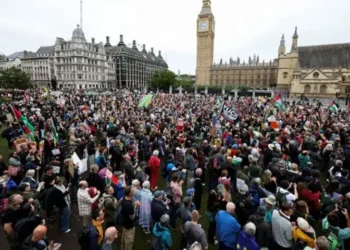 Thousands Gather in London to Protest Donald Trump’s Second UK State Visit
 Channel Crossings Surge: Over 1,000 People Arrive in the UK in Small Boats in a Single Day
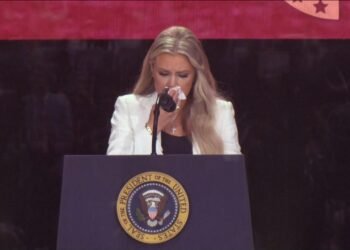 Widow of Charlie Kirk Forgives Killer at Emotional Memorial Service
 Las Vegas Faces Decline as Rising Costs Drive Tourists Away
 Public Executions in Gaza City Captured on Video Amid Ongoing Conflict
 Macron Phones Trump Over Traffic Jam in New York
 Comey Indictment Deepens Fears of Political Retribution Under Trump
 Google at 27: The Untold Story of Ruth Kedar, the Woman Behind the Iconic Logo
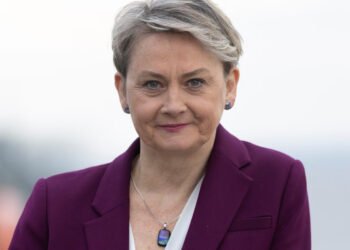 Yvette Cooper Signals Global Momentum Towards Gaza Peace Deal Amid Humanitarian Crisis
 A Third of EU Citizens in UK Report Discrimination by Public Bodies Post-Brexit
 “It Was Very Tough, But I Love Life”: Former Israeli Hostage Rebuilds Life After Family Killed by Hamas
 Chaos at Ibrox as Martin’s Rangers Era Comes to an End
 Arsenal Showcase Depth and Flexibility as Arteta Eyes Title Challenge
 Nobel Prize Honours Pioneers Behind Materials That Could Heal the Planet
 Public Trust in SNP Hits Historic Low Amid NHS Concerns
 Johnson Suggests Mandelson Linked to China Spy Controversy
 Trump Claims Modi Has Agreed to Halt Russian Oil Imports Amid Heightened US Pressure
 Zelensky to Urge Missile Aid as Trump and Putin Plan Summit
 Rachel Reeves signals welfare reform ahead of key budget
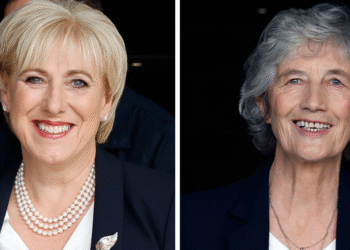 Ireland Votes as Two Women Compete for Presidency
 Russia’s Latest Push to Win US Favors Shows Deep Desperation
 WW2 Pilot’s Long-Lost Crash Site Unearthed in Essex
 Experts Warn Russia’s Burevestnik Missile Could Destabilise Arms Control
 Tragedy on Lizard Island: Cruise Passenger Dies
 Just Stop Oil Protesters Convicted Amid Climate Defence Row
 I’m a Celebrity 2025 line-up revealed: Osbourne joins
 BBC to Apologise Over Edited Trump Speech Amid Backlash
 Britain deploys RAF specialists to assist Belgium with drone threats
 Palace May Restore Hyphen to Andrew Mountbatten-Windsor’s Name
 US Senate Passes Funding Bill to End Historic Shutdown
 Trump Urges Herzog to Grant Netanyahu Full Pardon
 Japan Deploys Police to Curb Deadly Bear Attacks
 Indian authorities demolish Kashmir home linked to Red Fort blast
 Pokémon to open world’s first theme park in Japan next year
 Greene Pushes Epstein Files Amid Trump Fallout
 Trump Deploys DHS to Charlotte in Major Arrest Operation
 December Run-Off in Chile as Election Produces No Winner
 Zelenskyy Signs Fighter Jet Deal Amid Russian Drone Attacks
 Orban Says Ukraine Has ‘No Chance’ as EU Support Continues
 Canada Passes Carney’s First Budget in Tight Parliamentary Vote
 Shadow Fleet at Sea: Europe’s Battle Against Illicit Oil Shipping
 Tiny Curacao Makes History as Smallest Nation to Reach World Cup
 Haiti Qualifies for World Cup Despite Coach Never Visiting Country
 Deadly Russian Strikes Hit Western Ukraine, 20 Killed in Ternopil
 Pentagon Officials in Ukraine to Discuss War End
 Ukraine Peace Plan: Zelensky Ready for Dialogue
 India’s COP30 Delay Raises Global Climate Concerns
 Venezuela Threatens Nobel Winner Machado with Fugitive Status
 Royal Navy Shadows Russian Warships Entering the Channel
 Trump EPA Moves to Roll Back Soot Pollution Limits
 US Suspends Afghan Immigration After White House Shooting
 Two National Guard Soldiers Critically Injured Near White House
 Georgians Defy Government Crackdown After Year of Protests
 Southern Lebanon reels as Israeli strikes shatter communities
 Tokyo court rules Japan’s same-sex marriage ban constitutional
 ‘Extinct’ Antelope Returns to Sahara, Bringing Hope
 EU plans $105bn Ukraine aid using frozen Russian assets
 Sexually Explicit Letters Target Hong Kong Exiles in UK, Australia
 ‘The frontline is everywhere’: new MI6 head warns on Russian threat