Published: 12 December 2025. The English Chronicle Desk. The English Chronicle Online.
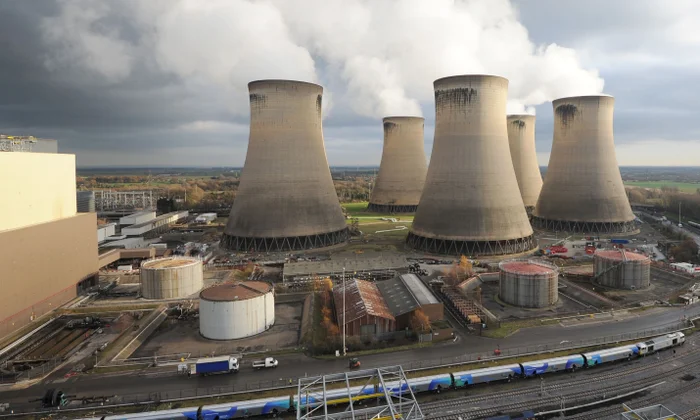
Drax has begun shaping a new chapter in its long industrial story as it moves to convert part of its North Yorkshire site into a modern datacentre by 2027. The plan signals a decisive shift for the energy company as rising demand for artificial intelligence creates pressure for greater computing capacity across the UK. The firm confirmed it has applied for planning permission to build a one hundred megawatt facility at its site near Selby, hoping to repurpose legacy assets created during its coal era in a way that supports the country’s digital expansion.

The proposed centre will take advantage of land, cooling networks and transformers that were previously tied to coal generation before the site moved to burning imported wood pellets. The first stage of the development will rely on electricity supplied directly from the UK grid, but Drax has suggested that future operations may be able to draw power from the plant itself. This approach would allow the company to maintain a steady demand for its own output at a moment when government support for its electricity generation faces renewed scrutiny.
The shift towards digital infrastructure arrives soon after a government announcement that subsidies for energy generation will be reduced from 2026 onwards. This change has prompted Drax to seek alternative ways to stabilise revenue over the long term. Its most recent trading update pointed to earnings at the top end of expectations, supported heavily by subsidies worth more than two million pounds per day. These payments have been central to the ongoing operation of biomass units that the company claims offer renewable power, despite persistent criticism from environmental groups and regulators.
The government has argued that previous subsidy arrangements did not offer value for money to households and allowed Drax to achieve what were described as unacceptably high profits. As part of the updated framework, the company now faces the requirement to use woody biomass from fully sustainable sources. This requirement raises the threshold from seventy percent to one hundred percent, creating a significant shift in regulatory expectations. The measure aligns with efforts to reduce reliance on material that may originate from vulnerable forest areas far beyond the UK.
The questions surrounding Drax’s biomass supply have continued to gather force in recent months following several detailed investigations into the sourcing of its wood pellets. Forestry specialists working with an independent review outlined evidence that the company may have burned trees up to two hundred and fifty years old taken from some of Canada’s oldest forests. These claims appeared in a report that renewed pressure on the company’s long-standing sustainability narrative. The findings built on earlier work reported by the BBC in 2022, which described similar concerns about old growth trees being included in supply chains that Drax had maintained were sustainable.
The matter has also drawn the attention of regulators. The Financial Conduct Authority opened an investigation earlier this year into what it described as historical statements made by Drax concerning its sourcing practices. The inquiry seeks to determine whether the company followed disclosure rules and maintained transparency when communicating with investors and the public. The outcome of the investigation is still pending, and there is significant interest in how the regulator’s conclusions might influence future policy around energy generation and corporate reporting.
Another major contribution to the debate came from Stand.earth, a Canadian environmental organisation that released a report suggesting Britain’s largest power station likely continued to source material from ecologically valuable forests as recently as this summer. The report argued that the company pursued further subsidies even as these sourcing issues persisted, raising additional questions about the alignment between its public commitments and its procurement decisions. These concerns have resonated widely, particularly in regions of Canada where communities and conservationists have long advocated for stronger protection of ancient woodland.
Drax rejected the claims in a formal filing to the United States market after the report became public. The company insisted that it draws biomass only from responsibly managed and sustainable forests and that it does not use material from designated old growth areas. It pointed out that such designated regions make up less than half of the total old growth forest coverage in British Columbia, an assertion that has done little to ease debate among environmental groups pressing for clearer definitions and stronger oversight. The tensions highlight the complexities that surround global biomass supply chains, where certification systems and ecological thresholds can differ significantly by region.
The company’s new datacentre plan has emerged against this backdrop of environmental scrutiny and evolving energy policy. The shift towards digital infrastructure presents an opportunity for Drax to diversify while potentially reducing dependence on controversial biomass operations. The rise of artificial intelligence has created an urgent need for large-scale computing facilities, and the UK has been seeking locations capable of supporting the enormous power and cooling requirements demanded by advanced data processing technologies. With its extensive site and existing infrastructure, Drax may be positioned to serve this growing market in a way that aligns with national aspirations for technological leadership.

Communities in North Yorkshire may view the new project as a way to sustain economic activity at a site that has undergone repeated transformations over recent decades. The move away from coal generation marked a major industrial change, and the renewed push towards a digital future could help the region remain central to the country’s evolving energy and technology landscape. Supporters believe such a development could create skilled jobs while ensuring that the site remains productive long after conventional energy production becomes less viable. Critics, however, have raised concerns that datacentres can place pressure on local electricity networks and water systems. They also question whether the shift contributes meaningfully to long-term sustainability goals.
As the company advances with its proposed datacentre, its ability to balance these competing interests will shape both public perception and policy engagement. The decision to repurpose parts of a major power station for digital use reflects broader global trends, as many countries explore ways to modernise former industrial sites. Such adaptations often require careful planning to ensure that technological expansion does not conflict with environmental responsibilities or local resource needs. For Drax, the path forward is likely to involve continued negotiation with regulators as well as transparent communication with the communities surrounding its operations.
The next stage for the project depends on planning approval, detailed operational design and long-term integration with the national grid. If the facility moves ahead as proposed, it could become a notable example of how legacy energy infrastructure can evolve to serve rapidly expanding digital demands. The company hopes that a fully operational datacentre will help stabilise long-term revenue, provide resilience amid policy changes and demonstrate that large industrial sites can adapt to new economic climates. Whether the development will alter the ongoing debate around Drax’s environmental impact remains unclear, but the project marks a significant turn in its strategy as the UK continues its transition to a more diverse and technologically driven energy system.
Related News:
 UK Must Act with Courage and Clarity on Israel-Palestine Conflict, Says Foreign Affairs Committee Report
 The Ketamine Crisis in the UK is a Silent Epidemic Leaving Users with Lifelong Pain
 London Set to Honour Euro 2025 Champions as Lionesses Take Victory Parade Through the Capital
 Targeted Attack in Bury Sparks Murder Investigation as Community Awaits Justice
 Princess of Wales Launches Animated Video Series to Support Early Childhood Development
 Heartbreak in the New Forest as Shetland Ponies Vanish, Community on Edge
 Radioactive Leak at UK’s Nuclear Warhead Base Sparks Outcry Over Safety and Secrecy
 Fire Contained at Edinburgh’s Arthur’s Seat After Overnight Battle by Firefighters
 Premier League Supercomputer Predicts Tough Season for Man Utd Amid Three-Team Title Battle
 Mystery Wallaby Spotted on Norfolk-Suffolk Border Sparks Police Appeal
 UK Weather: Heat Alerts Extended as Temperatures Set to Reach 30°C This Weekend
 Terence Stamp, ’60s British Film Legend and Star of Superman, Dies at 87
 Merseyside Police Helicopter Crew Cleared After Low-Altitude Pursuit of Suspect
 Is the UK Ready to Put Boots on the Ground in Ukraine? Assessing Military Capacity and Challenges
 Education Leaders Call for End to Compulsory GCSE Resits in English and Maths
 Police Scotland Spends £500,000 Compensating Officers Over Trump Visit
 Thousands of New School Nursery Places to Be Rolled Out Across England
 Urgent Action Needed on Windrush Compensation as Survivors Speak of “Waiting to Die”
 Tanni Grey-Thompson Faces Abuse Over Opposition to Assisted Dying Bill
 Rising Food Bank Dependence Highlights Deepening Hardship Across the UK
 Birmingham Bin Strike Enters Sixth Month as Negotiations Stall
 TfL Invites RMT to Resume Talks as London Tube Strikes End
 Over 40% of Private Renters Forced to Ration Energy to Afford Bills, Study Reveals
 Systemic Racism in Maternity Care Continues to Endanger Black Women in England, MPs Warn
 One in Three GPs in England Do Not Work in NHS, Raising Concerns Over Access to Care
 Northern Ireland Faces Fears of Prolonged Race Riot “Permacrisis”
 Nigel Farage Unveils Controversial Immigration and Welfare Plans at Reform UK Press Conference
 Great Britain’s Energy Operator Commits to Strengthening Grid to Prevent Blackouts
 Scottish Teenager’s Petition on Single-Use Plastics Gains Parliamentary Support
 White Low-Income Pupils in England Show Lowest Levels of School Engagement, Study Finds
 Ed Miliband Warns UK Government on X, Citing Elon Musk as a “Dangerous Influence”
 No Evidence Found to Substantiate Alleged Rape in Oxfordshire Churchyard, Police Confirm
 Questions Remain as Rugby Legend Lewis Moody Faces Motor Neurone Disease Diagnosis
 UK House Price Growth Slows as Buyers Exercise Caution Ahead of Autumn Budget
 Kemi Badenoch Unveils ‘Golden Rule’ to Halve Spending Cuts for Deficit Reduction at Tory Conference
 Massive London Poundland Fire Engulfs High Street
 Sussexes Warn on Children’s Phone Use Echoing Princess of Wales
 UK Rules Out Troop Deployment to Monitor Gaza Ceasefire, Pledges Diplomatic and Financial Support
 Paedophile Singer Ian Watkins Dies After Prison Attack
 Prince Andrew told Epstein “we are in this together”
 Former Premier League Referee David Coote Pleads Guilty to Child Image Offence
 DNA Test Confirms Alleged Stalker Is Not Madeleine McCann
 UK border officers deployed to Balkans to tackle migrant smuggling
 UK MPs warn of repeat riots over online misinformation
 New V-Level qualification to transform post-16 education
 Son of ex-England footballer dies in tractor crash
Giuffre’s bombshell memoir names Prince Andrew 88 times in shocking revelations
Son of ex-England footballer dies in tractor crash
Giuffre’s bombshell memoir names Prince Andrew 88 times in shocking revelations
 Real living wage set to rise nearly 7% for UK workers in 2026
 UK Campaigners Launch Bill to Grant Legal Rights to Nature
 M&S and Morrisons Lead Christmas Supermarket Taste Test
 New Prostate Cancer Drug Set to Halve Death Risk in England
 Brentford 3-2 Liverpool: Reds suffer fourth straight PL defeat
 Army Barracks to House Migrants as Hotels Phase Out
 Peterborough Mosques Tighten Security After Attack
 Reeves Faces Setback as Labour May Miss Homes Target
 Kate Winslet to Narrate Film Highlighting King’s Environmental Mission
 Trump’s UK Ambassador Urges North Sea Drilling to Strengthen US Ties
 French Taxi Driver Cleared in David Lammy Theft Case After Fare Dispute
 UK Bans Fake Numbers: Scammers Lose Their Trick
 M&S Profits More Than Halve After Cyber-Attack
 Kent village told to remove flags before Christmas lights go up
 Patients to Test Health at Home to Ease NHS Winter Pressure
 I’m a Celebrity 2025 line-up revealed: Osbourne joins
 Palace May Restore Hyphen to Andrew Mountbatten-Windsor’s Name
 Millionaires group urge Reeves to introduce wealth tax to ‘lift kids out of poverty’
 Shouting Works Best to Deter Gulls, UK Study Finds
 Reeves rejects £1bn plea for NHS redundancy payouts
 Northern Lights may illuminate UK skies this week
 PM Condemns Leaks, Vows Loyalty to Ministers and Stability
 Major Rent Reform Ends No-Fault Evictions in England
 Criminal Gangs Pose as Truckers to Hijack UK Supply Chains
 Stroke Patient Mistaken for Drunk, Care Delayed
 Van Dwellers Face Eviction After Park Misuse Sparks Outcry
 Royal Navy Shadows Russian Warships Entering the Channel
 Inside the Helpline Protecting Missing Children in the UK
 Boots Showstopper Beauty Bundle Outshines Many Advent Calendars This Holiday Season
 PlayStation PS5 Deals Hit Lowest Prices Ahead of Black Friday
 Five-Year-Old Dies After Rare Tonsil Surgery Complication
 Starmer Says Labour’s Economic Plan Needs Years to Deliver
 England delays four mayoral elections amid criticism