Published: 23 December 2025. The English Chronicle Desk. The English Chronicle Online.
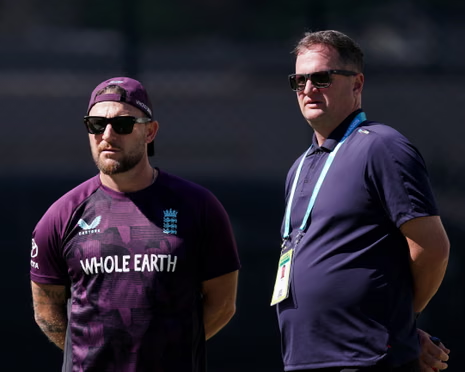
Rob Key, England’s team director, has pledged to investigate reports of excessive drinking during the team’s mid-Ashes tour break in Noosa. Following England’s 3-0 series deficit against Australia, the focus has shifted from on-field performance to off-field conduct, prompting scrutiny over whether a four-night Queensland holiday was appropriate amid a critical series. Key confirmed he would examine claims that the break resembled a “glorified stag do,” reflecting growing concern about the players’ discipline during downtime.
The mid-series pause came after England’s eight-wicket defeat in Brisbane, with several players reportedly spending six days drinking. Key, however, defended the principle of allowing the squad a break, citing the demanding international schedule and intense media pressures inherent in Australian Test cricket. “If there’s evidence that our players went out and drank excessively, we’ll look into it,” Key said, emphasizing that he personally does not drink and would expect professional behaviour from an international squad.
He added that enhanced security measures and oversight had been implemented to monitor player conduct. “Everything I’ve heard so far indicates players had lunch, dinner, and an occasional drink without late-night outings, which I don’t mind,” Key noted, suggesting that reports may have been overstated. Previous incidents, such as photographs of white-ball captain Harry Brook and Jacob Bethell drinking before the final one-day international in New Zealand, had already raised questions about player responsibility.

Key underscored that the break was designed to allow multi-format players, including Brook and Jofra Archer, to decompress between fixtures. “It’s important for these players to live a normal life during packed seasons, but if it turns into excessive drinking, that’s unacceptable,” he stated. While he condemned a drinking culture, Key defended Noosa as an opportunity to relax, emphasizing that downtime can include disconnecting from phones, enjoying beaches, and spending quality time away from cricket pressures.
On-field performance also came under scrutiny. Key acknowledged Australia’s superior bowling attack and suggested England may have persisted with some players too long. Although no names were directly mentioned, speculation surrounds Ollie Pope potentially missing the Boxing Day Test. Early-season white-ball cricket in New Zealand may have also affected players like Ben Duckett, highlighting how scheduling challenges can influence readiness for Test cricket.
Preparation logistics in Australia were also addressed. England had options to train at either Adelaide or Perth club grounds, ultimately choosing Perth. Access to the Waca Ground, used by India the previous year, was not available, though Key stressed that even with this facility, outcomes could have remained unchanged.
Regarding his own position and that of head coach Brendon McCullum, Key emphasized that decisions now rest with senior ECB officials. “You don’t mind losing; the regret is not performing at your best. The ECB will decide whether to evolve or restart, and we may or may not continue,” he said. Key defended McCullum, citing his coaching success over the last four years, while acknowledging that major series disappointments, including the 2023 Ashes and last summer’s India draw, remain unresolved challenges.
Key concluded by stressing that evolution within the team structure is essential. “There’s plenty of life in this squad, but we must ensure improvement and better execution moving forward. These decisions are often beyond our control,” he said. The investigation into the Noosa break will be part of a broader review aimed at understanding both performance and professionalism in high-pressure international environments.
Related News:
 Tottenham shine at Everton but Frank wary of title push
 Matty Cash seals Villa win as City falter again at Villa Park
 Sarr Double Sinks Young Liverpool in Carabao Cup
 Nwaneri and Saka Secure Arsenal Win Over Brighton
 Woltemade Hot Streak Fires Newcastle Past Spurs
 Kieffer Moore Hat-Trick Ends Coventry’s Unbeaten Run
 Salah & Gravenberch Lead Liverpool to Win Against Villa
 Dyche Criticises Corner Decision as Forest Draw with United
 Caicedo Shines as Chelsea Edge Spurs in Chaotic Derby
 Granit Xhaka Rescue Earns Everton Draw at Sunderland
 Liverpool Edge Real Madrid 1-0 in Champions League Thriller
 Van de Ven Stunner Lifts 10-Man Spurs to UCL Glory
 Merino Shines as Arsenal Beat Slavia 3-0 Without Gyokeres
 Burn and Joelinton Head Newcastle to Victory Over Bilbao
 Foden shines as Man City dismantle Dortmund in dominant display
 Garnacho Spares Chelsea From Shock Champions League Loss in Baku
 Tension and Turmoil at Aston Villa v Maccabi Match
 Bellingham has ‘the edge’ among England No 10s
 Arteta Left Frustrated as Sunderland Deny Arsenal Late Win
Chelsea Cruise Past Wolves to Go Second in the Premier League
Man City Masterclass on Guardiola’s Milestone Day Exposes Liverpool Woes
Arteta Left Frustrated as Sunderland Deny Arsenal Late Win
Chelsea Cruise Past Wolves to Go Second in the Premier League
Man City Masterclass on Guardiola’s Milestone Day Exposes Liverpool Woes
 Lando Norris Dominates Brazil GP to Strengthen F1 Title Bid
 England cannot afford to be in awe of the All Blacks, warns Jamie George
 VAR Must Rein Its Neck In to Save Football’s Spirit
 Trescothick Hints Pope Will Keep Number Three Spot
 Ronaldo Confirms Final World Cup and Plans Retirement
 Mary Earps’s Manchester United Return Faces Mixed Reception
 Sam Kerr Stars in Chelsea Return with Champions League Double
 This kid is something else: Alex Scott’s rise to England call-up
 UK and Ireland Announce Venues for Euro 2028 Tournament
 Anthony Joshua Faces Backlash Over Proposed Jake Paul Fight
 England Maintain Perfect World Cup Qualifying Record with Win Over Serbia
 Ronaldo’s Red in Dublin Sparks Managerial Debate and Drama
 Saka Solidifies Role as Tuchel’s Key England Lieutenant
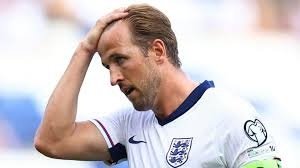 Former Lion Heskey Warns of Shortage of England Strikers
 Osimhen doubles as Nigeria reach CAF World Cup final
 Tears of Joy as Ireland Stun Hungary to Stay in World Cup Race
 Australia Mourns Paralympic Champion Paige Greco
 Troy Parrott Hat-Trick Sends Ireland to World Cup Play-Offs
 Haaland Heroics and Portuguese Rampage Seal World Cup Qualification
 Irish Hero Parrott Says Goal Brought First Tears in Years
 Scotland Fans Reflect on France ’98 as World Cup Looms
 Nigeria Misses World Cup Again After Play-Off Loss
 Mark Wood Bowls Rapid Nets Spell, Ashes Test Hopes Rise
 Cardiff Nights Could Propel Wales to World Cup Glory
 Germany and Netherlands Confirm Places in 2026 World Cup
 Spain Qualify for 2026 World Cup After Dramatic Draw
 Scotland End 28-Year Wait With Stunning World Cup Qualification
 Cristiano Ronaldo Joins Trump, Bin Salman at State Dinner
 From heartbreak to glory: Scotland’s dramatic return to the World Cup
 Tiny Curacao Makes History as Smallest Nation to Reach World Cup
 Haiti Qualifies for World Cup Despite Coach Never Visiting Country
 Scotland Fans Celebrate Historic World Cup Qualification
 Major League Baseball Scores New Broadcast Deals Through 2028
 Barcelona Returns to Camp Nou vs Athletic Bilbao
 Rogers Double Aston Villa as Leeds Slip Deeper into Trouble
Eze Hat-Trick Stuns Spurs in Dominant Arsenal Derby Win
Rogers Double Aston Villa as Leeds Slip Deeper into Trouble
Eze Hat-Trick Stuns Spurs in Dominant Arsenal Derby Win
 Moyes Defends Gueye After Dramatic Everton Bust-Up
 Rookie Driver Hollie McRae Flips Car but Walks Away Safe
 Chelsea Dominates Barcelona with 3-0 Champions League Win
 India, Pakistan to Clash in T20 World Cup 2026 Group Match
 Kids Football Coach Removed Over Suspected ‘Drugs Menu’
 Mbappe Scores 4 as Real Madrid Edge Olympiakos
 Man City Lose, Champions League Risk
 Gerrard warns Liverpool’s terrible run could worsen
 Jac Morgan to Miss Six Nations Start After Surgery
 Alexander Isak ends drought as Liverpool stop rot with win at West Ham
 Mbappe rescues Real Madrid with a penalty at Girona
 Barcelona, Atletico set for decisive La Liga showdown
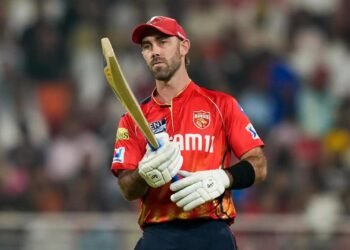 Maxwell withdraws from IPL 2026 after 13 seasons
 Barcelona Come From Behind to Beat Atletico 3-1
 Mbappe stars as Real Madrid thrash Athletic, close on Barca
 Trump to attend 2026 FIFA World Cup draw in Washington
 Wales hits 20,000-strong milestone in women’s football
 Norris Edges Verstappen in Abu Dhabi GP Practice
 2026 World Cup Draw Explained Ahead of Ceremony
 Australia Face Big Changes as Cummins and Lyon Ruled Out of Ashes
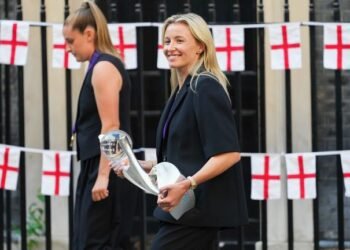 London Set to Honour Euro 2025 Champions as Lionesses Take Victory Parade Through the Capital
 Singapore Corruption Scandal: Details Emerge on Iswaran’s Luxury Flight and Ties to Tycoon Ong Beng Seng
 Premier League Supercomputer Predicts Tough Season for Man Utd Amid Three-Team Title Battle