Published: 31 December 2025. The English Chronicle Desk. The English Chronicle Online.
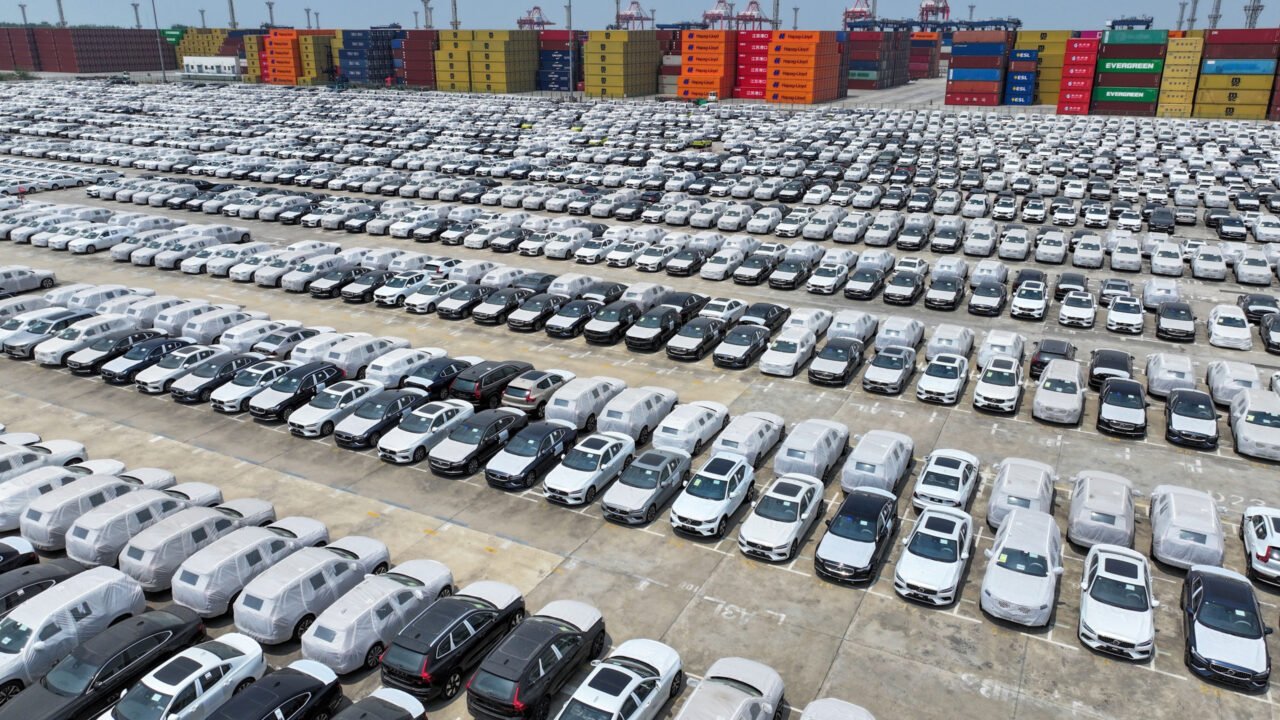
Chinese cars are forecast to make up one in every ten new vehicles sold in the UK during 2025, highlighting a rapid rise in market presence. Analysts say the surge in Chinese car sales, including brands like MG, BYD, and Chery, is reshaping the UK automotive landscape. According to Matthias Schmidt, an expert in European electric vehicles, Chinese manufacturers are poised to surpass 200,000 sales in Britain this year, meaning Chinese cars could capture 10% of total market share.
Across western Europe, Chinese vehicles are gaining traction, with Spain and Norway also recording approximately a tenth of new car purchases from Chinese brands. This trend reflects China’s dominance in electric vehicle (EV) production, backed by extensive government subsidies, lower manufacturing costs, and control over critical lithium-ion battery supply chains. Analysts warn that European countries risk losing automotive jobs if domestic brands fail to compete effectively with Chinese imports.

Norway has seen the highest EV adoption, largely due to strong purchase incentives, whereas the UK market growth includes both hybrids and fully electric Chinese models. Tu Le, founder of Sino Auto Insights, noted that Chinese manufacturers are approaching Europe strategically, identifying regions receptive to their vehicles while navigating local resistance. The UK’s tariff-free approach to Chinese imports has created a prime opportunity for these brands, allowing them to expand market share rapidly.
The Society of Motor Manufacturers and Traders reported 187,800 Chinese-brand cars sold in the UK during the first eleven months of 2025, doubling the previous year’s total. Schmidt emphasized that the UK lacks domestic mass-market champions, leaving space for Chinese brands to dominate. With Rover defunct and Vauxhall integrated into Stellantis, Chinese cars fill the gap for UK consumers unable to engage in patriotic purchasing choices.
Japanese manufacturers, including Nissan and Toyota, have experienced declines in UK market share despite local production. Honda and Suzuki also saw reduced sales, while Mitsubishi exited the UK market entirely. Meanwhile, EU tariffs on electric vehicles, ranging from 17% to 38%, have limited pure electric car competition but left hybrids largely untaxed, enabling Chinese brands to undercut European competitors.

Analysis shows less than 40% of Chinese-brand vehicles entering western Europe during late 2025 were fully battery electric. EU regulatory adjustments now permit 10% of car sales to include internal combustion engines after 2035, softening the previously strict electric vehicle ban. European manufacturers argued that continued petrol and diesel sales are essential to fund the transition to battery vehicle production.
Industry experts warn that delaying Europe’s EV transition could allow Chinese manufacturers to extend their competitive lead. Schmidt projects Chinese car market share across Europe could approach 10% between 2028 and 2030, with their battery vehicle market presence peaking at 13%. This rapid growth highlights the increasing influence of Chinese automotive technology, design, and pricing strategies across the continent.
The rising popularity of Chinese vehicles in the UK reflects both cost efficiency and innovative approaches to hybrid and electric models. Analysts predict continued growth in the coming years, driven by competitive pricing, government support, and consumer openness to alternative brands. With no significant domestic alternatives, Chinese cars are filling a void in the UK market, signaling long-term changes in automotive buying behaviour and industry dynamics. The trend underscores China’s growing clout in the global automotive sector and suggests that European manufacturers must adapt quickly to remain competitive.
Related News:
 Tories Push to Dilute Labour’s Workers’ Rights Bill
 CMA Flags Concerns Over Greencore-Bakkavor Merger
 Derby Bounce Centre to Close Amid Car Park Dispute
 P.Louise Christmas Event Cancelled in Manchester
 Reeves Faces Setback as Labour May Miss Homes Target
 Aston Martin cuts £300m investment as Trump tariffs and weak China demand hit profits.
 Virgin Trains Moves Closer to Challenging Eurostar Monopoly
 Wales May Introduce Four-Day Work Week After Elections
 UK Small Business Owner to Challenge L’Oréal in Tribunal
 Trump’s UK Ambassador Urges North Sea Drilling to Strengthen US Ties
 150-Year-Old Arctic Beer to Be Reborn in Scotland
 Ryanair Chief UK Economy ‘Doomed’ Under Labour
 Court Hears Challenge Over Water Bills Funding Sewage Fixes
 London bagel shop tops Deliveroo’s global orders list
 ABF May Split Primark from Food Division Amid Tough Market
 Rachel Reeves Set to Break Labour Pledge and Raise Income Tax
 UPS Cargo Plane Crash in Kentucky Kills Seven
 Thinktanks Urge Rachel Reeves to Reform UK Tax System
 Gopichand Hinduja, UK’s Wealthiest Business Leader, Dies
 M&S Profits More Than Halve After Cyber-Attack
 Company linked to Michelle Mone owes £39m in tax
 Tony Blair think tank warns Rachel Reeves must cut taxes if manifesto broken
 Oprah enjoys Meghan’s jam on English muffins
MPs Press Rachel Reeves to Hike Gambling Taxes
Oprah enjoys Meghan’s jam on English muffins
MPs Press Rachel Reeves to Hike Gambling Taxes
 Earl of Yarmouth Faces £1.3m Legal Bill Over Family Estate
 NHS Takes Over Nuffield Hospital in ‘Windfall’ for London Care
 North Sea oil workers must lose weight or face job loss
 Cuts to home insulation funding threaten UK climate goals
 US private equity set to acquire UK online retailer Very Group
 Warning as Britons prepare to spend £4 billion this Black Friday
 Troubled drinks giant Diageo names former Tesco boss to lead turnaround push
 Millionaires group urge Reeves to introduce wealth tax to ‘lift kids out of poverty’
 From Lego to Pokémon: How Adults Are Driving UK Toy Market Growth
 Taylor Wimpey Sales Drop Amid Budget Uncertainty
 Borough Market Clash Sparks Influencer Backlash
 UK toy market enjoys bumper year as ‘kidults’ fuel demand
 New laws to bolster UK’s defences against cyber attacks on NHS, transport and energy
 Skims Eyes Global Expansion After Reaching $5 Billion Value
 US Strikes Last Penny After 230 Years of Production
 Switzerland Rolls Out Charm Offensive to Cut Trump’s 39% Tariffs
 Trump Moves to Cut Coffee and Banana Tariffs in Latin America Deals
 Reeves’s Tax U-Turn Triggers Fresh Jitters in UK Markets
 Global markets drop amid tech sell-off and China slowdown
 Canada Passes Carney’s First Budget in Tight Parliamentary Vote
 UK Rejects Funding to Save Mossmorran Plant
 Nvidia Soars as Blockbuster Earnings Silence AI Bubble Fears
 PM Highlights UK Business at G20 in South Africa
 Eurotunnel Investment Halted as UK Rates Soar
 Mossmorran Plant Closure Hits Cowdenbeath Hard
 UK Energy Bills to Rise Slightly in January
 UK Government Borrowing Higher Than Expected
 Netherlands Suspends Nexperia Takeover Amid China Talks
 UK Taskforce Unveils Plan to Streamline Nuclear Reactor Rules
 Steel billionaire Lakshmi Mittal reportedly leaves UK
 Minister Denies Budget Leaks Have Harmed UK Economy
Budget 2025: Reeves Drops Economic Growth Reference
Minister Denies Budget Leaks Have Harmed UK Economy
Budget 2025: Reeves Drops Economic Growth Reference
 Expanded Version – Black Friday Shoppers Warned Over ‘Dud Deals’
 English Mayors Set to Introduce Tourist Taxes
 India’s Labour Law Overhaul Sparks Fierce Debate
 Carney’s Alberta Pipeline Deal Sparks Immediate Pushback
 EU reviews Apple Ads and Maps under strict digital rules
 Black Friday Footfall Falls as UK Shoppers Hold Back Amid Economic Concerns
 Starmer Says Labour’s Economic Plan Needs Years to Deliver
 Virgin Media Fined £23.8m Over Telecare Safety Failures
 Rising Water Bills Lift Troubled Thames Back to Profit
 Tesla Warns UK That Weak EV Rules Could Threaten Sales
 Prada buys Versace for $1.38bn, expanding luxury fashion empire
BBC bosses ‘right to stick by their guns’ against Trump, says minister
Prada buys Versace for $1.38bn, expanding luxury fashion empire
BBC bosses ‘right to stick by their guns’ against Trump, says minister
 Closer EU Trade Ties ‘Strategic Necessity’ for UK Firms
 Bet365 Boss Nets £280m Despite Profit Drop
 BP agrees £7.4bn Castrol sale to US investment firm
 Sainsbury’s CEO leads business honours in New Year list
 Kate Winslet to Narrate Film Highlighting King’s Environmental Mission
 UK Bans Fake Numbers: Scammers Lose Their Trick
 Vibe coding’ named Collins dictionary’s word of the year
BBC to Apologise Over Edited Trump Speech Amid Backlash
Vibe coding’ named Collins dictionary’s word of the year
BBC to Apologise Over Edited Trump Speech Amid Backlash
 Reeves rejects £1bn plea for NHS redundancy payouts
 PM Condemns Leaks, Vows Loyalty to Ministers and Stability
 Phillipson Accused of Appeasing Unions by Diluting EBacc
 Saka Solidifies Role as Tuchel’s Key England Lieutenant