Published: 02 January 2026. The English Chronicle Desk. The English Chronicle Online.
A powerful UK cold snap has tightened its grip across Britain, ushering in widespread snow, ice, and freezing temperatures at the very start of 2026. The UK cold snap is being driven by bitter Arctic air pushing westward from Scandinavia, creating hazardous conditions that are expected to affect daily life, transport networks, and public health for several days. Forecasters say the UK cold snap will be one of the most disruptive winter episodes seen in recent years, particularly for northern regions.
From Scotland to southern England, communities are bracing for heavy snowfall, icy roads, and plunging overnight temperatures. The Met Office has confirmed that snow is forecast across all four UK nations, with the most severe impacts expected between Friday and Saturday. In higher parts of northern Scotland, especially the Highlands, snowfall totals could reach exceptional levels, bringing blizzard conditions and the rare phenomenon of thundersnow.
Meteorologists have warned that parts of the Scottish Highlands may see up to 40 centimetres of snow on elevated ground, while lower-lying areas could still receive between 10 and 20 centimetres. This intense phase of the UK cold snap is expected to persist as cold air remains locked over the country, preventing temperatures from recovering quickly.

Further south, Wales and central England are likely to experience a mix of rain, sleet, and hill snow as the weather system pushes southwards. These conditions are expected to freeze overnight, creating widespread icy surfaces and increasing the risk of accidents. While snowfall in southern regions may be lighter, forecasters stress that ice will pose a significant danger during the early mornings and late evenings.
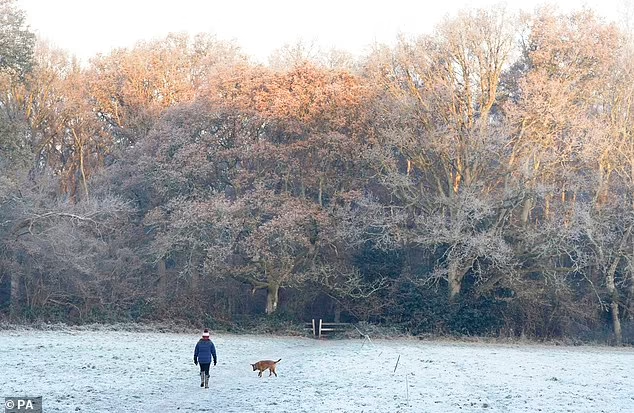
Northern Scotland is expected to see snow showers continuing well into the weekend, while much of England and Wales will experience clearer but frosty conditions. Overnight temperatures have already dropped sharply, with New Year celebrations taking place under sub-zero conditions in many areas. In Bournemouth, temperatures fell to minus 6.2 degrees Celsius, while Cardiff recorded minus 2.5 degrees, highlighting the widespread reach of the UK cold snap.
The Met Office attributes the prolonged wintry conditions to a strong flow of Arctic air moving across the UK from Scandinavia. This pattern is expected to remain stable for several days, keeping temperatures well below average for early January. Forecasters say daytime temperatures may struggle to rise above freezing in some areas, particularly where snow cover reflects sunlight and maintains the cold.
Transport authorities are preparing for significant disruption as the UK cold snap intensifies. Rail operators have warned of delays and possible cancellations due to frozen points, snow-covered tracks, and reduced train speeds. Airports are also monitoring conditions closely, with de-icing operations likely to cause delays at several major hubs. Road users are being urged to exercise caution, as icy surfaces and drifting snow may make driving treacherous, especially in rural and elevated areas.
Police Scotland has issued strong advice to motorists, urging them to reconsider non-essential travel during the worst of the weather. Chief Superintendent Scott McCarren, head of road policing, stressed that road closures are implemented only when absolutely necessary. He warned that ignoring closures could place drivers and emergency services at serious risk during the UK cold snap.
Rural communities, particularly in northern Scotland, may face isolation if roads become impassable. Local authorities have activated winter resilience plans, including the deployment of gritters and snowploughs, but officials acknowledge that extreme snowfall may still overwhelm resources in some locations. Residents are being encouraged to check supplies and look out for vulnerable neighbours.
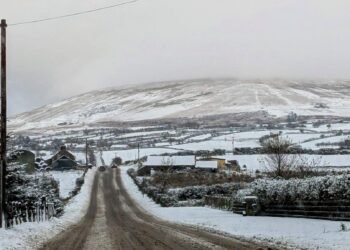
Weather warnings remain in force across large parts of the country. Amber warnings for snow have been issued for northern Scotland, including the Highlands and areas around Aberdeen, indicating a high likelihood of severe disruption. Yellow warnings for snow and ice extend across much of the Highlands, Northern Ireland, Wales, and significant parts of England. These alerts highlight the broad geographical impact of the UK cold snap.
Despite the severity of the current conditions, forecasters suggest that the worst disruption should ease by early next week. This timing is significant, as schools are due to reopen and many people are expected to return to work after the holiday period. However, officials caution that lingering ice and cold temperatures could continue to cause localized problems even after snowfall subsides.
Health authorities have raised serious concerns about the impact of the UK cold snap on the National Health Service. After an already demanding winter period, hospitals and emergency services are preparing for increased pressure as cold-related illnesses rise. The UK Health Security Agency has issued amber cold health alerts for every region of England, effective until 10am next Tuesday.

Dr Paul Coleman, a health protection consultant with the agency, warned that prolonged exposure to low temperatures can have severe consequences. He explained that older people and those with existing health conditions are particularly vulnerable during a UK cold snap. Cold weather increases the risk of heart attacks, strokes, and respiratory infections, placing additional strain on healthcare services.
Public health officials are urging people to take practical steps to stay warm and safe. Keeping homes adequately heated, wearing layered clothing, and limiting time outdoors during the coldest periods are strongly advised. Communities are also being encouraged to check on elderly neighbours, relatives, and anyone living alone, ensuring they have adequate heating and supplies.
Energy providers are monitoring demand closely, as colder weather typically leads to higher energy consumption. While no widespread power outages have been reported so far, authorities acknowledge that heavy snow and ice can damage infrastructure. Engineers remain on standby to respond quickly to any issues arising from the UK cold snap.
As Britain adjusts to the frozen start of 2026, the coming days will test the country’s winter preparedness. While snow and ice are familiar features of UK winters, the scale and intensity of this cold spell have renewed calls for caution, cooperation, and community support. Forecasters continue to monitor conditions closely, providing regular updates as the UK cold snap unfolds.
For now, residents are being urged to stay informed, travel only when necessary, and take the cold seriously. With Arctic air firmly in place, winter has made its presence unmistakably felt across the nation.
Related News:
 Peterborough Mosques Tighten Security After Attack
 Reeves Faces Setback as Labour May Miss Homes Target
 Hospice Cuts Raise Alarm Across England Amid Funding Crisis
 UK Woman Loses Child Benefit After Booking Flight She Never Took
 Kate Winslet to Narrate Film Highlighting King’s Environmental Mission
 Green Party Surges Past Labour in Latest UK Poll
 Celebrities and Charities Demand UK Government Act on Child Poverty
 Trump’s UK Ambassador Urges North Sea Drilling to Strengthen US Ties
 Children to Learn Local History in Major Curriculum Overhaul
 FBI Director Kash Patel Defends Girlfriend Amid Government Jet Claims
 Granit Xhaka Rescue Earns Everton Draw at Sunderland
 French Taxi Driver Cleared in David Lammy Theft Case After Fare Dispute
 The Lowry Hotel: Manchester’s Iconic Five-Star Retreat
 UK Bans Fake Numbers: Scammers Lose Their Trick
 Prince William Plants Trees with Brazil’s Nature Heroes
 Top Christmas Books Reads: Classics to Cozy Romcoms
 M&S Profits More Than Halve After Cyber-Attack
 Just Stop Oil Protesters Convicted Amid Climate Defence Row
 Greta Thunberg Backs Student Facing UK Visa Revocation
 Kent village told to remove flags before Christmas lights go up
 Tony Blair think tank warns Rachel Reeves must cut taxes if manifesto broken
 Pauline Collins, Beloved ‘Shirley Valentine’ Star, Dies at 85
 Patients to Test Health at Home to Ease NHS Winter Pressure
 London’s Childlessness Crisis: Schools Closing as Families Shrink
 Bellingham has ‘the edge’ among England No 10s
 King Charles to Lead Nation in Remembrance Sunday Service
 Man City Masterclass on Guardiola’s Milestone Day Exposes Liverpool Woes
 How to get help when a child goes missing – call 999 urgently
 ‘Reckless’ cuts to victims’ services will cost more than they save
 Palace May Restore Hyphen to Andrew Mountbatten-Windsor’s Name
 Millionaires group urge Reeves to introduce wealth tax to ‘lift kids out of poverty’
 Starmer Faces Growing Dissent as Labour MPs Weigh Leadership Challenge
 VAR Must Rein Its Neck In to Save Football’s Spirit
 Shouting Works Best to Deter Gulls, UK Study Finds
 Mary Earps’s Manchester United Return Faces Mixed Reception
 Reeves rejects £1bn plea for NHS redundancy payouts
 Binman killed in lorry crash in Leominster
 Northern Lights may illuminate UK skies this week
 Politics latest: Starmer ‘will fight any leadership coup’ as Streeting denies attempt to oust Labour PM
 PM Condemns Leaks, Vows Loyalty to Ministers and Stability
 Son Reveals UK Couple in Iran Resort to Hunger Strike for Help
 Major Rent Reform Ends No-Fault Evictions in England
 Peers Flood Assisted Dying Bill with 942 Amendments
 Former Lion Heskey Warns of Shortage of England Strikers
 Global markets drop amid tech sell-off and China slowdown
 Criminal Gangs Pose as Truckers to Hijack UK Supply Chains
 Mum Calls for New Licence Rules After Teen Road Death
 Stroke Patient Mistaken for Drunk, Care Delayed
 Mother Watches in Horror as Teen Daughter Dies on Tracks
 Van Dwellers Face Eviction After Park Misuse Sparks Outcry
 ‘Traumatic Wait’: Northern Ireland Women Face Breast Cancer Delays
 Commuters warned as yellow snow and ice alert hits Northern Ireland
 Serial Rapist and Former Cop Found Guilty Again
 Mossmorran Plant Closure Hits Cowdenbeath Hard
 Royal Navy Shadows Russian Warships Entering the Channel
 Coffins Now Too Large to Cremate Amid Rising Obesity Crisis
 Inside the Helpline Protecting Missing Children in the UK
 Most Tories Expect to Support a Farage-Led Government
 HS2 woes leave Warwickshire village struggling with pollution
 Boots Showstopper Beauty Bundle Outshines Many Advent Calendars This Holiday Season
 Bill Murray Terrified Wes Anderson but Became His Closest Collaborator
 Labour’s ‘blinkered’ drive to build risks pushing wildlife to point of no return, nature experts warn
 Labour MP claims devolution bill is ‘blatant discrimination’ against Cornwall
 PlayStation PS5 Deals Hit Lowest Prices Ahead of Black Friday
 Karen Carney Stuns on Blackpool Week, Deserves Strictly Final
 Prisoner 951 Review: arrowing Retelling of Nazanin Zagharz-Ratcliffe
 Millions Face Higher Taxes Under Reeves New Budget
 Five-Year-Old Dies After Rare Tonsil Surgery Complication
 Fibromyalgia Patients Struggle as NHS Fails to Provide Care
 Search underway for British man overboard off Tenerife
 Starmer Says Labour’s Economic Plan Needs Years to Deliver
 Virgin Media Fined £23.8m Over Telecare Safety Failures
 More Patients Now Contacting GPs Online, Data Shows
 Rising Water Bills Lift Troubled Thames Back to Profit
 UK unemployment rises to four-year high of 5.1% before budget
 Culture secretary to review Telegraph takeover by Daily Mail owner
 Wiltshire Police Use Lasso to Catch Rampaging Village Goat
 Prince George Helps Father at London Homelessness Charity
 Stokes urges empathy for England players amid Ashes struggles
 Children to Receive Home Vaccines as England Acts