Published: 07 January 2026. The English Chronicle Desk. The English Chronicle Online.
The EU Weak Hand is becoming increasingly evident as Trump escalates actions in Venezuela and Greenland. European leaders faced a difficult challenge after the US raid on Caracas, which included bombers, helicopters, and special forces seizing President Nicolás Maduro. The EU’s public statements focused on consumer rights and travel protections rather than condemning the serious breach of international law, exposing its EU Weak Hand in global diplomacy. Analysts warn that such caution risks undermining Europe’s credibility in defending liberal democracy and multilateral norms.
 The raid on Venezuela prompted varied responses among European capitals. France’s Emmanuel Macron offered no sympathy for Maduro, while Germany’s Friedrich Merz described the legality of the operation as complex. Italy’s Giorgia Meloni framed the action as legitimate self-defence, whereas European Commission President Ursula von der Leyen reiterated the EU was “following the situation closely.” Only Spain’s Pedro Sánchez openly rejected an intervention violating international law, emphasizing adherence to global legal standards. This cautious approach reflects the EU Weak Hand and the difficulty of challenging a powerful ally like the US.
Meanwhile, Greenland has prompted a firmer stance. Denmark’s Prime Minister, Mette Frederiksen, clearly stated that the US has no right to annex Greenland, and Greenland’s leader Jens-Frederik Nielsen called Washington’s rhetoric “completely and utterly unacceptable.” France, Germany, Italy, Poland, Spain, and the UK collectively backed Denmark, affirming that decisions about Greenland’s future belong solely to its people. Analysts note this shows Europe can act decisively when sovereignty is directly threatened, even if EU Weak Hand dynamics persist in other situations.

Populist European voices have criticised government hesitation. Marine Le Pen declared that state sovereignty is inviolable, and Jordan Bardella condemned any external forcible regime change. Scholars argue that continued deference to US pressure undermines Europe’s global standing, warning that weak responses encourage further unilateral actions. Europe’s challenge remains balancing transatlantic security, adherence to international law, and internal cohesion while asserting influence without provoking conflict.
In conclusion, the EU Weak Hand is most apparent in Venezuela but contrasts with the firmer response over Greenland, showing selective assertiveness. European credibility depends on translating words into decisive policies, maintaining sovereignty, and defending multilateral norms in an increasingly complex international environment.
Related News:
 Shock US Raid: Maduro Pleads Not Guilty in Manhattan Court
 UK and France Agree Troop Deployment Plan for Ukraine
 British Woman in Iran ‘Losing Hope’ Amid Ongoing Detention
 BBC Journalist Held and Interrogated in Vietnam
 US Super-Rich Are Draining Planet’s Safe Climate Space
 UK University Suspends Human Rights Research Following Pressure from China
 UK University Faces Counter-Terror Probe Over China Pressure
 Top Christmas Books Reads: Classics to Cozy Romcoms
 World Whisky Tour: 9 Global Gems
 UPS Cargo Plane Crash in Kentucky Kills Seven
 Just Stop Oil Protesters Convicted Amid Climate Defence Row
 Tension and Turmoil at Aston Villa v Maccabi Match
 BBC to Apologise Over Edited Trump Speech Amid Backlash
 Lando Norris Dominates Brazil GP to Strengthen F1 Title Bid
 Britain deploys RAF specialists to assist Belgium with drone threats
 Palace May Restore Hyphen to Andrew Mountbatten-Windsor’s Name
 US Senate Passes Funding Bill to End Historic Shutdown
 Suicide Bombing at Islamabad Court Kills 12, Injures Dozens
 BBC’s Tim Davie to Address Staff Amid Trump $1bn Threat
 Ronaldo Confirms Final World Cup and Plans Retirement
 Ukraine-Russia war latest: Putin’s troops exploit bad weather to force Kyiv withdrawal from multiple towns
 Algeria Pardons French-Algerian Novelist Sansal After Year in Jail
 Hitler’s DNA Confirms He Truly Had Only One Testicle
 US Justice Department Files Lawsuit Against California Over Partisan Voting Maps
 Oklahoma Governor Grants Last-Minute Clemency to Death Row Inmate
 US Pushes Global Effort to Stop Arms Flow to Sudan RSF Forces
 Israel Confirms Returned Hostage as Meny Godard
 Greene Pushes Epstein Files Amid Trump Fallout
 Trump Deploys DHS to Charlotte in Major Arrest Operation
 December Run-Off in Chile as Election Produces No Winner
 Zelenskyy Signs Fighter Jet Deal Amid Russian Drone Attacks
 Orban Says Ukraine Has ‘No Chance’ as EU Support Continues
 Irish Hero Parrott Says Goal Brought First Tears in Years
 Canada Passes Carney’s First Budget in Tight Parliamentary Vote
 Israeli Strike Kills 13 Near Palestinian Camp in Lebanon
 Zelensky Meets US Envoy in Turkey to Push Ukraine Peace Talks
 Shadow Fleet at Sea: Europe’s Battle Against Illicit Oil Shipping
 Tiny Curacao Makes History as Smallest Nation to Reach World Cup
 Haiti Qualifies for World Cup Despite Coach Never Visiting Country
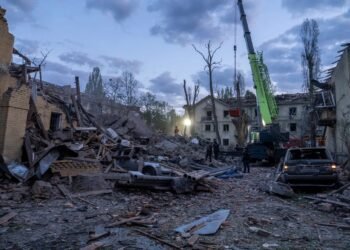 Deadly Russian Strikes Hit Western Ukraine, 20 Killed in Ternopil
 Rama Rebukes Mahmood for Targeting Albanian Families
 Pentagon Officials in Ukraine to Discuss War End
 Ukraine Peace Plan: Zelensky Ready for Dialogue
 Vietnam Battles Deadly Floods as Rains Continue
 Venezuela Threatens Nobel Winner Machado with Fugitive Status
 At Least Three Dead in Bangladesh Earthquake
 Barcelona Returns to Camp Nou vs Athletic Bilbao
 Royal Navy Shadows Russian Warships Entering the Channel
 Israel Confirms Hamas Returned Dror Or’s Body
 Trump Envoy to Discuss Ukraine Peace at Kremlin
 US Suspends Afghan Immigration After White House Shooting
 Two National Guard Soldiers Critically Injured Near White House
 Georgians Defy Government Crackdown After Year of Protests
 Southern Lebanon reels as Israeli strikes shatter communities
 Mbappe Scores 4 as Real Madrid Edge Olympiakos
 Man City Lose, Champions League Risk
 Sri Lanka Floods Leave 56 Dead, Dozens Missing
 India’s Labour Law Overhaul Sparks Fierce Debate
 Video shows Israeli troops kill Palestinians after surrender
 Tokyo court rules Japan’s same-sex marriage ban constitutional
 Chinese & Japanese Boats Clash Near Disputed Islands
 Indonesia to Repatriate Two Dutch Drug Convicts
 ‘Extinct’ Antelope Returns to Sahara, Bringing Hope
 EU plans $105bn Ukraine aid using frozen Russian assets
 Global campaign launched to free Palestinian leader Barghouti
 American Mother Extradited From UK to U.S. on Murder Charges
 Khaleda Zia, Bangladesh’s First Female Prime Minister, Dies at 80
 Russia losses Ukraine war peace talks intensify amid rising deaths
 Facebook Slow to Remove Bondi Attack Praise, Anti-Hate Group Claims
 Australian Cruise Ship Freed After Reef Grounding in Papua New Guinea
 Zelenskyy Accuses Russia of Sabotaging Peace Talks
 George Clooney and Amal Clooney Receive French Citizenship
 Trump ‘Not Worried’ as China Conducts Massive Taiwan Wargame
 Khaleda Zia Laid to Rest with State Honour in Dhaka
 US Cities Erupt in Protests Against Trump’s Venezuela Military Action
 Maduro Faces Court in New York Over Drugs and Weapons Case
 Albanese Opens Door to Bondi Royal Commission Amid Rising Pressure
 Trump Escalates Minnesota Immigration Surge Amid Rising Tensions
 Capitol Attack Anniversary Sparks Deep Political Divide
 Venezuela Oil Shift to US Could Disrupt China Supplies