Published: 09 January 2026. The English Chronicle Desk. The English Chronicle Online.
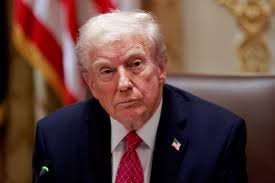
Donald Trump confirmed he will meet Venezuelan opposition leader María Corina Machado, signaling a new chapter in US-Venezuela relations. The announcement comes days after Trump’s forces captured President Nicolás Maduro and escalated pressure on Latin American drug cartels. Trump emphasized that the Machado meeting is scheduled for next week and expressed optimism about discussions, highlighting the opposition leader’s Nobel peace prize recognition. Analysts note that this engagement could influence Venezuela’s political trajectory, but questions remain about Machado’s support domestically and her ability to unite opposition factions effectively.

In a Thursday interview with Fox News, Trump said Machado is “coming in next week sometime,” adding, “I look forward to saying hello to her.” This marks their first direct encounter, although Machado had previously indicated she had not spoken to Trump since winning the Nobel prize in October. Political analysts observe that this meeting may have symbolic significance as much as strategic value, showcasing US endorsement of certain opposition figures while leaving Maduro’s loyalists uncertain.
The US president also hinted at escalating actions against drug cartels. He stressed that strikes on land could target Mexico, expanding an already aggressive campaign. “We are going to start now hitting land with regard to the cartels. The cartels are running Mexico,” Trump told Fox News, signaling a potential broadening of US military involvement. Since September, US strikes against alleged cartel operations in the Pacific Ocean and Caribbean Sea have reportedly resulted in over 100 deaths.
Venezuela’s interim government, led by Delcy Rodríguez, has responded cautiously. Rodríguez’s administration has begun releasing political prisoners, including foreigners, in what appears to be a concession to the US. Former opposition candidate Enrique Marquez was among those freed. Machado hailed the releases on social media, declaring, “Injustice will not last forever and … truth, although it be wounded, ends up finding its way.”
Despite the political gestures, Trump cautioned that Venezuela is far from being ready to conduct democratic elections. He noted that sustained US pressure on Maduro, combined with strategic support for opposition figures like Machado, will be essential to stabilizing governance. Political observers stress that any upcoming elections would need extensive international monitoring to gain legitimacy, given the country’s recent turbulence.
The Machado meeting also raises broader questions about US-Latin American diplomacy. Trump’s approach, mixing high-profile diplomatic engagements with overt military threats, could redefine relations across the hemisphere. Mexican President Claudia Sheinbaum has firmly resisted US military proposals, stating the Americas “do not belong” to any external power, reflecting regional sensitivities regarding sovereignty and US intervention.

Trump’s willingness to meet Machado while threatening land strikes illustrates a dual approach of diplomacy and force. Experts suggest that this strategy may aim to pressure Maduro loyalists while bolstering opposition legitimacy. Meanwhile, Machado’s Nobel prize recognition could amplify international attention on Venezuela’s internal politics and encourage other nations to reassess engagement strategies.
The coming weeks will be critical as Trump’s administration navigates Venezuela’s political complexities. The meeting with Machado could serve as a symbolic endorsement of opposition ambitions while continuing to exert pressure on Maduro through targeted strikes. Analysts predict that US-Venezuela dynamics will remain tense, with high stakes for regional stability and international relations.
Related News:
 Shock US Raid: Maduro Pleads Not Guilty in Manhattan Court
 British Woman in Iran ‘Losing Hope’ Amid Ongoing Detention
 BBC Journalist Held and Interrogated in Vietnam
 Green Party Surges Past Labour in Latest UK Poll
 Celebrities and Charities Demand UK Government Act on Child Poverty
 Army Officers Orders to Cut Ties with Men-Only Clubs
 Trump’s UK Ambassador Urges North Sea Drilling to Strengthen US Ties
 FBI Director Kash Patel Defends Girlfriend Amid Government Jet Claims
 UK University Suspends Human Rights Research Following Pressure from China
 French Taxi Driver Cleared in David Lammy Theft Case After Fare Dispute
 UK University Faces Counter-Terror Probe Over China Pressure
 Labour immigration crackdown could cost UK £4.4bn
 MPs Press Rachel Reeves to Hike Gambling Taxes
 Boris Johnson accused of undermining BBC leadership
BBC to Apologise Over Edited Trump Speech Amid Backlash
Boris Johnson accused of undermining BBC leadership
BBC to Apologise Over Edited Trump Speech Amid Backlash
 Britain deploys RAF specialists to assist Belgium with drone threats
 ‘Reckless’ cuts to victims’ services will cost more than they save
 Millionaires group urge Reeves to introduce wealth tax to ‘lift kids out of poverty’
 Starmer Faces Growing Dissent as Labour MPs Weigh Leadership Challenge
 Reeves rejects £1bn plea for NHS redundancy payouts
 Farage appointee to lead Reform youth accused of anti-British views
 Politics latest: Starmer ‘will fight any leadership coup’ as Streeting denies attempt to oust Labour PM
 Ukraine-Russia war latest: Putin’s troops exploit bad weather to force Kyiv withdrawal from multiple towns
 PM Condemns Leaks, Vows Loyalty to Ministers and Stability
 Major Rent Reform Ends No-Fault Evictions in England
 Peers Flood Assisted Dying Bill with 942 Amendments
 England’s Special Needs Support Faces Breaking Point
 Senator John Fetterman Hospitalized After Fall from Heart Flare-Up, Keeps Sense of Humor
 US Justice Department Files Lawsuit Against California Over Partisan Voting Maps
 MoD warned over Excel risks before Afghan data breach
 Greene Pushes Epstein Files Amid Trump Fallout
 Trump Deploys DHS to Charlotte in Major Arrest Operation
 December Run-Off in Chile as Election Produces No Winner
 UK Asylum Overhaul Sparks Debate Over Human Rights and Deportations
 UK Candidate Moved to Safe House After Election Threats
 Mahmood Defends Tough Overhaul of UK Asylum System
 Canada Passes Carney’s First Budget in Tight Parliamentary Vote
 South African Detained After Neo-Nazi Rally in Australia
 Why India is Unlikely to Return Sheikh Hasina to Face Execution
 UK Warns China After MI5 Issues Espionage Alert
 Federal Court Blocks Texas Republican Maps Over Racial Bias
 Shadow Fleet at Sea: Europe’s Battle Against Illicit Oil Shipping
 UK Vulnerable to Attack, Defence Committee Finds
 Labour Faces Historic Decline in Wales
 Rama Rebukes Mahmood for Targeting Albanian Families
 Pentagon Officials in Ukraine to Discuss War End
 PM Highlights UK Business at G20 in South Africa
 Kate Forbes: Motherhood Harder Than Politics
 Welsh Government Christmas 2020 Lockdown Criticised
 Venezuela Threatens Nobel Winner Machado with Fugitive Status
 Most Tories Expect to Support a Farage-Led Government
 Labour MP claims devolution bill is ‘blatant discrimination’ against Cornwall
 Trump Envoy to Discuss Ukraine Peace at Kremlin
 Millions Face Higher Taxes Under Reeves New Budget
 Peers Get Extra Time to Debate Assisted Dying Bill
 Planned Palestinian Flag Raising at Belfast City Hall Faces Delay Amid Legal Concerns
 Georgians Defy Government Crackdown After Year of Protests
 US National Guard Member Killed in DC Shooting
 India’s Labour Law Overhaul Sparks Fierce Debate
 Video shows Israeli troops kill Palestinians after surrender
 Government righting decades-old injustice for miners
 ICC to Rule on Duterte’s Provisional Release
 Jordan Bardella: France’s Young Presidential Contender
 Starmer Says Labour’s Economic Plan Needs Years to Deliver
 Chinese & Japanese Boats Clash Near Disputed Islands
 EU plans $105bn Ukraine aid using frozen Russian assets
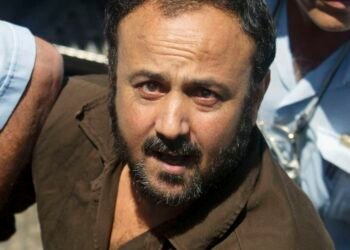 Global campaign launched to free Palestinian leader Barghouti
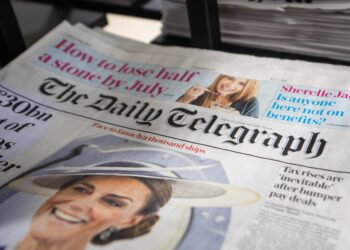 Culture secretary to review Telegraph takeover by Daily Mail owner
 Andy Burnham Apologises for Past LGBTQ+ Police Discrimination
 Khaleda Zia Death in Bangladesh: First Female PM Dies at 80
 Russia losses Ukraine war peace talks intensify amid rising deaths
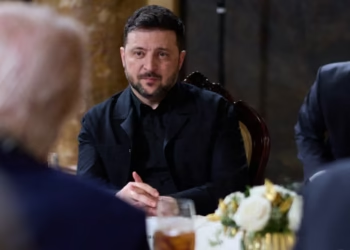 Zelenskyy Accuses Russia of Sabotaging Peace Talks
 George Clooney and Amal Clooney Receive French Citizenship
 Khaleda Zia Laid to Rest with State Honour in Dhaka
 Maduro Faces Court in New York Over Drugs and Weapons Case
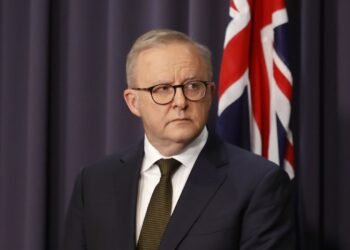 Albanese Opens Door to Bondi Royal Commission Amid Rising Pressure
 Trump Escalates Minnesota Immigration Surge Amid Rising Tensions
 Capitol Attack Anniversary Sparks Deep Political Divide
 Saudi Officials Report Zubaidi Flee Before Yemen Peace Talks
 UK Targets in New York Bomb Threat Hoax: Man Jailed