Published: 12 January 2026. The English Chronicle Desk. The English Chronicle Online.
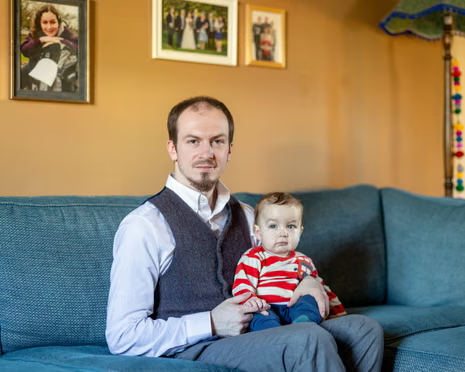
Aaron Horsey has welcomed the new bereaved parental leave rights, giving fathers essential support after losing a partner during childbirth. Horsey, whose wife Bernadette died giving birth at Royal Derby hospital, said the reforms meant grieving parents now have a clear pathway to care for their newborns. Previously, Horsey, a clinical trial manager, could not access paternity leave as he had worked less than nine months, leaving him struggling with full-time care responsibilities. These new rights for bereaved fathers, included in the government’s employment reforms, ensure that no parent faces the same limitations he endured.
The legislation, part of Labour’s Employment Rights Bill, introduces day-one access to paternity leave and paid parental leave for all eligible workers. It will allow bereaved fathers up to 52 weeks of leave if they lose their partner before their child’s first birthday. The government confirmed the reforms would come into effect from April, securing cross-party support after concessions were made in the House of Lords. The law’s passage reflects a growing recognition of the emotional and practical challenges faced by bereaved parents.

Horsey’s campaign began shortly after his wife’s death when he spoke to his MP while caring for his three-week-old son. The discussion led to the Paternity Leave (Bereavement) Act, later introduced by Chris Elmore, Labour MP for Bridgend, as a private member’s bill. Horsey described the legislative journey as emotional, noting, “I’m proud something positive has come from a very difficult time. Other parents can now access support without delay, and that is hugely reassuring.”
Under the new Employment Rights Act 2025, which amends the 1996 act, approximately 32,000 additional fathers each year will gain immediate access to paternity leave. However, some campaigners highlighted that statutory pay on day one is still not guaranteed, sparking calls for further improvements. Despite this, the reforms represent a significant step forward for family rights and workplace equality.
Prime Minister Keir Starmer emphasised that these changes allow parents to prioritise their health and their child’s wellbeing without financial pressure. “This is about giving working families the support they need to balance work, health, and the cost of living,” Starmer stated. The Trades Union Congress also praised the act, noting it delivers vital reforms for workers, including enhanced sick pay and parental leave, aligning Britain with international best practices.
Horsey reflected on the personal impact of the legislation, saying he would explain to his son, Tim, that challenges may seem impossible but determination can bring meaningful change. He added that Bernadette, who valued fairness and kindness, would likely be proud that their loss helped secure protections for other families. Although the law currently applies to England, Scotland, and Wales, Horsey hopes Northern Ireland will adopt similar measures in the future, ensuring all bereaved parents in Great Britain can benefit.
The bereaved parental leave reforms mark a historic moment for UK employment law, recognising that parental rights must extend beyond traditional circumstances. By addressing a previously overlooked group, the legislation ensures grieving fathers receive the support and time required to nurture their newborns, highlighting a societal shift toward compassion in the workplace. Families affected by bereavement can now access clear guidance on leave entitlements, reducing stress and ensuring that emotional care is prioritised alongside professional responsibilities.
Experts in employment law have noted that these changes may set a precedent for other workplace protections, signalling a move toward more inclusive policies that account for extraordinary personal circumstances. Campaigners hope this will encourage organisations to adopt wider measures, such as flexible working arrangements and enhanced bereavement benefits, reflecting the evolving needs of modern families.
For Horsey, the journey from personal tragedy to legislative success serves as a reminder that advocacy can produce lasting impact. He urges other parents and employees to engage with policy discussions, stressing that change often requires persistence and collective action. As Britain implements these new parental leave rights, bereaved fathers and partners gain not only statutory protection but also recognition of their vital role in early child care.

The enactment of the Paternity Leave (Bereavement) Act represents a milestone in UK family law, ensuring that future generations of fathers can navigate bereavement without facing bureaucratic barriers. Horsey’s experience demonstrates the potential for individual stories to drive systemic change, transforming painful experiences into lasting societal benefits. With the law now in place, bereaved parents are empowered to focus on their families while maintaining employment security, reflecting a compassionate approach to workplace policy that prioritises wellbeing alongside economic participation.
The introduction of these bereaved parental leave rights is widely regarded as a landmark development, promoting fairness, inclusivity, and emotional support within UK workplaces. By codifying the right to extended leave, the government has acknowledged the complexities of parental bereavement, paving the way for future reforms that further strengthen protections for families experiencing loss. The changes set a new standard for employee care, emphasising that legislative measures can meaningfully improve the lives of citizens while reflecting societal values of empathy and responsibility.
Related News:
 Peterborough Mosques Tighten Security After Attack
 Reeves Faces Setback as Labour May Miss Homes Target
 Hospice Cuts Raise Alarm Across England Amid Funding Crisis
 UK Woman Loses Child Benefit After Booking Flight She Never Took
 Kate Winslet to Narrate Film Highlighting King’s Environmental Mission
 Green Party Surges Past Labour in Latest UK Poll
 Celebrities and Charities Demand UK Government Act on Child Poverty
 Trump’s UK Ambassador Urges North Sea Drilling to Strengthen US Ties
 Children to Learn Local History in Major Curriculum Overhaul
 FBI Director Kash Patel Defends Girlfriend Amid Government Jet Claims
 Granit Xhaka Rescue Earns Everton Draw at Sunderland
 French Taxi Driver Cleared in David Lammy Theft Case After Fare Dispute
 The Lowry Hotel: Manchester’s Iconic Five-Star Retreat
 UK Bans Fake Numbers: Scammers Lose Their Trick
 Prince William Plants Trees with Brazil’s Nature Heroes
 Top Christmas Books Reads: Classics to Cozy Romcoms
 M&S Profits More Than Halve After Cyber-Attack
 Just Stop Oil Protesters Convicted Amid Climate Defence Row
 Kent village told to remove flags before Christmas lights go up
 Tony Blair think tank warns Rachel Reeves must cut taxes if manifesto broken
 Pauline Collins, Beloved ‘Shirley Valentine’ Star, Dies at 85
 Patients to Test Health at Home to Ease NHS Winter Pressure
 Bellingham has ‘the edge’ among England No 10s
 King Charles to Lead Nation in Remembrance Sunday Service
 Man City Masterclass on Guardiola’s Milestone Day Exposes Liverpool Woes
 How to get help when a child goes missing – call 999 urgently
 Palace May Restore Hyphen to Andrew Mountbatten-Windsor’s Name
 Millionaires group urge Reeves to introduce wealth tax to ‘lift kids out of poverty’
 Starmer Faces Growing Dissent as Labour MPs Weigh Leadership Challenge
 VAR Must Rein Its Neck In to Save Football’s Spirit
 Shouting Works Best to Deter Gulls, UK Study Finds
 Mary Earps’s Manchester United Return Faces Mixed Reception
 Reeves rejects £1bn plea for NHS redundancy payouts
 Binman killed in lorry crash in Leominster
 Northern Lights may illuminate UK skies this week
 PM Condemns Leaks, Vows Loyalty to Ministers and Stability
 Son Reveals UK Couple in Iran Resort to Hunger Strike for Help
 Major Rent Reform Ends No-Fault Evictions in England
 Peers Flood Assisted Dying Bill with 942 Amendments
 Former Lion Heskey Warns of Shortage of England Strikers
 Global markets drop amid tech sell-off and China slowdown
 Criminal Gangs Pose as Truckers to Hijack UK Supply Chains
 Mum Calls for New Licence Rules After Teen Road Death
 Stroke Patient Mistaken for Drunk, Care Delayed
 Mother Watches in Horror as Teen Daughter Dies on Tracks
 Van Dwellers Face Eviction After Park Misuse Sparks Outcry
 ‘Traumatic Wait’: Northern Ireland Women Face Breast Cancer Delays
 Commuters warned as yellow snow and ice alert hits Northern Ireland
 Serial Rapist and Former Cop Found Guilty Again
 Mossmorran Plant Closure Hits Cowdenbeath Hard
 Royal Navy Shadows Russian Warships Entering the Channel
 Coffins Now Too Large to Cremate Amid Rising Obesity Crisis
 Inside the Helpline Protecting Missing Children in the UK
 Most Tories Expect to Support a Farage-Led Government
 HS2 woes leave Warwickshire village struggling with pollution
 Boots Showstopper Beauty Bundle Outshines Many Advent Calendars This Holiday Season
 Bill Murray Terrified Wes Anderson but Became His Closest Collaborator
 Labour’s ‘blinkered’ drive to build risks pushing wildlife to point of no return, nature experts warn
 Labour MP claims devolution bill is ‘blatant discrimination’ against Cornwall
 PlayStation PS5 Deals Hit Lowest Prices Ahead of Black Friday
 Karen Carney Stuns on Blackpool Week, Deserves Strictly Final
 Prisoner 951 Review: arrowing Retelling of Nazanin Zagharz-Ratcliffe
 Millions Face Higher Taxes Under Reeves New Budget
 Five-Year-Old Dies After Rare Tonsil Surgery Complication
 Fibromyalgia Patients Struggle as NHS Fails to Provide Care
 Search underway for British man overboard off Tenerife
 Starmer Says Labour’s Economic Plan Needs Years to Deliver
 Virgin Media Fined £23.8m Over Telecare Safety Failures
 More Patients Now Contacting GPs Online, Data Shows
 Rising Water Bills Lift Troubled Thames Back to Profit
 UK unemployment rises to four-year high of 5.1% before budget
 Culture secretary to review Telegraph takeover by Daily Mail owner
 Wiltshire Police Use Lasso to Catch Rampaging Village Goat
 Prince George Helps Father at London Homelessness Charity
 Stokes urges empathy for England players amid Ashes struggles
 Children to Receive Home Vaccines as England Acts
 Protest Rights Under Threat Across England and Wales
 Cambridge College Faces Backlash Over Private School Recruitment
 NHS Violence Crisis: Staff Face Daily Assaults
 Celebrity Campaign Highlights SMA Screening Failures