Published: 19 January 2026. The English Chronicle Desk. The English Chronicle Online.
The UK government has firmly condemned the United States over its proposed economic measures, as Keir Starmer insisted that pressuring Nato allies is entirely unacceptable. In a series of urgent diplomatic calls, Starmer told Donald Trump that the US’s approach toward Greenland is misguided and risks destabilising transatlantic relations. During discussions with Danish Prime Minister Mette Frederiksen, European Commission President Ursula von der Leyen, and Nato Secretary-General Mark Rutte, Starmer emphasised that alliance cohesion must remain the priority amid rising tensions.
Starmer stressed that any coercive strategy using economic measures would be inappropriate. Officials noted that his statements underline the UK’s commitment to multilateral security and the principles of democratic sovereignty, warning that decisions about Greenland must respect international norms. The Prime Minister highlighted that collective Nato security cannot be leveraged for unilateral territorial ambitions, framing the situation as a diplomatic, not economic, challenge.
The US administration threatened tariffs against eight European countries, including the UK, France, Germany, Denmark, Norway, Sweden, the Netherlands, and Finland, in response to troop deployments near Greenland. The proposed tariffs begin at 10% on 1 February and could rise to 25% in June if negotiations over Greenland’s status do not progress. European governments responded with a joint statement describing the threats as harmful to transatlantic trust and potentially creating a downward spiral of conflict.

In response, Starmer prepared an emergency Downing Street statement, cancelling a domestic event on the cost of living to prioritise discussions on the Greenland dispute. Officials anticipate that he will use firm language to condemn the US plan without proposing retaliatory tariffs, instead reinforcing the importance of maintaining strong strategic ties with Washington. The Prime Minister’s approach balances diplomacy with a clear rejection of coercion, signalling that the UK stands firmly with European allies amid the unfolding Greenland dispute.
Domestic reactions are varied. Opposition parties, such as the Liberal Democrats, have called for an urgent Commons debate and suggested revisiting pharmaceutical agreements with the US, while some Labour MPs advocate a stronger European alignment. Culture Secretary Lisa Nandy emphasised that private diplomacy is preferred over public disputes, but stressed that the UK’s position on the Greenland dispute is unwavering and non-negotiable. “President Trump’s approach to Greenland is different. Nonetheless, it is in our collective interest to work together and not escalate tensions unnecessarily,” she said.
Starmer has invested significant effort in building a positive working relationship with Trump. Early in 2025, he invited the US president for an unprecedented second state visit to the UK, and subsequent international summits have allowed Starmer to mediate between Washington and European allies. This diplomacy has helped the UK secure trade benefits and maintain US support for European security, particularly concerning Russia.
Despite these efforts, the unpredictable US administration remains a risk. Analysts note that Starmer’s strategy of measured diplomacy, rather than retaliatory threats, mitigates the potential economic and political fallout from unilateral US actions. His messaging highlights that decisions regarding Greenland are ultimately for the Danish government and the people of Greenland, reinforcing respect for democratic sovereignty.
Observers suggest that Starmer’s approach will reassure both domestic audiences and European partners. By rejecting coercive economic measures, the UK affirms its commitment to Nato unity and stable transatlantic relations. Meanwhile, European leaders have welcomed Starmer’s intervention, seeing it as a stabilising influence amid growing concern over US unilateralism.
The Greenland dispute also prompts a wider debate about smaller nations’ roles in global security. Starmer’s insistence on diplomacy over economic pressure reinforces the principle that strategic territories must be respected under international law. Analysts believe this careful balance demonstrates the UK’s capacity to protect allies’ interests without provoking unnecessary conflict.
Economic experts warn that if the US proceeds with tariffs, the repercussions could extend far beyond Greenland, affecting trade, commodity prices, and Nato cohesion. Starmer’s emphasis on measured responses aims to reduce these risks while maintaining credibility with international partners. The Prime Minister’s consistent stance against coercion sends a clear signal that alliance solidarity cannot be compromised for unilateral gains.

As the situation continues to unfold, the UK government is coordinating with allies to emphasise that dialogue, not threats, is the proper path forward. Starmer’s statements reinforce that the Greenland decision must be guided by democratic consent, and that the use of economic pressure against allied nations is unacceptable. By maintaining a firm yet diplomatic position, the UK seeks to uphold international norms while avoiding escalation.
In conclusion, the Greenland dispute highlights the challenges of maintaining transatlantic stability amid unpredictable US policies. Starmer’s intervention underscores the UK’s commitment to Nato unity, alliance trust, and respect for international law. By opposing coercive measures, the Prime Minister demonstrates that diplomacy, not economic intimidation, is the proper route for resolving sensitive territorial issues, ensuring that global security remains a shared priority.
Related News:
 Trump Plans Venezuela Meeting, Warns of Cartel Land Strikes
 Mandelson apologises over Epstein ties after public scrutiny
 US Senate rejects resolution limiting Trump military powers
 Trump Calls Greenland Critical for US Security After Denmark Talks
 Trump: Iran Killing Has Stopped, Strike Threats Pulled Back
 Machado Trump medal gesture reshapes Venezuela power struggle
 Iran unrest slows under brutal crackdown and global tensions
 Trump Allies Pursue $200m European Gas Pipeline Deal
 Trump slams UK ‘stupidity’ over Chagos Islands, eyes Greenland takeover
 UK Presses On With Chagos Handover Despite Trump Criticism
 Kim Jong-un Fires Vice-Premier Over Factory Failures
 Shinzo Abe’s killer receives life sentence in Japan
 Starmer Resists Matching Trump Amid Greenland Tensions
 Netanyahu Accepts Trump’s ‘Board of Peace’ Invitation
 South Korean Ex-PM Jailed 23 Years Over Martial Law Role
 Canada Rules Out Free Trade Deal With China Amid US Tensions
 Snow Threatens Japan Election Turnout Amid Extreme Cold
 Keir Starmer meets Xi to strengthen UK-China economic relations
 Crisis Looms as Liberals Debate Sussan Ley Future
 Cambridge Faces Scrutiny Over Arms Investment Transparency
 Files Link Andrew to Epstein Dinner After Prison Release
 Thousands Protest ICE Operations in Nationwide US Day of Action
 Epstein Files Reveal Trump Officials’ Emails with Financier
 Thousands Protest ICE in New York Against Trump Deportation Campaign
 Trump-Petro Meeting Sparks Hopes of Diplomatic Detente
 Epstein UAE Emails Shake British Royal Andrew’s Legacy
 Liberal Fallout: Taylor Challenge Casts Shadow Over Sussan Ley’s Leadership
 Ukraine, Russia Meet in Geneva Ahead of War Anniversary
 Brazilian Politician Brothers Sentenced for Marielle Murder
 Tommy Robinson Meets Trump Officials at US State Department
 HMS Dragon to Head to Cyprus Amid Rising Tensions
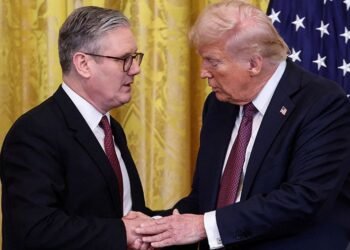 Starmer Praised for Stance on Trump and Iran Conflict
 Yvette Cooper: UK Must Follow Principles, Not US Pressure
 UK Ministers Signal Strategic Independence From Trump Demands
 Florida Governor renames Palm Beach Airport for Donald Trump
 Farage Shuns Truss as US Right-Wing Roadshow Hits London
 European Leaders Slam Hungary Over Alleged Russian Ties
 Starmer Urges Ambitious EU Ties Amid Middle East Conflict
 A Global Voice For Justice: Stephen Lewis Dies At Age 88
 Trump Mocks Starmer and UK Carriers in White House Speech
 Final Countdown as Trump Deadline Looms Over Tehran
 Starmer visits Gulf as US and Iran agree ceasefire
 GOP Senator Criticizes Trump’s Feud With Pope Leo XIV
 Global Oil Prices Surge Amid Renewed Gulf Tensions
 Faith and Power: Catholics React to Trump-Pope Feud
 Timor-Leste Faces Tough Questions Over Resort Proposal
 Security Scrutiny After Washington Shooting Incident
 Aukus Submarine Plan Faces Critical Failures
 UK Envoy Sparks Controversy Over Special Relationship Claims
 US Calls Australia Media Law “Foreign Extortion”
 USS Gerald R Ford Ends Record Naval Deployment
 Activists allege abuse after Gaza flotilla seizure
 Australia pushes Pacific security pact amid China tension
 Indiana Republicans Defy Trump in Key Vote Test
 Middle East Crisis Escalates as Oil Routes Shake Markets
 One Nation Candidate’s Surprising Ties to Independents
 Anika Wells Repays Over £5,000 in Travel Claims
 Tensions Emerge in Netanyahu-Trump Alliance
 California Mayor Resigns Over Foreign Agent Charges
 Liberal Senator Criticises Immigration Rhetoric
 Hanson Stunner: Norway Model Sparking Energy Row
 Tony Abbott Returns as New Liberal Party President
 Tulsi Gabbard exits after turbulent intelligence tenure
 UK Urged to Build EU Rejoin Consensus, Says Miliband
 Zelenskyy warns over Oreshnik threat as Kyiv hit
 Discontent grows around Putin amid war strain
 Former ICC prosecutor condemns US sanctions
 Trump Weighs Retreat from Controversial $1.8bn Slush Fund
 Iran Prepares for Massive Six-Day Funeral for Khamenei
 Trump’s Mount Rushmore Speech: A Divisive Anniversary
 Iran Mourns: Millions at Khamenei’s Final Procession
 Starmer Braces for Nato Spending Clash in Ankara
 Trump Swaps Planes Amid Iran Tensions
 House Democrats Divided Over Israel Military Funding Bid
 Houthis Strike Saudi Arabia as Middle East Tensions Rise
 Taliban global ties grow as rights fears mount
 Russian Missiles Intensify Pressure on Kyiv
 Trump Calls Strait of Hormuz ‘American Territory’
 Trump Faces Iran War Crisis Before Midterm Vote
 Former Diplomats Urge UK and France to Act on Palestine