Published: 27 January 2026. The English Chronicle Desk. The English Chronicle Online.
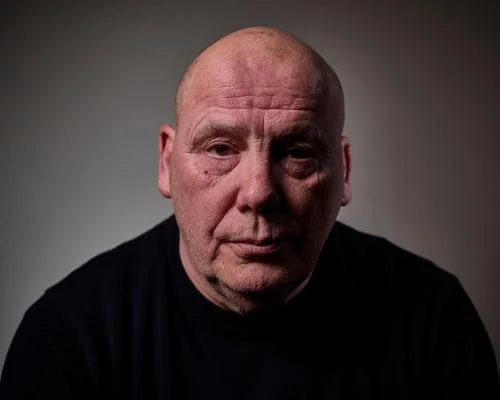
Wayne Birkett, a survivor of the Nottingham attacks, has expressed deep concern that future incidents could occur without urgent mental health reforms. Birkett, who suffered life-changing injuries during the 13 June 2023 attack, criticised the lack of meaningful improvements in Nottinghamshire healthcare NHS foundation trust, which oversaw Valdo Calocane’s care between May 2020 and September 2022. He has called for Health Secretary Wes Streeting to intervene directly, warning that continued neglect in mental health services could leave the public vulnerable.
Calocane, previously diagnosed with paranoid schizophrenia, killed Barnaby Webber, Grace O’Malley-Kumar, and Ian Coates, before seriously injuring Birkett, Sharon Miller, and Marcin Gawronski. Following his conviction in January 2024, he received a hospital order after admitting manslaughter and attempted murder charges under diminished responsibility. The Care Quality Commission (CQC) report in 2024 revealed multiple failures in the trust, noting that ongoing issues posed risks to both patients and the public.
 Despite repeated inspections between May 2024 and August 2025, the trust has not fully addressed deficiencies. Five mental health services required improvement, while ten showed breaches of regulation demanding urgent action. Birkett, 62, who was left in a coma after the attack, continues to manage severe brain and physical injuries. He stated that the lack of progress increases the likelihood of another tragic incident in Nottingham.
“It already has happened again … Wait for another Nottingham attack I suppose, it will happen unless something is done,” Birkett warned. His solicitor, Greg Almond, echoed these concerns, emphasising that persistent failures could compromise public safety.
Calocane had been hospitalised four times between May 2020 and September 2022 for threatening behaviour linked to psychosis. Despite repeated interventions, he was discharged to a GP due to lack of engagement, nine months before the killings. Birkett stressed the frustration and fear caused by learning that preventative measures were not implemented.
The upcoming public inquiry will allow Birkett and Miller to highlight systemic failures and ensure lessons are learned. Birkett described relearning basic skills like reading and using cutlery as a daily struggle, acknowledging that full recovery may never be possible. He hopes the inquiry will reveal the truth behind the failures and drive meaningful reforms.
Almond stated the inquiry must address numerous questions across multiple organisations, ensuring recommendations can improve safety in Nottingham. Meanwhile, Ifti Majid, chief executive of Nottinghamshire healthcare, insisted the trust is committed to high-quality care and has implemented improvements, although more work remains.
A government spokesperson reaffirmed their commitment to preventing future tragedies, noting reforms to the Mental Health Act and mandatory action plans for mental health providers. Streeting met victims’ families in December, underscoring the government’s dedication to transforming mental health services and avoiding repeat incidents.
Birkett and Miller will meet Streeting on 5 February, urging immediate action to ensure Nottingham’s mental health system safeguards both patients and the public. The survivors’ determination reflects a broader demand for accountability and systemic reform in the aftermath of the 2023 attacks.

The public inquiry will examine past mistakes and aim to recommend comprehensive measures, ensuring that the failures leading to the 2023 Nottingham attacks are never repeated. Mental health reform remains central to these discussions, highlighting the importance of proactive interventions to prevent violence.
The survivor’s plea underscores that public safety depends on addressing systemic shortcomings, reforming services, and ensuring accountability in mental health care. Authorities face mounting pressure to implement reforms that genuinely protect vulnerable individuals and the wider community.
Birkett’s experience reflects the profound human cost of systemic failures, illustrating the urgent need for change. Experts and advocates argue that lessons must be fully integrated into policies and practices, ensuring future tragedies are avoided.
As Nottingham prepares for the inquiry, survivors and families continue to advocate for reforms that prioritise safety and accountability. The focus on mental health reform aims to prevent violent incidents and create a system that effectively supports those most at risk.
Mental health reform is a key element of ongoing discussions, with public safety at stake if systemic weaknesses persist. Birkett’s message is clear: lessons must be learned to prevent Nottingham from witnessing another devastating attack.
Related News:
 Mother dies after black market weight loss injection
 Young Woman Missed 13 Times by GPs Before Bowel Cancer Diagnosis
 Hospice Cuts Raise Alarm Across England Amid Funding Crisis
 How Bringing Forests Into Preschools Boosts Children’s Health
 The diet that can significantly ease symptoms of IBS
 Celebrities and Charities Demand UK Government Act on Child Poverty
 Long A&E waits causing heartbreaking suffering, charity says
 Experts Warn on Home Birth Risks, Call for Skilled Midwives
 Lancashire council plans to close care homes and day centres
 Britain could face worst flu season on record, NHS warns
 Experts Urge Legal Right to Timely Cancer Care
 Patients to Test Health at Home to Ease NHS Winter Pressure
 London’s Childlessness Crisis: Schools Closing as Families Shrink
 NHS Takes Over Nuffield Hospital in ‘Windfall’ for London Care
 North Sea oil workers must lose weight or face job loss
 Crisis charity to become landlord amid UK housing emergency
 No link found between paracetamol in pregnancy and autism
 UK Disability Pay Gap Means Millions Work for Free From Today
 Shouting Works Best to Deter Gulls, UK Study Finds
 Reeves rejects £1bn plea for NHS redundancy payouts
 NHS trust fined after woman takes life in mental health unit
 Leading doctors issue warning amid ‘bad’ flu season
 UK Centres Used Risky Heart Pump Despite Safety Fears
 Reeves Rejects £1bn NHS Payout Plea from Streeting
 New Campaign Trains Vets to Spot Farmers’ Health Risks
 Stroke Patient Mistaken for Drunk, Care Delayed
 ‘Traumatic Wait’: Northern Ireland Women Face Breast Cancer Delays
 Boris Johnson Oversaw Toxic No 10 Culture, Covid Inquiry Finds
 Welsh Government Christmas 2020 Lockdown Criticised
 Coffins Now Too Large to Cremate Amid Rising Obesity Crisis
 Thinktank Urges Smaller Hospitals to End NHS ‘Permacrisis’
 David Cameron Reveals Prostate Cancer Diagnosis, Advocates Screening
 NHS paediatric leave parents waiting months for answers
 Catherine urges end to stigma around addiction
 11 Best Supermarket Wines Chosen by Experts and Sommeliers
 Inquiry Opens Into Disgraced Surgeon Eljamel Scandal
 Five-Year-Old Dies After Rare Tonsil Surgery Complication
 Fibromyalgia Patients Struggle as NHS Fails to Provide Care
 More Patients Now Contacting GPs Online, Data Shows
 Streeting launches review into mental health and ADHD diagnoses
 Flu cases in Scotland more than double in a week
 People in England’s Poorest Areas Face Higher Lung Health Emergencies
 MND Patients Die Waiting for Home Adaptations in England
 Minor A&E Visits Surge Across England as Hospitals Face Pressure
 Children to Receive Home Vaccines as England Acts
 UK children to get chickenpox jab with MMRV vaccine
 UK Enforces Junk Food Ad Ban Before 9pm
 Salt Intake England: Crisps Comparison Sparks Health Alarm
 Weight Loss Jabs Linked to Rapid Weight Regain, New Study Shows
 Patients Collapsing in NHS Corridors, Watchdog Warns
 Offenders to Receive Health Support During Probation Appointments
 NHS Violence Crisis: Staff Face Daily Assaults
 Celebrity Campaign Highlights SMA Screening Failures
 NHS corridor care crisis sparks fears over patient safety
 Jess’s Rule Urges GPs to Rethink Persistent Symptoms
 UK Glaucoma Rise Signals Looming Eye Health Crisis by 2060
 UK ADHD medication use triples over 13 years, landmark study finds
 Reform UK Health Plan ‘Would Cost £1.7bn’, Streeting Says
 NHS boosts bowel screening accuracy with FIT reform
 UK loses measles-free status amid deaths and jab decline
 Systemic Racism in Maternity Care Continues to Endanger Black Women in England, MPs Warn
 M&S and Morrisons Lead Christmas Supermarket Taste Test
 New Prostate Cancer Drug Set to Halve Death Risk in England
 Reeves Faces Setback as Labour May Miss Homes Target
 Kate Winslet to Narrate Film Highlighting King’s Environmental Mission
 Trump’s UK Ambassador Urges North Sea Drilling to Strengthen US Ties
 UK Bans Fake Numbers: Scammers Lose Their Trick
 M&S Profits More Than Halve After Cyber-Attack
 Millionaires group urge Reeves to introduce wealth tax to ‘lift kids out of poverty’
 Northern Lights may illuminate UK skies this week
 PM Condemns Leaks, Vows Loyalty to Ministers and Stability
 Inside the Helpline Protecting Missing Children in the UK
 PlayStation PS5 Deals Hit Lowest Prices Ahead of Black Friday
 Starmer Says Labour’s Economic Plan Needs Years to Deliver
 Cambridge College Faces Backlash Over Private School Recruitment
 Bereaved Fathers Gain New Paternity Leave Rights in UK
 Woman Jailed for Life After Killing E-Bike Rider in Tragic Mistaken Identity Case
 No Gas Boiler Ban as UK Warm Homes Plan Backs Heat Pumps
 Police response times face strict new national limits
 Devon hosts first high-density hydro power system