Published: 09 February 2026. The English Chronicle Desk. The English Chronicle Online.
Iran has intensified its crackdown on reformists, with top leaders of the Reformists Front arrested by the Islamic Revolutionary Guards Corps. These arrests, targeting figures close to President Masoud Pezeshkian, have raised alarm over the government’s handling of recent protests, highlighting the fragile political landscape. The reformist crackdown has drawn attention as the country grapples with widespread unrest, with security forces clamping down on those who publicly criticised the state’s response. Authorities justified the arrests by accusing reformists of supporting foreign agendas, further intensifying concerns about political suppression.
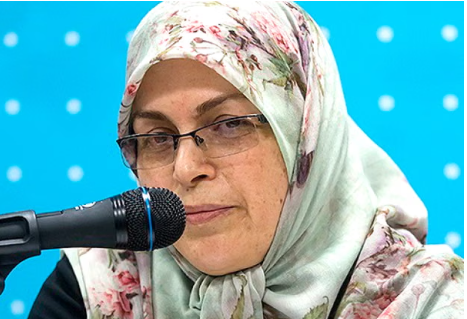
Azar Mansouri, secretary general of the Islamic Iran People Party, expressed profound sorrow over the deaths of protesters, stressing that no justification could mitigate such a tragedy. While she condemned the violence, Mansouri did not publicly call for the resignation of Supreme Leader Ali Khamenei. Her arrest marks a severe escalation, reflecting a broader pattern of silencing dissenting voices within the reformist movement. Ebrahim Asgharzadeh, head of the Reformists Front political committee, and Mohsen Aminzadeh, a former deputy foreign minister under ex-president Mohammad Khatami, were also detained in the same operation.

The crackdown by authorities appears strategic, designed to limit criticism of security forces following the protests that shook major cities across Iran. At least two additional prominent Iran reformists have been ordered to report to police stations, signalling the government’s intention to control political discourse. The official death toll from the protests stands at 3,000, though independent reports suggest the figure could be much higher. Prosecutors accused those arrested of attempting to justify violent opposition forces while conspiring with the US and Israel, framing the actions as threats to national unity. These measures have disproportionately affected the Iran reformists who advocate for moderation and reform within the political system.
Judiciary head Gholam-Hossein Mohseni-Ejei defended the actions, asserting that those criticising the state were aligning with foreign adversaries. He described the detained Iran reformists as “wretched and miserable” and warned they would face consequences for their actions. Mansouri, however, emphasised the necessity of seeking truth and justice for the victims of state violence. In her public statement last week, she condemned the reckless targeting of Iranian youth and underscored that no authority could erase the gravity of the catastrophe, reinforcing the plight of Iran reformists under government suppression.
These arrests coincide with the detention of four other Iranian human-rights defenders, who had supported a statement signed by 17 activists calling for a free and transparent referendum to establish a democratic government. Among those initially arrested were Vida Rabbani, Abdollah Momeni, and Mehdi Mahmoudian, with a fourth signatory, Dr Ghorban Behzadian-Nejad, later detained. The statement denounced the mass killings and attacks on civilians as state crimes against humanity, highlighting systemic abuses and denial of medical care, which the arrest of Iran reformists has intensified.
Separately, Nobel laureate Narges Mohammadi, already imprisoned for 59 days, was sentenced to a further seven years in jail. She briefly met her lawyer Mostafa Nili, revealing she had been transferred to a hospital but returned to prison without completing her treatment. These developments underscore the regime’s persistent suppression of political and human-rights advocates, illustrating the risks faced by those who challenge state policies.

President Pezeshkian, who secured 16.4 million votes in the June 2024 election on a turnout of 49.7%, has attempted to investigate the protests. However, his inquiry is unlikely to critique the Revolutionary Guards, demonstrating the limited influence he wields over key decision-makers. The arrests of his former supporters highlight his constrained authority and the dominance of hardline elements within the government.
International observers have expressed concern about Iran’s political trajectory, particularly as global powers monitor the country’s nuclear ambitions. Israeli Prime Minister Benjamin Netanyahu advanced a visit to Washington to push for inclusion of Iran’s missile programme in ongoing talks. The discussions, mediated by Oman in Muscat, are expected to resume this week, with the US indicating a willingness to focus solely on nuclear limitations. This position has sparked anxiety among Israeli officials and some Republican figures.
The reformist arrests, coupled with ongoing political tensions, reveal the challenges facing Iran’s moderate leaders and the perils of advocating for reform within an increasingly restrictive system. The detention of prominent figures like Mansouri, Asgharzadeh, and Aminzadeh signals a renewed effort to stifle dissent and enforce state narratives, leaving many Iranians concerned about future political freedoms. As the international community monitors these developments, the situation remains volatile, reflecting deep-rooted structural issues within Iran’s governance and the fraught relationship between reformists and conservative forces.
Related News:
 BBC to Apologise Over Edited Trump Speech Amid Backlash
 Britain deploys RAF specialists to assist Belgium with drone threats
 Palace May Restore Hyphen to Andrew Mountbatten-Windsor’s Name
 Greene Pushes Epstein Files Amid Trump Fallout
 December Run-Off in Chile as Election Produces No Winner
 Zelenskyy Signs Fighter Jet Deal Amid Russian Drone Attacks
 Canada Passes Carney’s First Budget in Tight Parliamentary Vote
 Shadow Fleet at Sea: Europe’s Battle Against Illicit Oil Shipping
 Tiny Curacao Makes History as Smallest Nation to Reach World Cup
 Deadly Russian Strikes Hit Western Ukraine, 20 Killed in Ternopil
 Ukraine Peace Plan: Zelensky Ready for Dialogue
 Royal Navy Shadows Russian Warships Entering the Channel
 US Suspends Afghan Immigration After White House Shooting
 Georgians Defy Government Crackdown After Year of Protests
 Tokyo court rules Japan’s same-sex marriage ban constitutional
 ‘Extinct’ Antelope Returns to Sahara, Bringing Hope
 American Mother Extradited From UK to U.S. on Murder Charges
 Irish Beach Tragedy: Irish Drown at Whitehaven Beach in Australia
 Sanctioned oil tankers sail Channel amid Russia scrutiny
 US and UK Withdraw Personnel as Middle East Tensions Rise
 Half the World’s Largest Cities Face Rising Water Stress
 Pentagon Signals Reduced Role in Deterring North Korea
 Tarique Rahman’s Rise Toward Bangladesh’s Top Job
 AFP Reviews Pauline Hanson Comments
 Duterte ICC Hearing Begins Amid Defiance
 Trump Tariffs Threat Spark UK and EU Alarm
 Australian Women in Syrian Camp Offer Separation Deal
 The Dangerous Rise of Remigration Across Modern Europe
 US to offer passport services in West Bank settlements
 Seeking Truth: The Vital Battle for Honest Journalism
 Iranian Australian community divided after vigils
 UK Rescue Flight Delayed Amid Middle East War
 Seventh US Service Member Killed in Iran Conflict Identified
 Iran Defiance Grows Amid US-Israel War Pressure
 US Missile Strike on Iran School Sparks Global Shock
 Canada Plasma Deaths Raise Safety Concerns After Two Donors Die
 US Attack on IRIS Dena Shocks Indian Ocean Security
 Australian Petrol Crisis Deepens as Local Stations Run Dry
 Gulf Tensions Rise as Iran Alleges Covert Support
 Oil Slides, Stocks Jump on Trump Peace Signals
 Danish Election Deadlock Shakes Frederiksen’s Grip
 Bondi terror attack linked to global rise in IS plots
 Pope Rebukes Leaders for War as Middle East Tensions Rise
 Army Probes Apache Flyover at Kid Rock’s Nashville Estate
 Iran Drone Strike Hits Kuwaiti Oil Tanker in Dubai Port
 Artemis II: Humanity Returns to the Moon After Decades
 Nuns of Schloss Goldenstein Move Closer to Staying Home
 Italian Town Buys Mussolini Villa to Keep Away Fascist Fans
 Report Says Pezzullo Acted ‘Recklessly’ in Dealings
 Trump and Tehran Find Common Ground in Landmark Ceasefire
 Trump Employs Nixon’s Madman Theory Amid Iran Crisis
 Suspected Plot Targets Pipeline Before Hungary Vote
 Reeves Slams Trump Over Iran War Lack Of Exit Plan
 Learner Driver Charged After Expo Tragedy
 Coalition pushes fossil fuel phaseout plan
 Trump approval plunges amid Iran war fears
 Ohio’s Battle for Trust: Democrats Vying to Flip the Buckeye State
 US ‘Narco Boat’ Strikes Draw Global Outcry
 FIFA Confirms Global Ban for Benfica Star Prestianni
 US Awaits Iran Reply on New Ceasefire Proposal
 US and Mexico Face Heatwave as Floods Batter South Africa
 Putin Signals War End as Russian Momentum Stalls
 Australia Welcomes the Iconic Michelin Guide
 Scepticism and tight security as Beijing braces for Trump
 Philippine Senator Flees After Days Under Senate Siege
 Tensions Flare as Israeli Nationalists March in Jerusalem
 High Street Crisis: Fears Grow Over Post Office Closures
 Xi Hosts Putin for Talks Right After Trump Visit
 Fragile Truce Shattered as Violence Escapes Diplomatic Control
 Oil Markets Face ‘Red Zone’ Threat Amid Iran Crisis
 Pope Meets Families in Italy Toxic Waste Zone
 Discontent grows around Putin amid war strain
 US Strikes Iranian Sites Amid Shaky Ceasefire Talks
 Starmer Leadership Under Pressure After Setbacks
 Papal Visit Offers Political Lifeline to Spanish Premier
 Aukus Deal Facing Fierce Backing and Historic Criticism
 Thai Princess Bajrakitiyabha Passes Away at 47
 Le Pen to Run for President Despite Embezzlement Conviction
 Ukraine Creates Long-Range Strike Command
 Houthis Strike Saudi Arabia as Middle East Tensions Rise