Published: 10 February 2026
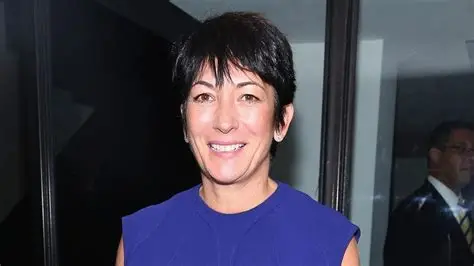
Ghislaine Maxwell, the longtime associate of disgraced financier Jeffrey Epstein, has once again placed herself at the centre of controversy after refusing to answer a series of questions during a congressional hearing in the United States. The hearing, intended to shed light on Epstein’s criminal network and institutional failures that allowed his abuse to continue for years, instead highlighted the enduring opacity surrounding one of the most disturbing scandals of modern times.
Maxwell’s refusal to cooperate has reignited public anger, renewed scrutiny of political and elite connections, and raised fresh doubts about whether the full truth behind Epstein’s operations will ever be known.
The congressional hearing was convened as part of a broader investigation into how Epstein was able to traffic and abuse underage girls for decades, despite repeated encounters with law enforcement and the justice system. Lawmakers sought clarity on the role played by associates, enablers, and institutions that failed to act.
Maxwell, who is currently serving a prison sentence following her conviction on sex trafficking-related charges, was seen as a potentially crucial witness. As Epstein’s former partner and confidante, she is widely believed to possess detailed knowledge of his contacts, methods, and sources of protection.
Yet from the outset, it became clear that cooperation would not be forthcoming.
During the hearing, Maxwell repeatedly declined to respond to questions relating to Epstein’s activities, his associates, and any involvement by influential individuals. Invoking legal protections, she refused to elaborate on her relationship with Epstein or provide insight into how his network functioned.
Her silence frustrated lawmakers, several of whom argued that her refusal undermined the purpose of the hearing.
“The American public deserves answers,” one congressman said. “Refusing to speak only deepens the suspicion that powerful interests are still being shielded.”
While Maxwell’s legal team maintains that she is exercising her rights, critics argue that her silence perpetuates a culture of impunity.
Ghislaine Maxwell is widely regarded as one of the few individuals capable of illuminating the full scope of Epstein’s operations. Prosecutors previously described her as a “critical facilitator,” alleging that she recruited and groomed victims while maintaining Epstein’s social and logistical infrastructure.
Her proximity to Epstein’s inner circle has long fuelled speculation that she knows the identities of individuals who benefited from or ignored his criminal behaviour.

For survivors, Maxwell’s refusal to answer questions is not just a legal manoeuvre — it is a painful reminder of how often accountability has been denied.
Advocacy groups and survivors of Epstein’s abuse expressed deep disappointment following the hearing. Many hoped it would mark a turning point in uncovering systemic failures and naming those who enabled Epstein’s crimes.
“Every refusal to answer feels like another door being slammed shut,” said one survivor advocate. “This is not just about one woman refusing to speak — it’s about a system that continues to protect the powerful.”
Survivors argue that without full transparency, justice remains incomplete, regardless of individual convictions.
The Epstein scandal has long transcended the boundaries of a single criminal case, becoming emblematic of broader concerns about elite privilege, political influence, and institutional failure.
Maxwell’s refusal to answer questions has reinforced public mistrust in the political and legal systems. Many believe that despite years of investigations, too much remains hidden.
Lawmakers from across the political spectrum have acknowledged that the case continues to erode public confidence.
“When witnesses refuse to cooperate and answers remain elusive, people naturally assume the worst,” said a senior congressional aide.
Maxwell’s legal representatives argue that her refusal is grounded in legitimate legal concerns, including ongoing appeals and the risk of self-incrimination in potential future proceedings.
Legal experts note that while her stance is legally defensible, it carries political and moral consequences.
“There’s a difference between what is legal and what is ethical,” said Professor Alan Reeves, a US constitutional law expert. “Maxwell may be within her rights, but the optics are deeply damaging.”
The distinction between legal strategy and perceived obstruction is central to the controversy.
Jeffrey Epstein’s death in custody in 2019 left many questions unanswered, fuelling conspiracy theories and public suspicion. His demise removed the central figure in the case but did little to resolve lingering doubts about how he operated with apparent impunity.
Maxwell’s silence only reinforces the sense that Epstein’s network extended further — and higher — than official findings have acknowledged.
Despite multiple investigations, no comprehensive public accounting of Epstein’s connections has emerged.
The hearing also revisited longstanding criticisms of law enforcement, prosecutors, and regulatory bodies that failed to stop Epstein earlier.
Repeated warnings, settlements, and plea deals allowed Epstein to continue abusing victims for years. Maxwell’s refusal to testify underscores how these failures were not isolated mistakes but part of a broader systemic breakdown.
Lawmakers stressed that accountability must extend beyond individual perpetrators to include institutional reform.
Although the hearing took place in the United States, the Epstein scandal has global dimensions. Epstein and Maxwell moved within international elite circles, travelling widely and cultivating relationships across borders.
UK observers have followed developments closely, particularly given Maxwell’s British background and the international reach of Epstein’s network.
Calls for transparency resonate far beyond Washington, reflecting a global demand for accountability in cases involving powerful figures.
Despite Maxwell’s refusal, congressional investigations are expected to continue. Lawmakers have indicated they will seek testimony from other witnesses, review sealed documents, and explore legislative reforms aimed at preventing similar failures in the future.
However, critics warn that without cooperation from central figures like Maxwell, investigations risk becoming symbolic rather than substantive.
The question remains whether further legal pressure or incentives could compel more meaningful disclosure.

The Epstein case sits within a wider reckoning around sexual abuse, power, and accountability. Movements advocating for survivor rights have highlighted how abuse thrives in environments where wealth and influence shield perpetrators.
Maxwell’s silence during the hearing has become a focal point in this debate — a reminder that justice is often constrained by power dynamics.
“This is not just about the past,” said a campaigner. “It’s about whether the system has truly changed.”
Related News:
 Two National Guard Soldiers Critically Injured Near White House
 US National Guard Member Killed in DC Shooting
 Trump to Recheck Green Cards from 19 Nations After DC Attack
 US Defence Chief on Drug Boat Strike: “Did Not See Survivors”
 Republicans Hold Tennessee Seat Despite Democratic Surge
 Franklin Turtle, Sabrina Carpenter Slam US Social Media Use
 Breast Density Awareness May Cause Unnecessary Anxiety, Study Finds
 American Mother Extradited From UK to U.S. on Murder Charges
 Russia losses Ukraine war peace talks intensify amid rising deaths
 Trump Taiwan China drills: US President Downplays Tensions
 US Venezuela protests sweep cities after intervention
 US Cities Erupt in Protests Against Trump’s Venezuela Military Action
 Trump Escalates Minnesota Immigration Surge Amid Rising Tensions
 Capitol Attack Anniversary Sparks Deep Political Divide
 Portland Shooting: Federal Agents Open Fire Near Hospital
 Trump Labels Renee Good a ‘Paid Agitator’ After Minneapolis ICE Killing
 Federal Immigration Shift: Officers Leave Louisiana for Minneapolis
 Trump: US Stands Ready to Help Iran Find Freedom Amid Widespread Unrest
 US Conducts Large-Scale Strikes Against ISIS Targets Across Syria
 Trump Says US Must ‘Own’ Greenland to Block Russia, China
 Homeland security agents deployed amid Minneapolis protests
 Minneapolis mayor demands state access to Renee Good probe
 Trump Weighs Response to Iran Crackdown as Tehran Says Communication Open With US
 Uber Faces Sexual Assault Trial in Arizona, Safety Record Scrutinised
 German Supermarket Aldi to Open 180 US Stores This Year
 Australia’s US Ambassador Rudd to Step Down Early
 Top Senate Republican Says Federal Probe of Powell Could Challenge Fed Nominees
 Trump Administration Probe of Fed’s Powell Draws Pushback
 Trading Day: Trump Crosses Fed Rubicon, Market Shrugs
 US Senator Mark Kelly Sues Pentagon Chief Hegseth Over Demotion Threats
 US judge allows Ørsted to resume Rhode Island offshore wind project
 Minnesota Sues Trump Administration Over ICE Surge
 Trump targets Iran trade with 25% tariff warning
 Greenland Faces Pivotal Summit Over Arctic Power Struggle
 US Clears Nvidia AI Chip Sales to China in Policy Shift
 Trump Threatens Strong Action If Iran Executes Protesters
 Government Unveils Northern Powerhouse Rail Plans
 Portland man pleads not guilty after Border Patrol shooting
 Trump press secretary attacks reporter over ICE question
 Kyrsten Sinema Faces High-Profile Lawsuit Over Marriage Interference
 ICE detainee death may be investigated as homicide in Texas camp
 Trump Receives Machado’s Nobel Medal in White House Meeting
 Greenland Crisis Forces Europe to Draw a Line With Trump
 China Halts Nvidia H200 Chips Despite US Export Approval
 Nasa Prepares Historic Round-the-Moon Artemis II Mission
 European Leaders Condemn Trump Tariff Threat Over Greenland
 Iran Cannot Be Bombed Into Democracy, Only Helped There
 ‘He Believed Help Was Coming’: Why Iran’s Protesters Feel Betrayed
 Trump Aide Sparks Fury as Greenland Dispute Intensifies
 Trump Fed bid heads to Supreme Court
 Historic Abu Dhabi Talks Bring US, Ukraine and Russia Together
 Trump Pulls Canada from His Controversial ‘Board of Peace’ Plan
 EU Says US Ties Have Suffered ‘Big Blow’ After Greenland Crisis
 ‘A long time coming’: US table tennis finds its moment
 ‘Unfathomable’: Australian veterans rebuke Trump claims
 Trump officials continue false claims after Alex Pretti shooting
 Minneapolis pushes back against ICE’s federal crackdown
 Border Patrol Commander Leaves Minneapolis After Fatal Shooting
 Arizona border shooting leaves suspect hospitalised after agent pursuit
 ‘Evil is resilient’: Pressure Mounts on Stephen Miller
 Videos reveal earlier clash before Alex Pretti shooting
 Partial US Government Shutdown Hits Homeland Security Funding
 Thousands Protest ICE Operations in Nationwide US Day of Action
 Epstein Files Reveal Trump Officials’ Emails with Financier
 Thousands Protest ICE in New York Against Trump Deportation Campaign
 Sinema payment row deepens after $9,000 transfer claim
 US-Cuba Negotiations Shift as Oil Blockade Looms
 Portland Mayor Demands ICE Leave After Protest Violence
 ‘Painful Times’ as Melinda Gates Responds to Epstein Files
 Trump Praises ‘Terrific’ Petro After White House Talks
 Starmer to Release Mandelson Files
 California Wins Supreme Court Approval for New Map
 ‘We Are Ready to Talk’: US News Anchor Savannah Guthrie Pleads for Return of Her Abducted Mother
 Fears of New Arms Race as US-Russia Nuclear Weapons Treaty Expires
 US and Iran Talks to Begin as Fears of Direct Conflict Continue
 US Military Says Two Killed in Strike on Alleged Drug Boat in Eastern Pacific
 Trump Endorses Japan’s Takaichi Ahead of Snap Election
US and Iran Hold Nuclear Talks as Trump Ramps Up Military Threats
Trump Endorses Japan’s Takaichi Ahead of Snap Election
US and Iran Hold Nuclear Talks as Trump Ramps Up Military Threats
 Venezuela’s Opposition Says Party Leader Kidnapped Hours After Being Freed
 Headline: Measles Alert: Dr Oz Urges Americans to Vaccinate