Published: 21 February 2026, The English Chronicle Desk, The English Chronicle Online
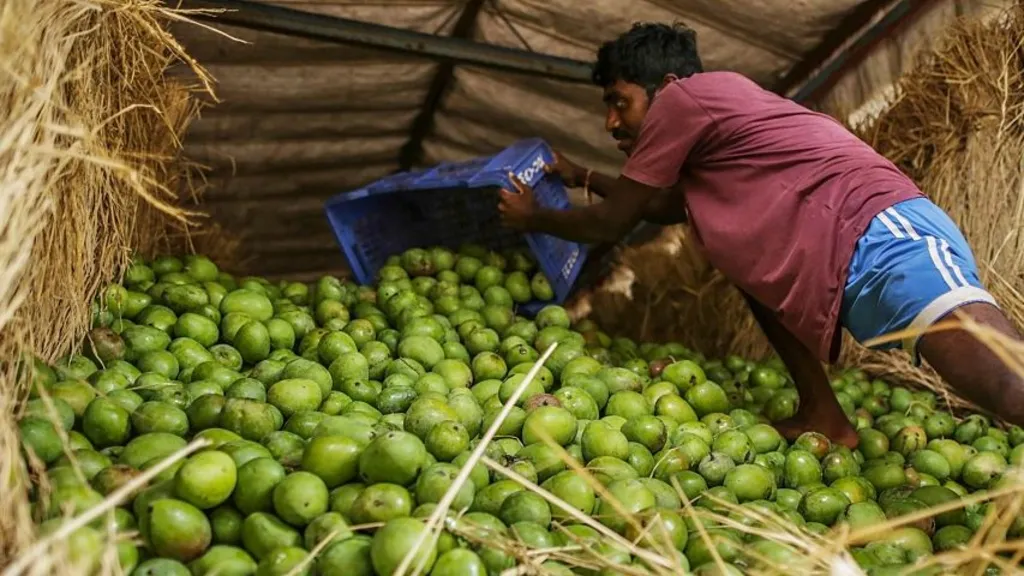
India’s iconic mango industry — long the pride of farmers from Maharashtra to Bihar — is facing an era of unprecedented unpredictability as climate change disrupts traditional patterns of flowering, fruiting and harvest. With erratic weather now the norm, scientists, exporters and growers are urging innovation and modern techniques to stabilise production, protect yields and maintain export quality.

Farmers like Upendra Singh have seen how inconsistent rain, unseasonal heat and pest pressures have made cultivation more challenging than ever. “Seasons no longer follow a pattern,” he says, explaining that rising costs and declining yields are squeezing incomes even as demand for premium varieties remains high.
To combat these effects, experts emphasise the need to blend science with traditional farming. One key method is starting each season with soil and leaf analysis to tailor fertiliser use and ensure mango trees receive the right nutrients — a scientific approach that replaces guesswork with precision.
More advanced techniques are also gaining traction. Fruit “bagging” — enclosing individual fruits in eco‑friendly coverings — helps reduce pesticide use, protect against pests and improve fruit appearance for both domestic markets and lucrative export contracts. This method has already boosted quality in countries like Bangladesh and could offer similar benefits for Indian growers.
Growers are experimenting with protected cultivation, including greenhouse and shade structures, to control temperature and humidity for young trees — a practice already used in countries like Japan and Israel to mitigate climate impacts.
In addition to on‑farm innovations, agricultural authorities are encouraging climate‑smart practices such as integrated pest management (IPM), drip irrigation and water harvesting to cope with variable rainfall. Workshops and training sessions have underscored techniques like pheromone traps and balanced fertiliser scheduling to reduce disease and pest losses.

Scientists are also working to develop climate‑resilient mango varieties through genome research and faster breeding methods, aiming to create trees that can better withstand shifting temperature patterns and unexpected weather events.
The urgency is clear: without adaptation, traditional mango farming could struggle to keep up with global demand and export standards. But with new technologies, scientific insights and smarter horticultural practices, India’s farmers are being urged to evolve their methods — not just to survive, but to thrive in an era of climate uncertainty.
Related News:
 India and US Collaborate to Launch Groundbreaking Satellite for Earth Observation
 British AI Startup Outshines Human Forecasters in Global Prediction Contest
 History Will Remember Who Showed Up: Pressure Mounts on Keir Starmer to Attend Cop30 Summit
 UK Fighter Jet Purchase Could Breach Nuclear Treaty, Warns CND
 Google at 27: The Untold Story of Ruth Kedar, the Woman Behind the Iconic Logo
 Russia repeatedly targets UK military satellites, warns Space Command chief
 Cooper Unveils £4m Cyber Plan Against Russian Hackers
 Experts Warn Russia’s Burevestnik Missile Could Destabilise Arms Control
 Britain deploys RAF specialists to assist Belgium with drone threats
 Night after night, Belgium is on high alert.
 Hitler’s DNA Confirms He Truly Had Only One Testicle
 Pokémon to open world’s first theme park in Japan next year
 Ukraine to Get 100 French Rafale Jets in Historic Deal
 Poll Reveals China Leads World in Trusting AI Technology
 US Clears Nvidia AI Chip Sales to China in Policy Shift
 Iran Signals Permanent Break From Global Internet, Activists Warn
 UK New Car Discounts Near £6,000 as Prices Are Slashed
 Musk Wants City on the Moon Within 10 Years
 Brace for Trump’s Brave New World of 1.7°C Global Warming
 Indian University Kicked Out of AI Summit for Claiming Chinese Robot Dog as Its Own Invention
 China Shows Off Nunchuck‑Wielding Humanoid Robots for Lunar New Year
 As Trump Retreats from Climate Goals, China Is Becoming a Green Superpower
 The Chinese AI App Sending Hollywood Into a Panic
 The Two Farms in Senegal That Supply Many of the UK’s Vegetables
 UK Must Act with Courage and Clarity on Israel-Palestine Conflict, Says Foreign Affairs Committee Report
 Tottenham Takes On Newcastle
 Radioactive Leak at UK’s Nuclear Warhead Base Sparks Outcry Over Safety and Secrecy
 Terence Stamp, ’60s British Film Legend and Star of Superman, Dies at 87
 Hong Kong Summons UK and Australian Envoys Following Asylum Grants to Democracy Activists
 Is the UK Ready to Put Boots on the Ground in Ukraine? Assessing Military Capacity and Challenges
 Spectacular ‘Blood Moon’ Illuminates Skies Across the Globe
 Big Pharma Investment Freeze Puts UK Life Sciences Sector Under Strain
 Channel Crossings Surge: Over 1,000 People Arrive in the UK in Small Boats in a Single Day
 Macron Phones Trump Over Traffic Jam in New York
 Comey Indictment Deepens Fears of Political Retribution Under Trump
 Yvette Cooper Signals Global Momentum Towards Gaza Peace Deal Amid Humanitarian Crisis
 “It Was Very Tough, But I Love Life”: Former Israeli Hostage Rebuilds Life After Family Killed by Hamas
 Chaos at Ibrox as Martin’s Rangers Era Comes to an End
 Trump Claims Modi Has Agreed to Halt Russian Oil Imports Amid Heightened US Pressure
 Russia’s Latest Push to Win US Favors Shows Deep Desperation
 UK Bans Fake Numbers: Scammers Lose Their Trick
 Vibe coding’ named Collins dictionary’s word of the year
 Patients to Test Health at Home to Ease NHS Winter Pressure
 BBC to Apologise Over Edited Trump Speech Amid Backlash
 Northern Lights may illuminate UK skies this week
 Trump Urges Herzog to Grant Netanyahu Full Pardon
 Indian authorities demolish Kashmir home linked to Red Fort blast
 Greene Pushes Epstein Files Amid Trump Fallout
 December Run-Off in Chile as Election Produces No Winner
 Zelenskyy Signs Fighter Jet Deal Amid Russian Drone Attacks
 Sundar Pichai Cautions on AI Hype and Market Risks
 Shadow Fleet at Sea: Europe’s Battle Against Illicit Oil Shipping
 Tiny Curacao Makes History as Smallest Nation to Reach World Cup
 India’s COP30 Delay Raises Global Climate Concerns
 US Suspends Afghan Immigration After White House Shooting
 Georgians Defy Government Crackdown After Year of Protests
 ‘Extinct’ Antelope Returns to Sahara, Bringing Hope
 Beachy Head Woman Identified as Local Eastbourne Resident
 American Mother Extradited From UK to U.S. on Murder Charges
 Facebook Slow to Remove Bondi Attack Praise, Anti-Hate Group Claims
 Trump Weighs Response to Iran Crackdown as Tehran Says Communication Open With US
 Gulf states warn Trump Iran strikes risk wider Middle East war
 Astronomers Prepare for First-Ever Movie of a Black Hole
 Sydney Shark Attack Surge Shocks Australia Beaches
 EU Says US Ties Have Suffered ‘Big Blow’ After Greenland Crisis
 Pornhub blocks new UK users over age checks dispute
 AI breast screening cuts later cancer diagnoses by 12%, study finds
 South Africa’s Garden Route Gem Faces Looming Water Crisis
 Draft Severe Weather Plan Following Storm Flooding
 What is Groundwater Flooding and Why Dorset is Seeing ‘Historical Highs’
 Most Statin Side-Effects Are Not Caused by Drugs, Study Confirms
 Portugal Election Delivers Socialist Win as Far Right Surges
 BT Names New Openreach Chief Amid Major Fibre Expansion
 Tech Trends Set to Transform Life in 2026
 Australian Families Leave Syrian Camp for Home
 Starmer Weighs Fast-Tracking Defence Boost
 ‘I Would Scream in My Sleep’: Alawite Women from Syria Tell of Kidnap and Rape
 Snow and Rain Warnings as Cold Snap Continues in the UK
 Nine Arrested in France Over Death of Far‑Right Student
 Epstein Eyed Record Label Investment to Access Women, Files Suggest