Published: February 24, 2026 .
The English Chronicle Desk.
The English Chronicle Online
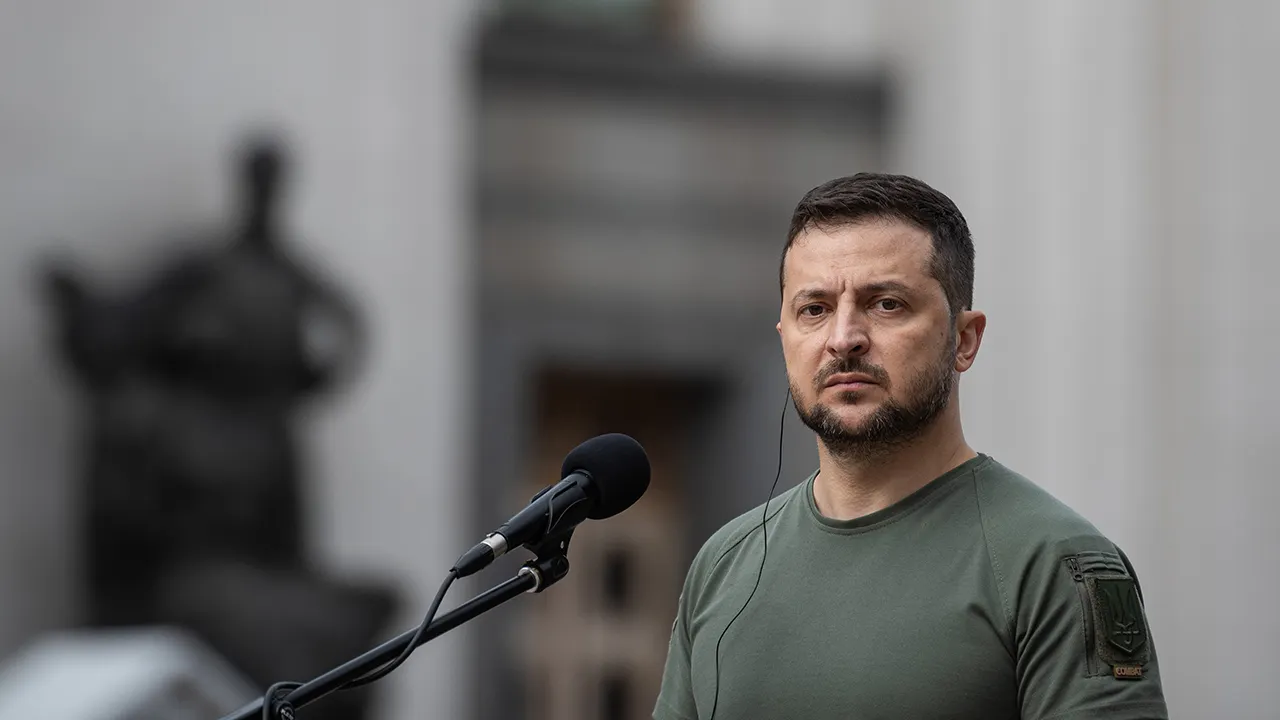
As the Russia‑Ukraine war moves into its fifth year since the full‑scale invasion began in February 2022, Ukraine’s leadership is reaffirming its commitment to achieving peace while continuing to defend its territory. The conflict has become protracted, with frontlines shifting slowly and intense diplomacy taking place against persistent hostilities. The United Nations reports that millions remain displaced and in need of humanitarian assistance, and civilian suffering continues as the conflict grinds on.

In recent international engagement, Ukrainian President Volodymyr Zelensky has voiced both determination and caution. While peace negotiations mediated by the United States and other partners have taken place, including difficult discussions in Geneva, progress toward a ceasefire or permanent settlement has been limited. Ukraine maintains that meaningful peace cannot be achieved if it involves territorial concessions that would leave parts of the country under Russian control. Zelensky has highlighted the need for robust security guarantees and international backing before entering any binding agreement.
Ukraine is preparing for further negotiation rounds, with officials indicating another U.S.‑mediated session could take place soon. These talks aim to build on previous discussions and possibly facilitate expanded prisoner exchanges between the warring sides. Ukrainian authorities describe Russia’s approach in negotiations as restrained but note that fundamental differences persist over issues such as the status of occupied regions and security assurances from Western allies.
Zelensky’s messaging reflects a dual strategy. On one front, he reiterates Ukraine’s willingness to pursue peace through diplomatic channels and work with international partners on peace plans. On the other, he insists that any ceasefire must not undermine Ukraine’s sovereignty or territorial integrity. In media interviews, Zelensky has accused Russian officials of deploying “games” in peace talks, suggesting that Moscow may not be negotiating in good faith. He has also pressed Western nations to offer clear commitments, including enhanced sanctions and military support, in order to strengthen Ukraine’s negotiating position.
Meanwhile, the battlefield situation continues to influence diplomatic efforts. Ukrainian counteroffensives and strikes inside Russian territory demonstrate Kyiv’s resolve to remain militarily capable even as it seeks negotiations. Analysts note that both sides have endured significant losses and that the war’s dynamics make a rapid resolution unlikely without major diplomatic breakthroughs.

In summary, with the war entering its fifth year, Ukraine’s leadership under Zelensky maintains that it will exhaust all avenues to achieve peace — but only on terms that do not compromise the nation’s sovereignty or security. The path forward remains complex, with ongoing combat, intermittent talks, and international diplomacy shaping the course of both conflict and peace efforts.
Related News:
 Thousands Protest ICE Operations in Nationwide US Day of Action
 Suspect in Rhode Island Ice Hockey Shooting Killed Ex‑Wife and Son
 Billionaire Les Wexner Tells US Lawmakers He Was ‘Naive’ and ‘Conned’ by Epstein
 Trump Administration Dismisses 17 Immigration Judges, Sparking Debate Over Judicial Independence
 Ministers Accused of Defamation Over Palestine Action Ban and Mass Arrests
 Father’s Tip Leads to Arrest in Charlie Kirk Murder Case
 Charlie Kirk Killing Used to Mobilise UK’s Largest Far-Right Rally in Decades
 Jailed Georgian Opposition Leaders Warn UK of Iranian Links to Ruling Party
 UK Extradition Law Change Sparks Fears Among Hong Kong Dissidents
 Shabana Mahmood Warns Border Failings Are Eroding Trust in States
 Johnson Approved China’s London ‘Super-Embassy’ in 2018
 China-critical UK academics face ‘extremely heavy’ pressure from Beijing
 Trump Urges Herzog to Grant Netanyahu Full Pardon
 US Justice Department Files Lawsuit Against California Over Partisan Voting Maps
 Trump Deploys DHS to Charlotte in Major Arrest Operation
 Congress Approves Release of Epstein Files, Trump Expected to Sign
 Texas Governor Faces Lawsuit From CAIR
 Putin Intensifies Territorial Demands Before US Talks
 US National Guard Member Killed in DC Shooting
 Trump to Recheck Green Cards from 19 Nations After DC Attack
 Trump to pause migration from ‘third-world countries’
 Chinese & Japanese Boats Clash Near Disputed Islands
 Putin Meets US Envoy Amid Key Ukraine Peace Talks
 US Defence Chief on Drug Boat Strike: “Did Not See Survivors”
 Franklin Turtle, Sabrina Carpenter Slam US Social Media Use
 Russia losses Ukraine war peace talks intensify amid rising deaths
 Trump Escalates Minnesota Immigration Surge Amid Rising Tensions
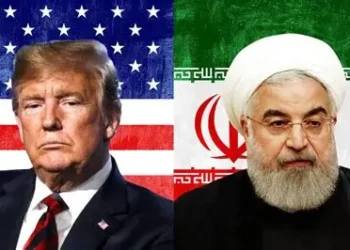 Trump: US Stands Ready to Help Iran Find Freedom Amid Widespread Unrest
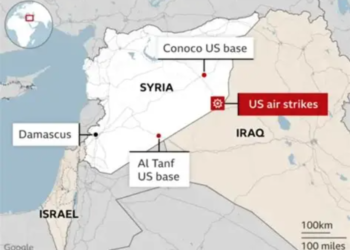 US Conducts Large-Scale Strikes Against ISIS Targets Across Syria
 Trump Says US Will Act on Greenland ‘Whether They Like It or Not’
 Trump Administration Probe of Fed’s Powell Draws Pushback
 US Senator Mark Kelly Sues Pentagon Chief Hegseth Over Demotion Threats
 Greenland Faces Pivotal Summit Over Arctic Power Struggle
 Trump Threatens Strong Action If Iran Executes Protesters
 Trump Receives Machado’s Nobel Medal in White House Meeting
 Greenland Crisis Forces Europe to Draw a Line With Trump
 Guterres Warns Global Cooperation Under Threat at UN’s 80th Year
 Iran Cannot Be Bombed Into Democracy, Only Helped There
 South Korea Jails Ex-President in Martial Law Ruling
 Historic Abu Dhabi Talks Bring US, Ukraine and Russia Together
 Trump Pulls Canada from His Controversial ‘Board of Peace’ Plan
 EU Says US Ties Have Suffered ‘Big Blow’ After Greenland Crisis
 Trump officials continue false claims after Alex Pretti shooting
 UK and EU Signal Fresh Push for Defence Cooperation Talks
 Emails Show Epstein Funded Mandelson’s Husband After Jail
 Partial US Government Shutdown Hits Homeland Security Funding
 Epstein Files Reveal Trump Officials’ Emails with Financier
 Thousands Protest ICE in New York Against Trump Deportation Campaign
 Trump Praises ‘Terrific’ Petro After White House Talks
 Starmer to Release Mandelson Files
 US Must Be Prudent When Supplying Arms to Taiwan, Xi Tells Trump
 Fears of New Arms Race as US-Russia Nuclear Weapons Treaty Expires
 US Military Says Two Killed in Strike on Alleged Drug Boat in Eastern Pacific
 Sydney Protest Clash Triggers Police Probe
 US Civil Rights Leader Jesse Jackson Dies Aged 84
 New Nuclear Talks Between US and Iran Begin in Geneva
 ‘He Did It for Us’: US Soldier Recalls Jesse Jackson’s Efforts to Free Him and Two Other POWs
 Under Pressure From Trump, Venezuela’s New President Has Aces Up Her Sleeve
 Stephen Colbert Says CBS Spiked Interview With Democrat Over FCC Fears
 ‘Staggeringly Stupid’ Man Jailed After Tattooing Children
 Police Assessing Stansted Airport Private Flights Over Epstein Ties
 Last‑ditch Call to Save Police Front Counters in London
 Nine Arrested in France Over Death of Far‑Right Student
 US to Withdraw Troops from Syria
 US Urges Iran to Make Deal as Military Presence Rises
 Desperate Hunt for Breakthrough in Nancy Guthrie Case Turns to Mexico
 How Much Could Andrew’s Arrest Hurt the Royal Family?
 Trump’s Foreign Policy Dilemma Laid Bare by Iran Tensions
 Epstein Eyed Record Label Investment to Access Women, Files Suggest
 Bill Gates Pulls Out of India’s AI Summit Over Epstein Files Controversy
 Zuckerberg Defends Meta in Landmark Social Media Addiction Trial
 ‘We’ve Been Left Homeless After Our Builder Went Bust’
 Trump Labor Secretary’s Husband Barred from Department Over Sexual Assault Allegations
 Trump Vows UFO File Release After Obama Interview
 Asos Co-Founder Dies After Thailand Balcony Fall
 Ex‑Philippine President Duterte on Trial for Crimes Against Humanity: What You Need to Know
 UK Must Act with Courage and Clarity on Israel-Palestine Conflict, Says Foreign Affairs Committee Report
 Australia’s Opposition Coalition Reunites After Rift
 ‘Trump Will Be Gone in Three Years,’ Top Democrats Tell Europe
 Australian Families Leave Syrian Camp for Home