Published: 27 February 2026. The English Chronicle Desk. The English Chronicle Online.
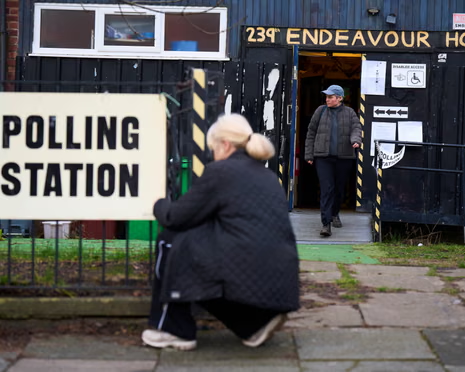
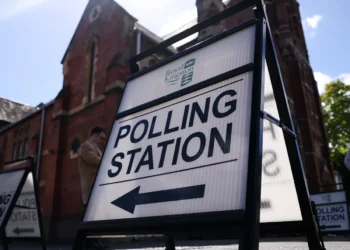
Election observers have raised serious concerns about secret ballot breaches during the Gorton and Denton byelection. Democracy Volunteers, an organisation founded by Dr John Ault and supported by the Conservative peer and psephologist Prof Robert Haywood, deployed four accredited election observers across the constituency. Their team visited 22 out of 45 polling stations while polls were open, spending between 30 and 45 minutes at each location, working in pairs to closely monitor the voting process. The observers said they focused on incidents where individuals appeared to influence each other’s votes, describing the practice as “family voting,” which breaches the secrecy of the ballot.
Manchester City Council stated that its staff had been trained to identify evidence of voter interference and that no concerns had been raised or reported during polling hours. Despite this, Democracy Volunteers noted that the introduction of the Ballot Secrecy Act in 2023 made family voting clearly unlawful, yet only 45% of the polling stations observed displayed signage discouraging the practice. The observers reported witnessing family voting in 15 of the 22 polling stations visited, documenting 32 cases in total, including nine in one location alone. Sampling 545 voters, they estimated that 12% either directed or were affected by family voting.
Dr John Ault, director of Democracy Volunteers, said that the levels of family voting in Gorton and Denton were unusually high. He explained that in his organisation’s ten years of monitoring UK elections, this was the most significant occurrence of family voting ever observed. “We rarely release reports on election nights,” Ault said, “but our data today indicates family voting at levels far exceeding other recent byelections.” He compared the figures with those from the Runcorn and Helsby byelection, where family voting affected 1% of voters across 12% of polling stations, contrasting sharply with 12% of voters affected in 68% of Gorton and Denton polling stations.

Labour expressed concern over these reports, describing them as “extremely worrying and concerning.” Anna Turley, chair of the Labour Party, emphasised that maintaining democratic integrity is essential, adding that authorities should review the evidence carefully before deciding on any further action. Similarly, Zack Polanski, leader of the Green Party, stated that full transparency in the electoral process is crucial and expressed his support for any subsequent investigation or inquiry recommended by officials. The Reform UK chair, David Bull, also weighed in, saying that any form of electoral fraud undermines democracy and should be reported to ensure fairness in line with the law.
In addition to family voting, the observers noted other irregularities during the polling day. Some voters were turned away for not being registered in Westminster elections, such as EU citizens eligible only for local votes. They also recorded instances of voters photographing their ballot papers and a case where a person was authorised to vote despite having already cast a ballot earlier in the day. These observations highlight potential gaps in electoral oversight, according to Democracy Volunteers, even if they were not indicative of widespread fraud.
The acting returning officer’s spokesperson responded by stating that polling station staff are trained to detect undue influence and that no such issues were reported during polling. They criticised the timing of the claims, asserting that concerns raised after polls closed prevented immediate action. The spokesperson explained that a central byelection hub was operating to respond to issues throughout the day in coordination with police, who maintained a presence at all polling stations. They called the post-election claims by Democracy Volunteers “extremely disappointing,” arguing that any real-time concerns could have been addressed promptly if reported while polls were open.
Observers contend that family voting poses a risk to the fairness of elections, noting that it can exert subtle pressure on individuals to follow others’ choices. While the Ballot Secrecy Act was intended to curb such influence, the uneven implementation of warning signage may have limited its effectiveness. Democracy Volunteers stressed that their findings do not imply intentional wrongdoing by authorities or political parties, but reflect systemic vulnerabilities in ensuring fully independent voting. They argue that raising awareness and increasing monitoring could reduce instances of family voting in future elections.
Analysts note that family voting, though sometimes dismissed as harmless, can distort election outcomes, particularly in tightly contested constituencies like Gorton and Denton. While only a minority of voters may participate in such practices, the visibility of influence within polling stations undermines the principle that every individual’s vote should be private and free from coercion. Experts suggest that electoral authorities could introduce more robust measures, such as increased signage, voter education campaigns, and randomised checks, to discourage any form of ballot interference.
Public reaction to the reports has been mixed. Some local residents expressed concern that family voting could sway election results, while others argued that isolated cases are unlikely to significantly affect outcomes. Social media discussions highlight broader debates about election integrity in the UK, reflecting growing public interest in transparency and fairness. Voters have called for clarity on how breaches are identified and for consistent application of existing legislation, emphasising the importance of public trust in democratic institutions.
Democracy Volunteers has committed to publishing a detailed post-election report analysing all observed data, including patterns of family voting, voter conduct, and compliance with identification requirements. Their report will provide insight into the frequency and nature of breaches, comparing findings with historical data from other elections. The organisation hopes that policymakers, political parties, and election officials will use the evidence to strengthen procedures and safeguard the secret ballot in future contests.

The byelection in Gorton and Denton also raises questions about voter ID requirements. Observers noted that all voters were required to present valid identification before receiving a ballot, and while the rule is designed to prevent fraud, it may inadvertently create challenges for certain voter groups. The combination of family voting and ID verification highlights the delicate balance election authorities must maintain between preventing manipulation and facilitating voter access. Experts suggest that ongoing monitoring and training for poll workers are essential to ensure that these measures support rather than hinder democratic participation.
Ultimately, the reports from Gorton and Denton underscore the complexity of administering free and fair elections. They illustrate how seemingly minor behaviours, like family voting or photographing ballots, can spark scrutiny and public concern. Democracy Volunteers’ observations provide valuable data for evaluating current practices and reinforcing the importance of transparency. Officials, political parties, and civil society organisations are likely to examine these findings carefully to determine whether policy adjustments or additional safeguards are warranted in future UK elections.
The ongoing dialogue surrounding secret ballot integrity highlights a broader commitment to democratic principles. As local authorities, political organisations, and independent observers collaborate, the goal remains clear: ensuring every voter can cast their ballot freely and privately. While immediate impacts on election results remain uncertain, the attention brought to family voting and voter conduct may influence future policy, training, and enforcement strategies. The case of Gorton and Denton may therefore serve as a benchmark for improving electoral integrity nationwide.
Related News:
 British Woman in Iran ‘Losing Hope’ Amid Ongoing Detention
 BBC Journalist Held and Interrogated in Vietnam
 Green Party Surges Past Labour in Latest UK Poll
 Celebrities and Charities Demand UK Government Act on Child Poverty
 Trump’s UK Ambassador Urges North Sea Drilling to Strengthen US Ties
 FBI Director Kash Patel Defends Girlfriend Amid Government Jet Claims
 French Taxi Driver Cleared in David Lammy Theft Case After Fare Dispute
 Boris Johnson accused of undermining BBC leadership
 ‘Reckless’ cuts to victims’ services will cost more than they save
 Millionaires group urge Reeves to introduce wealth tax to ‘lift kids out of poverty’
 Starmer Faces Growing Dissent as Labour MPs Weigh Leadership Challenge
 Reeves rejects £1bn plea for NHS redundancy payouts
 Politics latest: Starmer ‘will fight any leadership coup’ as Streeting denies attempt to oust Labour PM
 PM Condemns Leaks, Vows Loyalty to Ministers and Stability
 Major Rent Reform Ends No-Fault Evictions in England
 Peers Flood Assisted Dying Bill with 942 Amendments
 England’s Special Needs Support Faces Breaking Point
 MoD warned over Excel risks before Afghan data breach
 UK Asylum Overhaul Sparks Debate Over Human Rights and Deportations
 UK Candidate Moved to Safe House After Election Threats
 UK Warns China After MI5 Issues Espionage Alert
 Labour Faces Historic Decline in Wales
 Rama Rebukes Mahmood for Targeting Albanian Families
 PM Highlights UK Business at G20 in South Africa
 Kate Forbes: Motherhood Harder Than Politics
 Most Tories Expect to Support a Farage-Led Government
 Labour MP claims devolution bill is ‘blatant discrimination’ against Cornwall
 Millions Face Higher Taxes Under Reeves New Budget
 Peers Get Extra Time to Debate Assisted Dying Bill
 Planned Palestinian Flag Raising at Belfast City Hall Faces Delay Amid Legal Concerns
 Starmer Says Labour’s Economic Plan Needs Years to Deliver
 Culture secretary to review Telegraph takeover by Daily Mail owner
 Andy Burnham Apologises for Past LGBTQ+ Police Discrimination
 Plans to Limit Jury Trials Face Retreat After Mounting Opposition
 Jenrick Reform defection deepens Tory civil war
 Right Must Unite After Jenrick Defection, Urges Rees-Mogg
 UK Ministers Drop Foreign Student Targets for Global Education Push
 MPs warn AI financial risks threaten UK stability
 MPs warn AI financial risks threaten UK stability
 No Gas Boiler Ban as UK Warm Homes Plan Backs Heat Pumps
 Hugh Grant Joins Call for Under-16 Social Media Ban in UK
 Shinzo Abe’s killer receives life sentence in Japan
 Lords Vote Piles Pressure on Starmer Over Social Media Ban
 Planned Troubles Board Game Sparks Outrage in Northern Ireland
 Reform UK Health Plan ‘Would Cost £1.7bn’, Streeting Says
 Police response times face strict new national limits
 Labour policing overhaul sparks fears over growing central control
 Tories criticised after Braverman defection sparks mental health row
 Burnham Westminster return hopes fade amid Labour rift
 Starmer warns of toxic division politics in Reform challenge
 Starmer China visit raises human rights pressure on Beijing
 Labour Must Revive High Streets to Avoid Election Collapse
 Calls Grow for King Charles to Apologise for Crown’s Role in Slavery
 Palantir contracts face UK halt calls over transparency
 Labour Thinktank Row Deepens Over Journalist Probe Claims
 Sarwar call shakes Labour as No 10 calms fears
 Labour Lord Doyle Apologises Over Paedophile Ties in Political Storm
 Cabinet Secretary Shake-Up Triggers Due Diligence Warning
 Starmer Faces Inquiry Calls Over Thinktank Probe
 Royal Mail Delivery Crisis Deepens Amid Weather Chaos
 Labour Together probe scandal sparks fresh Cabinet Office investigation
 Farage to Name Jenrick as Reform Chancellor Pick
 Farage Unveils Reform UK Frontbench Team
 NHS Negligence Ruling Raises Payout Costs
 Civil Service Pay: Union Urges Ministers to End ‘Barking Mad’ Limits
 Antonia Romeo appointment sparks criticism
 Trump and Chagos Deal Rift Over Iran Strikes
 Andrew Mountbatten-Windsor Arrest After FBI Radar
 Farage Chagos Islands Row Sparks Fury
 Trump Tariffs Threat Spark UK and EU Alarm
 Gasfield Deal Sparks Debate Over Fracking in Lincolnshire
 Reform UK targets workers’ rights repeal
 Ministers Urged to Ban Crypto Political Donations
 Mandelson Denounces Arrest Over ‘Baseless’ Fleeing Claims
 Russian Trade Routed Through British Islands Exposed
 Mandelson Arrest: Met Apologises to Hoyle
 Palestine Action ban appeal moves forward
 Reeves Must Back Defence Plan or Face Dismissal, Says Unite Chief
 NHS Maternity Units Cover Up Harmful Childbirth Errors
 Green Party Stuns Labour in Gorton and Denton Byelection