Published: 27 February 2026
The English Chronicle Desk
The English Chronicle Online
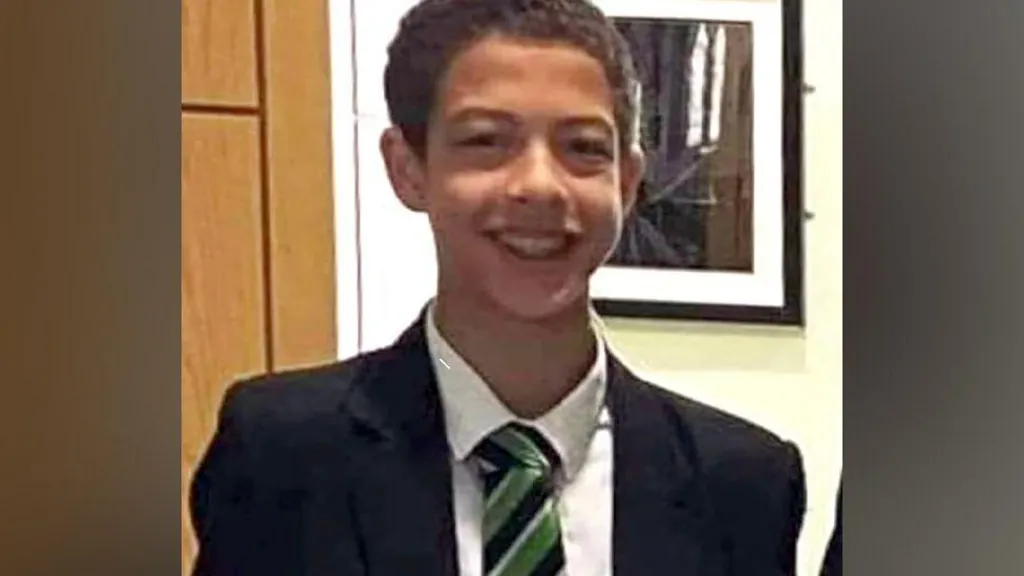
The inquest into the death of 14‑year‑old Noah Donohoe has heard that well‑meaning volunteers and others described by search leaders as “people from outside” significantly disrupted the official search efforts when the Belfast schoolboy went missing in June 2020. Witness testimony at Belfast Coroner’s Court this week painted a picture of chaotic scenes around Northwood Linear Park and surrounding areas, where trained rescuers struggled to maintain a coordinated search in the face of mounting public involvement.

Noah, a pupil at St Malachy’s College, vanished on 21 June 2020 after leaving his south Belfast home on his bicycle to meet friends. His body was found almost a week later in a storm drain tunnel near the M2 motorway in north Belfast, with the post‑mortem concluding that he had drowned.
During the inquest, Sean McCarry, regional commander of the Community Rescue Service (CRS) volunteers involved in the search, told jurors that the scale of public response was unprecedented but that it also made it more difficult for trained personnel to conduct methodical operations. McCarry said that hundreds of members of the public, many from outside the immediate community, had gathered in search areas and that the crowd had to be asked repeatedly to step back so that specialist teams could carry out technical searches safely and without interference.
McCarry acknowledged that while many volunteers were “well intentioned” in their desire to help, there were also people who tried to “insert” themselves into search efforts without sufficient training or awareness of operational procedures. He described such participation as problematic, saying it diverted resources and created additional safety concerns for both rescuers and bystanders. Although he framed this observation diplomatically, McCarry said that balancing public enthusiasm with the need for orderly, professional search protocols was a major challenge.
The inquest has also examined other aspects of the search, including the timing of crucial information being shared with search teams. Witnesses detailed how delays in passing on CCTV data and phone‑location details may have hampered early search decisions, potentially affecting the direction and focus of the response in critical hours.
Noah’s disappearance drew intense local and city‑wide attention at the time, prompting not only official search efforts by police and CRS volunteers but also widespread community involvement. The coroner’s proceedings have underscored this collective determination to find the missing boy, even as they scrutinise how the operation was managed and whether procedural changes are needed to improve future responses.

As the inquest continues, the focus remains on understanding the sequence of events in June 2020, the conduct of search operations, and how different forms of public participation influenced professional efforts. The hearing continues to examine evidence relating to the progress of the search, police information handling, volunteer coordination, and other operational issues.
Related News:
 Stop Releasing Phone Thieves Who Reoffend, Met Police Chief Urges Courts
 Disability and LGBT Hate Crimes Set to Become Aggravated Offences
 Last‑ditch Call to Save Police Front Counters in London
 Sadistic Pair Jailed for Blowing Up Sheep
 Grave of Murdered Toddler James Bulger Vandalised
 Tasers Introduced in UK Prisons to Combat Rising Violence and Protect Staff
 Targeted Attack in Bury Sparks Murder Investigation as Community Awaits Justice
 Man Remanded After Children Fall Ill at Leicestershire Summer Camp in Shocking Child Cruelty Case
 Hunt Intensifies for Southport Riot Suspects as Police Release Full List of 40 Still at Large
 AI Revolutionises Grooming Gang Investigations as Police Target Cold Cases Across England and Wales
 Police Advised to Disclose Ethnicity of Suspects in High-Profile Cases
 Merseyside Police Helicopter Crew Cleared After Low-Altitude Pursuit of Suspect
 UK Launches Major Crackdown on Networks Profiting from Online Child Sexual Abuse
 Jailed Georgian Opposition Leaders Warn UK of Iranian Links to Ruling Party
 No Evidence Found to Substantiate Alleged Rape in Oxfordshire Churchyard, Police Confirm
 UK Police to Gain New Powers to Manage Repeated Protests, Home Office Announces
 Madeleine McCann Detectives to Testify Against Woman Accused of Stalking the Family
 Boris Johnson Breached Rules on Post-Office Business Contacts
 Afghan Man Guilty of Threatening Nigel Farage in TikTok Video
 UK Gamer Recruited by Wagner Group Found Guilty of Arson
 China Spy Case Hearing Reveals Key Gaps in Prosecution
 Migrant Sex Offender Deported After Erroneous Prison Release
 It’s time to come clean on the China spy case
 Five More Prisoners Freed by Mistake in Essex Week
 Nearly 48,000 Zombie Knives Removed from UK Streets in a Year
 Afghan man charged with murder after west London knife attack
 Man Charged Over Cambridgeshire Train Stabbing
 French Taxi Driver Cleared in David Lammy Theft Case After Fare Dispute
 Just Stop Oil Protesters Convicted Amid Climate Defence Row
 Met Police Culture Makes Racial Harm ‘Inevitable’
 British Grandmother to Return Home After Death Sentence in Bali
 Remaining rebel Labour MPs have whip restored
 Victims’ commissioner Baroness Newlove dies aged 63
 ‘Fake Admiral’ Sparks Outrage at Remembrance Event
 Paralegal Fired After Exposé on Illegal Worker Scam
 Dan Wootton Rejects Catfishing Allegation in Court
 Serial Rapist and Former Cop Found Guilty Again
 Gardener Guilty of Brutal Attack on Teacher Partner
 Twelve Prisoners Released in Error, Two Still Missing
 Met Police Under Scrutiny for Vetting Failures Among Hundreds of Recruits
 Woman Jailed for Life After Killing E-Bike Rider in Tragic Mistaken Identity Case
 Betfair Faces Pressure Over Funds Lost to Gambling Fraud
 Emails Show Epstein Funded Mandelson’s Husband After Jail
 Police Probe Mandelson Over Alleged Epstein Leak
 EXCLUSIVE: Shamed Andrew’s New Humiliation as King Lays Down New Rule After Royal Lodge Boot
 Royal Marine Admits Killing Man with Fatal Punch
 Appeal to B&B Owners Over Cash Point Ram-Raid
 Man in Court Charged with Belfast Murder
 Rapist Caught by DNA 20 Years After Teen Attack
 UP IN FLAMES: Huge Blaze Rips Through Odeon Cinema, Students Evacuated
 Wayne Couzens Still Eligible for £7k Pension
 Motorists Could Face ‘Mandatory’ Driving Ban for Road Offences Under Tougher Laws
 Teenagers Guilty of Killing Man They Lured to Beach
 Met Using E‑Bikes and Drones to Catch Phone Thieves
 ‘Staggeringly Stupid’ Man Jailed After Tattooing Children
 Teacher Who Lied About Cambridge Degree Banned From Profession
 Illegal Skin Lightening Cream Being Sold in UK Butchers, Watchdog Warns
 Man Who Threw Kittens Into River Thames Sentenced
 Deaf Woman Killed After Night Out With Strangers, Court Hears
 Prisoner Escapes London Hospitals Twice in a Week
 Sisters to Repay £220k After Gatwick Airport Thefts
 Suspect in Rhode Island Ice Hockey Shooting Killed Ex‑Wife and Son
 How Much Could Andrew’s Arrest Hurt the Royal Family?
 Andrew Released Under Investigation After Arrest
 Epstein Eyed Record Label Investment to Access Women, Files Suggest
 Two Teens Found Dead at East Yorkshire Holiday Park
 Fly-Tippers to Be Hunted by ‘Drone Squad’ in Crackdown from the Sky
 Dad Found in Bed with Daughter 16 Years After Abandoning Her as a Child
 I Confronted a Mugger with an 18-Inch Machete in London – No Wonder Tom Cruise is Leaving
 He Told Police His XL Bullies Were Friendly – Days Later His Mother-in-Law Was Mauled to Death
 ‘Don’t Make Us Security Guards,’ Says Teacher Stabbed by Pupil
 ‘We’ve Been Left Homeless After Our Builder Went Bust’
 Court Error Frees Rape Suspect Who Flees UK
 Trial Date Set for Student Accused of Racial Hatred
 Two Arrested After Woman Set on Fire in Revenge Attack
 Driver Admits Causing Death of Mother Pushing Pram
 Rape Accused Had Fight With Man in Alley, Court Told
 Flatmates Cleared of Raping Man After Night Out
 MoD Launches Review into Whether Epstein Used RAF Bases
 Man Charged Over Derry Kidnapping Incident