Published: 02 March 2026. The English Chronicle Desk. The English Chronicle Online.
The UK hotel data sharing probe has sent ripples across the global hospitality sector this week. Britain’s competition watchdog has launched a formal investigation into three of the world’s largest hotel groups. The inquiry centres on concerns that competitively sensitive information may have been shared between rival firms. Regulators stress that no conclusions have yet been reached. However, the development has already drawn intense scrutiny from investors and industry observers alike.
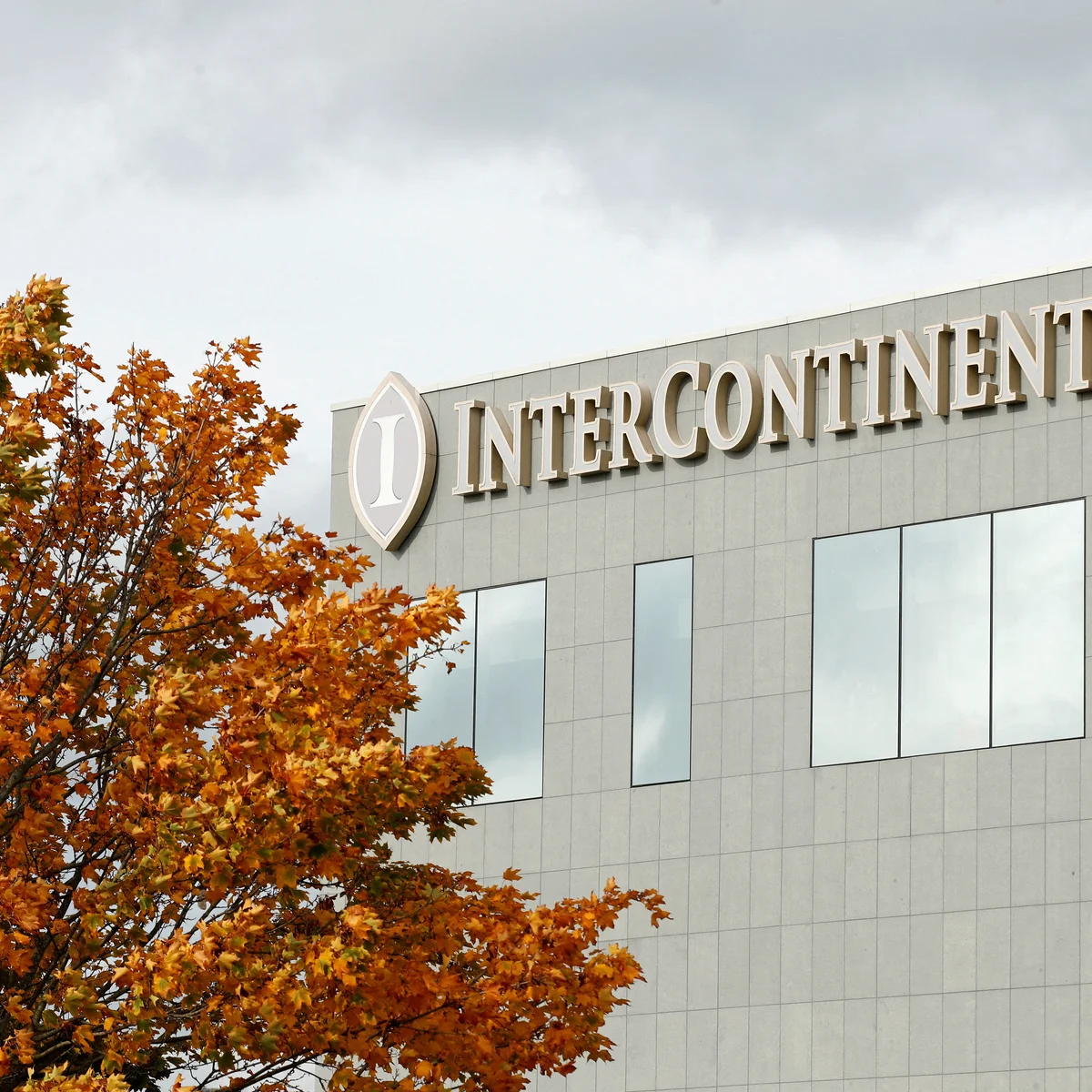
The investigation is being led by the Competition and Markets Authority, commonly known as the CMA. The regulator confirmed it is examining potential information exchanges involving Hilton, InterContinental Hotels Group and Marriott International. Together, these companies operate more than 25,000 hotels worldwide. The scale of their operations means any coordinated conduct could have significant market implications.
At the heart of the probe lies the use of a data analytics platform known as STR. The platform is owned by CoStar Group, a Washington DC-headquartered real estate data specialist. STR provides detailed industry metrics including occupancy rates, average daily room prices and revenue per available room. Such data is widely used by hotel operators to assess demand patterns and adjust pricing strategies.

The CMA is examining whether access to shared data through STR could have reduced competitive uncertainty. In competitive markets, businesses typically lack precise knowledge of rivals’ pricing intentions. That uncertainty encourages firms to compete aggressively on price and service. Regulators worry that shared insights into rivals’ performance could weaken that competitive pressure.
In a statement, the CMA explained that rival businesses sharing competitively sensitive information can reduce the uncertainty that normally drives competition. When companies can better predict each other’s actions, it may become easier to coordinate behaviour. Even without explicit agreements, this alignment can potentially harm consumers. The authority emphasised that its role is to protect fair competition and ensure consumers receive value.
The UK hotel data sharing probe will now move into an information-gathering phase. The CMA has indicated that this process could take up to six months. During that period, it will collect documents, request data and seek responses from the companies involved. Only after reviewing the evidence will the regulator decide whether to issue a formal statement of objections.
Financial markets reacted swiftly to the announcement. Shares in InterContinental Hotels Group, which is listed on the FTSE 100, fell sharply in early trading. Investors appeared concerned about potential legal exposure and reputational damage. Although no wrongdoing has been established, regulatory investigations can create prolonged uncertainty for listed firms.
CoStar responded by saying it was cooperating fully with the inquiry. A spokesperson expressed surprise at the regulator’s interest in what the company described as a longstanding benchmarking platform. The firm noted that STR has been used for decades by private companies and public bodies alike. According to CoStar, the platform helps businesses better understand market dynamics rather than distort them.
InterContinental Hotels Group, headquartered in Windsor, England, also confirmed it would cooperate fully. The company employs more than 400,000 people globally and operates brands across multiple market segments. Hilton and Marriott have similarly indicated their willingness to engage constructively with the regulator. All parties have stressed that the investigation is at an early stage.
The broader issue raised by the UK hotel data sharing probe reflects changing market realities. In modern industries, data analytics tools are increasingly central to commercial decision-making. Algorithms can analyse vast quantities of information within seconds. This allows businesses to adjust prices quickly in response to demand fluctuations. In theory, such efficiency can enhance competition and benefit consumers.
However, regulators worldwide have grown more cautious about data-driven coordination. When multiple competitors rely on the same analytics provider, the risk of information spillovers increases. Even aggregated or anonymised data can reveal patterns that influence pricing behaviour. Competition authorities must therefore assess whether such tools inadvertently reduce rivalry.
The CMA has made clear that no assumptions should be drawn at this stage. It emphasised that the opening of an investigation does not mean the law has been broken. Only after detailed analysis will the authority determine whether competition rules have been infringed. This careful approach aims to balance robust enforcement with procedural fairness.
The investigation also reflects a broader regulatory focus on digital markets. In November last year, the CMA opened separate investigations into eight companies over online pricing practices. Those cases highlighted concerns about algorithmic pricing and transparency. The current hotel sector inquiry appears consistent with that wider strategy.
For consumers, the implications are significant. Hotel pricing is often dynamic, fluctuating based on demand, seasonality and local events. Many travellers accept that room rates vary according to availability. Yet regulators are tasked with ensuring that price movements result from genuine competition rather than coordinated conduct.
Industry analysts note that benchmarking services like STR are commonplace. Hotels have long relied on shared market statistics to compare performance. The key legal question is whether the information shared goes beyond permissible aggregation. If data reveals granular insights into individual competitors’ strategies, concerns may intensify.
The UK hotel data sharing probe could also influence regulatory thinking in other jurisdictions. Competition authorities in Europe and the United States are monitoring how digital tools shape market behaviour. Should the CMA identify problematic practices, similar reviews may follow elsewhere. That prospect adds an international dimension to the case.
For now, the hospitality sector remains watchful. The companies under investigation continue normal operations. Bookings, expansions and brand launches proceed as planned. Nevertheless, compliance teams are likely reviewing internal policies carefully. Clear guidelines on data use and third-party platforms may become increasingly important.

Legal experts suggest the outcome could hinge on the nature of the data flows. If information was sufficiently aggregated and historical, risks may be limited. Conversely, if near real-time data enabled predictive coordination, scrutiny could deepen. Much will depend on the technical details gathered during the investigation.
The CMA’s mandate is to safeguard competitive markets for the benefit of UK consumers. In sectors as large as hospitality, even subtle shifts in competitive intensity can affect millions of customers. Room rates influence travel budgets, tourism flows and business expenses. Ensuring fair pricing therefore carries wider economic significance.
As the UK hotel data sharing probe unfolds, transparency will be essential. The regulator has committed to updating the public at appropriate stages. Companies involved will have opportunities to respond to any provisional findings. This structured process aims to ensure decisions are evidence-based and proportionate.
Ultimately, the case highlights the delicate balance between innovation and regulation. Data analytics can drive efficiency and insight across industries. Yet competition law must evolve alongside technological change. The coming months will reveal how regulators interpret that balance within the global hotel market.
Related News:
 Reeves Faces Setback as Labour May Miss Homes Target
 Trump’s UK Ambassador Urges North Sea Drilling to Strengthen US Ties
 ABF May Split Primark from Food Division Amid Tough Market
 M&S Profits More Than Halve After Cyber-Attack
 Tony Blair think tank warns Rachel Reeves must cut taxes if manifesto broken
 Oprah enjoys Meghan’s jam on English muffins
 Millionaires group urge Reeves to introduce wealth tax to ‘lift kids out of poverty’
 UK toy market enjoys bumper year as ‘kidults’ fuel demand
 Global markets drop amid tech sell-off and China slowdown
 PM Highlights UK Business at G20 in South Africa
 Mossmorran Plant Closure Hits Cowdenbeath Hard
 UK Taskforce Unveils Plan to Streamline Nuclear Reactor Rules
 Steel billionaire Lakshmi Mittal reportedly leaves UK
 Starmer Says Labour’s Economic Plan Needs Years to Deliver
 Virgin Media Fined £23.8m Over Telecare Safety Failures
 Rising Water Bills Lift Troubled Thames Back to Profit
 Sainsbury’s CEO leads business honours in New Year list
 Starmer Faces Parliamentary Battles Over UK-EU ‘Reset’ Plan
 Phoenixism Costs UK Taxpayers Millions in Recruitment Sector
 ScottishPower Tops List of Worst UK Energy Suppliers
 City & Guilds pay surge sparks backlash amid £22m cuts
 UK Government Borrowing Drops to £11.6bn in December
 AI job losses UK: Britain faces sharper employment shock
 Most young adults in UK fear uncertain jobs and economic future
 Royal Mail delivery delays affect 16 million during Christmas
 UK Housing Market Shows Early Recovery Signs
 UK economy struggles as growth stalls at 0.1% in late 2025
 Bank of England Urged to Cut Rates to Spur Growth
 UK Unemployment Rate Climbs to 5.2% Peak
 UK shelves £110m border project amid trade strain
 UK Inflation Surprise Sparks Early Rate Cut Hopes
 Progress on gender equality at top UK firms ‘achingly slow’
 Reeves Must Back Defence Plan or Face Dismissal, Says Unite Chief
 Switching Energy Deal Can Save £200 as Price Cap Falls
 OBR Reform Row Deepens Before Spring Forecast
 UK house prices rise as market steadies
 Grocery Inflation Rises Amid War Fears
 Peak Greggs fears as profits tumble sharply
 BrewDog sold Highland estate for knockdown price after abandoning reforestation plans
 Yorkshire Water Funding Sparks Debate Amid Fines and Pay Row
 John Lewis bonus returns after four years as profits rise
 New £10bn rescue plan offered for Thames Water
 UK Energy Reform Could Cut Bills by £200
 UK Doubles Steel Tariffs to 50% to Protect Domestic Plants
 Starmer Adviser Urges New Profit Cap on Energy Firms
 Hospitality Sector Teeters on Brink as Costs Surge
 Iceland Boss Offers Role to Sacked Waitrose Employee
 Student Loan Interest May Rise Despite 6% Cap
 Major Housebuilder Cuts Land Buying Amid Global Unrest
 City & Guilds Sale Sparks Fees and Pay Uproar
 Heathrow Chair Seeks Peace to Save Third Runway
Carillion Executives Banned After Reckless Misconduct
Heathrow Chair Seeks Peace to Save Third Runway
Carillion Executives Banned After Reckless Misconduct
 Labour Faces Internal Pressure for Bold Economic Shift
 Millionaires Back Higher Taxes to Save UK Public Services
 Crypto Tycoon Enters UK Rich List at Number Six
 UK Firms Freeze Spending as Iran Conflict Bites
 Summer Shock: British Energy Bills Set for Grim July Hike
 Reeves to Fast-Track Clean Energy Amid Iran Crisis
 M&S Boss Slates Food Price Caps as ‘Preposterous’
 UK Pushes for New EU Goods Trade Deal
 UK Urged to Build EU Rejoin Consensus, Says Miliband
 Tube Strike Brings Capital to a Standstill Over Shift Disputes
 BP Stands Firm on Amanda Blanc Amid Boardroom Storm
 Steel Tensions Rise Between United Kingdom and European Union
 UK House Prices Drop For Third Month Due To War Fears
 Top Chefs Back Andy Burnham to Save UK Hospitality Sector
 UK Steel Crisis: Jingye Demands Payout After Takeover
 Flutter to Cancel London Stock Exchange Share Listing
 AI Scams Push UK Investment Fraud Past £220m
 Whitehall Steps In: The Battle Over Thames Water Deepens
 Thames Water Nationalisation Pushes Closer After Rescue Objected
 John Lewis Invests £20m in Glasgow Store Upgrade
 Tesco Sales Growth Halves as Middle East Conflict Bites
 Andy Burnham Enlists Economic Heavyweights for Leadership Bid
 Tories Clinch Shock Victory in Aberdeen South Byelection
 Rethinking the Blueprint for Youth Employment in Britain
 Sainsbury’s Boss Optimistic As Grocery Inflation Eases
 UK Households Suffer Squeeze As Disposable Incomes Drop
 Bank of England Eases Rules Despite Rising AI Risks
 BBC Faces Real Jeopardy as Licence Fee Income Declines