Published: 3 March 2026 . The English Chronicle Desk.
The English Chronicle Online
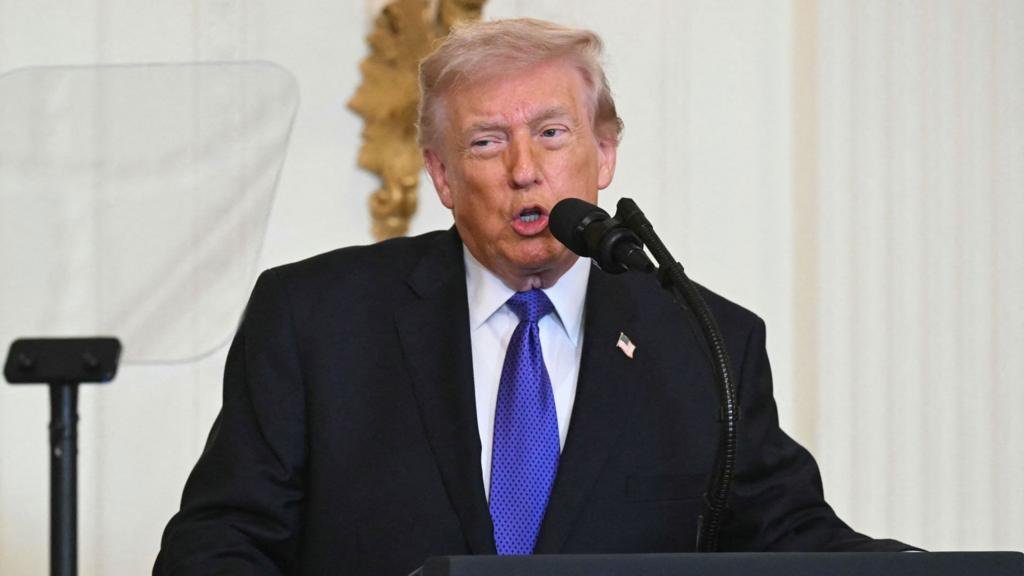
As the United States military campaign against Iran intensifies following a contested decision by President Donald Trump to launch strikes on Iranian territory, analysts, lawmakers and foreign policy experts are highlighting a striking lack of clarity over what America’s strategic endgame actually is — compounded by mixed messages from Washington on war aims and timelines.

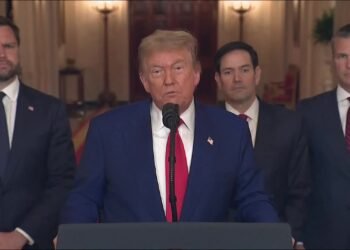
Since the offensive — dubbed Operation Epic Fury — began with a significant assault that included the killing of Iran’s supreme leader and hundreds of strikes on military targets, the Trump administration’s public narrative has been inconsistent. Trump has described multiple objectives, including degrading Iran’s missile capability, dismantling its navy and halting nuclear ambitions, even while offering shifting timelines and at points suggesting the conflict could play out over weeks or much longer.
This ambiguity is evident within the administration itself. U.S. defence officials such as Secretary of Defense Pete Hegseth and Joint Chiefs Chairman Gen. Dan Caine have acknowledged that achieving the campaign’s military goals will likely take time, declining to provide a precise end date or scope. Their comments contrast with earlier statements by Trump projecting a four-to-five-week operation — or in some remarks leaving open the possibility of ground troop deployment if “necessary.”
Mixed messaging on core objectives has raised questions both domestically and internationally. Some statements frame the conflict as a defensive response to perceived threats from Iran’s nuclear and missile programmes, while others verge into aspirations that resemble broader political change, including rhetoric about empowering Iranians or unsettling Tehran’s governing structures. These mixed signals have complicated U.S. diplomatic messaging and left observers uncertain whether Washington seeks limited deterrence, long-term containment, or something closer to regime transformation.
The absence of a clearly articulated endgame has not gone unnoticed in Washington. U.S. lawmakers from both parties have expressed concern that the strikes proceed without a defined “day after” plan outlining how the conflict would conclude or how stability might be achieved once active military operations wind down. Republican voices have voiced cautious optimism about Iran’s future, while Democrats have questioned whether airstrikes alone can reliably achieve strategic goals without escalation or prolonged engagement.
Internationally, allies and adversaries alike have reacted to the opacity of U.S. war aims. Some partners have backed the strikes rhetorically, framing them as necessary for collective security, while others urge diplomatic channels and a clear political strategy to avoid a broader, protracted conflict. Iran, meanwhile, has categorically rejected renewed negotiations after Trump’s actions, with senior officials dismissing diplomatic overtures and escalating rhetoric.
Experts warn that muddled messaging — particularly when it spans statements about short-term military objectives and open-ended political outcomes — can weaken strategic coherence and erode domestic support. Historically, persistent uncertainty about war aims has complicated public understanding and congressional oversight of major military engagements. Today’s debate over Trump’s Iran strategy is unfolding against that backdrop, with no clear consensus on how or when the U.S. might step back from its current posture.

The broader question now is whether Washington will refine its objectives into a clear framework that can guide diplomacy, military planning and, most critically, regional stability — or whether continued ambiguity will prolong conflict, invite escalation and leave the American public unsure of what success would look like in the Middle East theatre.
Related News:
 Cooper: Joining US Strikes on Iran ‘Not in Britain’s Interest’
 Hopes and Fears as US Iranians Take to Streets After Toppling of Supreme Leader
 Iran, the US, and a World Cup That Starts in Three Months
 UK Will Allow US to Use Bases to Strike Iranian Missile Sites, PM Says
 Trump Says US Will Act on Greenland ‘Whether They Like It or Not’
 Trump Receives Machado’s Nobel Medal in White House Meeting
 Thousands Protest ICE Operations in Nationwide US Day of Action
 Epstein Files Reveal Trump Officials’ Emails with Financier
 Thousands Protest ICE in New York Against Trump Deportation Campaign
 US Must Be Prudent When Supplying Arms to Taiwan, Xi Tells Trump
 Fears of New Arms Race as US-Russia Nuclear Weapons Treaty Expires
 Iran Says ‘Guiding Principles’ Agreed With US at Nuclear Talks
 US Urges Iran to Make Deal as Military Presence Rises
 US Build-Up of Warships and Fighter Jets Tracked Near Iran
 Trump’s Foreign Policy Dilemma Laid Bare by Iran Tensions
 US Partially Evacuates Beirut Embassy Amid Rising Iran Tensions
 Trump’s Iran airstrikes decision to be guided by Kushner and Witkoff’s advice
 Israel and Hezbollah Exchange Fire as Conflict Worsens
 Iran’s Regime Still Intact — Coming Days Will Test Its Survival
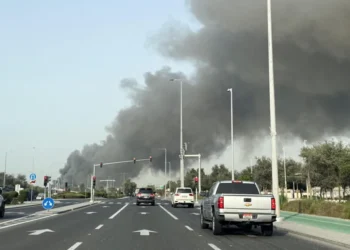 Allies of US in the Gulf Bear Brunt of Iran Attacks
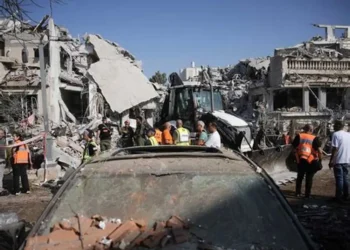 Retaliations Continue on Day Two of US-Israel Attacks on Iran
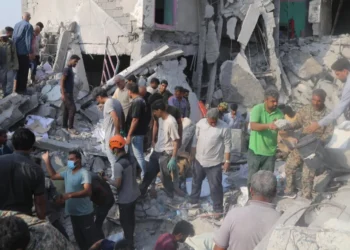 At Least 153 Dead After Reported Strike on School, Iran Says
 At Least 153 Dead After Reported Strike on School, Iran Says
 ‘It’s Eerie’ – Dubai on Edge as City Comes Under Attack
 BBC Reports from Beit Shemesh After Deadly Iranian Missile Strike
 Months of Planning Behind US‑Israeli Mission to Target Iran’s Supreme Leader
 What Khamenei’s Death Means for Russia and China
 Trump to Recheck Green Cards from 19 Nations After DC Attack
 Russia losses Ukraine war peace talks intensify amid rising deaths
 Shock US Raid: Maduro Pleads Not Guilty in Manhattan Court
 Trump Escalates Minnesota Immigration Surge Amid Rising Tensions
 Israel Dossier Sparks Australian Political Interference Concern
 Trump: US Stands Ready to Help Iran Find Freedom Amid Widespread Unrest
 Trump Administration Probe of Fed’s Powell Draws Pushback
 Trump Threatens Strong Action If Iran Executes Protesters
 Machado Trump medal gesture reshapes Venezuela power struggle
 Iran unrest slows under brutal crackdown and global tensions
 Greenland Crisis Forces Europe to Draw a Line With Trump
 Iran Cannot Be Bombed Into Democracy, Only Helped There
 US Considers Asylum for British Jews Amid Rising Antisemitism
 Historic Abu Dhabi Talks Bring US, Ukraine and Russia Together
 Trump Pulls Canada from His Controversial ‘Board of Peace’ Plan
 EU Says US Ties Have Suffered ‘Big Blow’ After Greenland Crisis
 Russia Strikes Kyiv and Kharkiv as Peace Talks Enter Day Two
 Emails Show Epstein Funded Mandelson’s Husband After Jail
 Trump Praises ‘Terrific’ Petro After White House Talks
 US Military Says Two Killed in Strike on Alleged Drug Boat in Eastern Pacific
 Trump Endorses Japan’s Takaichi Ahead of Snap Election
 Venezuela’s Opposition Says Party Leader Kidnapped Hours After Being Freed
 Starmer Weighs Fast-Tracking Defence Boost
 Macron Rebuked in Franco-German Defence Row
 New Nuclear Talks Between US and Iran Begin in Geneva
 ‘He Did It for Us’: US Soldier Recalls Jesse Jackson’s Efforts to Free Him and Two Other POWs
 US Says It “Supports” UK Chagos Islands Deal
 Stephen Colbert Says CBS Spiked Interview With Democrat Over FCC Fears
 US Pushes to Recruit Organised Crime Gangs into Gaza Police Force
 Britain’s Reliance on China Makes Us ‘Weak Link in the West’, Warn MPs
 Japan Braces as Takaichi Begins New Term with Huge Mandate for Low‑Tax, Ultra‑Conservative Agenda
 As Trump Retreats from Climate Goals, China Is Becoming a Green Superpower
 UK Has Not Given US Permission to Use RAF Bases for Iran Strikes
 Billionaire Les Wexner Tells US Lawmakers He Was ‘Naive’ and ‘Conned’ by Epstein
 Musk Cuts Starlink Access for Russian Forces – Giving Ukraine an Edge at the Front
 Ukraine Negotiator Reveals What It Feels Like Facing Russia
 Mandelson Arrested Amid Political Turmoil as Ukraine Marks Four Years of Conflict
 Inside Kyiv’s resolve as conflict nears five‑year mark
 What to Watch for During Trump’s State of the Union Address
 ‘Anyone who runs is shot’: Russian soldiers describe killings of troops who refuse orders
 Ukraine remembers its dead as war enters a fifth year
 US ‘Suitcase Murderer’ Deported From Bali After 11 Years in Jail
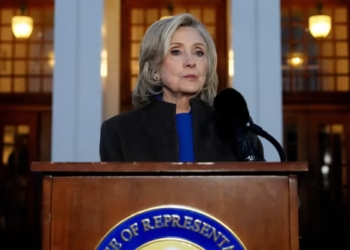 Clinton Testimony Erupts in Fiery Exchange
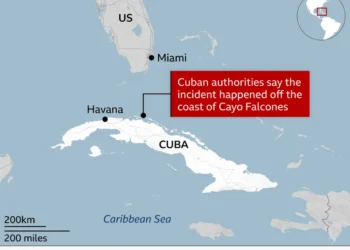 American Citizen Killed in Cuba Boat Shooting, U.S. Officials Say
 Blackouts and Emergency Aid: Why the Cuban Revolution Faces Its Biggest Threat Yet
 Hillary Clinton Tells House Panel She ‘Had No Idea’ of Epstein’s Crimes
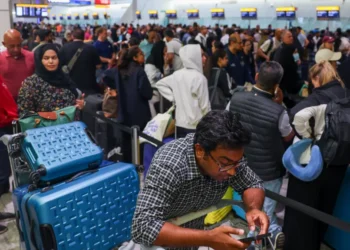 Middle East Flights Halted After Iran Strikes
 Britain’s Position and Trump Vows to Press On in Iran Conflict
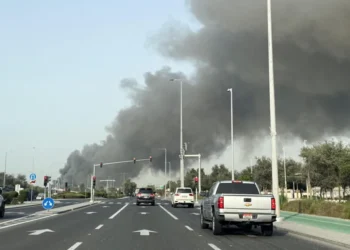 Allies of US in the Gulf Bear Brunt of Iran Attacks
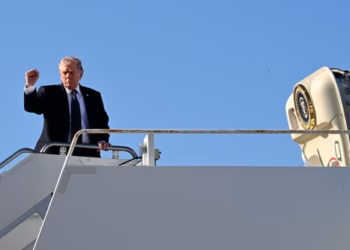 Trump Faces Questions Over Iran Conflict Plan
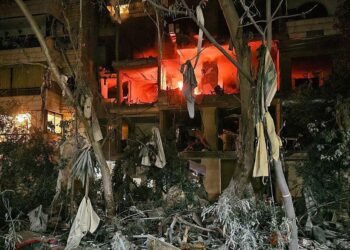 Israeli Attacks Kill 31 in Lebanon, Iran Strikes Across Region, US Warplanes Crash in Kuwait
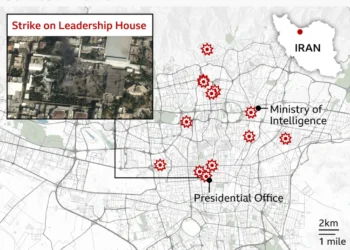 In Maps: Strikes Across Iran and the Middle East
 Tehran Makes New Threat to Gulf Shipping as US Says ‘Hardest Hits’ on Iran ‘Yet to Come’