Published: March 3, 2026 . The English Chronicle Desk . The English Chronicle Online
The United States appears to be adjusting to a new paradigm in warfare as low‑cost swarming drones — inexpensive, mass‑produced unmanned aerial systems capable of coordinated attacks — proliferate across conflict zones. In response, the Pentagon and Defence Department are fielding a suite of counter‑drone capabilities designed to neutralise large numbers of affordable autonomous threats that could otherwise overwhelm traditional defences reliant on costly missiles and manned aircraft.

A key component of the U.S. response are directed energy and high‑power microwave systems that can disable drones’ electronics en masse. The Tactical High‑power Operational Responder (THOR) microwave weapon, developed by the U.S. Air Force Research Laboratory, emits bursts of high‑power microwaves to disable multiple unmanned aerial vehicles (UAVs) in a swarm almost instantly — a significant shift from traditional kinetic interceptors that engage one target at a time. These systems are transportable, more cost‑effective per engagement than missiles and can be deployed rapidly to defend bases or critical infrastructure against coordinated aerial threats.
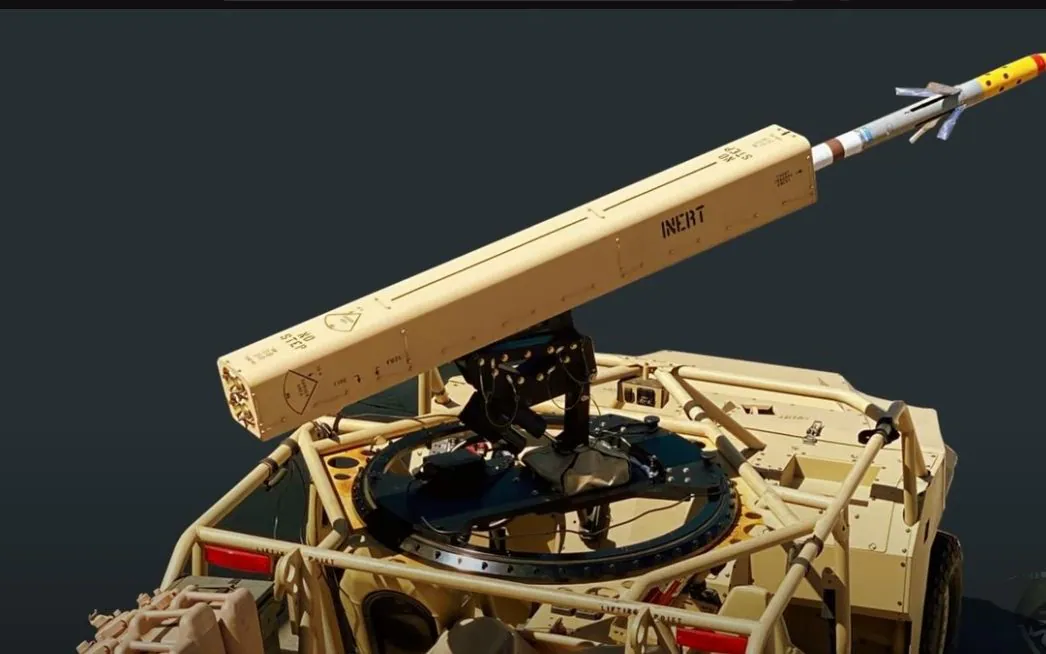
On the ground and at sea, mobile counter‑unmanned aerial systems (C‑UAS) are also being fielded. One such example is the Military’s Mobile‑Low, Slow, Small Unmanned Aircraft Integrated Defeat System (M‑LIDS), which combines advanced radar, electronic warfare and kinetic interceptors to detect, track and neutralise low‑flying drones. These integrated C‑UAS platforms represent layers of defence that augment radar and sensor networks with real‑time threat mitigation across multiple types of threats.
Beyond directed‑energy and integrated systems, the U.S. Army and other services have developed interceptor UAVs that effectively act as counter‑drone assets. Systems like the Merops counter‑UAS platform launch interceptor drones — relatively cheap at roughly $15,000 per unit — which can autonomously home in on hostile drones and disable them with onboard sensors or kinetic effectors. This approach harnesses automation and artificial intelligence to match the autonomy and scalability of drone swarm threats with comparable defensive agility.
The emphasis on affordable countermeasures reflects lessons learned from recent conflicts where small, inexpensive attack drones have reshaped battlefield dynamics. Adversaries have used low‑cost loitering munitions, such as Iran’s Shahed‑style drones, to saturate air defences and force disproportionate expenditure on interceptors. In turn, the U.S. military formed units like Task Force Scorpion Strike, employing its own low‑cost loitering munitions known as LUCAS to integrate affordable attack drones into offensive operations — demonstrating a shift towards “cost‑of‑entry” weapons that parallel adversaries’ capabilities.
Defence analysts emphasise that countering swarming tactics requires a multilayered, adaptive approach. Directed energy weapons like THOR and high‑power microwave systems can neutralise multiple threats simultaneously, reducing reliance on expensive missiles. At the same time, integrated counter‑UAS networks and interceptor drones bring flexibility and scalability to the defensive posture, ensuring that even a flood of inexpensive drones can be detected, tracked and defeated without prohibitive cost. This layered defence paradigm acknowledges that swarming drone attacks are not a single technical problem but a complex operational challenge requiring diversified responses.

The development and deployment of these systems mark a significant evolution in how the U.S. military prepares for and counters emerging threats in the era of unmanned warfare. By moving beyond traditional air defence frameworks and investing in affordable, scalable technologies, the United States aims to blunt the tactical advantages conferred by cheap drone swarms while maintaining overall battlefield resilience. Detailed operational data on these systems’ performance in active defence scenarios remains limited, but military officials assert that layered counter‑drone capabilities now give U.S. forces tangible options against coordinated inexpensive aerial threats.
Related News:
 US Clears Nvidia AI Chip Sales to China in Policy Shift
 US Build-Up of Warships and Fighter Jets Tracked Near Iran
 Musk Cuts Starlink Access for Russian Forces – Giving Ukraine an Edge at the Front
 Trump’s Iran Endgame Unclear After Mixed Messaging on War Aims
 British AI Startup Outshines Human Forecasters in Global Prediction Contest
 UK Fighter Jet Purchase Could Breach Nuclear Treaty, Warns CND
 Google at 27: The Untold Story of Ruth Kedar, the Woman Behind the Iconic Logo
 Russia repeatedly targets UK military satellites, warns Space Command chief
 Cooper Unveils £4m Cyber Plan Against Russian Hackers
 Experts Warn Russia’s Burevestnik Missile Could Destabilise Arms Control
 Britain deploys RAF specialists to assist Belgium with drone threats
 Hitler’s DNA Confirms He Truly Had Only One Testicle
 Pokémon to open world’s first theme park in Japan next year
 Poll Reveals China Leads World in Trusting AI Technology
 Two National Guard Soldiers Critically Injured Near White House
 American Mother Extradited From UK to U.S. on Murder Charges
 Russia losses Ukraine war peace talks intensify amid rising deaths
 Trump Taiwan China drills: US President Downplays Tensions
 US Venezuela protests sweep cities after intervention
 US Cities Erupt in Protests Against Trump’s Venezuela Military Action
 Trump Escalates Minnesota Immigration Surge Amid Rising Tensions
 Trump Says US Must ‘Own’ Greenland to Block Russia, China
 Trump Weighs Response to Iran Crackdown as Tehran Says Communication Open With US
 Australia’s US Ambassador Rudd to Step Down Early
 Trump Threatens Strong Action If Iran Executes Protesters
 Trump Receives Machado’s Nobel Medal in White House Meeting
 Iran Signals Permanent Break From Global Internet, Activists Warn
 Greenland Crisis Forces Europe to Draw a Line With Trump
 Iran Cannot Be Bombed Into Democracy, Only Helped There
 Trump Aide Sparks Fury as Greenland Dispute Intensifies
 EU Says US Ties Have Suffered ‘Big Blow’ After Greenland Crisis
 Arizona border shooting leaves suspect hospitalised after agent pursuit
 Videos reveal earlier clash before Alex Pretti shooting
 UK New Car Discounts Near £6,000 as Prices Are Slashed
 ‘Painful Times’ as Melinda Gates Responds to Epstein Files
 Trump Praises ‘Terrific’ Petro After White House Talks
 Fears of New Arms Race as US-Russia Nuclear Weapons Treaty Expires
 US Military Says Two Killed in Strike on Alleged Drug Boat in Eastern Pacific
 US and Iran Hold Nuclear Talks as Trump Ramps Up Military Threats
 Venezuela’s Opposition Says Party Leader Kidnapped Hours After Being Freed
 Trump Says Iran Regime Change Is “Best Thing That Could Happen”
 Obama Slams Trump’s Racist ‘Ape’ Video Amid Backlash
 Starmer Weighs Fast-Tracking Defence Boost
 Macron Rebuked in Franco-German Defence Row
 Actor Robert Duvall, Who Starred in The Godfather, Dies Aged 95
 Facing a Demographic Catastrophe, Ukraine Is Paying for Troops to Freeze Their Sperm
 ‘He Did It for Us’: US Soldier Recalls Jesse Jackson’s Efforts to Free Him and Two Other POWs
 Iran Says ‘Guiding Principles’ Agreed With US at Nuclear Talks
 Stephen Colbert Says CBS Spiked Interview With Democrat Over FCC Fears
 Moment Officers Rescue Injured Bald Eagle From Icy Hudson River
 Indian University Kicked Out of AI Summit for Claiming Chinese Robot Dog as Its Own Invention
 China Shows Off Nunchuck‑Wielding Humanoid Robots for Lunar New Year
 Japan Braces as Takaichi Begins New Term with Huge Mandate for Low‑Tax, Ultra‑Conservative Agenda
 Eight Skiers Found Dead After California Avalanche
 US Urges Iran to Make Deal as Military Presence Rises
 Desperate Hunt for Breakthrough in Nancy Guthrie Case Turns to Mexico
 Trump Directs US Govt to Prepare Release of Files on Aliens and UFOs
 The Chinese AI App Sending Hollywood Into a Panic
 How Do You Modernise Mango Farming? India’s Growers Urged to Innovate as Climate Change Hits
 Bill Gates Pulls Out of India’s AI Summit Over Epstein Files Controversy
 Zuckerberg Defends Meta in Landmark Social Media Addiction Trial
 Trump Vows UFO File Release After Obama Interview
 US Will Not Back Out of Tariff Deals with UK and Others, Says Trump Trade Representative
 Who Was El Mencho, Mexico’s Most Wanted Man?
 Inside Atlanta’s Soul Food Revolution
 Threat of Further Violence Looms After Mexican Cartel Rampage
 Bill Gates ‘Took Responsibility’ Over Epstein Ties in Staff Meeting, Foundation Says
 US ‘Suitcase Murderer’ Deported From Bali After 11 Years in Jail
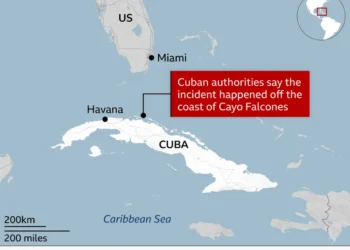 American Citizen Killed in Cuba Boat Shooting, U.S. Officials Say
 Social Media Trial: Woman Says Addiction Began at Six
 Instagram Investigating AI Profiles ‘Fetishising’ Disabled People
 Anthropic Boss Rejects Pentagon Demand to Drop AI Safeguards
 RAF Responding to Suspected Drone Strike at UK Cyprus Base
 Hopes and Fears as US Iranians Take to Streets After Toppling of Supreme Leader
 Iran, the US, and a World Cup That Starts in Three Months
 Trump Faces Questions Over Iran Conflict Plan
 UK Will Allow US to Use Bases to Strike Iranian Missile Sites, PM Says
 Why Russia Controls Its People With a Flick of a Switch
 Cooper: Joining US Strikes on Iran ‘Not in Britain’s Interest’
 Did Trump Declare War and Did Congress Approve Iran Attacks? What to Know