Published: 04 March 2026. The English Chronicle Desk. The English Chronicle Online.
The Trump Iran strikes controversy has ignited fierce debate across Washington and beyond. In the past forty-eight hours, the Trump Iran strikes have dominated headlines and political discourse. At the centre stands Donald Trump, firmly rejecting claims that Israel forced his decision. The former president insists the military action was driven solely by American intelligence assessments. Yet scepticism has grown among Democrats and segments of his own support base.
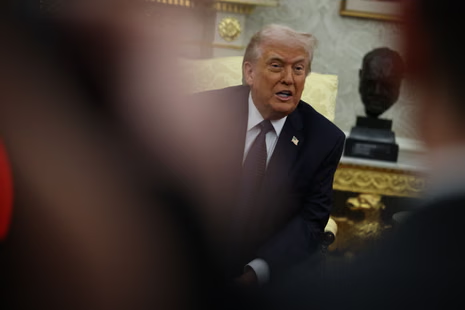
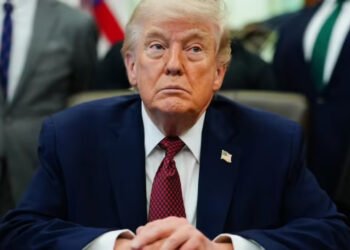
Speaking to reporters on Tuesday, Trump dismissed suggestions that Israel dictated events. He argued that negotiations with Tehran were collapsing at an alarming pace. According to Trump, intelligence indicated Iran was preparing imminent retaliation against US interests. He maintained that pre-emptive action was necessary to protect American forces stationed overseas. The president even suggested he might have pressured Israel, not the other way around.
The controversy intensified following remarks from Marco Rubio during a Capitol Hill briefing. Rubio indicated that Washington anticipated Israeli military action against Iranian targets. He added that officials expected Iran would retaliate against American positions. Those comments fuelled suspicion that the United States acted primarily to shield itself from consequences of Israeli operations.
Democratic lawmakers reacted swiftly and with visible frustration. Chris Murphy called for a full Senate debate on authorising military force. He described the conflict as deeply unpopular and constitutionally troubling. Murphy acknowledged that proposed war powers resolutions might fail in the current Congress. However, he insisted lawmakers must assert their constitutional authority before further escalation.

After attending the classified briefing, Chuck Schumer voiced concerns about unclear objectives. He warned that without a defined strategy, the United States risks sliding into prolonged warfare. Schumer stressed that repeated ambiguity could result in mission creep and growing casualties. His remarks echoed anxieties that have lingered since previous Middle Eastern interventions.
Republican voices largely rallied behind Trump’s justification for the strikes. Markwayne Mullin argued that Iran’s leadership posed an enduring threat to Americans. He cited decades of hostility and attacks linked to Tehran’s regional policies. Supporters framed the operation as decisive action against a regime they deem destabilising.
Meanwhile, questions about Israel’s influence refuse to fade. Benjamin Netanyahu has long advocated stronger measures against Tehran. His recent statements celebrated what he described as a historic opportunity to weaken Iran’s leadership. Netanyahu’s language intensified perceptions that Israeli objectives align closely with Washington’s latest moves.
One of the most dramatic developments reportedly included the killing of Ali Khamenei during coordinated strikes. Iranian officials have yet to confirm details publicly, but regional sources suggest significant leadership losses. The possibility of such a high-profile casualty has amplified tensions throughout the Middle East. Analysts warn that symbolic targets often trigger powerful retaliatory narratives.
Public opinion in the United States appears increasingly divided. Polling trends over the past year show declining sympathy for Israel’s government policies. The prolonged conflict in Gaza reshaped perceptions across many demographic groups. Images of civilian suffering left lasting impressions on younger voters especially. Within this climate, the Trump Iran strikes land on already sensitive ground.
Prominent conservative commentators also expressed unease following Rubio’s remarks. Megyn Kelly questioned whether American service members were placed in harm’s way unnecessarily. Her online broadcast suggested the rationale lacked clarity and coherence. Influencer Mike Cernovich described the explanation as a foreign policy turning point. Similarly, Matt Walsh criticised the framing as politically damaging.
On his popular programme, War Room, Steve Bannon pressed for strategic clarity. He asked whether coordination with Israel had been transparent and deliberate. Bannon’s intervention reflects broader unease among nationalist conservatives wary of overseas entanglements. Many of these voices once championed Trump’s “America First” doctrine.
The administration continues to defend its intelligence assessments robustly. Officials argue that failure to act would have resulted in heavier casualties. They insist Iran’s military posture signalled imminent attacks on American assets. Critics counter that such claims require independent verification and congressional oversight. The dispute has therefore shifted from military necessity to constitutional principle.
Legal scholars note that the US Constitution grants Congress authority to declare war. Presidents may respond to imminent threats, but sustained operations demand legislative backing. The pending resolutions in both chambers symbolise that enduring tension. Even if they fail, they will force recorded votes and public accountability. That prospect alone keeps political temperature high.
International reaction has been measured but watchful. European allies urge restraint and renewed diplomatic engagement with Tehran. Britain’s Foreign Office reiterated calls for de-escalation and protection of civilians. Regional governments brace for potential retaliatory strikes targeting energy infrastructure. Markets have already shown volatility amid fears of supply disruptions.
For Trump, the political stakes are substantial. His base includes both staunch Israel supporters and isolationist conservatives. Balancing those constituencies requires careful messaging and strategic discipline. Any perception that foreign interests overruled American judgment could erode trust. Conversely, perceived weakness against Iran might alienate security-focused voters.
Observers also highlight the symbolic weight of timing. The strikes occurred amid delicate negotiations over regional security frameworks. Critics argue diplomacy had not fully collapsed before military action commenced. Supporters contend that negotiations were merely cover for Iranian manoeuvres. The truth may remain classified for years.

Within Congress, debate is likely to intensify this week. Lawmakers from both parties seek clearer definitions of mission scope and duration. Questions persist about potential deployment of ground forces. Trump has offered mixed signals regarding “boots on the ground” scenarios. Such ambiguity sustains headlines and deepens uncertainty.
Families of deployed service members watch developments with understandable concern. The reported deaths of four Americans have personal resonance nationwide. Each casualty transforms abstract strategy into tangible human loss. Their sacrifice shapes public judgment more powerfully than political rhetoric.
As the Trump Iran strikes continue to reverberate, clarity remains elusive. The administration maintains that decisive action prevented a larger catastrophe. Opponents insist constitutional norms and strategic coherence were compromised. Between those narratives lies a complex geopolitical reality. Washington now faces the challenge of preventing escalation while defending its choices.
The coming days may determine whether this episode remains limited or expands further. Diplomatic channels, military readiness, and congressional debate will intersect rapidly. For British observers, the crisis underscores enduring volatility in Middle Eastern affairs. It also highlights how swiftly regional tensions can draw global powers inward.
Ultimately, the Trump Iran strikes controversy reflects deeper questions about alliance, sovereignty, and restraint. Democracies wrestle constantly with balancing security and accountability. In this instance, the answers remain contested and politically charged. What is certain is that scrutiny will persist long after immediate headlines fade.
Related News:
 BBC to Apologise Over Edited Trump Speech Amid Backlash
 Britain deploys RAF specialists to assist Belgium with drone threats
 US Justice Department Files Lawsuit Against California Over Partisan Voting Maps
 Greene Pushes Epstein Files Amid Trump Fallout
 Trump Deploys DHS to Charlotte in Major Arrest Operation
 December Run-Off in Chile as Election Produces No Winner
 Canada Passes Carney’s First Budget in Tight Parliamentary Vote
 Shadow Fleet at Sea: Europe’s Battle Against Illicit Oil Shipping
 Pentagon Officials in Ukraine to Discuss War End
 Venezuela Threatens Nobel Winner Machado with Fugitive Status
 Georgians Defy Government Crackdown After Year of Protests
 EU plans $105bn Ukraine aid using frozen Russian assets
 Global campaign launched to free Palestinian leader Barghouti
 Trump Policies Boost China’s Global Rise, Survey Finds
 Iran unrest slows under brutal crackdown and global tensions
 Pentagon Signals Reduced Role in Deterring North Korea
 Thousands Protest ICE Operations in Nationwide US Day of Action
 Epstein Files Reveal Trump Officials’ Emails with Financier
 Starmer Condemns ‘Depraved’ Russian Strikes on Ukraine
 Herzog visit sparks protests across Australian cities
 UK and US Drop in Global Corruption Index Rankings
 Sydney Protest Escalates and Elderly Woman Suffers Severe Injury
 Tarique Rahman’s Rise Toward Bangladesh’s Top Job
 Glass Cliff Debate After Ley’s Ouster
 Canberra Poster Seizure Sparks Free Speech Row
 Evo Morales Returns After Mysterious Absence
 AFP Reviews Pauline Hanson Comments
 Duterte ICC Hearing Begins Amid Defiance
 Trump Tariffs Threat Spark UK and EU Alarm
 The Dangerous Rise of Remigration Across Modern Europe
 Trump’s Marathon Speech Fails to Mask a Growing National Disconnect
 Jacinda Ardern Moves To Australia Following Her US Fellowships
 US to offer passport services in West Bank settlements
 Jacinda Ardern Move Sparks Kiwi Reflection
 Health Funding Row Rocks US‑Africa Relations
 Nick Greiner Warns Over Election Review Fallout
 New UK-EU Reset Faces Criticism from Parliament
 Cuba charges six exiles for terrorism after speedboat raid
 US and Ecuadorian Forces Strike Drug Cartels Together
 Mojtaba Khamenei Chosen as Iran’s New Supreme Leader
 Mojtaba Khamenei Supporters Rally as Iranians Fear Repression
 Iran Defiance Grows Amid US-Israel War Pressure
 US Strikes on Iran Set for Most Intense Day Yet
 Iran Nuclear Stockpile Sparks US Special Forces Debate
 Queensland Protest Ban Sparks First Arrests
 China’s Ethnic Unity Law Set to Reshape Minority Schools
 Moscow Internet Blackouts Raise Censorship Fears
 Republicans Rebuke FCC Threat Over Iran War Coverage
 Oil Prices Surge as IEA Weighs Emergency Release
 Trump Nato threats expose Iran strategy vacuum
 UK Minister Denies Iran Missile Threat to Britain
 Danish Election Deadlock Shakes Frederiksen’s Grip
 Trump to Visit China in May After Iran War Delay
 Pope Rebukes Leaders for War as Middle East Tensions Rise
 Trump to Deploy “God Squad” Over Gulf Wildlife Protections
 Army Probes Apache Flyover at Kid Rock’s Nashville Estate
 Italian Town Buys Mussolini Villa to Keep Away Fascist Fans
 Report Says Pezzullo Acted ‘Recklessly’ in Dealings
 Trump Employs Nixon’s Madman Theory Amid Iran Crisis
 Trump Voices Frustration Over Nato Role in Iran Conflict
 Hungary election: Orbán faces biggest test amid scandal
 Suspected Plot Targets Pipeline Before Hungary Vote
 Trump Slams UK Ties and Threatens To Rewrite Trade Deal
 Capitalism ‘Suicidal’, Warns Petro at Climate Summit
 Judge halts deportation of Yemeni refugees in US
 Trump approval plunges amid Iran war fears
 Ohio’s Battle for Trust: Democrats Vying to Flip the Buckeye State
 US ‘Narco Boat’ Strikes Draw Global Outcry
 Afghan Families Left in Limbo Face Risk of Deportation
 Tensions Emerge in Netanyahu-Trump Alliance
 US Awaits Iran Reply on New Ceasefire Proposal
 Discontent grows around Putin amid war strain
 Starmer Leadership Under Pressure After Setbacks
 House Curbs Trump’s War Powers in Rare Rebellion
 Germany Summons Chinese Envoy Over Russian Troop Training
 New South Wales Premier Chris Minns Signals Tough Road Ahead for Labor
 Le Pen to Run for President Despite Embezzlement Conviction
 Ukraine Creates Long-Range Strike Command
 Le Pen’s Popularity Holds Despite Conviction
 Houthis Strike Saudi Arabia as Middle East Tensions Rise