Published: 04 March 2026. The English Chronicle Desk. The English Chronicle Online.
As the vibrant colors of spring begin to emerge across the British landscape, a quiet struggle unfolds within our garden borders. For generations, the sight of a nibbled leaf has triggered an immediate defensive response from many passionate UK gardeners. Traditionally, the presence of a hungry caterpillar was seen as a tiny threat to the visual perfection of a vegetable patch. Most gardening advice historically focused on how to eradicate these creatures to prevent unsightly holes in prize cabbages. However, a major shift in perspective is now being championed by leading environmental organizations across the country. The Royal Horticultural Society and the Wildlife Trusts are now urging Britons to protect caterpillars. This change in attitude is essential if we are to reverse the heartbreaking decline of our native moths.
The sight of a ravaged ornamental plant may be frustrating for some dedicated homeowners today. Yet, these charities are asking for a more relaxed approach to this natural seasonal carnage. We must understand that every hole in a leaf represents a life being sustained. Moths have long lived in the shadow of their more colorful butterfly cousins in our hearts. This oversight has led to a lack of awareness regarding their vital ecological role. By choosing to protect caterpillars now, we are investing in the future health of our entire ecosystem. The transition from a tiny larva to a winged adult requires an immense amount of energy. Without the freedom to forage on our plants, many species simply will not survive to reproduce.

The statistical reality for our winged friends is unfortunately quite grim according to recent scientific data. Moth populations in the United Kingdom are plummeting at an alarming rate that demands our immediate attention. Experts warn that many of the two thousand five hundred species found here are at risk. Since the nineteen sixties, total moth numbers have fallen by a staggering thirty three percent nationwide. This decline is fueled by habitat loss, climate breakdown, and the impact of chemical pollution. If we do not act to protect caterpillars today, we risk losing these incredible creatures forever. They are a fundamental thread in the complex tapestry of our native British wildlife. Their absence would be felt by many other animals that rely on them.
When we choose to protect caterpillars, we are also supporting a wide range of other species. These insects are a primary food source for many garden visitors that we dearly love. Birds, small mammals, and larger insects all depend on a steady supply of these larvae. A garden that is too tidy and sterile often becomes a biological desert over time. By embracing a little bit of messiness, we invite a wealth of biodiversity back. Helen Bostock from the Royal Horticultural Society emphasizes the value of these hungry garden inhabitants. She notes that understanding their needs is the first step toward a true recovery. A garden rich in life is far more rewarding than a perfectly manicured lawn.
Some species of these larvae are generalists that will happily munch on a variety of plants. Others are specialists that require specific host plants to complete their fascinating life cycles. The diversity of their appearance is truly a marvel of the natural world if we look. Some are bright green and easy to spot against a backdrop of spring leaves. Others use clever camouflage to look like twigs, rough bark, or even bird droppings. When we protect caterpillars, we are preserving this incredible variety of biological engineering and beauty. Each one has a unique story and a specific role within the garden’s hidden economy. Watching them grow can be a source of great joy for children and adults.
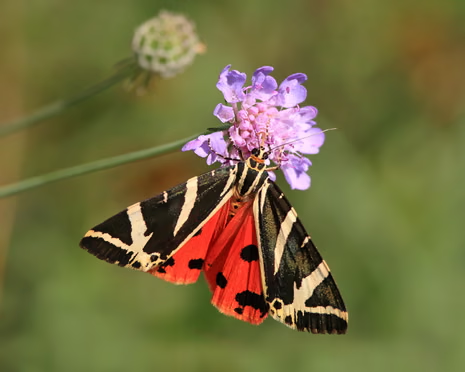
The transformation these creatures undergo is one of the greatest miracles found in our backyards. They eventually become striking moths that rival any butterfly in terms of their visual splendor. The elephant hawk moth displays a stunning combination of pink and vibrant green hues. The lunar hornet moth uses a clever disguise to look exactly like a stinging wasp. Meanwhile, the Jersey tiger moth shows off a bold pattern of red, cream, and black. This particular species is becoming much more common as our local climate continues to heat. We must protect caterpillars if we wish to see these artistic masterpieces flying at night. Their presence is a sign of a garden that is truly thriving and healthy.
The Royal Horticultural Society suggests that we allow for a little nibbling on our ornamental crops. For those who are worried about precious plants, there are many pesticide-free solutions available. Manual removal or physical barriers can protect specific flowers without harming the wider insect population. Pruning affected areas can also help manage the impact while still allowing nature to take its course. The goal is to move away from the reflex of using harmful chemical sprays. These toxins often kill far more than just the target insects in our soil. When we protect caterpillars through natural methods, we ensure the safety of the entire garden.
Gardeners can also take proactive steps by planting specific trees and shrubs that moths love. Native species like willow and honeysuckle provide excellent food and shelter for a broad range of larvae. Flowers such as foxgloves, comfrey, and marjoram are also fantastic additions to any wildlife-friendly space. Adding sweet william, jasmine, or white campion can turn a garden into a true nocturnal paradise. These plants offer the necessary energy for larvae to make their incredible physical transition. By selecting the right flora, we make it much easier to protect caterpillars effectively. Each new planting is a small but significant contribution to the national conservation effort.
Vicki Hird from the Wildlife Trusts describes moths as being truly stunning in their unique names. She points out that species like the merveille du jour look like exquisite paintings. The white ermine moth appears as if it is draped in a very fancy cloak. It is no wonder that the French refer to these creatures as butterflies of the night. Even the small brown moths often possess intricate and wonderful markings upon closer inspection. We should take the time to appreciate the subtle beauty found in these nocturnal fliers. When we protect caterpillars, we are ensuring that these artistic wonders continue to grace our evenings.

One wonderful way to engage with these creatures is by creating a simple moth trap. This allows families to see the incredible diversity of local species up close and personal. After observing and identifying the visitors, they are released back into the wild unharmed. This kind of interaction fosters a deeper connection with the natural world around us. It helps people understand why it is so vital to protect caterpillars in their own spaces. Education and curiosity are powerful tools in the fight against the loss of our biodiversity. The more we know about these insects, the more we will want to save them.
The future of our environment depends on the small actions we take in our own gardens. Every person who decides to put down the pesticide sprayer makes a real difference. If we all choose to protect caterpillars, we can create a network of safe havens. These green corridors will allow moth populations to stabilize and eventually begin to recover. It is a simple shift in mindset that yields massive benefits for the planet. We are being asked to trade a little bit of foliage for a lot of life. This seems like a very fair bargain for the health of our British countryside.
In conclusion, the message from our leading wildlife charities is clear and very urgent. We must learn to love the creatures that eat our plants if we want a healthy future. By choosing to protect caterpillars, we are supporting the birds, the bats, and the moths. Let us welcome the nibbled leaf as a badge of honor for a sustainable garden. Our outdoor spaces can be more than just pretty pictures for us to look at. They can be vibrant, living ecosystems that hum with the energy of nature. Together, we can ensure that the butterflies of the night continue to thrive for years.
Related News:
 ‘Extinct’ Antelope Returns to Sahara, Bringing Hope
 Eden Project Founder Celebrates 25 Years of Nature’s Hope
 Dog Food Emissions: 1% of UK Greenhouse Gas Revealed
 Dutch Nationwide Fireworks Ban Expected to Transform New Year Traditions
 Wildlife Targets at Risk in England and Northern Ireland
 Dubai Chocolate Craze Inspires South Korea’s Latest Dessert Obsession
 Traces of Glyphosate Found in UK Playground Tests
 Polycrisis Anxiety Leaves Many Feeling Trapped in the Present
 Japan Prepares for Kashiwazaki Restart After Fukushima Legacy
 Kent Residents Continue Facing Water Supply Disruptions
 Water firms may avoid fines under UK water reform plan
 Antarctic Penguins Shift Breeding Season Amid Climate Change
 No Gas Boiler Ban as UK Warm Homes Plan Backs Heat Pumps
 Judi Dench Champions Fight to Save London’s Green Spaces
 Half the World’s Largest Cities Face Rising Water Stress
 The Sound of Mayhem’: Terror and Loss at Mount Maunganui
 Reindeer Deaths Rise as Finnish Herders Blame Border Wolves
 How Sandhill Ashes Rebuilt a Bushfire-Hit Rural Community
 Storm Chandra flooding leaves England on high alert
 Gentoo Penguins First Birds on Australian Territory Hit by Bird Flu
 Chikungunya Spread in Europe Climbs as Climate Warms
 Scotland’s Emissions Plans Face Criticism for Over-Reliance on Technology
 Ocean Warming Drives Massive Marine Life Loss, Study Warns
 Greenpeace $345m Ruling Sparks Appeal Battle
 Wood burner legal threats spark council row
 South East Water Fined £22.5m for Repeated Supply Failures
 Yorkshire Water Funding Sparks Debate Amid Fines and Pay Row
 Net Zero Cheaper Than One Fossil Fuel Crisis, UK Told
 Musk’s xAI Permit Sparks Fury Over Power Plant Expansion
 Welsh Water Faces £44.7m Enforcement Over Sewage Breaches
 The Truth Behind Rising Energy Costs and Fossil Fuel Myths
 New £10bn rescue plan offered for Thames Water
 Middle East Deluge: Freak Storms Bangle Desert Nations
 Trump to Deploy “God Squad” Over Gulf Wildlife Protections
 RNLI Beach Rescues Surge as Coastal Popularity Hits New High
 The Secret Identity Behind the Enfield Oak Felling
 Evacuations Ordered as California Wildfires Spread Fast
 US Waste Crisis: Mexico Branded a Toxic Garbage Sink
 Cyclone Maila Intensifies to Category Five Strength
 Miles Jupp: How the Magic of the Ashes Sparked a Bold Blag
 RSPB Urges Summer Bird Feeder Removal to Curb Disease
 Britain Facing Sharp Decline in Rare Butterfly Species
 15 Million Oysters Set to Revive UK Marine Ecosystems
 Fuel Prices Drop Despite Geelong Refinery Blaze
 Medellín’s Green Revolution: A Global Climate Blueprint
 Ancient Cattle Breed Faces Urgent Risk of Extinction
 Nature Watchdog Accused of Halting Vital Site Protections
 Broken Promises: Murray-Darling River Crisis Deepens
 Governments Fail Murray-Darling River Projects
 Renewable Energy as a Strategic Shield for UK Security
 Urban Flood Crisis: A Growing Threat to English Homes
 Escobar’s Hippos May Be Moved to India Zoo
 Capitalism ‘Suicidal’, Warns Petro at Climate Summit
 UK Firm Faces Backlash Over US Oil Advertising Deals
 The Lion Guard: How One Woman Heals the Zambezi Valley
 Ukraine strikes Tuapse as oil disaster worsens
 Stolen Hives: The Great Australian Bee Heist
 Charities Demand Labour Deliver Urgent New Clean Air Act
 UN Faces Crucial Vote on Landmark ICJ Climate Ruling
 Man killed in shark attack on Great Barrier Reef
 Hope for mountain bongos returns to Kenya
 Saving Our Lost Rainforests: The Battle for Dartmoor
 Outcry Over Kushner’s Albanian Resort
 Whitehall Steps In: The Battle Over Thames Water Deepens
 Australia Investigates Suspected Mainland H5N1 Case
 Green Lawsuits Surge as AI Expansion Strains Planet
 UK Launches Massive Campaign To Save Precious Water Supply
 US Courts Back Trump on Park Signage Removals
 Deadly H5 Bird Flu Reaches Australia’s East Coast
 UK Heatwaves Ignite Crisis of Sleep and Public Safety
 Britain’s Mini Fan Craze Sparks Major Waste Crisis
 Global Climate Progress: Europe Leads as US Lags Behind
 The Carbon Capture Con: Wasted Billions for Taxpayers
 US Chemical Accidents Rise as Protections Are Rolled Back
 Concerns Rise Over New Zealand’s AI Datacentre Plans
 Swift Nesting Crisis Sparks Outrage in South Tyneside
 New Debt Limits Proposed for England’s Water Sector
 Japan Bear Hunt: Serial Fridge Raider Sparks Panic
 Thames Water Future Remains Uncertain Amid Funding Crunch
 Three-Quarters of England’s Riverbanks Still Off Limits