Published: 05 March 2026. The English Chronicle Desk. The English Chronicle Online.
Iran-Iraq border airstrikes have intensified sharply, raising fears of a wider regional conflict. Fresh strikes along northern frontier areas have targeted military positions and security posts. Reports from regional sources suggest coordinated operations involving the United States and Israel. The developments signal a possible new phase in an already volatile confrontation. Observers warn that the Iran-Iraq border airstrikes could reshape dynamics inside Iran.
According to officials familiar with discussions in Washington, American support may extend to Kurdish fighters. A US official indicated readiness to provide air cover if Kurdish peshmerga crossed from northern Iraq. Israeli military representatives confirmed expanded air operations in western Iran. They described efforts aimed at degrading Iranian capabilities and opening operational corridors toward Tehran. These comments underline the strategic significance of recent Iran-Iraq border airstrikes.
US media outlets, including Axios and Fox News, reported that militia offensives may already be underway. However, there has been no formal confirmation from Washington or regional authorities. Details about the number of fighters involved remain unclear. The lack of transparency has fuelled speculation across diplomatic circles in Europe and the Middle East.
Kurdish officials speaking to Associated Press said dissident groups were preparing for potential cross-border action. Some factions based in Iraq’s semi-autonomous Kurdish region have reportedly moved closer to Iran. Khalil Nadiri of the Kurdistan Freedom Party stated that forces were positioned near Sulaymaniyah province. He confirmed contacts with US officials but declined to provide operational specifics.

The Kurdistan Freedom Party, often known by its Kurdish acronym PAK, has long opposed Tehran’s leadership. Nadiri’s comments indicate that coordination discussions have reached advanced stages. Nevertheless, Iraqi Kurdish authorities publicly maintain neutrality in the unfolding confrontation. Qubad Talabani, deputy prime minister of Iraq’s Kurdistan region, stressed that his administration is not party to hostilities. His remarks reflect sensitivities surrounding sovereignty and regional stability.
Meanwhile, reports suggest Baloch militant groups have crossed from Pakistan into southeastern Iran. These movements add complexity to the conflict landscape already strained by Iran-Iraq border airstrikes. Analysts caution that empowering ethnic armed factions risks igniting broader instability. Iran is a diverse nation with multiple ethnic communities and longstanding grievances. External backing for separatist elements could deepen internal fractures.
Former US President Donald Trump reportedly contacted leaders of Iranian Kurdish factions earlier this week. Media accounts indicate openness to supporting groups willing to challenge Tehran’s rule. Such outreach underscores the political dimension behind military manoeuvres. While the current administration has not publicly confirmed these calls, the reports have resonated widely.
Clandestine activity in north-western Iran appears to have increased since last summer’s brief confrontation between Iran and Israel. Former intelligence officials from both countries describe expanded covert operations. Short-range drone strikes targeting Islamic Revolutionary Guard Corps units bear hallmarks of sophisticated planning. Though Israel has not acknowledged direct involvement in every incident, patterns suggest coordination.
The Islamic Revolutionary Guard Corps, widely known as the IRGC, has clashed with Kurdish fighters in recent months. In January, skirmishes reportedly erupted near mountainous border regions. These encounters preceded the present wave of Iran-Iraq border airstrikes. Two weeks ago, five Iranian Kurdish organisations formed a coalition dedicated to regime change. The coalition is led by the Democratic Party of Iranian Kurdistan, often abbreviated as KDPI.
A spokesperson for the KDPI declined to confirm whether its leader, Mustafa Hijri, spoke directly with Trump. However, the group emphasised its belief that democratic societies should assist Iranian Kurds. Hijri has publicly urged Iranian soldiers to abandon their posts and return home. He framed his appeal as a response to ongoing strikes threatening military personnel in Kurdish areas.
Security analysts describe a familiar strategic model underpinning the current approach. The United States has historically embedded small specialist teams with local fighters. These teams coordinate airstrikes and provide intelligence support. Similar tactics were employed during early operations in Afghanistan in 2001. Comparable methods also shaped campaigns against Islamic State in Syria and Iraq.
Advocates argue that overwhelming air power can neutralise stronger conventional forces. Under such conditions, lightly armed fighters may advance with limited resistance. Critics, however, question whether Iran’s military structure can be destabilised so easily. Iranian forces possess significant experience in asymmetric warfare. The IRGC in particular maintains entrenched networks across the country.
Alia Brahimi of the Atlantic Council warned against outsourcing ground operations to separatist groups. She suggested that such tactics could reduce Washington’s influence over outcomes. If multiple ethnic movements engage simultaneously, the Iranian public might rally behind Tehran’s leadership. That scenario could counteract intended objectives and strengthen hardline elements.
Regional reactions remain cautious yet deeply concerned. Turkey, Iraq and Syria each host substantial Kurdish populations. Any escalation linked to Iran-Iraq border airstrikes may unsettle domestic balances within those states. President Recep Tayyip Erdogan has historically opposed Kurdish separatist initiatives. Observers expect Ankara to monitor developments closely and respond firmly to perceived threats.
Iraq’s Prime Minister Mohammed Shia al-Sudani faces delicate choices as tensions mount. Baghdad must balance relations with Washington, Tehran and Kurdish authorities. Syrian President Ahmed al-Sharaa is also watching carefully amid fragile internal conditions. Gulf leaders reportedly fear that widening unrest could disrupt regional security frameworks.
Within Iran, Kurdish communities represent between five and ten percent of the population. They have a long history of political activism and cultural assertion. Many Kurdish fighters previously collaborated with US forces in Syria. These partnerships built enduring ties with American military and intelligence networks. Such relationships may now influence calculations surrounding Iran-Iraq border airstrikes.
In southeastern Iran, Baloch groups have intensified attacks on security installations. Jaish al-Adl recently announced a coalition seeking stronger coordination against Tehran. The group claimed responsibility for assassinating a police commander in Zahedan. It also urged military personnel to surrender peacefully during what it described as critical times. These developments compound pressures generated by northern unrest.

Nasser Bouledai, an Iranian Baloch figure living in Europe, voiced cautious support for international assistance. He argued that consistent backing could help resolve minority grievances. However, he referenced past instances where Kurdish allies felt abandoned. Such memories shape scepticism among regional actors evaluating new promises. Trust, once broken, is difficult to rebuild amid shifting geopolitical priorities.
The broader objective behind Iran-Iraq border airstrikes appears limited in immediate scope. Intelligence assessments reportedly doubt that Kurdish forces could capture major cities. Instead, the strategy may aim to stretch Iranian units across multiple fronts. By forcing redeployments, planners hope to weaken central command cohesion. Whether this calculation proves accurate remains uncertain.
For the United Kingdom and European partners, the unfolding situation demands careful diplomacy. Escalation risks humanitarian consequences and potential refugee movements. Energy markets could also react to instability near key transit routes. British officials have so far urged restraint and emphasised de-escalation. They continue coordinating with allies through established diplomatic channels.
As events progress, clarity remains elusive. Official confirmations are sparse, and competing narratives circulate rapidly online. What is clear is that Iran-Iraq border airstrikes mark a significant turning point. They intertwine regional rivalries, ethnic aspirations and global strategic interests. The coming days will reveal whether this approach stabilises or further destabilises the region.
Related News:
 Middle East Flights Halted After Iran Strikes
 US Iran Operation: Sixth Service Member Killed
 Hezbollah Anger Erupts as War Returns to Beirut
 Gaza Siege Deepens as Iran War Escalates
 Riyadh Drone Attack Escalates Regional War
 Middle East attacks intensify as Trump rejects Iran talks
 Iran-Iraq Border Strikes Spark New Front Fears
 Iran-Backed Militias Escalate Attacks Across Middle East
 UK Prepares Aircraft Carrier for Middle East Crisis
 Mojtaba Khamenei Chosen as Iran’s New Supreme Leader
 Tehran Oil Depot Strikes Darken City With Toxic Smoke
 Seventh US Service Member Killed in Iran Conflict Identified
 Mojtaba Khamenei Supporters Rally as Iranians Fear Repression
 Tehran Strikes Mark War’s Most Devastating Night
 Iran Defiance Grows Amid US-Israel War Pressure
 Hormuz Crisis Sparks Global Oil Market Fears
 Iranian Exile Factions Seek US Backing for Iran’s Future
 US-Israeli Strategy Shifts to Plan B in Iran War
 Injured Mojtaba Khamenei Elevated as Iran Leader
 US Missile Strike on Iran School Sparks Global Shock
 Iran Gulf attacks escalate as ships and airports targeted
 Iran Conflict: Trump’s Uncertain Path and Diplomatic Off-Ramp
 Ancient Heritage Sites Damaged in Recent Airstrikes
 Tehran Diary: Dark Days Under Relentless Bombardment
 British Tourist Charged Over Dubai Missile Strike Video
 Gaza Detainee Abuse: Israel Drops Charges Against Soldiers
 Trump Iran War Stance Hardens as Conflict Widens
 Lebanon Ground Campaign Raises Occupation Fears
 Gulf Tensions Rise as Iran Alleges Covert Support
 Kabul hospital strike sparks deadly blame row
 Iran Threatens Total Destruction of Mideast Energy Grid
 Ghalibaf Iran: Survivor Emerges in Shifting Power Game
 Gulf Distrust Grows Over Rumoured US-Iran Peace Talks
 WHO Warns of Health Crisis Unfolding in Middle East
 Saudi Arabia Urging US to Keep Up Iran Attacks
 Iranian President’s Son Shares Wartime Hopes and Fears
 Iran Warns of US Ground Assault Amid Rising War Tension
 MAGA Anxiety and the Iran War: A Movement Divided at CPAC
 Trump Threatens Iran With Total Infrastructure Destruction
 Iran Drone Strike Hits Kuwaiti Oil Tanker in Dubai Port
 Albanese to Address Nation as War Sparks Economic Crisis
 Death, displacement and military duties: children plunged into crisis
 Trump’s Six-Week Iranian War: The High Cost of Ignorance
 Beirut Under Fire: Massive Israeli Strikes Shaking Lebanon
 Middle East Analysis: The Cost of a Fragile Peace
 Lebanon Must Join Ceasefire to Prevent Escalation, Says Cooper
 Israel Launches Massive Airstrikes Across Lebanon
 Netanyahu Vows Continued Lebanon Strikes Amid Peace Talks
 Iran Crisis Tests Trump’s Global Leadership
 US and Iran Pursue Extension of Ceasefire via Pakistan
 Uncertain Peace: Tehran Residents Face a Ruined Capital
 Aid Crisis Grows as Hormuz War Disrupts Supply
 Trump likens US Navy actions to ‘pirates’
 Global order shifts amid Trump-era turmoil
 Middle East Crisis Escalates as Oil Routes Shake Markets
 Tensions Emerge in Netanyahu-Trump Alliance
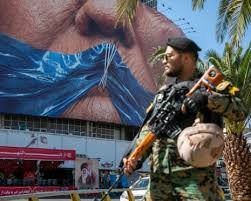 Trump Rejects Tehran Peace Plan as Regional Truce Crumbles
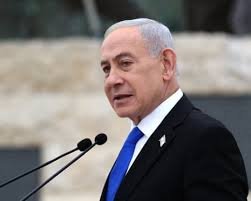 Netanyahu Calls Early Election Amid Coalition Turmoil
 Tensions Flare as Israeli Nationalists March in Jerusalem
 Gulf Crisis Deepens After Drone Attack Near Nuclear Facility
 Global Flotilla Intercepted in International Waters
 Israeli Strikes in Lebanon Kill 10 Amid Ceasefire Strain
 Hunger increasingly weaponised in global conflicts
 Former ICC prosecutor condemns US sanctions
 Trump Claims Iran Peace Deal Near Completion
 US Strikes Iranian Sites Amid Shaky Ceasefire Talks
 Israel Intensifies Lebanon Strikes to Crush Hezbollah
 Trump’s Iran Deal Plan Sparks Intense Alarm Across Israel
 US and Iran Trade Fresh Strikes, Threatening Ceasefire
 Trump Confronts Netanyahu in Explosive Beirut Phone Call
 Iran To Propose New Shipping Fees In Strait Of Hormuz
 Grief and Devotion Amidst the Rubble of Nabatieh
 High Drama in Tehran Over Secret Nuclear Letters
 Houthis Strike Saudi Arabia as Middle East Tensions Rise
 BBC to Apologise Over Edited Trump Speech Amid Backlash
 Greene Pushes Epstein Files Amid Trump Fallout
 Zelenskyy Signs Fighter Jet Deal Amid Russian Drone Attacks
 Shadow Fleet at Sea: Europe’s Battle Against Illicit Oil Shipping
 Trump and Tehran Find Common Ground in Landmark Ceasefire
 Scepticism and tight security as Beijing braces for Trump