Published: March 5, 2026
The English Chronicle Desk
The English Chronicle Online
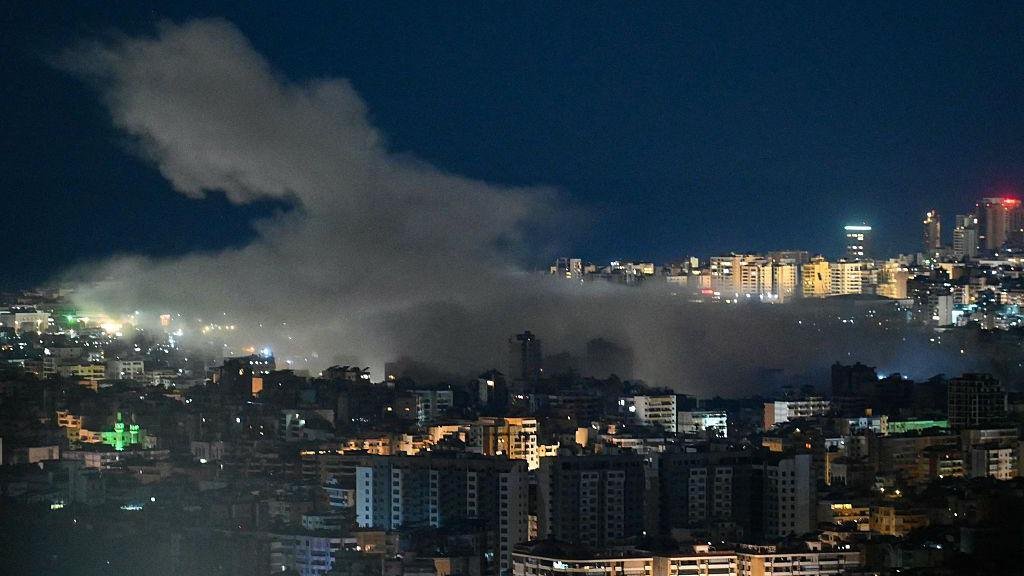
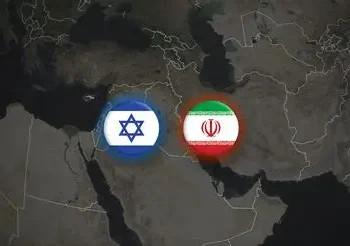
As the conflict in the Middle East enters its sixth day, fresh strikes by both Israel and Iran have compounded instability across the region and disrupted efforts to repatriate foreign nationals caught in the violence, with the first UK government evacuation flight from the Gulf delayed due to logistical issues.

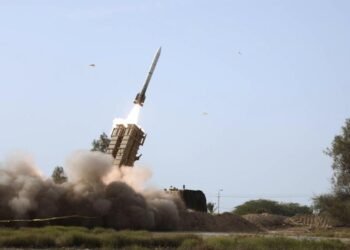
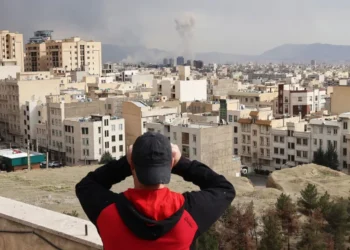
In a marked escalation of hostilities, Iran launched a new wave of missile attacks targeting Israel, triggering air‑raid sirens and forcing millions of civilians into shelters, according to military officials. Israel and its allies responded with further air and missile strikes aimed at degrading Iran’s military capabilities, expanding an already broad and volatile confrontation.
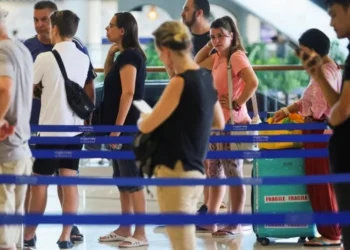
The turbulence has had a severe impact on regional air travel. Major airports in the Gulf, including hubs in Dubai, Doha and Abu Dhabi, have seen dramatic flight cancellations and closures as a result of ongoing Iranian missile fire and retaliatory defensive measures, leaving tens of thousands of foreign travellers stranded and complicating evacuation plans.
Among those affected are British nationals attempting to return home. The UK government had arranged a chartered flight from Muscat in Oman to bring citizens back from the Middle East, but the service was unable to take off as scheduled late on Wednesday night. Passengers told reporters the flight was delayed after a check‑in delay meant the pilot exceeded his regulated working hours, forcing the mission to be postponed until later. Officials have since rescheduled it for Thursday.
The delay has heightened anxiety among travellers and families awaiting evacuation. Many UK citizens in the region — estimated to number in the hundreds of thousands — had already faced days of uncertainty due to widespread flight cancellations and travel disruptions amid airspace closures tied to the conflict.
Britain’s Foreign Office continues to advise registered nationals to remain vigilant and follow local security guidance as the situation evolves. Government teams have been deployed in the Gulf to assist with repatriation efforts and to coordinate additional routes home where possible.
Stranded travellers in Dubai and other emirates have reported chaotic conditions, with some attempting alternative routes overland or via limited scheduled services that have resumed in recent days through carriers including Virgin Atlantic following partial reopening of regional airspace.

The intensification of violence comes as global tensions have risen sharply since the conflict began, drawing in multiple nations and disrupting not only regional security but international air travel and evacuation operations. As diplomatic and military leaders navigate the volatile landscape, the delays and logistical challenges underscore how swiftly the crisis has moved beyond conventional theatres of battle to affect ordinary civilians and international mobility.
Related News:
 Russian Troops Executed by Commanders, Soldiers Tell BBC
 First Wave of Europeans Stranded by Iran Conflict Return Home, With Hundreds of Thousands Still Left in Region
 UK Government’s First Repatriation Flight to Leave Middle East, More Planned
 Passengers on Dubai‑Dublin Flight ‘Never So Happy to Be Home’
 US Submarine Sinks Iranian Warship in Indian Ocean, Hegseth Says
 Satellite Images Show Iranian Navy and Nuclear Sites Hit by US‑Israeli Strikes
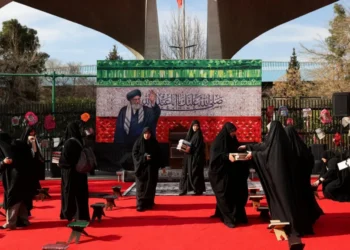 Iran Postpones Khamenei Funeral as US‑Israeli Bombardment Continues
 The Devastating Conflict Where Both Sides Have Reasons to Keep Fighting
 Two Britons Among Three Dead in French Alps Avalanche
 Cuban Cigar Festival Cancelled Amid US-Linked Energy Crisis
 Jet2 Hands Passengers Life Ban After Mid‑Air Brawl
 Dual Nationals Face Scramble for UK Passports as New Rules Come Into Force
 Inland Australia Town Turns Streets into a Beach for Volleyball Contest
 Bill Gates Pulls Out of India’s AI Summit Over Epstein Files Controversy
 Zuckerberg Defends Meta in Landmark Social Media Addiction Trial
 Billionaire Les Wexner Tells US Lawmakers He Was ‘Naive’ and ‘Conned’ by Epstein
Major 7.1 Earthquake Strikes Off Malaysian Tourist Coast
Billionaire Les Wexner Tells US Lawmakers He Was ‘Naive’ and ‘Conned’ by Epstein
Major 7.1 Earthquake Strikes Off Malaysian Tourist Coast
 Brit Killed in Horror Bus Crash as 18 Others Die and 25 Injured
Storm Hernando: Edinburgh Airport Flights Cancelled in US Travel Chaos
Brit Killed in Horror Bus Crash as 18 Others Die and 25 Injured
Storm Hernando: Edinburgh Airport Flights Cancelled in US Travel Chaos
 Ukraine Negotiator Reveals What It Feels Like Facing Russia
 More Than 5,000 Flights Cancelled as US East Coast Digs Out of Record Snow
 Mandelson Arrested Amid Political Turmoil as Ukraine Marks Four Years of Conflict
 Inside Kyiv’s resolve as conflict nears five‑year mark
 Ukraine war briefing: Why Ukraine remains defiant and does not feel close to defeat
 ‘Anyone who runs is shot’: Russian soldiers describe killings of troops who refuse orders
 Ukraine remembers its dead as war enters a fifth year
 UK’s New Travel System: What It Is and How Dual Nationals Are Impacted
 ‘Fear Is Everywhere’: Reports From Mexican City Turned Into War Zone by Drug Cartel Feud
 Orbán Accuses Ukraine of Disrupting Oil Supplies to Hungary
 Epstein Tried to Buy a Palace in Morocco Days Before His 2019 Arrest
 Pakistan Strikes Afghanistan as PM Says Forces Ready to ‘Crush’ Taliban
 Iran’s Regime Still Intact — Coming Days Will Test Its Survival
 Allies of US in the Gulf Bear Brunt of Iran Attacks
 Hopes and Fears as US Iranians Take to Streets After Toppling of Supreme Leader
 Retaliations Continue on Day Two of US-Israel Attacks on Iran
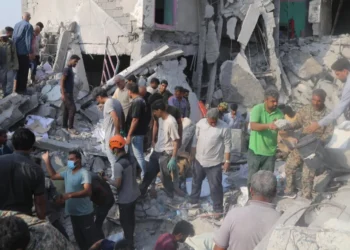 At Least 153 Dead After Reported Strike on School, Iran Says
 At Least 153 Dead After Reported Strike on School, Iran Says
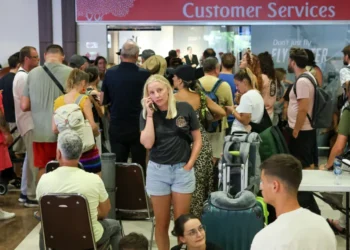 Flights Cancelled and New Travel Warnings Issued After Iran Strikes
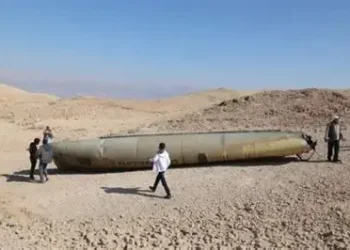 BBC Reports from Beit Shemesh After Deadly Iranian Missile Strike
 Iran, the US, and a World Cup That Starts in Three Months
 Islanders Advised on Travel to Middle East Amid Escalation
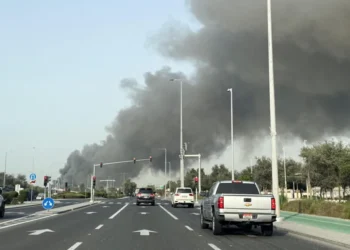 Allies of US in the Gulf Bear Brunt of Iran Attacks
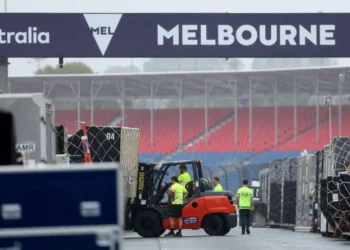 Australian GP Confident Amid Travel Disruption
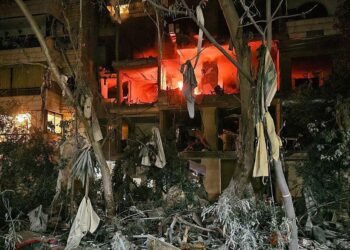 Israeli Attacks Kill 31 in Lebanon, Iran Strikes Across Region, US Warplanes Crash in Kuwait
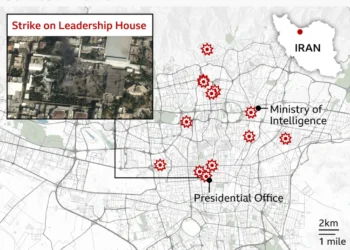 In Maps: Strikes Across Iran and the Middle East
 Months of Planning Behind US‑Israeli Mission to Target Iran’s Supreme Leader
 UK Will Allow US to Use Bases to Strike Iranian Missile Sites, PM Says
 Cooper: Joining US Strikes on Iran ‘Not in Britain’s Interest’
 What Khamenei’s Death Means for Russia and China
 Tehran Makes New Threat to Gulf Shipping as US Says ‘Hardest Hits’ on Iran ‘Yet to Come’
 Trump’s Iran Endgame Unclear After Mixed Messaging on War Aims
 Did Trump Declare War and Did Congress Approve Iran Attacks? What to Know
 Rubio Responds to Reported Strike on Iranian School
 The Third Day of the US‑Israeli War With Iran
 Limited Flights Leave UAE But Disruption Continues Amid Iran Strikes
 Why the US and Israel attacked Iran
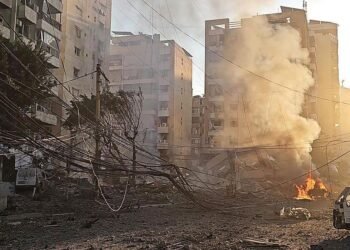 Israel Launches Fresh Strikes on Tehran & Beirut; US Warns “Hardest Hits” Ahead
 Three Days In, This War’s End Is Still Unclear
 US Has ‘Enough Weapons for Forever War,’ Trump Says
 At Least 169 Killed in South Sudan ‘Surprise’ Attack
 Israel Strikes Lebanon After Hezbollah Rocket Fire as Iran Conflict Widens
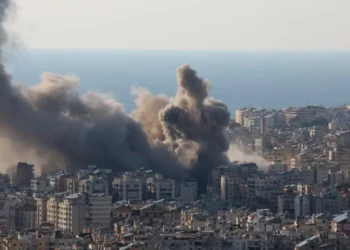 Latest on Middle East Conflict — In Maps: Strikes Across Iran and the Region
 Amazon Says Drones Damaged Three Facilities in UAE and Bahrain
 Man Recalls ‘Terrifying’ Dubai Missile Ordeal During Iran Strikes
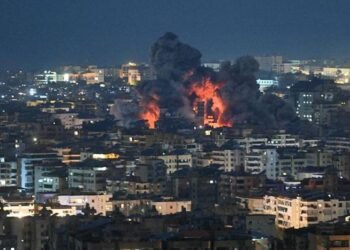 Israel’s New Airstrikes on Tehran & Beirut After US Embassy in Riyadh Is Hit
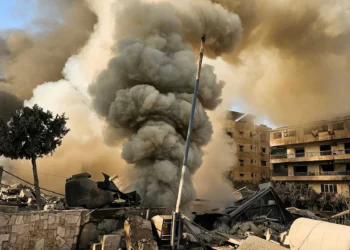 Israel Launches Ground Invasion of Lebanon Amid Widening Middle East War
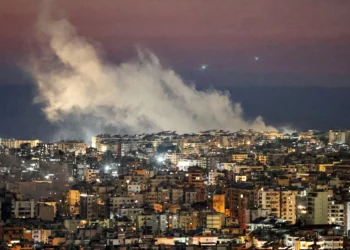 U.S. Tells Citizens to Leave Israel Now as Regional Conflict Escalates
 Iranian Rockets Are Testing the Resolve of Dubai’s Instagram Stars
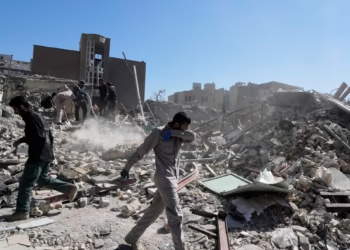 US Embassy in Riyadh Hit by Iranian Drones as Israeli Troops Enter Southern Lebanon
 US Strikes on Iran Triggered by Israel’s Plan to Launch Attack, Rubio Says
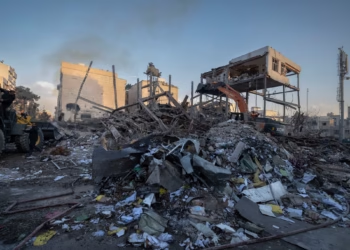 Civilian Deaths in Iran Pass 700 Amid Fear of Bombs and Regime Clampdown
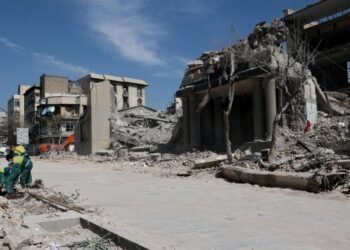 US Senate Backs Trump War Powers Amid Iran Missile Barrage
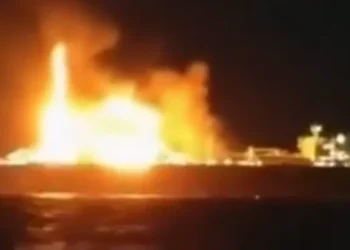 Russia Blames Ukrainian Naval Drones as Tanker Sinks
 Nepal Holds First General Election Since Gen Z Protests Toppled Government
 Why Aren’t Our Dirtiest Roads Getting Cleaned?
 Global Order Is ‘Breaking Down’, Carney Tells Australian Parliament
 Spain’s Sánchez Hits Back at Trump Threat to Sever Trade, Says ‘No to War’
 Protesters Rally in San Francisco Against OpenAI Deal With Pentagon
 Watershed Moment as Russia’s Sporting Exile Ends
 Dirty Laundry and Chocolate Bars: How Venezuelan Prisoners Smuggled Messages Out of Jail