Published: 05 March 2026. The English Chronicle Desk. The English Chronicle Online.
The US Iran strikes have exposed rare tensions within the transatlantic alliance. Senior sources say Washington did not share exact operational details with London before launching coordinated attacks alongside Israel. The absence of precise timings and targeting information has prompted questions about trust between allies. It also placed Prime Minister Keir Starmer under immediate political pressure at Westminster.
According to officials familiar with discussions, the United States informed Britain that action was likely. However, the White House stopped short of providing the final operational blueprint. One Whitehall source described intelligence flowing “through the usual channels” without the decisive tipoff. That meant British ministers anticipated escalation but lacked clarity about the exact hour of impact.
The strikes, carried out with Israeli coordination, marked a dramatic escalation in regional conflict. Reports confirmed the death of Iran’s supreme leader, Ali Khamenei, alongside dozens of senior commanders. Iranian state media later acknowledged significant losses within its military hierarchy. The scale of the operation stunned diplomats across Europe and the Gulf.
British officials had already ordered the evacuation of the UK embassy in Tehran. That move signalled a belief that direct confrontation was imminent. Yet ministers insist they were not told precisely when missiles would fly. Instead, they monitored an unusual buildup of aircraft, munitions and logistical equipment.

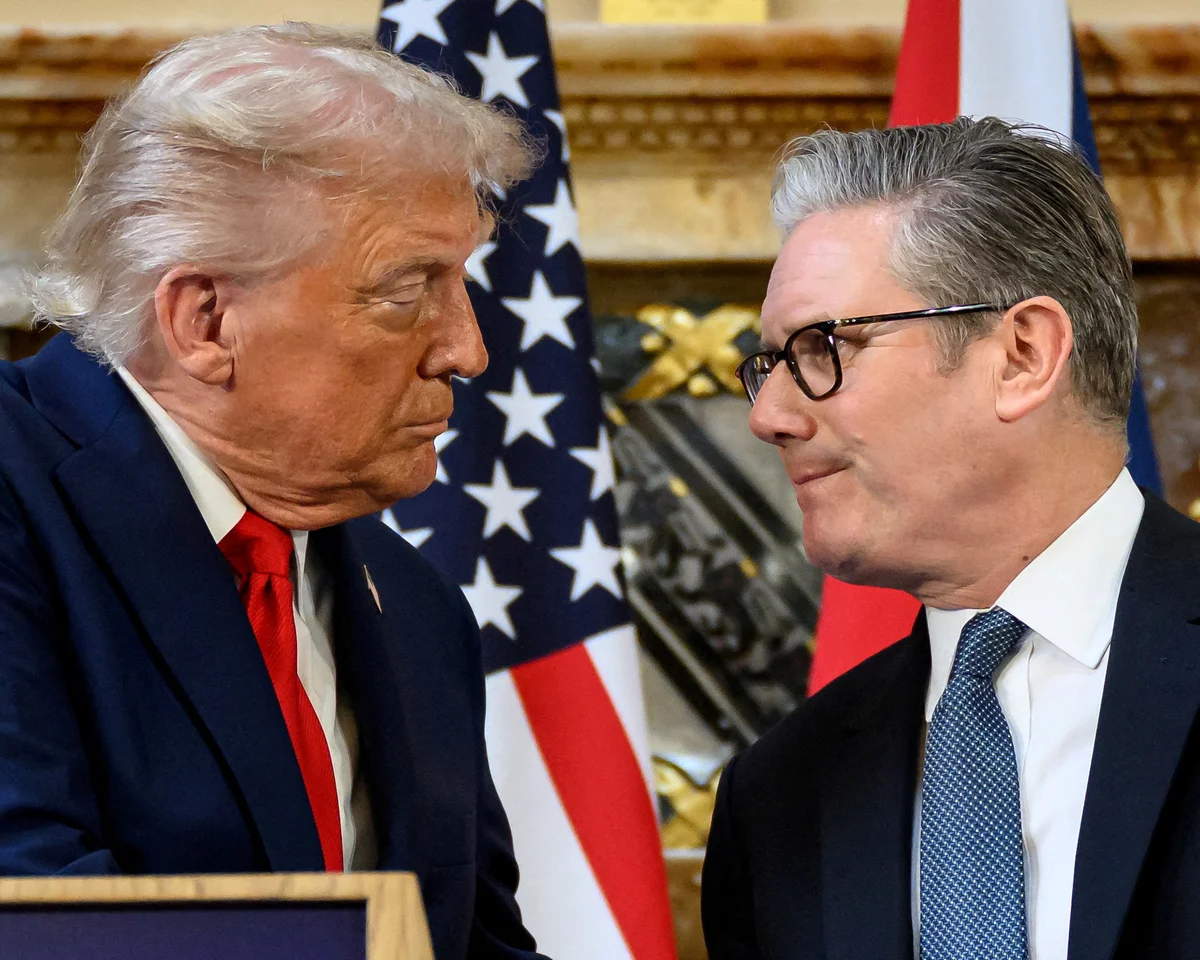
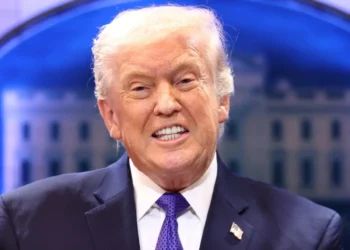
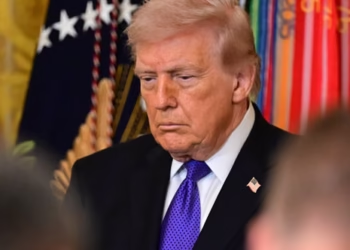
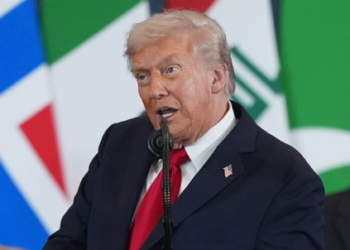
Tensions deepened when Donald Trump publicly criticised the British government’s stance. The US president accused Starmer of weakening the historic alliance by declining certain requests. Trump suggested the “special relationship” was no longer what it once had been. He went further, remarking that Starmer was “no Churchill” during a rally appearance.
At the heart of the disagreement lay Britain’s refusal to grant blanket permission for offensive use of its bases. Washington had asked to use UK military facilities to support the initial assault phase. Starmer declined, citing legal and strategic considerations. Government insiders said the decision reflected Britain’s independent assessment of national interest.
In response to Iranian retaliation across Gulf states, the position shifted slightly. Downing Street later authorised defensive operations from British soil. The aim was to degrade Iran’s missile capability threatening regional partners. Officials stressed that defensive deployments differ legally from direct offensive strikes.
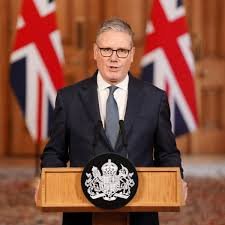
During Prime Minister’s Questions, Starmer defended his approach with visible resolve. Conservative MP Gareth Bacon challenged whether hesitancy had weakened ties with Washington. The prime minister rejected the accusation and pointed to ongoing cooperation. He argued that British forces were actively protecting American personnel in the region.
Starmer emphasised that American aircraft continued operating from British bases. He described joint missions as proof that cooperation remained strong. British fighter jets were intercepting drones and missiles aimed at allied positions. Intelligence sharing, he added, continued daily without interruption.
Military sources confirmed that multiple aircraft were deployed across Cyprus and beyond. Royal Air Force Typhoons undertook defensive patrols over Qatar overnight. F-35 jets provided additional coverage for other regional partners. Ground-based air defences and counter-drone systems were also reinforced.
Despite these deployments, the political narrative remains complex. Some analysts view the US Iran strikes as a test of Britain’s diplomatic balancing act. The UK traditionally aligns closely with American military planning. Yet successive governments have sought greater strategic autonomy.
Former diplomats say withholding detailed operational timings is unusual but not unprecedented. Allies sometimes limit dissemination of sensitive strike data to preserve secrecy. However, Britain is normally within the innermost intelligence circle. The lack of full disclosure has therefore raised eyebrows in Whitehall.
Security experts note that operational security often narrows information flows before high-risk missions. Sharing exact coordinates and timings increases the risk of leaks. Even trusted allies may receive confirmation only shortly before launch. In this case, British officials insist that confirmation never came.
The US Iran strikes unfolded against a volatile regional backdrop. Iran had already been accused of arming proxy groups across Lebanon and Yemen. Israel signalled readiness to confront perceived existential threats directly. Washington framed the joint action as pre-emptive self-defence.
Tehran responded swiftly with missile launches targeting Gulf installations. Some projectiles were intercepted by Western air defence systems. British jets reportedly helped shield key infrastructure and personnel. Downing Street described those missions as necessary to protect British and allied lives.
Trump’s remarks have nevertheless stirred debate over diplomatic tone. Critics argue that public rebukes risk undermining collective deterrence. Supporters contend that robust language reflects frustration with allied hesitation. The episode has highlighted the personal dimension of high-level diplomacy.
Starmer’s allies insist that decisions were guided solely by British security interests. They reject suggestions of dithering or indecision. The prime minister’s spokesperson reiterated that national safety remains paramount. Officials also stress that the special relationship extends beyond any single operation.
Historically, the UK and US have coordinated closely on Middle East interventions. From Iraq to Syria, joint planning has often been extensive. Intelligence integration between the two nations is among the world’s deepest. That history makes the current divergence more striking.
Analysts warn that adversaries may seek to exploit perceived fissures. Visible disagreement can embolden hostile actors or complicate deterrence messaging. Both governments therefore appear keen to project unity in public statements. Behind closed doors, however, frank discussions are reportedly ongoing.

Parliamentary scrutiny is likely to intensify in coming days. Lawmakers across parties have requested briefings on intelligence assessments. Questions remain about the legal framework governing defensive versus offensive cooperation. Ministers face the delicate task of balancing transparency with security constraints.
International reactions have been mixed and cautious. European capitals have urged restraint while recognising Israel’s security concerns. Gulf states have focused on missile defence coordination and civilian safety. The United Nations has called for immediate de-escalation.
For Britain, the episode underscores the complexity of modern alliances. Strategic partnership does not always equate to identical tactical decisions. The US Iran strikes may ultimately be remembered as a moment of recalibration rather than rupture. Much will depend on how both leaders manage the aftermath.
Diplomats suggest that private channels remain active and constructive. Intelligence sharing has not ceased, and joint operations continue daily. Military planners from both nations are reportedly coordinating contingency responses. That ongoing cooperation tempers fears of lasting damage.
Still, symbolism matters deeply in international relations. Public perceptions of unity influence both allies and adversaries. The coming weeks will test whether rhetoric subsides in favour of quiet diplomacy. For now, the US Iran strikes have cast a sharp spotlight on the resilience of the special relationship.
Related News:
 British Woman in Iran ‘Losing Hope’ Amid Ongoing Detention
 BBC Journalist Held and Interrogated in Vietnam
 The diet that can significantly ease symptoms of IBS
 Trump Speaks on Prince Andrew’s Royal Scandal Fallout
 Pregnant UK Teen to Be Freed from Georgian Jail
 Zohran Mamdani becomes New York City’s first Muslim mayor
 Top Christmas Books Reads: Classics to Cozy Romcoms
 UPS Cargo Plane Crash in Kentucky Kills Seven
 Just Stop Oil Protesters Convicted Amid Climate Defence Row
Zohran Mamdani names all-female transition team for NYC mayoralty
Just Stop Oil Protesters Convicted Amid Climate Defence Row
Zohran Mamdani names all-female transition team for NYC mayoralty
 Tension and Turmoil at Aston Villa v Maccabi Match
 British Grandmother to Return Home After Death Sentence in Bali
 Parents Urge Home Office to Reunite Daughter After Hurricane
 Lando Norris Dominates Brazil GP to Strengthen F1 Title Bid
 Second world war veterans honoured as King leads Remembrance Sunday
 BBC director-general and news chief resign amid bias row
 Palace May Restore Hyphen to Andrew Mountbatten-Windsor’s Name
 Ronaldo Confirms Final World Cup and Plans Retirement
 Rama Rebukes Mahmood for Targeting Albanian Families
 Russian Vessel Used Lasers on RAF Pilots, UK Claims
 Royal Navy Shadows Russian Warships Entering the Channel
 Ireland Boosts Ukraine Aid as Zelensky Visits Dublin
 US Africa aid remarks spark anger after leaked State email
 Starmer China visit raises human rights pressure on Beijing
 UK and EU Signal Fresh Push for Defence Cooperation Talks
 UK New Car Discounts Near £6,000 as Prices Are Slashed
 Cory Bernardi joins One Nation for SA election
 Starmer Condemns ‘Depraved’ Russian Strikes on Ukraine
 Sydney Protest Pepper Spray Clash During Herzog Visit
 Mexico Challenges UK Asylum Decision
 Trump Warns Over Chagos Islands Deal
 NSW Mental Health Crisis: Escapes Spark Alarm
 Trump and Chagos Deal Rift Over Iran Strikes
 Andrew Mountbatten-Windsor Arrest After FBI Radar
 Farage Chagos Islands Row Sparks Fury
 Trump Tariffs Threat Spark UK and EU Alarm
 Mediterranean Storms: A New Era of Climate Tragedies
 UK Allows US Base Use Amid Iran Tensions
 Middle East evacuation plans for Britons
 Iranian Australian community divided after vigils
 Trump rebukes Starmer over Iran strikes
 Trump Rebukes Starmer Over Iran Strikes Row
 Iran War Threatens Globalisation and UK Economy
 Gulf shipping crisis sparks food price fears
 UK Rescue Flight Delayed Amid Middle East War
 UK Rescue Flight Leaves Oman After Delay Amid Evacuation Effort
 UK Prepares Aircraft Carrier for Middle East Crisis
 Gordon Brown urges court for crimes against children
 Yvette Cooper: UK Must Follow Principles, Not US Pressure
 Iran War Warning: Starmer Backs Ukraine Visit
 UK Wage Growth Slows as Jobs Market Holds Firm
 UK Minister Denies Iran Missile Threat to Britain
 Australia Imposes Sudden Travel Ban on Iranian Visitors
 Middle East Conflict to Hit UK Economy Hardest
 Army Probes Apache Flyover at Kid Rock’s Nashville Estate
 Relationship with Trump may be beyond repair, Starmer warned
 ICE Detains Soldier’s Bride Days After Louisiana Wedding
 Zelenskyy Warns US Trust in Putin Risks Middle East Safety
 Charles Faces Trump Test in High-Stakes US Visit
 UK Stands Firm on Falklands Amid US Rift
 Premier League drama defines crucial weekend
 Ceasefire Standoff Deepens in Ukraine War
 Koh-i-noor Diamond Row Reignites Colonial Debate
 RFU Backs Borthwick Despite England’s Poor Six Nations
 Starmer Faces Revolt After Crushing Election Losses
 Fear and Betrayal: The Chilling Case of Kouri Richins
 Tragedy in the Maldives: Inside the Deep Sea Rescue
 US Ebola Case Sparks Urgent Global Screening Measures
 UK Pushes for New EU Goods Trade Deal
 Reeves Fights to Keep Treasury Role Amid Labour Turmoil
 Farage and Reform UK Reshape British Politics
 Starmer Leadership Under Pressure After Setbacks
 Deadly Russian Air Raids Strike Across Ukraine
 Britain’s Crowning Butterfly Takes the Nation by Storm
 Russian Frigate Fires Warning Shots Near British Yacht
 UK Government Cancels Higher Education Programme for Women and Girls
 New South Wales Premier Chris Minns Signals Tough Road Ahead for Labor
 Violent London Clash After World Cup Semi-Final Match
 Labour MPs Urge Burnham to Revive UK Aid Target
 UK’s Largest Muslim Convention Scales Up Security Amid Rising Bigotry