Published: 28 April 2026. The English Chronicle Desk. The English Chronicle Online.
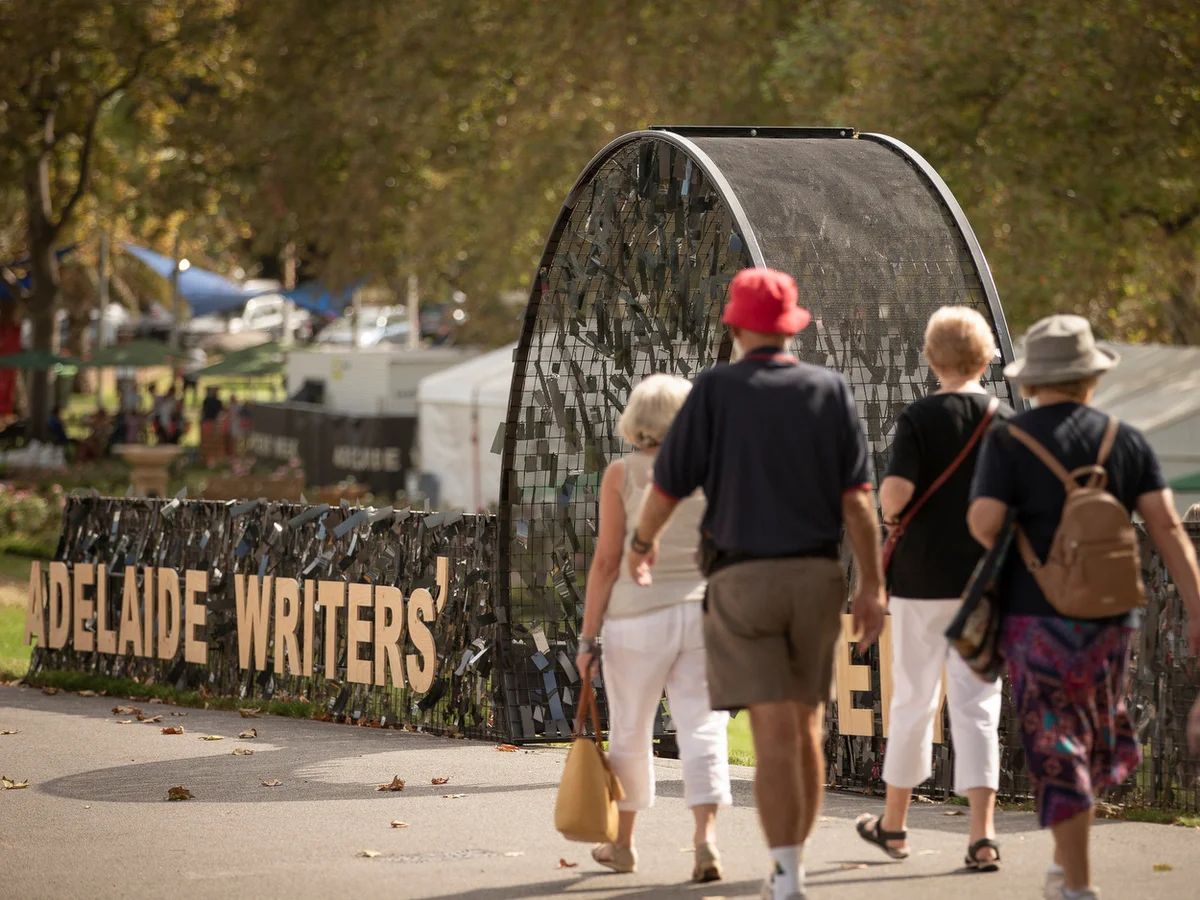
The prestigious Adelaide Festival faced an existential crisis during its planning for 2026. Internal documents have revealed that the literary component was sacrificed to save the wider festival. Adelaide Writers’ Week became a casualty to prevent the total collapse of the entire event. This arts festival contributes more than sixty million dollars to South Australia’s economy each year. Protecting such a massive financial injection became the primary focus for the festival board members. The trouble began after the board announced the removal of academic Randa Abdel-Fattah from programmes. This controversial decision sparked immediate and intense backlash from both Australian and international guest writers. Many prominent figures began pulling out of the event in response to the perceived censorship. The situation quickly escalated into a significant crisis for the longest-running arts event nationwide. Major theatre and dance companies also expressed deep concerns regarding the festival’s shifting cultural values. These companies privately warned organizers that they were actively considering withdrawing their own programmed performances. The identities of these concerned companies remained redacted within the recently released freedom of information documents. Management teams were bracing themselves for a second wave of cancellations from global stage performers. The allegations of government interference threatened to damage the reputation of the entire festival organisation. Internal briefings warned that a cascade of withdrawals could completely dismantle the upcoming 2026 event. Time was running out as the board held an extraordinary meeting on the twelfth of January. The atmosphere was incredibly tense as the remaining board members faced an impossible professional dilemma. They were advised that an immediate cancellation of the writers’ week was the only logical path. This drastic action was intended to prevent artists from abandoning the wider festival program entirely. Swiftly cutting the literary event might effectively mitigate the ongoing financial and reputational damage. Delays in this announcement would only increase the risk of the controversy tainting the festival. The briefing highlighted that future events were also potentially at risk from this growing crisis. Historically, international artists accepted invitations without any hesitation regarding the festival’s core institutional values.

Now, the board feared that future participation could be jeopardised by these heated political debates. Such withdrawals could create lasting friction that might hinder the festival for many coming years. Louise Adler, the director of writers’ week, presented the grim reality to the board members. She reported that only twelve sessions remained intact out of over one hundred and sixty planned. She urged the board to issue a public apology and cancel the event for that year. Adler believed that focusing on a full recovery for 2027 was the only viable strategy. She promptly walked out of the meeting after delivering her blunt assessment of the situation. Her detailed resignation was published in the media the very next day for public scrutiny. The remaining board members eventually decided to axe the writers’ week entirely for that year. This decision followed intense scrutiny regarding the role of the South Australian state government. Premier Peter Malinauskas had publicly denied that his office exerted any pressure on the festival. However, released documents suggest that his correspondence was the primary catalyst for the entire crisis. Earlier meeting minutes show that the board initially stood by the decision to feature Abdel-Fattah. They had defended her long and distinguished career in academia during those late December deliberations. The board had correctly noted that her removal would risk causing significant and unfair damage. They acknowledged she was not associated with hate speech or any form of hate crime activity. Everything changed just three days after the Premier sent a formal letter to the board. He had explicitly stated his view that the academic should be removed from the programme. The board complied with this directive in light of recent national events and government pressure. Their minutes explicitly noted that government involvement had materially changed the overall risk profile. They feared that failing to act could jeopardise both current and future state funding sources. The festival’s broader financial viability was suddenly placed at the centre of the board’s concerns. The Adelaide Festival receives nearly ten million dollars in combined state and federal government funding. It also relies heavily on four million dollars in ticket sales and corporate sponsorship revenue.

The economic impact remains a crucial factor for the state government’s ongoing financial support commitments. In contrast, the writers’ week operates as a loss leader for the main festival corporation. It attracts massive crowds to the city and boosts spending in local hospitality venues annually. Despite recording over one hundred and sixty thousand attendances, most sessions remain free to attend. Consequently, the literary event contributes almost nothing to the festival’s direct box office bottom line. This financial imbalance made the decision to sacrifice the literary week significantly easier for administrators. The fallout from this decision will likely influence arts funding debates for many years ahead. Cultural independence remains a fiercely contested issue for many artists within the Australian creative sector. The industry is now watching closely to see how the festival recovers its former status. Ensuring the 2027 program remains free of such political controversies is a major management priority. The legacy of this 2026 event will serve as a stark reminder for all arts leaders. Protecting institutional reputation requires careful navigation of both artistic integrity and essential government relations. Balancing these competing interests is a difficult task in the current highly charged political environment. The festival organisers will undoubtedly face further challenges as they rebuild trust with the community. Future programming choices will surely be analysed through the lens of this difficult public experience. The Adelaide community hopes for a return to normalcy for the upcoming festival season cycles. Ultimately, the survival of the wider festival was achieved at the cost of one event. This compromise reflects the complex realities of modern arts management in a very political world.
Related News:
 Army Officers Orders to Cut Ties with Men-Only Clubs
 Trump’s UK Ambassador Urges North Sea Drilling to Strengthen US Ties
BBC to Apologise Over Edited Trump Speech Amid Backlash
Trump’s UK Ambassador Urges North Sea Drilling to Strengthen US Ties
BBC to Apologise Over Edited Trump Speech Amid Backlash
 Britain deploys RAF specialists to assist Belgium with drone threats
 Millionaires group urge Reeves to introduce wealth tax to ‘lift kids out of poverty’
 Reeves rejects £1bn plea for NHS redundancy payouts
 PM Condemns Leaks, Vows Loyalty to Ministers and Stability
 Major Rent Reform Ends No-Fault Evictions in England
 Greene Pushes Epstein Files Amid Trump Fallout
 December Run-Off in Chile as Election Produces No Winner
 Shadow Fleet at Sea: Europe’s Battle Against Illicit Oil Shipping
 Georgians Defy Government Crackdown After Year of Protests
 ICC to Rule on Duterte’s Provisional Release
 Starmer Says Labour’s Economic Plan Needs Years to Deliver
 Ley Triumphs in Royal Commission Debate, Paving Way for Unity
 Mandelson apologises over Epstein ties after public scrutiny
 Australia grants Asio powers to designate hate groups under new laws
 Trump press secretary attacks reporter over ICE question
 Starmer Challenges US Over Controversial Greenland Deal
 Spoof “Make America Go Away” Caps Rally Denmark Over Greenland
 Trump Fed bid heads to Supreme Court
 Pentagon Signals Reduced Role in Deterring North Korea
 Labour Blocks Burnham as Party Rift Deepens Ahead of Polls
 Artificial intelligence will cost jobs, admits Liz Kendall
 Partial US Government Shutdown Hits Homeland Security Funding
 Mandelson Faces Police Inquiry Over Epstein Leak
 Morgan McSweeney downfall shocks Labour leadership
 UK and US Drop in Global Corruption Index Rankings
 Farage Unveils Reform UK Frontbench Team
 Canberra Poster Seizure Sparks Free Speech Row
 Evo Morales Returns After Mysterious Absence
 Wales Approves Assisted Dying Bill Consent
 Jacinda Ardern Moves To Australia Following Her US Fellowships
 Jacinda Ardern Move Sparks Kiwi Reflection
 Corbyn Leads Your Party in Coordinated Left-Flank Strategy
 Nick Greiner Warns Over Election Review Fallout
 Asylum Seekers to Work After Year-Long Wait
 Starmer Row as Greens Demand Apology
 New Zealand Covid Response Praised Despite Lingering Scars
 Injured Mojtaba Khamenei Elevated as Iran Leader
 Gordon Brown urges court for crimes against children
 Inquiry into HMRC child benefit errors launched by NAO
 Pakistan Targets Militant Hideouts in Afghanistan
 Farage Faces Backlash Over Crypto Cameo Endorsements
 Air Canada CEO Faces Outcry Over Recent Language Misstep
 Relationship with Trump may be beyond repair, Starmer warned
 Unions Raise Concerns Over Doctors’ Pay Dispute
 Reform UK Pledges To Halt Visas Over Reparations Demands
 UK Government Poised to Revive Stalled Hillsborough Law
 Trump Signals Hope for New Iran Talks as Ceasefire Fades
 Democrats Move to Impeach Defense Secretary Pete Hegseth
 Trump Brokers Landmark Lebanon Ceasefire Amid Regional Hopes
 Investigation Into Anti-Trump Motives After Gala Shooting
 Welsh Labour Faces Potential Historic Election Defeat
 Starmer Survives Mandelson Rebellion
 Trump approval plunges amid Iran war fears
 Tough Fiscal Realities Await Next Scottish Government
 US ‘Narco Boat’ Strikes Draw Global Outcry
 One Nation Candidate’s Surprising Ties to Independents
 Labour Members Doubt Starmer Future as Burnham Leads Poll
 Reform UK Faces Crisis as Newly Elected Councillors Resign
 Tony Abbott Returns as New Liberal Party President
 Discontent grows around Putin amid war strain
 Secret Role of UK Security Services in Troubles Amnesty Law
 Starmer Leadership Under Pressure After Setbacks
 The Hidden Crisis Eroding Trust in British Communities
 Deepfake Abuse on X Sparks Safety Concerns for Dissidents
 UK Ministers Lobby Trump Over Under-16s Social Media Ban
 Starmer Resolves to Fight Burnham in Leadership Battle
 US Courts Back Trump on Park Signage Removals
 Hollie Ridley to Step Down as Labour General Secretary
 Trump’s Mount Rushmore Speech: A Divisive Anniversary
 Jarvis Urges Burnham to Secure 3.5% Defence Spending
 Trump’s Red-Card Intervention Hurts the US World Cup
 Farage Warns Sky News Following Financial Inquiry
 Le Pen to Run for President Despite Embezzlement Conviction
 Reform UK Finances Face Deep NCA Probe
 Trump Swaps Planes Amid Iran Tensions
 Ann Widdecombe, Formidable Political Figure, Dies at 78
 Houthis Strike Saudi Arabia as Middle East Tensions Rise