Published: 05 March 2026. The English Chronicle Desk. The English Chronicle Online.
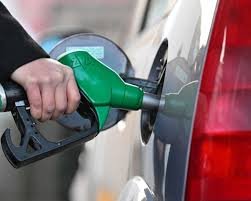
Petrol prices have surged sharply across major Australian cities, prompting widespread anger and accusations of profiteering from motorists and consumer advocates. As international tensions escalate in the Middle East, drivers in Sydney, Melbourne and Brisbane are now paying unexpectedly high costs at the pump. Many Australians are convinced that petrol prices are being inflated without justification, stoking fears that motorists will be unfairly burdened. The focus on petrol prices has intensified after data showed costs rising sooner and more steeply than economists predicted. Early indications suggest that retailers may be using the global conflict as a convenient explanation to lift petrol prices prematurely. While crude oil costs have climbed significantly in the wake of geopolitical unrest, critics say the immediate jump at service stations defies normal market timing. The accusations come amid growing economic pressure on households already grappling with high living costs and inflation. For many drivers, the rapid rise in petrol prices feels unjustified and poorly explained by the usual factors. With long queues forming at forecourts, motorists appear to be trying to fill up before even higher prices take hold. Motoring groups have vocally condemned what they describe as price gouging, urging the competition watchdog to act quickly. They argue that petrol prices should reflect genuine wholesale costs, not opportunistic hikes by retailers. Some industry figures agree that recent movements in international benchmarks could take days to filter through to local markets. Yet the immediate reaction at the bowser has alarmed many observers and consumers alike. In response, government officials have pledged scrutiny of pricing behaviours to protect household budgets. The debate over petrol prices has drawn public attention to the broader economic impact of global crises on everyday costs. As the war in the Middle East intensifies, crude oil markets have responded with sharp swings in price. Analysts estimate that the roughly 15% climb in global oil values will eventually influence domestic petrol prices. Usually it takes a week or more before international fuel benchmarks are reflected in service station tags.

However, the startling immediacy of cost increases in Australian cities has sparked anger across the motoring community. Data from petrol tracking services revealed that average petrol prices in Brisbane, Melbourne and other urban centres climbed noticeably almost overnight. Many drivers expressed disbelief at how quickly petrol prices responded to global events. One long-time commuter said that the increase seemed inexplicable given the usual delays in pricing changes. “It’s happening too fast to be purely market-driven,” the commuter told a local radio station this week. “People are struggling to understand why petrol prices jumped before the real cost pressures arrived.” Consumer advocacy groups have echoed these concerns, saying the price patterns do not align with traditional supply and demand mechanisms. They argue that petrol prices should have remained stable or even fallen before adjusting to higher wholesale rates. Instead, motorists are left feeling that their wallets are being targeted for additional profit. The uproar has placed additional pressure on the Australian Competition and Consumer Commission to investigate the conduct of fuel retailers. Government ministers have called for transparency in pricing decisions and have promised to monitor compliance with consumer law. The watchdog has acknowledged the controversy and indicated that it is closely watching retail behaviours. Spokespeople for the regulator emphasised that petrol prices are typically determined by competitive market forces. Yet they also warned that any misleading information given by retailers about pricing reasons could breach consumer protection regulations. The ACCC’s involvement reflects deep concern from both political leaders and the public about how petrol prices are being set. Meanwhile, energy analysts caution that if global crude oil prices remain elevated, the cost of driving is likely to stay high for some time. Central bank officials have noted that rising petrol prices could add to inflationary pressures already weighing on the economy. Higher fuel costs often ripple through to other sectors, pushing up transport and goods prices. That scenario worries economists, especially given recent warnings that inflation remains stubbornly above target. Some experts believe that the petrol price surge will have a marginal impact on quarterly inflation figures. However, they acknowledge that rising energy costs are among the most visible expenses for households. As petrol prices climb, families face tough choices about travel, budgeting and household expenditure. Fuel-intensive industries such as logistics and tourism are also bracing for the effects of elevated petrol costs. The broader economic implications of rising fuel expenses are expected to feature prominently in upcoming policy discussions. With many Australians already feeling the strain of higher living costs, the controversy over petrol prices has struck a raw nerve. For now, drivers continue to grapple with fuel costs that seem to change almost daily. Retailers insist their pricing reflects broader market dynamics, yet scepticism persists among consumers. As tensions in the Middle East show no sign of abating, the future direction of crude oil and petrol prices remains uncertain. What is clear is that the petrol price debate has brought retail fuel pricing into the national spotlight. Whether regulatory scrutiny will lead to lower prices at the pump or greater transparency from retailers remains to be seen. In the meantime, motorists are left to cope with rising costs and unanswered questions about the fairness of petrol pricing in a turbulent global market.
Related News:
 UK Wage Growth Slows as Jobs Market Holds Firm
 Trump Faces Crisis as Iran Reopens Hormuz Tensions
 Iran Reimposes Strait of Hormuz Restrictions Amid Tension
 Aid Crisis Grows as Hormuz War Disrupts Supply
 Coalition pushes fossil fuel phaseout plan
 Trump likens US Navy actions to ‘pirates’
 Ohio’s Battle for Trust: Democrats Vying to Flip the Buckeye State
 Middle East Crisis Escalates as Oil Routes Shake Markets
 UK Pushes for New EU Goods Trade Deal
 Reeves Fights to Keep Treasury Role Amid Labour Turmoil
 Discontent grows around Putin amid war strain
 Trump Claims Iran Peace Deal Near Completion
 Labour MPs Urge Burnham to Revive UK Aid Target
 BBC to Apologise Over Edited Trump Speech Amid Backlash
 Britain deploys RAF specialists to assist Belgium with drone threats
 Greene Pushes Epstein Files Amid Trump Fallout
 December Run-Off in Chile as Election Produces No Winner
 Zelenskyy Signs Fighter Jet Deal Amid Russian Drone Attacks
 Shadow Fleet at Sea: Europe’s Battle Against Illicit Oil Shipping
 Tiny Curacao Makes History as Smallest Nation to Reach World Cup
 US Suspends Afghan Immigration After White House Shooting
 Georgians Defy Government Crackdown After Year of Protests
 ‘Extinct’ Antelope Returns to Sahara, Bringing Hope
 American Mother Extradited From UK to U.S. on Murder Charges
 Irish Beach Tragedy: Irish Drown at Whitehaven Beach in Australia
 Sanctioned oil tankers sail Channel amid Russia scrutiny
 US and UK Withdraw Personnel as Middle East Tensions Rise
 Half the World’s Largest Cities Face Rising Water Stress
 Pentagon Signals Reduced Role in Deterring North Korea
 UK and US Drop in Global Corruption Index Rankings
 SA Police Intensify Search in Gus Lamont Case
 Canberra Poster Seizure Sparks Free Speech Row
 Evo Morales Returns After Mysterious Absence
 El Mencho Killed as Mexico Faces Violence
 Australian children in Syria deserve safe return
 Greenpeace $345m Ruling Sparks Appeal Battle
 Jacinda Ardern Moves To Australia Following Her US Fellowships
 Jacinda Ardern Move Sparks Kiwi Reflection
 Middle East Airspace Crisis Strands Thousands
 Nick Greiner Warns Over Election Review Fallout
 Kelly Wilkinson Inquest Reveals Bail Failure
 UK Rescue Flight Delayed Amid Middle East War
 Seventh US Service Member Killed in Iran Conflict Identified
 Iran Defiance Grows Amid US-Israel War Pressure
 US Missile Strike on Iran School Sparks Global Shock
 Canada Plasma Deaths Raise Safety Concerns After Two Donors Die
 US Attack on IRIS Dena Shocks Indian Ocean Security
 Australian Petrol Crisis Deepens as Local Stations Run Dry
 Gulf Tensions Rise as Iran Alleges Covert Support
 Oil Slides, Stocks Jump on Trump Peace Signals
 Danish Election Deadlock Shakes Frederiksen’s Grip
 Bondi terror attack linked to global rise in IS plots
 Pope Rebukes Leaders for War as Middle East Tensions Rise
 Army Probes Apache Flyover at Kid Rock’s Nashville Estate
 Artemis II: Humanity Returns to the Moon After Decades
 Nuns of Schloss Goldenstein Move Closer to Staying Home
 Italian Town Buys Mussolini Villa to Keep Away Fascist Fans
 Report Says Pezzullo Acted ‘Recklessly’ in Dealings
 Trump and Tehran Find Common Ground in Landmark Ceasefire
 Suspected Plot Targets Pipeline Before Hungary Vote
 Reeves Slams Trump Over Iran War Lack Of Exit Plan
 Learner Driver Charged After Expo Tragedy
 Trump approval plunges amid Iran war fears
 US ‘Narco Boat’ Strikes Draw Global Outcry
 FIFA Confirms Global Ban for Benfica Star Prestianni
 Putin Signals War End as Russian Momentum Stalls
 Scepticism and tight security as Beijing braces for Trump
 Philippine Senator Flees After Days Under Senate Siege
 Tensions Flare as Israeli Nationalists March in Jerusalem
 High Street Crisis: Fears Grow Over Post Office Closures
 Oil Markets Face ‘Red Zone’ Threat Amid Iran Crisis
 Pope Meets Families in Italy Toxic Waste Zone
 US Strikes Iranian Sites Amid Shaky Ceasefire Talks
 Starmer Leadership Under Pressure After Setbacks
 Papal Visit Offers Political Lifeline to Spanish Premier
 Aukus Deal Facing Fierce Backing and Historic Criticism
 Thai Princess Bajrakitiyabha Passes Away at 47
 Le Pen to Run for President Despite Embezzlement Conviction
 Ukraine Creates Long-Range Strike Command
 Houthis Strike Saudi Arabia as Middle East Tensions Rise