Published: 05 March 2026. The English Chronicle Desk. The English Chronicle Online.
The Iran war is sending shockwaves through global markets, raising fears of another painful price surge. In retaliation for recent US and Israeli missile strikes, Tehran has escalated tensions in ways that amount to economic warfare. If the Iran war continues for even another week, analysts warn that supply chains and energy markets could suffer lasting damage. For Britain, already grappling with fragile growth and political strain, the consequences could prove especially severe.
The modern global economy depends on narrow maritime corridors that carry vast volumes of trade. These choke points include the Strait of Hormuz, the Bab el-Mandeb, the Strait of Malacca and the Panama Canal. Together, they form the arteries of globalisation, funnelling oil, gas, grain and manufactured goods across continents. Any disruption in these narrow passages can reverberate rapidly through prices and production worldwide.
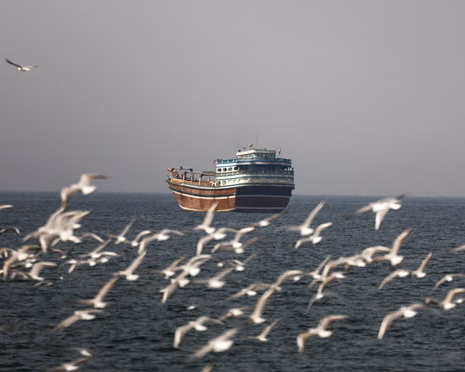
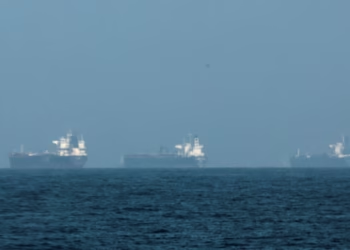
Today, the Bab el-Mandeb and the Strait of Hormuz sit at the centre of mounting anxiety. The Iran war has effectively placed both routes under severe threat. Major insurers have reportedly withdrawn war-risk cover for vessels crossing the Persian Gulf, sharply increasing costs for shipping companies. Without insurance, many firms refuse to sail, creating what amounts to a de facto blockade.
The United States has pledged naval escorts and temporary insurance guarantees. However, officials acknowledge that organising such protection takes time. In the interim, energy traders have reacted nervously, pushing up gas and oil prices across Europe. Spot gas prices have already risen sharply, echoing the turmoil seen after Russia’s invasion of Ukraine.

Britain’s exposure to these shocks is unusually high. Over decades, the UK reshaped its economy around financial services and global trade. The rise of the City of London and the decline of heavy industry transformed national priorities. While this shift delivered prosperity in some regions, it also increased reliance on imported goods and foreign capital.
Political economist Helen Thompson has argued that Britain’s embrace of globalisation created deep vulnerabilities. By importing far more than it exports, the UK depends heavily on the stability of international trade routes. When the Iran war disrupts energy flows or commodity markets, British households feel the strain quickly. Higher wholesale prices feed through to domestic bills and supermarket shelves.
This dependence operates on two levels. The first involves financial flows. Because Britain runs a persistent trade deficit, it relies on overseas investors to finance spending. Former Mark Carney, once governor of the Bank of England, famously described this as relying on the “kindness of strangers.” As long as global investors remain confident, Britain can sustain its borrowing. If confidence falters, the pound could weaken sharply and borrowing costs could surge.
The second level is more tangible and arguably more dangerous. Britain imports around half of the natural gas it consumes. Gas fuels electricity generation and heats millions of homes. When global prices rise, the UK has limited capacity to shield itself. The Iran war therefore threatens to reignite a cost of living crisis that many families hoped was easing.
Food security presents another challenge. The UK imports a significant share of its food, with some estimates placing overall dependency far higher once fertiliser and energy inputs are considered. Much of the world’s grain trade passes through vulnerable sea lanes, including the Bab el-Mandeb. If conflict intensifies, fertiliser costs could climb alongside hydrocarbons, squeezing farmers and raising retail prices.
Memories of the Ukraine shock remain fresh. When Russia’s invasion disrupted Eurasian gas supplies, energy bills soared across Europe. In Britain, government intervention through the energy price cap softened the blow, but public finances were stretched. The regulator Ofgem is due to review the cap again in July. Any sustained surge in wholesale costs will likely translate into higher domestic tariffs later this year.
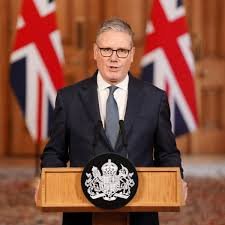
The political context adds further tension. Prime Minister Keir Starmer faces mounting pressure from both left and right. Critics argue that his response to the Iran war has been cautious and reactive. Yet the strategic dilemma runs deeper than any single speech. An economy designed for frictionless global exchange struggles when that system fractures.
Globalisation delivered cheaper goods and wider choice for consumers. It also encouraged complex supply chains that stretch across continents. These networks maximise efficiency but reduce resilience. When climate change, drought or armed conflict disrupts a single node, the effects multiply rapidly. The recent restrictions at the Panama Canal due to drought illustrated how environmental stress can amplify geopolitical risk.
Climate change now acts as a force multiplier for instability. Extreme weather damages harvests, reduces water levels and intensifies competition for resources. In such conditions, the Iran war becomes more than a regional conflict. It becomes a catalyst that exposes structural weaknesses in the global system.
Some economists argue that financial vulnerabilities are manageable. In theory, debts can be renegotiated or monetised. Monetary tools offer governments flexibility during crises. However, shortages of energy or food cannot be solved with accounting adjustments alone. They reflect real constraints on supply and production.
Britain could respond by accelerating investment in renewable energy. Expanding wind, solar and storage capacity would reduce reliance on imported gas. Energy Secretary Ed Miliband has emphasised the urgency of this transition. A decisive push could strengthen energy security while supporting climate goals.
Agriculture also requires adaptation. Advances in vertical farming, precision agriculture and soil management offer promise. Some regions of Britain are already experimenting with crops once considered unsuitable. Warmer temperatures have enabled small-scale rice cultivation in Cambridgeshire and olive harvesting in Essex. While these examples remain modest, they hint at gradual shifts in production patterns.
Yet structural change demands time and capital. Rising inflation and higher interest rates complicate large public investments. The government may face difficult choices about taxation, spending and regulation. Calls for windfall taxes on energy profits are growing louder as households brace for renewed pressure.

The Iran war therefore intersects with domestic debates about fairness and resilience. Urban consumers and rural producers share a common interest in stable supplies and manageable prices. When energy costs surge, transport and fertiliser expenses rise too. That dynamic links supermarket bills in London to shipping lanes thousands of miles away.
International diplomacy remains crucial. Efforts to de-escalate tensions could ease pressure on insurers and shipping firms. A reduction in hostilities would calm markets and restore some confidence. However, even a temporary ceasefire may not erase the perception of risk that now surrounds key maritime corridors.
For Britain, the lesson is sobering. An open economy thrives on predictability and trust. When those foundations weaken, vulnerabilities become visible. The Iran war has exposed how deeply the UK depends on secure trade routes and affordable imports. Addressing that reality requires long-term planning rather than short-term fixes.
In the coming weeks, households will watch energy bills and food prices closely. Businesses will weigh investment decisions against uncertain costs. Policymakers must balance fiscal prudence with social protection. The choices made now could shape Britain’s economic trajectory for years.
Globalisation is not disappearing overnight, but it is under strain. The Iran war has revealed the fragility of systems once assumed stable. For the United Kingdom, uniquely exposed to both financial and material shocks, resilience must become a central priority. Only by strengthening domestic capacity and diversifying supply can Britain navigate an increasingly unpredictable world.
Related News:
 British Woman in Iran ‘Losing Hope’ Amid Ongoing Detention
 BBC Journalist Held and Interrogated in Vietnam
 The diet that can significantly ease symptoms of IBS
 Trump Speaks on Prince Andrew’s Royal Scandal Fallout
 Pregnant UK Teen to Be Freed from Georgian Jail
 Zohran Mamdani becomes New York City’s first Muslim mayor
 Top Christmas Books Reads: Classics to Cozy Romcoms
 UPS Cargo Plane Crash in Kentucky Kills Seven
 Just Stop Oil Protesters Convicted Amid Climate Defence Row
Zohran Mamdani names all-female transition team for NYC mayoralty
Just Stop Oil Protesters Convicted Amid Climate Defence Row
Zohran Mamdani names all-female transition team for NYC mayoralty
 Tension and Turmoil at Aston Villa v Maccabi Match
 British Grandmother to Return Home After Death Sentence in Bali
 Parents Urge Home Office to Reunite Daughter After Hurricane
 Lando Norris Dominates Brazil GP to Strengthen F1 Title Bid
 Second world war veterans honoured as King leads Remembrance Sunday
 BBC director-general and news chief resign amid bias row
 Palace May Restore Hyphen to Andrew Mountbatten-Windsor’s Name
 Ronaldo Confirms Final World Cup and Plans Retirement
 Rama Rebukes Mahmood for Targeting Albanian Families
 Russian Vessel Used Lasers on RAF Pilots, UK Claims
 Royal Navy Shadows Russian Warships Entering the Channel
 Ireland Boosts Ukraine Aid as Zelensky Visits Dublin
 US Africa aid remarks spark anger after leaked State email
 Starmer China visit raises human rights pressure on Beijing
 UK and EU Signal Fresh Push for Defence Cooperation Talks
 UK New Car Discounts Near £6,000 as Prices Are Slashed
 Cory Bernardi joins One Nation for SA election
 Starmer Condemns ‘Depraved’ Russian Strikes on Ukraine
 Sydney Protest Pepper Spray Clash During Herzog Visit
 Mexico Challenges UK Asylum Decision
 Trump Warns Over Chagos Islands Deal
 NSW Mental Health Crisis: Escapes Spark Alarm
 Trump and Chagos Deal Rift Over Iran Strikes
 Andrew Mountbatten-Windsor Arrest After FBI Radar
 Farage Chagos Islands Row Sparks Fury
 Trump Tariffs Threat Spark UK and EU Alarm
 Mediterranean Storms: A New Era of Climate Tragedies
 UK Allows US Base Use Amid Iran Tensions
 Middle East evacuation plans for Britons
 Iranian Australian community divided after vigils
 Trump rebukes Starmer over Iran strikes
 Trump Rebukes Starmer Over Iran Strikes Row
 US Iran strikes strain special relationship
 Gulf shipping crisis sparks food price fears
 UK Rescue Flight Delayed Amid Middle East War
 UK Rescue Flight Leaves Oman After Delay Amid Evacuation Effort
 UK Prepares Aircraft Carrier for Middle East Crisis
 Gordon Brown urges court for crimes against children
 Yvette Cooper: UK Must Follow Principles, Not US Pressure
 Iran War Warning: Starmer Backs Ukraine Visit
 UK Wage Growth Slows as Jobs Market Holds Firm
 UK Minister Denies Iran Missile Threat to Britain
 Australia Imposes Sudden Travel Ban on Iranian Visitors
 Middle East Conflict to Hit UK Economy Hardest
 Army Probes Apache Flyover at Kid Rock’s Nashville Estate
 Relationship with Trump may be beyond repair, Starmer warned
 ICE Detains Soldier’s Bride Days After Louisiana Wedding
 Zelenskyy Warns US Trust in Putin Risks Middle East Safety
 Charles Faces Trump Test in High-Stakes US Visit
 UK Stands Firm on Falklands Amid US Rift
 Premier League drama defines crucial weekend
 Ceasefire Standoff Deepens in Ukraine War
 Koh-i-noor Diamond Row Reignites Colonial Debate
 RFU Backs Borthwick Despite England’s Poor Six Nations
 Starmer Faces Revolt After Crushing Election Losses
 Fear and Betrayal: The Chilling Case of Kouri Richins
 Tragedy in the Maldives: Inside the Deep Sea Rescue
 US Ebola Case Sparks Urgent Global Screening Measures
 UK Pushes for New EU Goods Trade Deal
 Reeves Fights to Keep Treasury Role Amid Labour Turmoil
 Farage and Reform UK Reshape British Politics
 Starmer Leadership Under Pressure After Setbacks
 Deadly Russian Air Raids Strike Across Ukraine
 Britain’s Crowning Butterfly Takes the Nation by Storm
 Russian Frigate Fires Warning Shots Near British Yacht
 UK Government Cancels Higher Education Programme for Women and Girls
 New South Wales Premier Chris Minns Signals Tough Road Ahead for Labor
 Violent London Clash After World Cup Semi-Final Match
 Labour MPs Urge Burnham to Revive UK Aid Target
 UK’s Largest Muslim Convention Scales Up Security Amid Rising Bigotry