Published: 09 March 2026. The English Chronicle Desk. The English Chronicle Online.
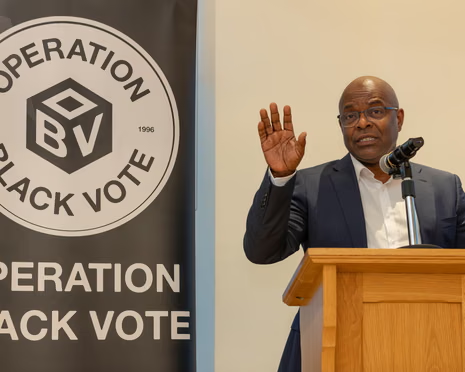
Labour is facing serious challenges with Black voters, a leading political adviser has warned. David Weaver, chair of Operation Black Vote (OBV), cautioned that the party risks being perceived as accepting the normalisation of racism, which could significantly damage voter confidence. Weaver stressed that Labour’s current approach to justice reform and racial equality leaves many Black communities questioning the party’s values and commitments. He said, “We don’t know what Labour stands for any more,” reflecting widespread frustration across communities that had historically supported the party.
The warning comes amid ongoing debates over plans to restrict jury trials in England and Wales. Weaver argued that such measures would heighten racial disproportionality, noting that Black citizens are already overrepresented in arrests, charges, and custodial sentences. “Only 1% of judges are Black,” he explained, “so replacing juries with judge-only trials will overwhelmingly produce white-dominated outcomes, undermining public oversight of state power.”
Labour leader Keir Starmer pledged in November to “stand up to racism,” yet Weaver said progress has been slow, with public sentiment remaining low. He pointed to the moral panic surrounding migration, the sluggish response to racial pay gaps, and the legacy of the Windrush scandal as factors contributing to disappointment among Black voters. Weaver added, “Even those who try to reason with Labour acknowledge that when they are close to power, they often revert to type.”

Black voters historically provided significant support to Labour, particularly in the 2024 general election, yet Weaver highlighted the risk of losing this critical base. He emphasized that communities feel the party is passively accepting systemic racism rather than actively confronting it. “There’s a lack of urgency on the equality bill, which is supposed to tackle pay gaps through mandatory salary data publication for companies with over 250 staff,” he said, highlighting policy inaction.
OBV has campaigned since 1996 to increase Black representation and political participation, collaborating with prominent civil rights leaders, including the late Rev Jesse Jackson. Weaver himself attended Jackson’s funeral this month, reflecting OBV’s long-standing connections with international movements for racial justice. In the United States, he noted, Black activism has shifted from mass protests to community-led initiatives, education, and enterprise, a model that UK communities are increasingly embracing.
In Britain, Weaver said, Black voters are focusing on “meaningful grassroots activism,” driven by disillusionment with Labour and a perceived lack of inspiration from other parties. This shift requires parliamentarians to work harder to engage these communities, fostering long-term trust and accountability. He added that the organisation has adopted a regional strategy, encouraging young people to pursue local leadership and council positions rather than focusing solely on parliamentary influence.
The move to nurture local leadership reflects a wider strategy to counteract political marginalisation. Weaver explained that in the past, OBV could mobilise voters quickly during national elections, but today’s environment demands sustained engagement and capacity-building. “Our new approach prioritises regional development, leadership pipelines, and youth participation,” he said, underscoring a long-term vision for community empowerment.
Weaver also criticised symbolic representation that lacks substantive equity or ethical leadership. He described a trend of “Black-adding,” where superficial diversity initiatives provide legitimacy to institutionalised racism. According to Weaver, representation without structural change is insufficient to address systemic inequities, and communities are increasingly recognising the need for accountability. “Representation without equity and ethical leadership is futile,” he said, emphasising the importance of genuine reform.
The OBV chair stressed that Black voters are reassessing their political engagement, thinking about practical changes at local levels rather than relying solely on national party promises. He warned that Labour risks losing its historic advantage in marginal constituencies if it fails to act decisively. Weaver concluded that the party’s approach to justice, race equality, and grassroots mobilisation will determine whether it can regain credibility among Black communities.

As the UK approaches future elections, Labour faces mounting pressure to demonstrate authenticity, integrity, and meaningful engagement with communities it once counted on. Weaver’s warning highlights a broader challenge: parties must address systemic inequalities and ensure Black voters feel represented, empowered, and heard. The stakes are high, with voter sentiment increasingly tied to tangible action rather than rhetoric. In a climate of political scepticism, Labour’s ability to reconnect with Black communities may prove pivotal in shaping the party’s electoral fortunes.
The shift in focus from national-level campaigning to local leadership development represents a critical adaptation in modern political strategy. Weaver’s observations underline that Black voters are seeking both structural justice and ethical political leadership, rather than symbolic gestures. The party’s response to these demands will likely define its future relevance and success in building inclusive governance.
Labour’s challenges are therefore not merely political but moral and strategic. The party must reconcile policy ambitions with the lived experiences of Black citizens, ensuring that reforms on pay gaps, jury representation, and anti-racism initiatives translate into meaningful societal impact. As Weaver’s comments make clear, the clock is ticking for Labour to regain trust and credibility before upcoming electoral contests, with grassroots activism playing an increasingly decisive role in shaping political outcomes.
Related News:
 British Woman in Iran ‘Losing Hope’ Amid Ongoing Detention
 BBC Journalist Held and Interrogated in Vietnam
 Green Party Surges Past Labour in Latest UK Poll
 Celebrities and Charities Demand UK Government Act on Child Poverty
 Trump’s UK Ambassador Urges North Sea Drilling to Strengthen US Ties
 FBI Director Kash Patel Defends Girlfriend Amid Government Jet Claims
 French Taxi Driver Cleared in David Lammy Theft Case After Fare Dispute
 ‘Reckless’ cuts to victims’ services will cost more than they save
 Millionaires group urge Reeves to introduce wealth tax to ‘lift kids out of poverty’
 Starmer Faces Growing Dissent as Labour MPs Weigh Leadership Challenge
 Reeves rejects £1bn plea for NHS redundancy payouts
 Politics latest: Starmer ‘will fight any leadership coup’ as Streeting denies attempt to oust Labour PM
 PM Condemns Leaks, Vows Loyalty to Ministers and Stability
 Major Rent Reform Ends No-Fault Evictions in England
 Peers Flood Assisted Dying Bill with 942 Amendments
 England’s Special Needs Support Faces Breaking Point
 MoD warned over Excel risks before Afghan data breach
 UK Asylum Overhaul Sparks Debate Over Human Rights and Deportations
 UK Warns China After MI5 Issues Espionage Alert
 Labour Faces Historic Decline in Wales
 PM Highlights UK Business at G20 in South Africa
 Kate Forbes: Motherhood Harder Than Politics
 Most Tories Expect to Support a Farage-Led Government
 Labour MP claims devolution bill is ‘blatant discrimination’ against Cornwall
 Millions Face Higher Taxes Under Reeves New Budget
 Peers Get Extra Time to Debate Assisted Dying Bill
 Starmer Says Labour’s Economic Plan Needs Years to Deliver
 Culture secretary to review Telegraph takeover by Daily Mail owner
 Andy Burnham Apologises for Past LGBTQ+ Police Discrimination
 Plans to Limit Jury Trials Face Retreat After Mounting Opposition
 Jenrick Reform defection deepens Tory civil war
 Right Must Unite After Jenrick Defection, Urges Rees-Mogg
 UK Ministers Drop Foreign Student Targets for Global Education Push
 MPs warn AI financial risks threaten UK stability
 MPs warn AI financial risks threaten UK stability
 No Gas Boiler Ban as UK Warm Homes Plan Backs Heat Pumps
 Hugh Grant Joins Call for Under-16 Social Media Ban in UK
 Shinzo Abe’s killer receives life sentence in Japan
 Lords Vote Piles Pressure on Starmer Over Social Media Ban
 Planned Troubles Board Game Sparks Outrage in Northern Ireland
 Reform UK Health Plan ‘Would Cost £1.7bn’, Streeting Says
 Police response times face strict new national limits
 Labour policing overhaul sparks fears over growing central control
 Tories criticised after Braverman defection sparks mental health row
 Burnham Westminster return hopes fade amid Labour rift
 Starmer warns of toxic division politics in Reform challenge
 Starmer China visit raises human rights pressure on Beijing
 Labour Must Revive High Streets to Avoid Election Collapse
 Calls Grow for King Charles to Apologise for Crown’s Role in Slavery
 Palantir contracts face UK halt calls over transparency
 Labour Thinktank Row Deepens Over Journalist Probe Claims
 Labour Lord Doyle Apologises Over Paedophile Ties in Political Storm
 Cabinet Secretary Shake-Up Triggers Due Diligence Warning
 Starmer Faces Inquiry Calls Over Thinktank Probe
 Royal Mail Delivery Crisis Deepens Amid Weather Chaos
 Labour Together probe scandal sparks fresh Cabinet Office investigation
 Farage to Name Jenrick as Reform Chancellor Pick
 NHS Negligence Ruling Raises Payout Costs
 Civil Service Pay: Union Urges Ministers to End ‘Barking Mad’ Limits
 Antonia Romeo appointment sparks criticism
 Trump and Chagos Deal Rift Over Iran Strikes
 Farage Chagos Islands Row Sparks Fury
 Trump Tariffs Threat Spark UK and EU Alarm
 Gasfield Deal Sparks Debate Over Fracking in Lincolnshire
 Reform UK targets workers’ rights repeal
 Ministers Urged to Ban Crypto Political Donations
 Mandelson Denounces Arrest Over ‘Baseless’ Fleeing Claims
 Russian Trade Routed Through British Islands Exposed
 Mandelson Arrest: Met Apologises to Hoyle
 Palestine Action ban appeal moves forward
 Reeves Must Back Defence Plan or Face Dismissal, Says Unite Chief
 NHS Maternity Units Cover Up Harmful Childbirth Errors
 Green Party Stuns Labour in Gorton and Denton Byelection
 Refugee Status Overhaul Sparks UK Debate
 Trump Rebukes Starmer Over Iran Strikes Row
 BBC Charter Reform Sparks Independence Battle
 Asylum Seekers to Work After Year-Long Wait
 Thousands Protest Iran Strikes Outside US Embassy London
 US Bombers Arrive at RAF Base Amid Rising Iran Tensions
 UK Prepares Aircraft Carrier for Middle East Crisis