Published: 9 March 2026
The English Chronicle Desk
The English Chronicle Online — UK News
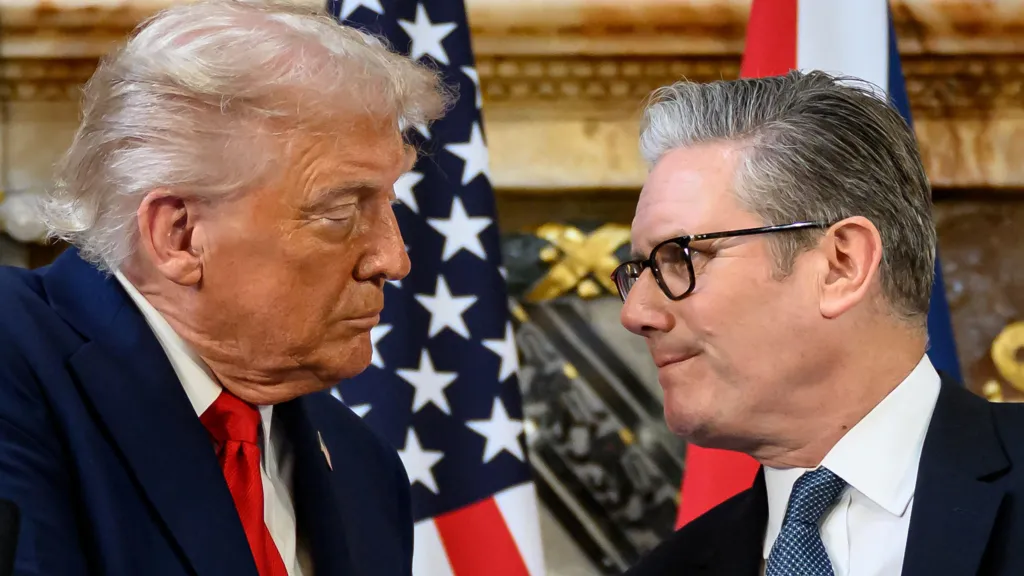
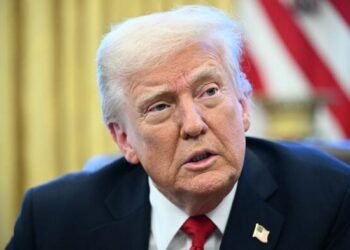
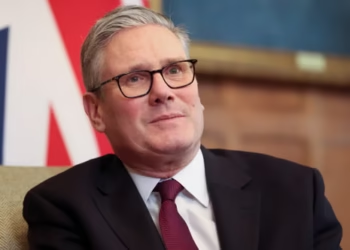
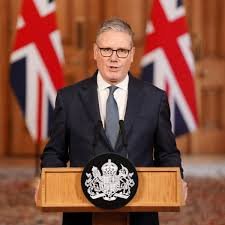
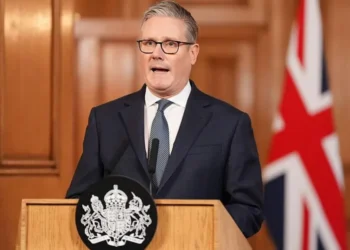
In a significant diplomatic moment following days of escalating rhetoric, Prime Minister Sir Keir Starmer and US President Donald Trump have spoken for the first time since the American leader sharply criticised the UK’s stance on the Iran conflict. The call, confirmed by Downing Street on Sunday, marks a tentative step toward stabilising relations between the two long‑standing allies after a week of unusually public tension.

No 10 offered only limited details about the conversation, but said the two leaders discussed the rapidly evolving situation in the Middle East and ongoing military cooperation between the UK and the United States. The exchange comes after President Trump accused Britain of hesitating in its support for US‑led military action against Iran, even labelling the UK “our once great ally” in a social‑media post that drew widespread attention.
The president’s frustration stemmed from the UK’s refusal to allow American forces to use British bases for the initial wave of offensive strikes against Iranian missile sites. Sir Keir Starmer has consistently maintained that the UK would not participate in offensive operations, though he later authorised the use of RAF bases for defensive US actions aimed at intercepting Iranian missiles.
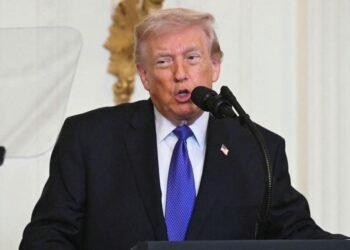
Trump’s criticism intensified over the weekend when he dismissed the idea of Britain sending aircraft carriers to the Middle East, writing that the US did not need “people that join wars after we’ve already won.” He also took a personal swipe at the prime minister, saying Sir Keir was “no Winston Churchill,” a remark that drew both domestic and international scrutiny.
Despite the heated rhetoric, Downing Street’s readout of the call struck a conciliatory tone. According to the statement, the prime minister expressed his condolences for the deaths of six US soldiers in recent days and reaffirmed the UK’s commitment to supporting collective self‑defence efforts in the region. The leaders “looked forward to speaking again soon,” the statement concluded, suggesting a desire on both sides to prevent further deterioration in relations.
Foreign Secretary Yvette Cooper defended the government’s approach during an appearance on the BBC’s Sunday with Laura Kuenssberg, insisting that Sir Keir was “right to stand up for Britain’s interests” and that the UK would not simply “outsource our foreign policy to other countries.” Cooper emphasised that while the UK values its alliance with the United States, it must make decisions based on its own national priorities.
“It’s for the US president to decide what he thinks is in the US national interest,” she said. “But it is our job as the UK government to decide what is in the UK national interest, and that doesn’t mean simply agreeing with other countries.”
The foreign secretary also reiterated that the UK would continue to provide defensive support in the region, particularly when British citizens are at risk. RAF jets have already been deployed to intercept Iranian missiles and drones targeting UK partners, and additional personnel have been stationed in the region to bolster security.
However, questions remain about the UK’s broader military readiness. Conservative shadow home secretary Chris Philp accused the government of a “dereliction of duty” for failing to move warships closer to Cyprus or the Middle East ahead of the conflict. He argued that the government had ample warning of US plans and should have acted sooner to position naval assets.
“The problem is, those ships as we speak are nowhere near Cyprus. They’re tied up at the docks in Portsmouth,” Philp said. “Keir Starmer and the Labour government showed no foresight whatsoever.”
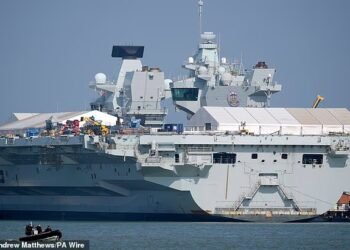
The Ministry of Defence confirmed that HMS Dragon, a destroyer with advanced air‑defence capabilities, is being sent to the Mediterranean to reinforce security around RAF Akrotiri in Cyprus, where a small drone strike earlier in the week caused minor damage to the runway. Meanwhile, the aircraft carrier HMS Prince of Wales has been placed on advanced readiness, with its crew instructed to be prepared to depart within five days. Cooper declined to say whether the carrier would ultimately be deployed to the region.
Former prime minister Sir Tony Blair also weighed in on the debate, telling a private event that the UK should have supported the initial US strikes. Blair, who led Britain into the Iraq War in 2003, described the United States as an “indispensable cornerstone” of UK security and argued that allies must “show up” regardless of who occupies the White House. His comments reignited long‑standing divisions within British politics over military intervention and the legacy of the Iraq conflict.
Cooper, who served as a junior minister during Blair’s premiership, acknowledged the need to “learn lessons” from Iraq, stressing that decisions must be grounded in what is best for British citizens. She rejected the notion that the UK should automatically align with the US or, conversely, oppose American actions on principle. “Neither approach is right,” she said.
The diplomatic landscape grew even more complex when Iran’s ambassador to London, Seyed Ali Mousavi, warned the UK to be “very careful” about deepening its involvement in the conflict. He said that any facilities or bases used against Iran would be considered “legitimate targets,” a statement that underscores the risks facing British personnel in the region.
Reform UK’s Robert Jenrick offered a different critique, arguing that while Britain should not participate in offensive bombing raids, the government should have allowed the US to use UK bases “from the outset.” He claimed that the prime minister’s hesitation had “damaged relations with the US significantly.”
Amid the political fallout, Liberal Democrat leader Sir Ed Davey called for King Charles to cancel his upcoming state visit to the United States, arguing that such a trip would be inappropriate while President Trump is engaged in what Davey described as an “illegal war” that is destabilising the Middle East and driving up energy costs for British households.
“A state visit from our King would be seen as yet another huge diplomatic coup for President Trump,” Davey said. “It should not be given to someone who repeatedly insults and damages our country.”

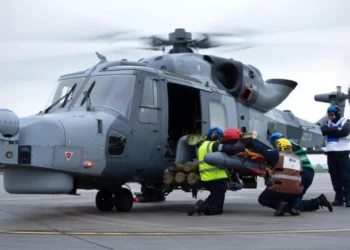
Despite the competing political narratives, the government insists it has acted decisively. Cooper highlighted the pre‑deployment of fighter jets and the dispatch of additional personnel, as well as the rapid deployment of Typhoon jets and Wildcat helicopters since the conflict began. She maintained that the UK’s actions have been measured, proportionate, and focused on protecting British lives.
As the Middle East crisis continues to evolve, the call between Starmer and Trump may mark the beginning of a more stable phase in UK–US relations — or merely a pause in a diplomatic dispute that reflects deeper tensions over military strategy, national sovereignty, and the future of Western alliances.
Related News:
 Starmer Weighs Fast-Tracking Defence Boost
 UK Will Allow US to Use Bases to Strike Iranian Missile Sites, PM Says
 Cooper: Joining US Strikes on Iran ‘Not in Britain’s Interest’
 Minister Meets Crews Who Will ‘Take Out’ Iranian Drones
 UK Prepares Aircraft Carrier for Middle East Crisis
 UK Must Act with Courage and Clarity on Israel-Palestine Conflict, Says Foreign Affairs Committee Report
 Starmer and Trump to Meet in Scotland Amid Growing Gaza Ceasefire Pressure
 MPs Call on UK Government to Delay Biometric Visa Checks for Gaza Students Amid Humanitarian Crisis
 Radioactive Leak at UK’s Nuclear Warhead Base Sparks Outcry Over Safety and Secrecy
 ‘I’m collateral damage’: ex-minister Tulip Siddiq on her Bangladesh corruption trial
 Mutual Inconvenience: Why Alaska Was Chosen for the Trump-Putin Summit on Ukraine
 “I Don’t Expect to Live a Normal Life”: How a Leeds Teenager Became the Target of a Chinese Bounty
 Ministers Accused of Defamation Over Palestine Action Ban and Mass Arrests
 Is the UK Ready to Put Boots on the Ground in Ukraine? Assessing Military Capacity and Challenges
 Protests Expected as Israeli Arms Firms Join Global Defence Trade Fair in London
 UK Home Office to Launch French Beach Signage to Warn Asylum Seekers of Risks
 UK Immigration Figures: Separating Facts from Perceptions
 Far-Right Rally in London Draws Record Crowds Amid Clashes with Police
 Thousands Gather in London to Protest Donald Trump’s Second UK State Visit
 Trump Urges UK to “Call Out the Military” to Secure Borders Amid State Visit
 UK Recognises State of Palestine in Push to Preserve Hope for Peace
Trump’s UN Speech Criticises London and UK Policies, Draws Far-Right Attention
UK Recognises State of Palestine in Push to Preserve Hope for Peace
Trump’s UN Speech Criticises London and UK Policies, Draws Far-Right Attention
 UK Fighter Jet Purchase Could Breach Nuclear Treaty, Warns CND
 A Third of EU Citizens in UK Report Discrimination by Public Bodies Post-Brexit
 Jailed Georgian Opposition Leaders Warn UK of Iranian Links to Ruling Party
 Russia repeatedly targets UK military satellites, warns Space Command chief
 Pro-Palestine March to Proceed in London Despite Calls to Cancel After Manchester Attack
 UK Universities Warn Students Ahead of 7 October Pro-Palestine Protests
Starmer Considers Stricter Measures on Pro-Palestinian Protest Chants
UK Universities Warn Students Ahead of 7 October Pro-Palestine Protests
Starmer Considers Stricter Measures on Pro-Palestinian Protest Chants
 Public Trust in SNP Hits Historic Low Amid NHS Concerns
 Tony Blair Met Jeffrey Epstein at Downing Street in 2002
 Johnson Suggests Mandelson Linked to China Spy Controversy
 Witness statements reveal the CPS China spy row collapse in the UK
 Large scale Chinese spying in UK sparks political storm
 Nigel Farage Calls Vladimir Putin ‘A Very Bad Dude’
 Rachel Reeves signals welfare reform ahead of key budget
 Prince Andrew met alleged Chinese spies during Pitch@Palace China trips
 Kosovo agrees to host Britain’s refused asylum seekers
 Plaid Cymru Triumphs in Caerphilly, Ending Labour Century-Long Hold
 Rachel Reeves to lead UK trade push in Saudi Arabia amid rights debate
 British Woman in Iran ‘Losing Hope’ Amid Ongoing Detention
 Johnson Approved China’s London ‘Super-Embassy’ in 2018
 BBC Journalist Held and Interrogated in Vietnam
 BBC director-general and news chief resign amid bias row
 New review urges UK to repatriate Shamima Begum, others from Syria
 Rama Rebukes Mahmood for Targeting Albanian Families
 Russian Vessel Used Lasers on RAF Pilots, UK Claims
 Britain Demands Israel Reverse Ban on Aid Groups
 US Africa aid remarks spark anger after leaked State email
 Trump Pulls Canada from His Controversial ‘Board of Peace’ Plan
 Starmer China visit raises human rights pressure on Beijing
 Emails Show Epstein Funded Mandelson’s Husband After Jail
 Cory Bernardi joins One Nation for SA election
 Starmer Condemns ‘Depraved’ Russian Strikes on Ukraine
 Russia Trolls Savage ‘Finished’ Keir Starmer After Mandelson Scandal Explodes
 Macron Rebuked in Franco-German Defence Row
 Britain’s Reliance on China Makes Us ‘Weak Link in the West’, Warn MPs
 Japan Braces as Takaichi Begins New Term with Huge Mandate for Low‑Tax, Ultra‑Conservative Agenda
 Trump Warns Over Chagos Islands Deal
 Trump and Chagos Deal Rift Over Iran Strikes
 How Much Could Andrew’s Arrest Hurt the Royal Family?
 Andrew Mountbatten-Windsor Arrest After FBI Radar
 UK Has Not Given US Permission to Use RAF Bases for Iran Strikes
 Australian PM Says Former Prince Andrew Has Suffered ‘Extraordinary Fall’ but That Won’t Prompt Republic Referendum
 Musk Cuts Starlink Access for Russian Forces – Giving Ukraine an Edge at the Front
 Farage Chagos Islands Row Sparks Fury
 Trump Tariffs Threat Spark UK and EU Alarm
 Town Vigil Marks Four Years of Ukraine War
 New Zealand Backs Removing Andrew From Royal Line of Succession
 Green Party Triumphs in Gorton and Denton By‑Election
 UK Allows US Base Use Amid Iran Tensions
 RAF Responding to Suspected Drone Strike at UK Cyprus Base
 Britain’s Position and Trump Vows to Press On in Iran Conflict
 Starmer Speaks to Trump After UK Joins Defensive Operation
 Trump’s Iran Endgame Unclear After Mixed Messaging on War Aims
 Sarwar Rejects Father’s Tribute to Iran’s Supreme Leader
 Muslim Group Wants Mosques to Be Used as Polling Stations Ahead of UK Elections
 Trump Rebukes Starmer Over Iran Strikes Row
 Manchester Students Mourn Ayatollah Amid Protest
 Minister Visits Leonardo After £1bn Deal Secured