Published: March 12, 2026
The English Chronicle Desk. The English Chronicle Online
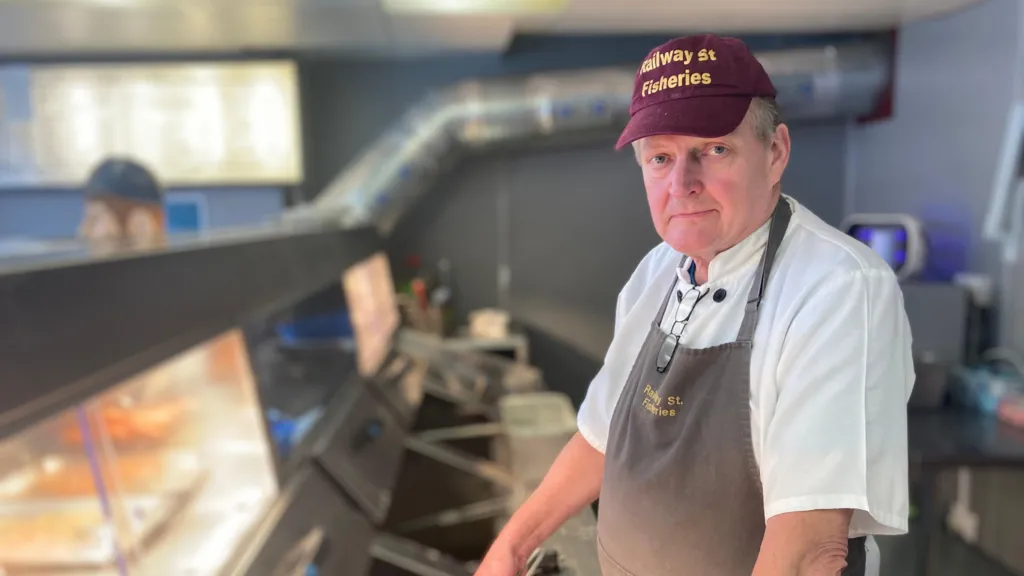
Britain’s traditional fish and chip shops are facing an uncertain future unless consumers become willing to eat cheaper types of fish, industry figures have warned. Rising costs, changing supply chains and environmental pressures are forcing many independent “chippies” to rethink the long-standing reliance on premium fish such as cod and haddock.

Fish and chip shops have long been a staple of British culture, serving millions of meals each week across the UK. However, the sector is now grappling with soaring wholesale prices, particularly for cod, which has traditionally been the most popular fish used in the classic dish.
Industry representatives say global supply constraints, stricter fishing quotas and higher fuel and transport costs have pushed cod prices to levels that many independent shops struggle to absorb. For small family-run businesses, the increases threaten already thin profit margins.
Some suppliers and restaurant owners argue that a shift towards more affordable species could help protect the future of the industry. Alternatives such as pollock, hake and coley are being suggested as viable substitutes that are both sustainable and significantly cheaper than cod or haddock.
Despite these options, convincing customers to change long-established eating habits remains a challenge. Many British diners have strong expectations when ordering fish and chips, and shop owners worry that offering unfamiliar fish could drive customers away.
Business owners say they are caught between rising costs and consumer resistance to price increases. If they keep using expensive fish, they may have to raise menu prices beyond what customers are willing to pay. But if they switch to cheaper varieties without careful communication, they risk damaging their reputation.
Industry groups are therefore calling for greater public awareness about the benefits of trying alternative fish species. Advocates say these options are often just as nutritious and flavourful while also supporting more sustainable fishing practices.
Environmental experts have also pointed out that diversifying fish consumption could reduce pressure on overfished species and improve long-term sustainability within the seafood industry. Encouraging consumers to try a broader range of fish could help maintain stable supply chains and protect marine ecosystems.

For many fish and chip shop owners, the stakes are high. The sector has already faced years of economic pressure from rising energy bills, labour costs and supply disruptions. Without changes in consumer habits, some operators warn that many traditional chippies may struggle to survive.
Industry leaders say the solution may lie in a gradual cultural shift — encouraging customers to embrace new fish choices while maintaining the essence of Britain’s beloved takeaway meal. If that transition does not happen, they warn, one of the country’s most iconic culinary traditions could face a slow decline.
Related News:
 Live Markets Bet on Spring Rate Cut as Inflation Falls
 City Bets on Rate Cuts as Unemployment Soars
 How Budget Fast Fashion Is Taking Small‑Town India by Storm
 Uncertainties Loom for Businesses and Consumers After Trump’s Tariff Changes
 Trump Announces Global Tariffs to Rise to 15%
 ‘Hard to Keep Lights On’: Business Owners Cautiously Welcome Tariff Ruling
 Canada Eyes Trade Talks After US Supreme Court Tosses Trump Tariffs
 Trump’s tariff strategy collapse sows global chaos and confusion
 Why Middle Managers Can’t Get a Job Anymore
 China Sets Lowest Economic Growth Target Since 1991
 Stock Markets and Oil Prices Still Volatile Over Fears Iran War May Drag On
 Could Trump Threaten London’s £50bn Insurance Giant?
 Caffè Nero Warns Coffee Prices May Rise Again
 G7 to Hold Emergency Oil Talks as Markets Plunge
 Reeves Faces Triple Threat as Markets Reel From Global Turmoil
 Gulf Oil Shock Sends Global Economic Ripples
 Iran War Costs to Be Passed to Consumers, Shipping Boss Warns
 Post Office Scandal Compensation Tops £1 Billion as Victims Finally See Justice
 Tensions Unfold in Market Harborough as Asylum Seeker Hotel Sparks Divisive Protests
 How to Exit Your Broadband Contract Without Paying Exit Fees
 Diageo Faces Profit Slump and Tariff Blow Amid Leadership Crisis
 China’s crackdown on civil servant perks sparks economic concerns
 Chancellor Rachel Reeves Pushes for Sweeping Changes to Environmental Protections to Accelerate Development
 Inflation Latest: Cost of Living Expected to Rise Again in Key Figures Released Today
 Retail Sales See Uptick Amid Errors and Delays as ONS Faces Scrutiny
Shein UK Faces Allegations of Shifting Majority of Profits to Singapore to Reduce UK Tax
Retail Sales See Uptick Amid Errors and Delays as ONS Faces Scrutiny
Shein UK Faces Allegations of Shifting Majority of Profits to Singapore to Reduce UK Tax
 Big Pharma Investment Freeze Puts UK Life Sciences Sector Under Strain
 Jaguar Land Rover Extends Production Halt Following Cyber-Attack
 Great Britain’s Energy Operator Commits to Strengthening Grid to Prevent Blackouts
 UK Government Backs Return of International Rail Travel to Kent Stations
 GSK Chief Executive Emma Walmsley to Step Down After Eight Years at the Helm
 Wetherspoon vows to keep prices low amid soaring energy and tax costs
 UK House Price Growth Slows as Buyers Exercise Caution Ahead of Autumn Budget
 Kemi Badenoch Unveils ‘Golden Rule’ to Halve Spending Cuts for Deficit Reduction at Tory Conference
 New V-Level qualification to transform post-16 education
 Real living wage set to rise nearly 7% for UK workers in 2026
 Reeves Faces Setback as Labour May Miss Homes Target
 Virgin Trains Moves Closer to Challenging Eurostar Monopoly
 Trump’s UK Ambassador Urges North Sea Drilling to Strengthen US Ties
 Ryanair Chief UK Economy ‘Doomed’ Under Labour
 M&S Profits More Than Halve After Cyber-Attack
 Earl of Yarmouth Faces £1.3m Legal Bill Over Family Estate
 Millionaires group urge Reeves to introduce wealth tax to ‘lift kids out of poverty’
 From Lego to Pokémon: How Adults Are Driving UK Toy Market Growth
 New laws to bolster UK’s defences against cyber attacks on NHS, transport and energy
 Canada Passes Carney’s First Budget in Tight Parliamentary Vote
 Starmer Says Labour’s Economic Plan Needs Years to Deliver
 Virgin Media Fined £23.8m Over Telecare Safety Failures
 Anglo American Scraps Bosses’ £8.5m Bonus Plan After Investor Fury
 Historic £100-Weekly Pension Boost Brings Relief for UK Mineworkers
 FTSE 100 Hits 10,000: UK Market Celebrates Record Year
 Metals and Mining Stocks Lift FTSE 100 to Record Close
MPs warn AI financial risks threaten UK stability
Metals and Mining Stocks Lift FTSE 100 to Record Close
MPs warn AI financial risks threaten UK stability
 US Dollar Hits Four-Year Low Amid Market Turmoil
 Amazon mistakenly signals new global layoffs to employees
 Households in England Face Rising Water Bills in April
 UK New Car Discounts Near £6,000 as Prices Are Slashed
 Pound Sinks and Borrowing Costs Rise as Starmer Fights for Job
 London Loses Its Grip on Ambitious Young Workers
 Major UK Clothing Firm Collapses into Administration — 109 Jobs at Risk
 Telstra AI jobs cuts as automation drive expands
 BT Names New Openreach Chief Amid Major Fibre Expansion
 Is Dining Out Dying Out?
 Could Manchester Lead the UK’s Economic Revival?
 Lloyds Boss Accepts Concern Over Use of Staff Data in Pay Talks
 Live Nation Sees Strong Ticket Sales as Monopoly Lawsuit Looms
 AI Coding Firm’s ‘Pride’ at Business Award Win
 UK Job Vacancies Hit Five-Year Pandemic Low
 Trump’s new tariff takes effect at lower than expected rate
 UK Youth Unemployment Surges Amid Tax Changes
 Strong Rebound for UK Housing Market Sees 6% More Homes
 Bill Gates ‘Took Responsibility’ Over Epstein Ties in Staff Meeting, Foundation Says
 Netflix Drops Bid for Warner Bros, Clearing Way for Paramount Takeover
 Burger King Rolls Out AI Headsets to Track Employee ‘Friendliness’
 Switching Energy Deal Can Save £200 as Price Cap Falls
 Labour’s Employment Shake‑Up ‘Makes Britain Worse Than France’
 Limited Flights Leave UAE But Disruption Continues Amid Iran Strikes
 Oil Prices Surge Above $100 Amid Iran War
 Sarah Ferguson Loses Another £1.5m Amid Financial Struggles
 Abramovich Chelsea Sale Cash Faces Jersey Probe