
Published: 12 March 2026. The English Chronicle Desk. The English Chronicle Online
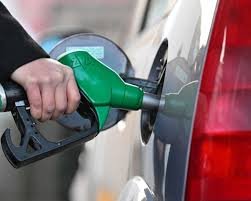
Taxi operators across the UK are facing an increasingly challenging landscape as rising fuel costs threaten their margins and make turning a profit more difficult. Drivers and fleet owners report that recent increases in petrol and diesel prices have significantly impacted day-to-day operations, prompting adjustments in fares, routes, and overall business strategies.

Industry insiders say the impact is particularly severe for independent drivers, many of whom rely on daily earnings to cover both operating expenses and personal income. The cost of fuel has risen sharply over the past months, with fluctuations linked to global oil markets, supply chain disruptions, and inflationary pressures. For a driver averaging hundreds of miles weekly, even a modest increase per litre translates into a noticeable reduction in net earnings.
Taxi associations and unions have called for support measures, arguing that without intervention, smaller operators risk being pushed out of the market entirely. Some companies have responded by introducing dynamic pricing models, adjusting fares to offset higher operating costs. However, passengers are not always receptive to these changes, and there is concern that higher fares may reduce demand.
Analysts note that fuel efficiency and alternative technologies, such as hybrid and electric vehicles, are increasingly part of the conversation. While such investments could alleviate long-term pressures, upfront costs remain a barrier for many small operators. Leasing schemes, government incentives, and infrastructure support are being debated as potential solutions to help taxi drivers navigate the current environment.
Meanwhile, drivers emphasize the human impact of the rising costs. Beyond profits, longer working hours, careful route planning, and reduced service availability have become common coping strategies. The tension between maintaining livelihoods and keeping services accessible highlights the broader economic challenge posed by fuel price volatility.

As the industry adjusts, taxi operators continue to search for a balance between affordability for passengers and sustainability for businesses. With global energy markets remaining unpredictable, the “tricky” path to profitability is likely to persist, underscoring the need for careful management and possible policy support.
Related News:
 Royal Mail Blames Poor Weather and Sickness for Delayed Deliveries
 Reform Plans to Keep UK’s Budget Watchdog in Office
 Tories Call for Rethink of Parliament Revamp Plans
 UK Inflation Rate Falls to 3% in Year to January
 Reeves Blocking Spending Boost for Defence
 Jenrick: I’ll Back OBR but There’ll Be No More Cosy Consensus
 Another U-turn Ahead as Labour Reconsiders Youth Minimum Wage
 Live Markets Bet on Spring Rate Cut as Inflation Falls
 City Bets on Rate Cuts as Unemployment Soars
 US Trade Deficit Hits Fresh High Despite Trump’s Tariffs
 Trump Announces Global Tariffs to Rise to 15%
 UK Job Vacancies Fall to Lowest Level Since Pandemic
 Ukraine war briefing: Russia exporting more oil now than before war despite sanctions – report
 Canada’s Finance Minister Says US Unlikely to Lift Tariffs
 Global markets face turmoil as Hormuz crisis deepens
 Tim Wilson Sells Out Controversial Share Market Bet
 China Sets Lowest Economic Growth Target Since 1991
 US Trade Court Orders Tariff Refunds in Setback for Trump Administration
 Stock Markets and Oil Prices Still Volatile Over Fears Iran War May Drag On
 Could Trump Threaten London’s £50bn Insurance Giant?
 Irish economy grew strongly in 2025
 Drivers Warned to Cut Journeys as Fuel Prices Surge
 Pagazzi Lighting Collapse Sees 70 Jobs Lost Across Scotland
 Iran War Costs to Be Passed to Consumers, Shipping Boss Warns
 Courier Firm Bust After 14 Years as Evri Deliveries Face ‘Temporary Disruption’
 Fuel Costs Are Rising — Drivers on the Frontline of the Price Surge
 Post Office Scandal Compensation Tops £1 Billion as Victims Finally See Justice
 Tensions Unfold in Market Harborough as Asylum Seeker Hotel Sparks Divisive Protests
 China’s crackdown on civil servant perks sparks economic concerns
 Chancellor Rachel Reeves Pushes for Sweeping Changes to Environmental Protections to Accelerate Development
 Inflation Latest: Cost of Living Expected to Rise Again in Key Figures Released Today
 Shein UK Faces Allegations of Shifting Majority of Profits to Singapore to Reduce UK Tax
 Big Pharma Investment Freeze Puts UK Life Sciences Sector Under Strain
 Jaguar Land Rover Extends Production Halt Following Cyber-Attack
 Great Britain’s Energy Operator Commits to Strengthening Grid to Prevent Blackouts
 UK Government Backs Return of International Rail Travel to Kent Stations
 Wetherspoon vows to keep prices low amid soaring energy and tax costs
 UK House Price Growth Slows as Buyers Exercise Caution Ahead of Autumn Budget
 Kemi Badenoch Unveils ‘Golden Rule’ to Halve Spending Cuts for Deficit Reduction at Tory Conference
 New V-Level qualification to transform post-16 education
 Real living wage set to rise nearly 7% for UK workers in 2026
 Reeves Faces Setback as Labour May Miss Homes Target
 Virgin Trains Moves Closer to Challenging Eurostar Monopoly
 Trump’s UK Ambassador Urges North Sea Drilling to Strengthen US Ties
 Ryanair Chief UK Economy ‘Doomed’ Under Labour
 M&S Profits More Than Halve After Cyber-Attack
 Millionaires group urge Reeves to introduce wealth tax to ‘lift kids out of poverty’
 From Lego to Pokémon: How Adults Are Driving UK Toy Market Growth
 Canada Passes Carney’s First Budget in Tight Parliamentary Vote
 Starmer Says Labour’s Economic Plan Needs Years to Deliver
 Historic £100-Weekly Pension Boost Brings Relief for UK Mineworkers
 FTSE 100 Hits 10,000: UK Market Celebrates Record Year
 US Dollar Hits Four-Year Low Amid Market Turmoil
 Amazon mistakenly signals new global layoffs to employees
 UK New Car Discounts Near £6,000 as Prices Are Slashed
 Pound Sinks and Borrowing Costs Rise as Starmer Fights for Job
 Major UK Clothing Firm Collapses into Administration — 109 Jobs at Risk
 Telstra AI jobs cuts as automation drive expands
 BT Names New Openreach Chief Amid Major Fibre Expansion
 Is Dining Out Dying Out?
 Could Manchester Lead the UK’s Economic Revival?
 Lloyds Boss Accepts Concern Over Use of Staff Data in Pay Talks
 NSW to Introduce Minimum Age for Ebike Riders
 Live Nation Sees Strong Ticket Sales as Monopoly Lawsuit Looms
 AI Coding Firm’s ‘Pride’ at Business Award Win
 Uncertainties Loom for Businesses and Consumers After Trump’s Tariff Changes
 UK Job Vacancies Hit Five-Year Pandemic Low
Storm Hernando: Edinburgh Airport Flights Cancelled in US Travel Chaos
UK Job Vacancies Hit Five-Year Pandemic Low
Storm Hernando: Edinburgh Airport Flights Cancelled in US Travel Chaos
 Trump’s new tariff takes effect at lower than expected rate
 UK Youth Unemployment Surges Amid Tax Changes
 Strong Rebound for UK Housing Market Sees 6% More Homes
 Bill Gates ‘Took Responsibility’ Over Epstein Ties in Staff Meeting, Foundation Says
 Netflix Drops Bid for Warner Bros, Clearing Way for Paramount Takeover
 Burger King Rolls Out AI Headsets to Track Employee ‘Friendliness’
 Switching Energy Deal Can Save £200 as Price Cap Falls
 Mayor Spends £20m to Encourage More Bus Trips
 Petrol Prices Soar as Retailers Accused of Gouging Amid Global Tension
 Oil Prices Surge Above $100 Amid Iran War
 Iran War Puts Trump at Political Risk Amid Rising Prices
 Abramovich Chelsea Sale Cash Faces Jersey Probe