Published: 16 March 2026. The English Chronicle Desk. The English Chronicle Online.
The delicate geopolitical dance between London and Washington has reached a significant turning point this week. Senior members of the British cabinet are now signaling a more cautious approach to American requests. This shift follows recent comments regarding the “transactional” nature of the current United States administration. Relations between the two historical allies are facing fresh scrutiny as global tensions continue to rise.
At the heart of the current debate is the ongoing conflict involving Iran and Israel. The United States has frequently called for more direct military support from its closest European partners. However, the British government appears to be prioritizing a strategy based on de-escalation and international law. This marks a notable moment for UK relations as the Prime Minister navigates a complex path. Pat McFadden, the Work and Pensions Secretary, recently shared his candid thoughts on these matters.
During a series of high-profile interviews, McFadden addressed the pressure from the White House directly. He suggested that the United Kingdom is not automatically obliged to support every single American demand. This statement is seen as an unusually blunt assessment from such a senior government figure today. It highlights a growing desire for the UK to maintain its own strategic autonomy abroad. The minister noted that the current American presidency often operates on a very transactional basis.
The primary point of contention involves the Strait of Hormuz, a vital maritime trade route. Recent Iranian retaliatory attacks have essentially closed this passage to most international sea freight traffic. President Trump has demanded that allies supply warships to help reopen the strait to commerce. He has warned that a lack of cooperation could have negative consequences for the future. The American leader even suggested that NATO support might depend on this specific maritime contribution.

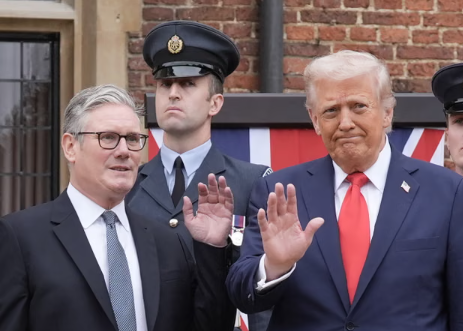
In a recent interview with the Financial Times, the President reiterated his frustration with London. He stated that those who benefit from the strait should help ensure its safety today. His rhetoric has placed significant pressure on Keir Starmer to commit more Royal Navy resources. However, the British response has focused on defensive measures rather than offensive military posturing. This distinction is crucial for maintaining stability in an already volatile and dangerous region.
McFadden told Sky News that the President’s quotes perfectly summarize his specific style of leadership. He described the current relationship as one that requires constant and very careful navigation. While acknowledging the transactional nature of the White House, he emphasized the depth of friendship. He believes the bond between the two nations will ultimately outlast any individual political personality. This long-term view aims to reassure the public while asserting a degree of independence.
Instead of sending heavy warships, the UK is reportedly considering the use of advanced drones. These minesweeping drones would provide a technical solution without the same level of military escalation. Complying fully with the American demand for ships could inadvertently worsen the existing regional crisis. Ministers are wary of being drawn into a wider conflict that lacks a clear exit. The goal is to support global shipping while avoiding the role of a protagonist.
The Prime Minister and the President are expected to discuss these equipment lists very soon. McFadden clarified that the UK has not sought to become a primary actor in this war. He told Times Radio that much of the current tension stems from political rhetoric. Beneath the public statements, a close working relationship between the two governments reportedly still exists. However, closeness does not mean the UK must support every single American intervention.
Starmer has previously gone to great lengths to build a working rapport with the President. During his first visit to the White House, he even invited him for a visit. This was seen as a strategic move to secure British interests in a changing world. Yet, the President has continued to criticize the Prime Minister for a lack of enthusiasm. He recently compared the current British leadership unfavorably to the legacy of Winston Churchill.
Downing Street remains confident that its current stance aligns perfectly with all international legal standards. The government believes that supporting only defensive measures reflects the general mood of the British public. Most citizens are wary of entering another prolonged conflict in the Middle East at this time. Balancing public opinion with diplomatic necessity is a primary challenge for the current administration. The focus remains on reopening trade routes without triggering a much larger global confrontation.
The two leaders spoke by phone on Sunday to discuss the situation in the Middle East. A readout of the call confirmed their shared interest in ending shipping disruptions worldwide. High maritime costs are currently driving up the price of goods for consumers in Britain. Both nations agree that the Strait of Hormuz must be reopened for the global economy. However, the specific methods for achieving this goal remain a point of significant diplomatic friction.

The concept of UK relations with the United States is being redefined by these interactions. Modern diplomacy requires a blend of traditional alliance-building and the protection of national sovereignty. The British government is signaling that it will no longer follow Washington without asking questions. This evolution reflects a broader global trend where mid-sized powers seek more agency in affairs. The coming months will test the strength of this “special relationship” like never before.
Observers note that the transactional approach of the White House creates a predictable set of challenges. Every request for support is viewed through the lens of a direct exchange of favors. For the UK, this means that loyalty is no longer assumed to be a given. Instead, cooperation must be negotiated based on mutual benefits and shared long-term strategic goals. This creates a more complex environment for diplomats working in both London and Washington.
As the situation in the Middle East evolves, the British government will likely remain cautious. The use of technology like drones shows a commitment to innovation in modern naval warfare. It also allows the UK to contribute meaningfully without deploying large numbers of human personnel. This balanced approach is intended to satisfy the need for action while minimizing potential risks. It remains to be seen if this will be enough to satisfy the White House.
The international community is watching these developments with great interest and a sense of concern. Any rift between the UK and the US could have implications for broader Western security. However, a more independent British voice might also lead to more diverse and effective solutions. The current cabinet seems prepared to handle the political fallout of their recent blunt assessments. They are betting on the endurance of the alliance beyond the current political cycle.
Ultimately, the goal is to protect British interests while remaining a reliable and steady partner. The “transactional” label may be blunt, but it reflects a new reality in global politics. By acknowledging this reality, UK ministers hope to manage expectations and avoid unnecessary military entanglements. The friendship remains deep, but the terms of engagement are clearly beginning to change. This is a new chapter in the history of two nations bound by heritage.
Related News:
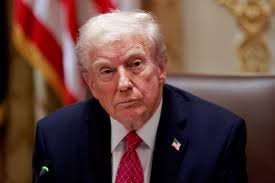 Trump Plans Venezuela Meeting, Warns of Cartel Land Strikes
 Mandelson apologises over Epstein ties after public scrutiny
 US Senate rejects resolution limiting Trump military powers
 Trump Calls Greenland Critical for US Security After Denmark Talks
 Trump: Iran Killing Has Stopped, Strike Threats Pulled Back
 Machado Trump medal gesture reshapes Venezuela power struggle
 Trump Receives Machado’s Nobel Medal in White House Meeting
 Iran unrest slows under brutal crackdown and global tensions
 Trump Allies Pursue $200m European Gas Pipeline Deal
 US Considers Asylum for British Jews Amid Rising Antisemitism
 Starmer Challenges US Over Controversial Greenland Deal
 Spoof “Make America Go Away” Caps Rally Denmark Over Greenland
 Trump slams UK ‘stupidity’ over Chagos Islands, eyes Greenland takeover
 UK Presses On With Chagos Handover Despite Trump Criticism
 Kim Jong-un Fires Vice-Premier Over Factory Failures
 Shinzo Abe’s killer receives life sentence in Japan
 Starmer Resists Matching Trump Amid Greenland Tensions
 Netanyahu Accepts Trump’s ‘Board of Peace’ Invitation
 South Korean Ex-PM Jailed 23 Years Over Martial Law Role
 Canada Rules Out Free Trade Deal With China Amid US Tensions
 Snow Threatens Japan Election Turnout Amid Extreme Cold
 Keir Starmer meets Xi to strengthen UK-China economic relations
 Crisis Looms as Liberals Debate Sussan Ley Future
 Cambridge Faces Scrutiny Over Arms Investment Transparency
 Files Link Andrew to Epstein Dinner After Prison Release
 Thousands Protest ICE Operations in Nationwide US Day of Action
 Epstein Files Reveal Trump Officials’ Emails with Financier
 Thousands Protest ICE in New York Against Trump Deportation Campaign
 Trump-Petro Meeting Sparks Hopes of Diplomatic Detente
 Epstein UAE Emails Shake British Royal Andrew’s Legacy
 Liberal Fallout: Taylor Challenge Casts Shadow Over Sussan Ley’s Leadership
 Ukraine, Russia Meet in Geneva Ahead of War Anniversary
 Brazilian Politician Brothers Sentenced for Marielle Murder
 Tommy Robinson Meets Trump Officials at US State Department
 New Zealand Covid Response Praised Despite Lingering Scars
 HMS Dragon to Head to Cyprus Amid Rising Tensions
 Starmer Praised for Stance on Trump and Iran Conflict
 Yvette Cooper: UK Must Follow Principles, Not US Pressure
 Florida Governor renames Palm Beach Airport for Donald Trump
 Farage Shuns Truss as US Right-Wing Roadshow Hits London
 European Leaders Slam Hungary Over Alleged Russian Ties
 Starmer Urges Ambitious EU Ties Amid Middle East Conflict
 A Global Voice For Justice: Stephen Lewis Dies At Age 88
 Trump Mocks Starmer and UK Carriers in White House Speech
 Final Countdown as Trump Deadline Looms Over Tehran
 Starmer visits Gulf as US and Iran agree ceasefire
 GOP Senator Criticizes Trump’s Feud With Pope Leo XIV
 Global Oil Prices Surge Amid Renewed Gulf Tensions
 Faith and Power: Catholics React to Trump-Pope Feud
 Timor-Leste Faces Tough Questions Over Resort Proposal
 Security Scrutiny After Washington Shooting Incident
 Aukus Submarine Plan Faces Critical Failures
 UK Envoy Sparks Controversy Over Special Relationship Claims
 US Calls Australia Media Law “Foreign Extortion”
 USS Gerald R Ford Ends Record Naval Deployment
 Activists allege abuse after Gaza flotilla seizure
 Australia pushes Pacific security pact amid China tension
 Indiana Republicans Defy Trump in Key Vote Test
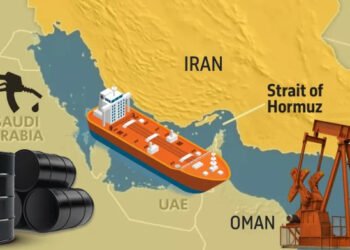 Middle East Crisis Escalates as Oil Routes Shake Markets
 One Nation Candidate’s Surprising Ties to Independents
 Anika Wells Repays Over £5,000 in Travel Claims
 Tensions Emerge in Netanyahu-Trump Alliance
 California Mayor Resigns Over Foreign Agent Charges
 Liberal Senator Criticises Immigration Rhetoric
 Hanson Stunner: Norway Model Sparking Energy Row
 Tony Abbott Returns as New Liberal Party President
 Tulsi Gabbard exits after turbulent intelligence tenure
 UK Urged to Build EU Rejoin Consensus, Says Miliband
 Zelenskyy warns over Oreshnik threat as Kyiv hit
 Discontent grows around Putin amid war strain
 Former ICC prosecutor condemns US sanctions
 Trump Weighs Retreat from Controversial $1.8bn Slush Fund
 Iran Prepares for Massive Six-Day Funeral for Khamenei
 Trump’s Mount Rushmore Speech: A Divisive Anniversary
 Iran Mourns: Millions at Khamenei’s Final Procession
 Starmer Braces for Nato Spending Clash in Ankara
 Trump Swaps Planes Amid Iran Tensions
 House Democrats Divided Over Israel Military Funding Bid
 Houthis Strike Saudi Arabia as Middle East Tensions Rise
 Taliban global ties grow as rights fears mount