Published: 19 March 2026. The English Chronicle Desk. The English Chronicle Online.
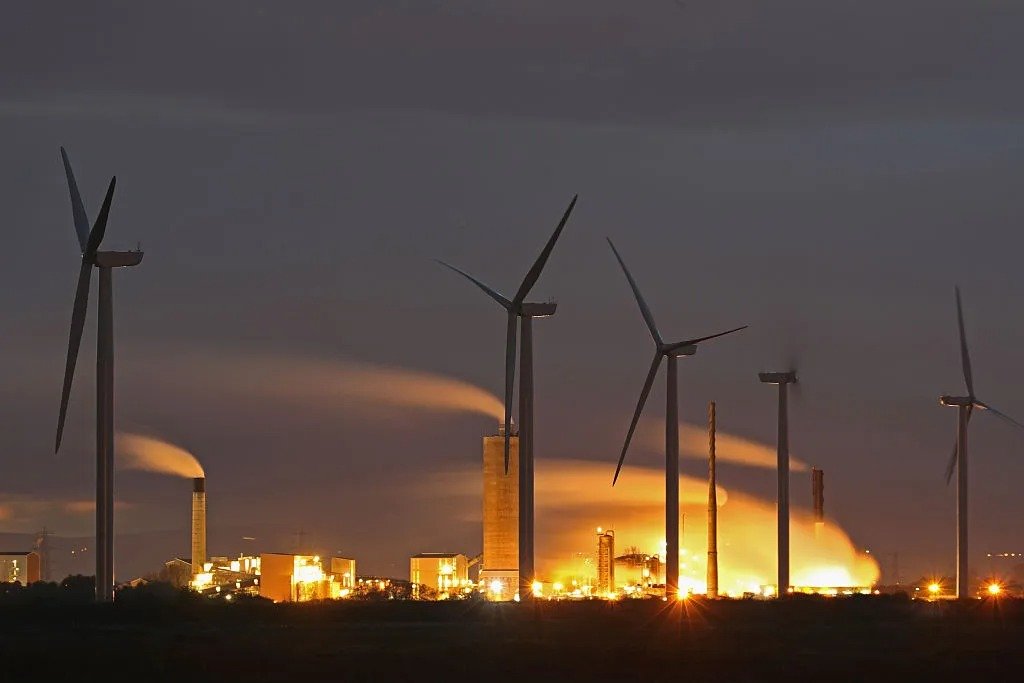
Household energy bills across the United Kingdom could fall significantly under new reform proposals. A recent report suggests that removing gas from price setting may reduce costs annually. Experts believe this change could save households up to two hundred pounds each year.
The current UK energy system allows gas to determine electricity prices most of the time. In 2024, gas set electricity prices in around eighty five percent of cases nationally. This occurs despite gas generating only about a quarter of Britain’s total electricity supply.
This pricing mechanism means consumers remain highly exposed to fluctuations in global gas markets. Rising gas prices, influenced by ongoing geopolitical tensions, have pushed household bills higher recently. The war involving the United States, Israel, and Iran has intensified these global energy pressures.

A new report from Common Wealth outlines a potential solution to this ongoing issue. The thinktank recommends breaking the direct link between gas prices and electricity costs nationwide. This approach could stabilise prices and deliver meaningful financial relief to households.
According to Mathew Lawrence, the solution is both clear and achievable. He argues that reforming the pricing system would prevent excessive profits within the energy sector. He also believes this approach would support a more stable and affordable energy future.
Currently, renewable energy producers are often paid based on higher gas driven electricity prices. This creates what critics describe as unintended windfall profits for low cost energy generators. Reforming the system could ensure fairer pricing that better reflects actual production costs.
The report proposes a “single buyer model” to restructure how electricity is purchased and priced. Under this system, renewable and nuclear energy providers would receive fixed and fair payments. This would remove them from volatile wholesale markets influenced heavily by gas prices.
Gas powered plants would instead operate as part of a strategic reserve within the system. These plants would only be used when renewable and nuclear supply cannot meet demand. When activated, gas would be purchased carefully to minimise excessive profit during shortages.
Support for reform is growing among political leaders, experts, and environmental organisations across Britain. Zack Polanski has publicly backed decoupling gas from electricity pricing. He has called for bold and immediate action to protect consumers from rising energy costs.
Consumer advocacy groups and climate organisations have also expressed strong support for the proposed changes. Groups such as Greenpeace believe reform could accelerate the transition toward cleaner energy systems. They argue that reducing reliance on gas pricing would benefit both consumers and the environment.
In addition, Resolution Foundation has suggested introducing a social tariff for vulnerable households. This measure would provide cheaper energy rates for lower income families facing financial hardship. It is seen as a complementary policy alongside broader market reforms.
Energy experts warn that the current system leaves consumers vulnerable to unpredictable global price shocks. Donal Brown highlighted the risks associated with volatile gas markets. He explained that reliance on gas pricing exposes households to sudden and severe bill increases.
Brown supports the proposed reforms, describing them as a simple yet effective emergency measure. He stated that stabilising prices through fixed contracts could protect consumers from future crises. This approach may also help prevent unnecessary profit spikes within the energy sector.

The proposed changes could be implemented within the next twelve months if approved by the government. This timeline suggests that relief could arrive relatively quickly for struggling households nationwide. However, implementation would require strong political will and coordination across the energy sector.
The debate over energy reform comes at a critical time for the United Kingdom. Rising living costs and economic uncertainty have placed increasing pressure on households across the country. Energy bills remain one of the most significant financial burdens for many families today.
Decoupling gas from electricity pricing represents a major shift in how the energy market operates. Supporters argue that it reflects modern energy realities, where renewables play an increasing role. Critics, however, may raise concerns about potential risks and implementation challenges.
As discussions continue, the government faces growing pressure to act decisively on energy reform. The outcome could shape the future of Britain’s energy system for years to come. For millions of households, the stakes are both immediate and deeply personal.
Related News:
 Aberdeen Chosen for GB Energy HQ at Marischal Square
 North Sea Drilling to Cut UK Imports Only Slightly
 Heavier SUVs Accelerate Britain’s Pothole Crisis
 UK rejects EV charging VAT cut amid Treasury clash
 Essex valley emerges as rising English wine hub
 Burnham unveils £65m drought aid for farmers
 Reeves Faces Setback as Labour May Miss Homes Target
 Trump’s UK Ambassador Urges North Sea Drilling to Strengthen US Ties
 ABF May Split Primark from Food Division Amid Tough Market
 M&S Profits More Than Halve After Cyber-Attack
 Tony Blair think tank warns Rachel Reeves must cut taxes if manifesto broken
 Millionaires group urge Reeves to introduce wealth tax to ‘lift kids out of poverty’
 UK toy market enjoys bumper year as ‘kidults’ fuel demand
 Global markets drop amid tech sell-off and China slowdown
 PM Highlights UK Business at G20 in South Africa
 Mossmorran Plant Closure Hits Cowdenbeath Hard
 Steel billionaire Lakshmi Mittal reportedly leaves UK
 Starmer Says Labour’s Economic Plan Needs Years to Deliver
 Virgin Media Fined £23.8m Over Telecare Safety Failures
 Rising Water Bills Lift Troubled Thames Back to Profit
 Starmer Faces Parliamentary Battles Over UK-EU ‘Reset’ Plan
 Phoenixism Costs UK Taxpayers Millions in Recruitment Sector
 ScottishPower Tops List of Worst UK Energy Suppliers
 City & Guilds pay surge sparks backlash amid £22m cuts
 UK Government Borrowing Drops to £11.6bn in December
 AI job losses UK: Britain faces sharper employment shock
 Most young adults in UK fear uncertain jobs and economic future
 UK Housing Market Shows Early Recovery Signs
 UK economy struggles as growth stalls at 0.1% in late 2025
 Bank of England Urged to Cut Rates to Spur Growth
 UK Unemployment Rate Climbs to 5.2% Peak
 UK shelves £110m border project amid trade strain
 UK Inflation Surprise Sparks Early Rate Cut Hopes
 Reeves Must Back Defence Plan or Face Dismissal, Says Unite Chief
 Switching Energy Deal Can Save £200 as Price Cap Falls
 OBR Reform Row Deepens Before Spring Forecast
 Rachel Reeves Faces Middle East Conflict Test
 Grocery Inflation Rises Amid War Fears
 Peak Greggs fears as profits tumble sharply
 BrewDog sold Highland estate for knockdown price after abandoning reforestation plans
 Yorkshire Water Funding Sparks Debate Amid Fines and Pay Row
 New £10bn rescue plan offered for Thames Water
 Hospitality Sector Teeters on Brink as Costs Surge
 Iceland Boss Offers Role to Sacked Waitrose Employee
 Student Loan Interest May Rise Despite 6% Cap
 Major Housebuilder Cuts Land Buying Amid Global Unrest
 City & Guilds Sale Sparks Fees and Pay Uproar
 Crackdown Backfires on UK Climate Protesters
 Capitalism ‘Suicidal’, Warns Petro at Climate Summit
 Heathrow Chair Seeks Peace to Save Third Runway
 Tractor Breakdown Tests Lincolnshire Farmers
Carillion Executives Banned After Reckless Misconduct
Tractor Breakdown Tests Lincolnshire Farmers
Carillion Executives Banned After Reckless Misconduct
 Labour Faces Internal Pressure for Bold Economic Shift
 Millionaires Back Higher Taxes to Save UK Public Services
 Crypto Tycoon Enters UK Rich List at Number Six
 UK Firms Freeze Spending as Iran Conflict Bites
 Summer Shock: British Energy Bills Set for Grim July Hike
 Reeves to Fast-Track Clean Energy Amid Iran Crisis
 M&S Boss Slates Food Price Caps as ‘Preposterous’
 UK Urged to Build EU Rejoin Consensus, Says Miliband
 Tube Strike Brings Capital to a Standstill Over Shift Disputes
 BP Stands Firm on Amanda Blanc Amid Boardroom Storm
 UK House Prices Drop For Third Month Due To War Fears
 Top Chefs Back Andy Burnham to Save UK Hospitality Sector
 UK Steel Crisis: Jingye Demands Payout After Takeover
 Flutter to Cancel London Stock Exchange Share Listing
 AI Scams Push UK Investment Fraud Past £220m
 Whitehall Steps In: The Battle Over Thames Water Deepens
 Thames Water Nationalisation Pushes Closer After Rescue Objected
 John Lewis Invests £20m in Glasgow Store Upgrade
 Andy Burnham Enlists Economic Heavyweights for Leadership Bid
 Tories Clinch Shock Victory in Aberdeen South Byelection
 Rethinking the Blueprint for Youth Employment in Britain
 Sainsbury’s Boss Optimistic As Grocery Inflation Eases
 UK Households Suffer Squeeze As Disposable Incomes Drop
 Bank of England Eases Rules Despite Rising AI Risks
 UK Schools Struggle as Classrooms Top 40C
 London Tube Heat Reaches Dangerous Levels
 BBC Faces Real Jeopardy as Licence Fee Income Declines
 Three-Quarters of England’s Riverbanks Still Off Limits