Published: 22 March 2026. The English Chronicle Desk. The English Chronicle Online.
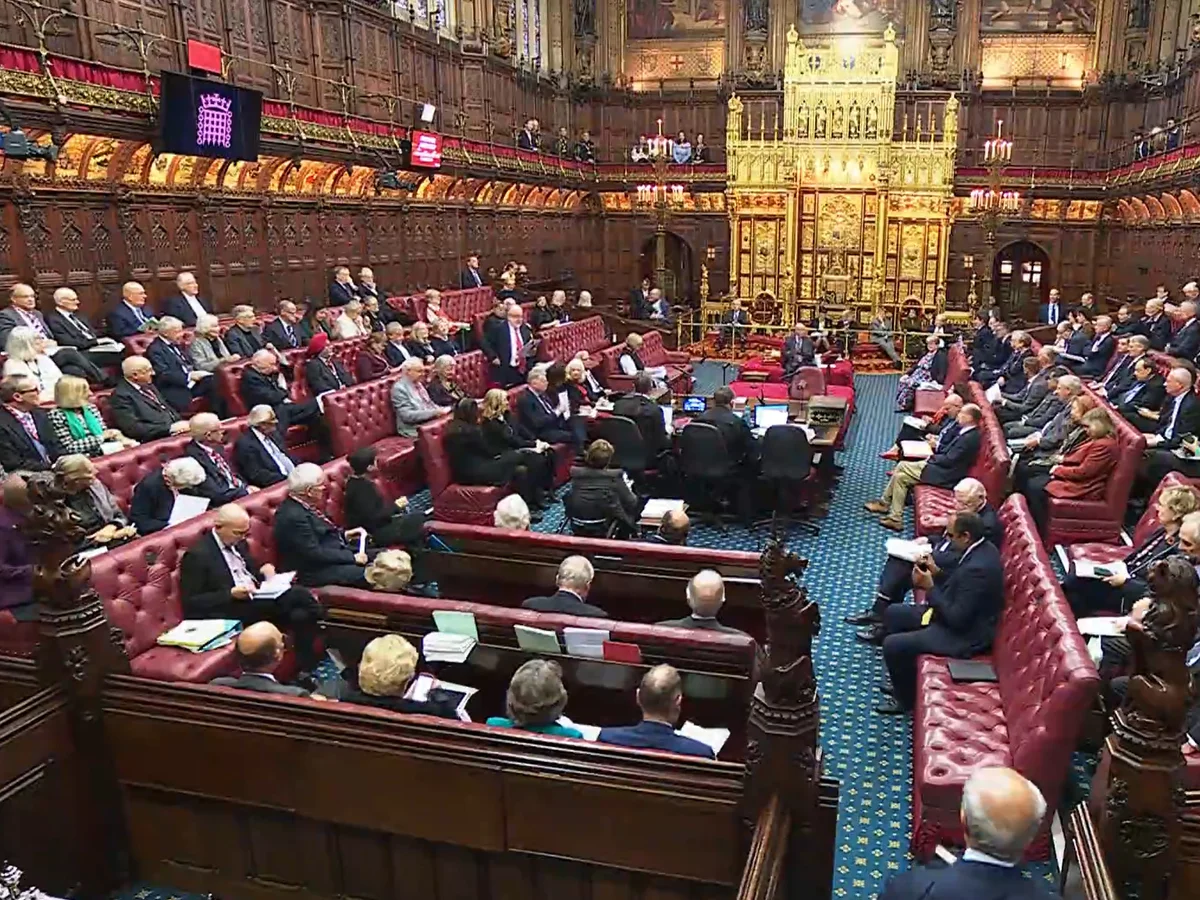
The British political landscape often faces intense scrutiny regarding the efficiency of its unique democratic institutions. Recent data from the House of Lords has ignited a fresh debate about parliamentary accountability. Records show that Evgeny Lebedev and Ian Botham currently hold the lowest attendance rates in the upper chamber. Both peers were appointed during the premiership of Boris Johnson and have faced consistent criticism lately. These two men have recorded identical attendance rates of just over one percent during recent sessions. This revelation raises significant questions about the value provided by some life peers today.
Public interest in the Lords attendance records has surged as taxpayers demand better representation. The upper house serves as a vital revising chamber for legislation in the United Kingdom. However, the consistent absence of high profile figures like Lebedev and Botham draws negative attention. The Guardian recently analyzed these official records to highlight a growing trend of absenteeism. From the start of 2022 until the end of 2025, sessions were held frequently. Out of six hundred and twenty five possible sittings, both men attended only seven. This represents a participation rate that many observers find difficult to justify in modern politics.

Evgeny Lebedev is well known as a prominent newspaper proprietor and a close personal friend. His father was a billionaire oligarch, which added a layer of controversy to his appointment. Since entering the chamber, Lebedev has maintained what some call an incredibly relaxed approach to duties. He has barely surpassed his own previous record of attendance from the earlier years. Between late 2019 and 2022, his participation was slightly higher at one point two percent. He managed to attend four out of three hundred and eighteen possible sittings then. Such figures suggest a long term pattern of disengagement from the formal legislative process.
Lord Botham, the legendary former cricketer, shares this unenviable record with the Russian born media mogul. Botham was elevated to the peerage in September 2020 following a very successful sporting career. Initially, the sporting icon showed a higher level of enthusiasm for his new role. He attended twenty six sessions in 2021, which suggested a commitment to public service. However, that early momentum appears to have vanished entirely over the last four years. His recent presence in the chamber has mirrored the infrequent appearances made by Lebedev. This decline in activity has disappointed many fans who admired his grit on the field.
The rules governing the House of Lords are remarkably lenient regarding the physical presence of members. To retain their seats, peers must attend at least one sitting per parliamentary session. Both Lebedev and Botham have narrowly avoided disqualification by meeting this very basic requirement annually. Lebedev attended once in 2022 and then twice in each subsequent year through to 2025. Botham followed a similar path with two visits in 2022 and one in 2023. He then managed two appearances in each of the following two years to remain active. These minimal efforts ensure they keep their titles without performing substantial legislative work daily.
Despite his low attendance, Lebedev has recently shown a slight increase in his formal participation. Known formally as Baron Lebedev of Hampton and Siberia, he has started voting this year. After six years of silence, he has cast two votes during the current parliamentary term. He also delivered one of his rare speeches earlier this month to the chamber. This minor uptick in activity might be a response to growing public and media pressure. Whether this represents a permanent shift in his commitment to the role remains seen. Critics argue that a few votes cannot compensate for years of total silence.
In contrast, Lord Botham has remained largely silent within the grand walls of the upper house. He has not delivered a speech in the Lords since the month of November 2020. Furthermore, he has not submitted any written questions to the government since late last year. While he has voted twenty one times in total, his last vote was recorded years ago. This lack of engagement is particularly striking for someone with such a strong public profile. Many expected the former England captain to champion specific causes like rural affairs or sport. Instead, his legislative record remains one of the thinnest among his many political peers.
The House of Lords operates very differently from the democratically elected House of Commons. Peers are often experts in specific fields or hold demanding jobs outside of parliament. They are not expected to be present for every single debate or vote held. Many members contribute only when their specific expertise is relevant to the legislation discussed. This flexibility is often cited as a strength of the current British political system. However, the Lords attendance records suggest that some members take this flexibility to an extreme. Without committee service, the contribution of these absentee peers becomes very difficult to measure.
Neither Lebedev nor Botham has ever served on a formal Lords committee during their tenure. Committee work is often where the most rigorous scrutiny of government policy actually takes place. Members who avoid these duties miss the opportunity to shape the fine details of law. Serving on a committee requires a significant time commitment and regular attendance in London. By avoiding these roles, both men have limited their impact on the British legislative process. This lack of involvement fuels the argument for comprehensive reform of the upper chamber. Many citizens feel that a seat in parliament should require active participation.
The House of Lords is currently the largest legislative body in the world after China. It consists of eight hundred and sixty eight members, with most being active participants. Efforts to reduce the size of the chamber have met with very limited success. While a new bill will remove hereditary peers, the total number remains very high. Prime ministers continue to appoint new life peers at a rapid and steady rate. This practice often offsets any reductions made through retirement or the death of members. The sheer size of the chamber makes the issue of non attendance even more visible.

Keir Starmer has already appointed ninety six new peers since he became the Prime Minister. Boris Johnson was previously criticized for his own list of appointments during his time. He appointed eighty seven peers, including his own brother and several close personal associates. The appointment of Lebedev was particularly controversial due to security concerns raised at the time. Despite these concerns, the appointment went ahead, leading to the current situation with attendance. Nepotism and patronage are frequent themes in the ongoing debate about reforming the peerage system. The public remains skeptical about the criteria used to select new members of parliament.
The debate over the future of the House of Lords shows no signs of slowing. Some advocate for a fully elected chamber to ensure direct accountability to the voters. Others believe that the current system provides a necessary check on the power of government. However, cases of extreme absenteeism like those of Lebedev and Botham weaken the traditionalist argument. If peers do not show up to work, the value of their expertise is lost. The English Chronicle will continue to monitor these developments as calls for reform grow louder. For now, the records remain a stark reminder of the challenges facing the institution.
Related News:
 British Woman in Iran ‘Losing Hope’ Amid Ongoing Detention
 BBC Journalist Held and Interrogated in Vietnam
 Green Party Surges Past Labour in Latest UK Poll
 Celebrities and Charities Demand UK Government Act on Child Poverty
 Trump’s UK Ambassador Urges North Sea Drilling to Strengthen US Ties
 FBI Director Kash Patel Defends Girlfriend Amid Government Jet Claims
 French Taxi Driver Cleared in David Lammy Theft Case After Fare Dispute
 ‘Reckless’ cuts to victims’ services will cost more than they save
 Millionaires group urge Reeves to introduce wealth tax to ‘lift kids out of poverty’
 Starmer Faces Growing Dissent as Labour MPs Weigh Leadership Challenge
 Reeves rejects £1bn plea for NHS redundancy payouts
 Politics latest: Starmer ‘will fight any leadership coup’ as Streeting denies attempt to oust Labour PM
 PM Condemns Leaks, Vows Loyalty to Ministers and Stability
 Major Rent Reform Ends No-Fault Evictions in England
 Peers Flood Assisted Dying Bill with 942 Amendments
 England’s Special Needs Support Faces Breaking Point
 MoD warned over Excel risks before Afghan data breach
 Labour Faces Historic Decline in Wales
 PM Highlights UK Business at G20 in South Africa
 Kate Forbes: Motherhood Harder Than Politics
 Most Tories Expect to Support a Farage-Led Government
 Labour MP claims devolution bill is ‘blatant discrimination’ against Cornwall
 Millions Face Higher Taxes Under Reeves New Budget
 Peers Get Extra Time to Debate Assisted Dying Bill
 Starmer Says Labour’s Economic Plan Needs Years to Deliver
 Culture secretary to review Telegraph takeover by Daily Mail owner
 Plans to Limit Jury Trials Face Retreat After Mounting Opposition
 Right Must Unite After Jenrick Defection, Urges Rees-Mogg
 UK Ministers Drop Foreign Student Targets for Global Education Push
 MPs warn AI financial risks threaten UK stability
 MPs warn AI financial risks threaten UK stability
 No Gas Boiler Ban as UK Warm Homes Plan Backs Heat Pumps
 Hugh Grant Joins Call for Under-16 Social Media Ban in UK
 Shinzo Abe’s killer receives life sentence in Japan
 Lords Vote Piles Pressure on Starmer Over Social Media Ban
 Reform UK Health Plan ‘Would Cost £1.7bn’, Streeting Says
 Police response times face strict new national limits
 Labour policing overhaul sparks fears over growing central control
 Tories criticised after Braverman defection sparks mental health row
 Burnham Westminster return hopes fade amid Labour rift
 Starmer warns of toxic division politics in Reform challenge
 Starmer China visit raises human rights pressure on Beijing
 Labour Must Revive High Streets to Avoid Election Collapse
 Calls Grow for King Charles to Apologise for Crown’s Role in Slavery
 Palantir contracts face UK halt calls over transparency
 Labour Thinktank Row Deepens Over Journalist Probe Claims
 Labour Lord Doyle Apologises Over Paedophile Ties in Political Storm
 Cabinet Secretary Shake-Up Triggers Due Diligence Warning
 Starmer Faces Inquiry Calls Over Thinktank Probe
 Royal Mail Delivery Crisis Deepens Amid Weather Chaos
 Labour Together probe scandal sparks fresh Cabinet Office investigation
 Farage to Name Jenrick as Reform Chancellor Pick
 NHS Negligence Ruling Raises Payout Costs
 Civil Service Pay: Union Urges Ministers to End ‘Barking Mad’ Limits
 Antonia Romeo appointment sparks criticism
 Trump and Chagos Deal Rift Over Iran Strikes
 Farage Chagos Islands Row Sparks Fury
 Trump Tariffs Threat Spark UK and EU Alarm
 Gasfield Deal Sparks Debate Over Fracking in Lincolnshire
 Reform UK targets workers’ rights repeal
 Mandelson Denounces Arrest Over ‘Baseless’ Fleeing Claims
 Russian Trade Routed Through British Islands Exposed
 Mandelson Arrest: Met Apologises to Hoyle
 Palestine Action ban appeal moves forward
 Reeves Must Back Defence Plan or Face Dismissal, Says Unite Chief
 NHS Maternity Units Cover Up Harmful Childbirth Errors
 Green Party Stuns Labour in Gorton and Denton Byelection
 Refugee Status Overhaul Sparks UK Debate
 Trump Rebukes Starmer Over Iran Strikes Row
 BBC Charter Reform Sparks Independence Battle
 Asylum Seekers to Work After Year-Long Wait
 Thousands Protest Iran Strikes Outside US Embassy London
 US Bombers Arrive at RAF Base Amid Rising Iran Tensions
 UK Prepares Aircraft Carrier for Middle East Crisis
 UK Oil and Gas Supplies Reassured Amid Middle East Concerns
 Proposed Law Leaves Gap for Children of Convicted Paedophiles
 Ministers Urged to Act Faster on Deepfakes Threat
 Yvette Cooper: UK Must Follow Principles, Not US Pressure
 UK Cuts Climate Aid by 14% in Strategic Refocus
 Iran’s Failed Strike on Diego Garcia Sparks UK Security Concerns