Published: 23 March 2026. The English Chronicle Desk. The English Chronicle Online
The night skies over Israel have taken on a new and unsettling character in recent weeks, as streaks of light—once associated with interception success—now increasingly signal a more complex and dangerous threat. As the conflict between Israel and Iran intensifies, the use of cluster munitions by Tehran has introduced a new dimension to the battlefield, testing even the most advanced missile defence systems and reshaping the experience of war for civilians below.
The shift became more apparent following a symbolic and ominous message posted on social media shortly after the death of Ali Khamenei, who was killed in an Israeli airstrike in late February. The post, shared via an account managed by his staff, depicted a missile soaring over a burning city alongside a cryptic reference to “Khorramshahr moments.” The message pointed to Iran’s most advanced ballistic missile, the Khorramshahr missile, believed to be capable of carrying cluster warheads that disperse dozens of smaller bomblets mid-air.

Since then, such weapons have played an increasingly prominent role in the conflict. According to Israeli military assessments, roughly half of the ballistic missiles launched from Iran since the escalation began have been equipped with cluster warheads. These weapons are designed not just to strike a single target but to spread multiple submunitions across a wide area, significantly increasing the risk to civilians and infrastructure.
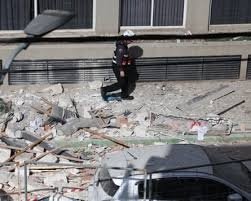
The consequences have already been felt on the ground. In central Israel, a recent strike injured at least 15 people, while earlier attacks claimed lives, including elderly civilians and a foreign worker. In total, dozens have been wounded and several killed in incidents linked to these munitions, underscoring their destructive potential when used in populated areas.
What makes these weapons particularly challenging is the way they interact with Israel’s sophisticated defence systems. The country’s multi-layered network, including the widely known Iron Dome, is designed to intercept incoming threats at various altitudes and ranges. However, cluster munitions complicate this process. Even when a missile is successfully intercepted, the warhead may still fragment, releasing bomblets that continue toward the ground.
This dynamic creates a scenario in which interception does not guarantee safety. The bright trails seen in the sky—often captured in widely shared videos—can represent both successful defence and residual danger. For civilians, the visual spectacle has become a chilling symbol of uncertainty, where protection and peril coexist in the same moment.
Beyond their immediate impact, analysts suggest that Iran’s use of cluster munitions may serve a strategic purpose. By deploying weapons that require multiple interceptors to neutralise, Tehran could be attempting to strain Israel’s defence resources. Each incoming missile, especially one carrying submunitions, may require several defensive responses, gradually depleting interceptor stockpiles and increasing pressure on the system over time.
This tactic reflects a broader evolution in the conflict, where technological sophistication is matched by adaptive strategies. While Israel’s defence capabilities remain among the most advanced in the world, the current situation highlights that no system is entirely impermeable. Instead, the conflict has become a contest of resilience, where both sides seek to exploit the limitations of the other.
The use of cluster munitions has also reignited legal and ethical debates on the international stage. These weapons are widely regarded as inherently indiscriminate due to their wide-area effect and the risk of unexploded submunitions remaining on the ground. Under the Convention on Cluster Munitions, their use is banned for signatory states. However, neither Israel nor Iran is a party to the agreement, placing them outside its direct legal obligations.
Human rights organisations have been vocal in their criticism. Amnesty International has described the use of such weapons in populated areas as a flagrant violation of international humanitarian law, citing both recent actions and historical precedents. The organisation has previously criticised Israel’s use of similar munitions in past conflicts, highlighting the broader and ongoing controversy surrounding these weapons.
Israeli officials, meanwhile, have condemned Iran’s actions as a war crime, particularly when targeting densely populated areas. They argue that the deliberate use of cluster munitions against civilian centres represents a clear breach of international norms, regardless of treaty participation. At the same time, Israel has acknowledged its own historical use of such weapons, maintaining that its actions have been in accordance with legal standards.
For residents in and around Tel Aviv and surrounding areas, the technical and legal debates offer little immediate comfort. What they experience is the daily reality of sirens, shelters, and the unpredictable descent of bomblets from the sky. The visual phenomenon of glowing fragments scattering across the night has become an unsettling hallmark of the conflict, a reminder that even advanced defences cannot eliminate all risk.

The psychological impact is significant. The unpredictability of cluster munitions, combined with their wide-area effect, creates a persistent sense of vulnerability. Unlike traditional missile strikes, which are often aimed at specific targets, these weapons introduce a broader zone of danger, making it harder for civilians to assess where they are safe.
As the conflict continues, the use of such tactics raises important questions about the future of warfare in the region. The interplay between offensive innovation and defensive capability is likely to remain a defining feature, with each side seeking new ways to gain an advantage.
For now, the skies above Israel tell a story of both technological prowess and its limitations. The glowing arcs of intercepted missiles and descending bomblets serve as a stark visual representation of a conflict that is as complex as it is destructive. In this evolving landscape, the balance between protection and vulnerability remains fragile, and the human cost continues to mount.
Related News:
 Britain deploys RAF specialists to assist Belgium with drone threats
 Night after night, Belgium is on high alert.
 Ukraine to Get 100 French Rafale Jets in Historic Deal
 Iran Social Media Strategy Shifts to Information War
 Canadian astronaut French words ease language row
 RAF Typhoons scrambled amid Russian drone threat near Nato
 Doomsday Clock Nears Midnight Amid Global Crises
 UK Fighter Jet Purchase Could Breach Nuclear Treaty, Warns CND
 Experts Warn Russia’s Burevestnik Missile Could Destabilise Arms Control
 BBC to Apologise Over Edited Trump Speech Amid Backlash
 US Justice Department Files Lawsuit Against California Over Partisan Voting Maps
 Greene Pushes Epstein Files Amid Trump Fallout
 Trump Deploys DHS to Charlotte in Major Arrest Operation
 December Run-Off in Chile as Election Produces No Winner
 Canada Passes Carney’s First Budget in Tight Parliamentary Vote
 Shadow Fleet at Sea: Europe’s Battle Against Illicit Oil Shipping
 Pentagon Officials in Ukraine to Discuss War End
 Venezuela Threatens Nobel Winner Machado with Fugitive Status
 Georgians Defy Government Crackdown After Year of Protests
 EU plans $105bn Ukraine aid using frozen Russian assets
 Trump Policies Boost China’s Global Rise, Survey Finds
 Iran unrest slows under brutal crackdown and global tensions
 Pentagon Signals Reduced Role in Deterring North Korea
 Thousands Protest ICE Operations in Nationwide US Day of Action
 Starmer Condemns ‘Depraved’ Russian Strikes on Ukraine
 Herzog visit sparks protests across Australian cities
 UK and US Drop in Global Corruption Index Rankings
 Sydney Protest Escalates and Elderly Woman Suffers Severe Injury
 Tarique Rahman’s Rise Toward Bangladesh’s Top Job
 Starmer Targets AI Chatbots Over Child Safety Concerns
 Canberra Poster Seizure Sparks Free Speech Row
 Evo Morales Returns After Mysterious Absence
 AFP Reviews Pauline Hanson Comments
 Duterte ICC Hearing Begins Amid Defiance
 Trump Tariffs Threat Spark UK and EU Alarm
 The Dangerous Rise of Remigration Across Modern Europe
 Trump’s Marathon Speech Fails to Mask a Growing National Disconnect
 Jacinda Ardern Moves To Australia Following Her US Fellowships
 US to offer passport services in West Bank settlements
 Jacinda Ardern Move Sparks Kiwi Reflection
 Nick Greiner Warns Over Election Review Fallout
 Iran Defiance Grows Amid US-Israel War Pressure
 Injured Mojtaba Khamenei Elevated as Iran Leader
 Gordon Brown urges court for crimes against children
 The Kill Line: A Shifting Vision of the American Dream
 Oil Prices Jump After Trump Claims Iran Oil Hub Destroyed
 Pakistan Targets Militant Hideouts in Afghanistan
 Danish Election Deadlock Shakes Frederiksen’s Grip
 Trump to Visit China in May After Iran War Delay
 Pope Rebukes Leaders for War as Middle East Tensions Rise
 Trump to Deploy “God Squad” Over Gulf Wildlife Protections
 Army Probes Apache Flyover at Kid Rock’s Nashville Estate
 Artemis II: Humanity Returns to the Moon After Decades
 Italian Town Buys Mussolini Villa to Keep Away Fascist Fans
 Report Says Pezzullo Acted ‘Recklessly’ in Dealings
 Trump Employs Nixon’s Madman Theory Amid Iran Crisis
 Trump Voices Frustration Over Nato Role in Iran Conflict
 Hungary election: Orbán faces biggest test amid scandal
 Suspected Plot Targets Pipeline Before Hungary Vote
 Trump Slams UK Ties and Threatens To Rewrite Trade Deal
 Capitalism ‘Suicidal’, Warns Petro at Climate Summit
 Judge halts deportation of Yemeni refugees in US
 Germany to Return Rare Irritator Dinosaur Skull to Brazil
 Trump approval plunges amid Iran war fears
 Starmer’s Top Aide Held 16 Private Meetings With Tech Giants
 Ohio’s Battle for Trust: Democrats Vying to Flip the Buckeye State
 US ‘Narco Boat’ Strikes Draw Global Outcry
 Afghan Families Left in Limbo Face Risk of Deportation
 Tensions Emerge in Netanyahu-Trump Alliance
 US Awaits Iran Reply on New Ceasefire Proposal
 Discontent grows around Putin amid war strain
 Starmer Leadership Under Pressure After Setbacks
 House Curbs Trump’s War Powers in Rare Rebellion
 UK Ministers Lobby Trump Over Under-16s Social Media Ban
 Germany Summons Chinese Envoy Over Russian Troop Training
 New South Wales Premier Chris Minns Signals Tough Road Ahead for Labor
 Le Pen to Run for President Despite Embezzlement Conviction
 Ukraine Creates Long-Range Strike Command
 Le Pen’s Popularity Holds Despite Conviction
 Houthis Strike Saudi Arabia as Middle East Tensions Rise