Published: 27 March 2026
The English Chronicle Desk
The English Chronicle Online
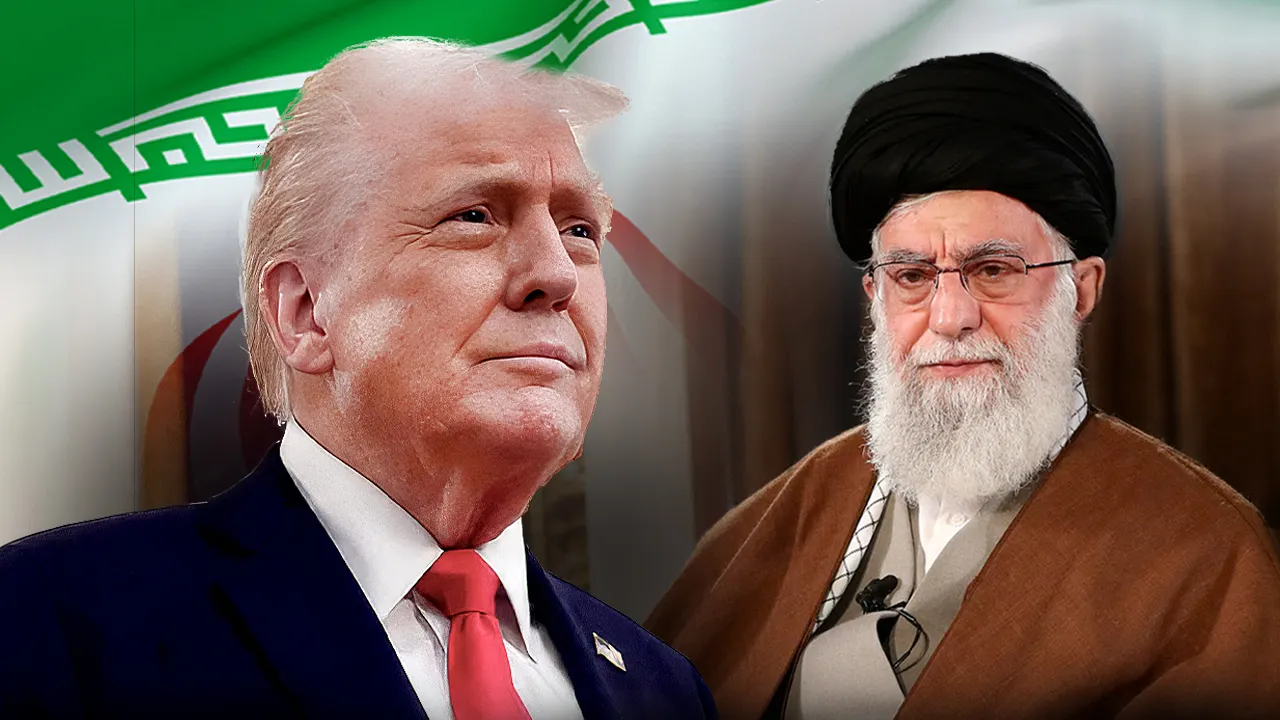
President Donald Trump is confronting a series of political warning signs as the war in Iran continues to reshape public opinion, strain the US economy and unsettle the coalition that helped return him to the White House just over a year ago. While second‑term presidents often face declining approval ratings, the speed and depth of Trump’s slide — and the forces driving it — are raising alarms within Republican circles ahead of November’s midterm elections.
The president entered his second term with a narrow but meaningful advantage: a 52% approval rating, according to an average compiled by political analyst Nate Silver. It was not the sweeping honeymoon period enjoyed by some of his predecessors, but it was enough for Trump to claim a renewed mandate for his agenda on immigration, tariffs, government cuts and tax reform. Yet the months that followed brought a steady erosion of public support, driven largely by economic anxiety and a cost‑of‑living squeeze that has persisted since the post‑pandemic inflation spike of the early 2020s.

Democrats capitalised on this discontent throughout 2025, outperforming their 2024 results by an average of 13% in contested special elections, according to data from The Downballot. Those gains signalled a shifting political landscape — one that has only grown more volatile since the outbreak of war in Iran.
Three weeks into the conflict, petrol prices in the US have surged to nearly $4 a gallon, a level that has rattled households already struggling with rising costs. While this remains below the highest prices recorded during Joe Biden’s presidency, the timing is politically perilous for Trump. Ipsos polling shows that approval of his handling of the economy fell from 43% at the start of his second term to 35% by late June 2025, where it has largely remained. The Iran war has amplified those concerns, pushing energy prices higher and fuelling fears of broader economic disruption.
The president’s overall approval rating has followed a similar trajectory. By 28 February — the day the Iran conflict began — Trump’s approval had slipped to 42%. This week, it stands at 40%, placing him in what political strategists describe as “danger territory” for an incumbent heading into midterms. With seven months to go, the White House faces the challenge of stabilising public sentiment while managing a war that shows no sign of ending quickly.
At the Conservative Political Action Conference (CPAC) near Dallas, Texas, the mood among Republican activists reflected both determination and unease. Speakers repeatedly emphasised the stakes of the upcoming elections, warning that Democratic victories could derail Trump’s agenda and unleash a wave of investigations and political reprisals. Michael Whatley, the North Carolina Senate candidate and former Republican National Committee chairman, urged attendees to remain united, saying: “We cannot let the left win this election cycle and take away this agenda that we are fighting for every single day.”
Despite the economic turbulence, Trump’s core supporters have remained largely loyal — a factor that may explain why his approval rating has not fallen more sharply. Polling by the Pew Research Center indicates that while a majority of Americans opposed US military intervention in Iran from the outset, Republican voters overwhelmingly back the president’s decisions. At CPAC, many attendees echoed that sentiment. Paul Heere, a Texas‑based supporter, defended the rising cost of petrol, saying: “It’s better to pay more now than to pay a lot more later on. I don’t think you want to have yet another country in that region have nuclear weapons, so you got to pay that price.”
A Quinnipiac poll underscores the partisan divide: 86% of Republicans support the military action in Iran, and 80% approve of Trump’s handling of the conflict. Among all registered voters, however, those numbers fall to 39% and 34%, respectively — a gap that highlights the president’s growing challenge with independents.
Independent voters were crucial to Trump’s victory in 2024, helping him secure narrow wins in several battleground states. But the combination of economic strain, war fatigue and political polarisation now appears to be pushing many of them away. Democrats, who have opposed nearly every major action Trump has taken since returning to office, see an opportunity to rebuild a coalition that faltered in 2024. If current trends continue, independent discontent could play a decisive role in November.
The political risks for Trump extend beyond approval ratings. The Iran war has exposed fractures within the broader conservative movement, including tensions between traditional Republicans, populist activists and foreign‑policy sceptics. While the president’s coalition has held together publicly, analysts warn that prolonged conflict could deepen internal divisions, particularly if casualties rise or economic conditions worsen.
For now, the White House is attempting to project confidence, arguing that the military campaign is necessary to prevent Iran from advancing its nuclear capabilities and destabilising the region. Officials insist that the economic impact will be temporary and that the administration is working to mitigate price shocks. But with global markets reacting to every development in the conflict, the path ahead remains uncertain.
What is clear is that the political landscape has shifted dramatically since Trump’s return to power. The combination of war, economic pressure and electoral vulnerability has created a complex and unpredictable environment — one that will test the president’s ability to maintain support across a divided nation.

As the midterms draw closer, both parties are preparing for a fiercely contested campaign season. For Republicans, the challenge will be to rally their base while reassuring independents unsettled by the current trajectory. For Democrats, the task is to convert public frustration into electoral gains without overplaying their hand.
The next several months will determine whether the warning signs flashing across the political landscape are temporary turbulence — or the beginning of a deeper shift that could reshape American politics once again.
Related News:
 Canada Passes Carney’s First Budget in Tight Parliamentary Vote
 Putin Intensifies Territorial Demands Before US Talks
 India’s Labour Law Overhaul Sparks Fierce Debate
 Trump to Recheck Green Cards from 19 Nations After DC Attack
 Carney’s Alberta Pipeline Deal Sparks Immediate Pushback
 Russia losses Ukraine war peace talks intensify amid rising deaths
 Trump Escalates Minnesota Immigration Surge Amid Rising Tensions
 Austrian Airlines Halts Tehran Flights Amid Political Unrest
 Trump Administration Probe of Fed’s Powell Draws Pushback
 Greenland Faces Pivotal Summit Over Arctic Power Struggle
 Mark Carney Walks Diplomatic Tightrope on China Visit
 Trump Threatens Strong Action If Iran Executes Protesters
 Government Unveils Northern Powerhouse Rail Plans
 Trump Receives Machado’s Nobel Medal in White House Meeting
 Trump Fed bid heads to Supreme Court
 EU Says US Ties Have Suffered ‘Big Blow’ After Greenland Crisis
 Thousands Protest ICE Operations in Nationwide US Day of Action
 Epstein Files Reveal Trump Officials’ Emails with Financier
 Thousands Protest ICE in New York Against Trump Deportation Campaign
 Trump Praises ‘Terrific’ Petro After White House Talks
 Sanders Condemns Billionaire ‘Greed’ in California Tax Debate
 Clinton Testimony Erupts in Fiery Exchange
 Trump Faces Questions Over Iran Conflict Plan
 UK Prepares Aircraft Carrier for Middle East Crisis
 Pete Hegseth Iran War Remarks Spark Alarm
 Iran Rejects Ceasefire, Warns Trump With Chilling Message
 Trump’s UK Ambassador Urges North Sea Drilling to Strengthen US Ties
BBC to Apologise Over Edited Trump Speech Amid Backlash
Trump’s UK Ambassador Urges North Sea Drilling to Strengthen US Ties
BBC to Apologise Over Edited Trump Speech Amid Backlash
 Britain deploys RAF specialists to assist Belgium with drone threats
 Millionaires group urge Reeves to introduce wealth tax to ‘lift kids out of poverty’
 Greene Pushes Epstein Files Amid Trump Fallout
 Trump Deploys DHS to Charlotte in Major Arrest Operation
 December Run-Off in Chile as Election Produces No Winner
 Shadow Fleet at Sea: Europe’s Battle Against Illicit Oil Shipping
 Pentagon Officials in Ukraine to Discuss War End
 Venezuela Threatens Nobel Winner Machado with Fugitive Status
 Two National Guard Soldiers Critically Injured Near White House
 Georgians Defy Government Crackdown After Year of Protests
 US National Guard Member Killed in DC Shooting
 Starmer Says Labour’s Economic Plan Needs Years to Deliver
 EU plans $105bn Ukraine aid using frozen Russian assets
 American Mother Extradited From UK to U.S. on Murder Charges
 US Cities Erupt in Protests Against Trump’s Venezuela Military Action
 Albanese Opens Door to Bondi Royal Commission Amid Rising Pressure
 Iran Protesters Defy Crackdown as Violent Clashes Intensify
 Homeland security agents deployed amid Minneapolis protests
 US Clears Nvidia AI Chip Sales to China in Policy Shift
 Machado Trump medal gesture reshapes Venezuela power struggle
 EU weighs response amid Greenland tariff crisis with Trump
 MPs warn AI financial risks threaten UK stability
 Andrew Hastie Emerges as Leadership Rival to Ley
 Videos reveal earlier clash before Alex Pretti shooting
 UK New Car Discounts Near £6,000 as Prices Are Slashed
 Israel Moves to Bar MSF From Gaza Operations
 Nurses’ families fear breakup under UK immigration crackdown
 Australian Families Leave Syrian Camp for Home
 Trump Attacks UK-California Energy Pact
 Trump and Chagos Deal Rift Over Iran Strikes
 Andrew Arrest Sparks Republic Debate in Australia
 Global corruption crisis: Who Washington shields
 Farage Chagos Islands Row Sparks Fury
 Bill Gates ‘Took Responsibility’ Over Epstein Ties in Staff Meeting, Foundation Says
 Trump Speech Sparks Intense Debate Across Divided America
 Has Europe truly learned from the failures of 2022?
 American Citizen Killed in Cuba Boat Shooting, U.S. Officials Say
 Herzog Asio meeting sparks security storm
 Thousands Protest Iran Strikes Outside US Embassy London
 US Bombers Arrive at RAF Base Amid Rising Iran Tensions
 Oil Prices Surge Above $100 Amid Iran War
 Trump Pressures Congress Over Save America Act
 Iran War Puts Trump at Political Risk Amid Rising Prices
 Iranian Football Squad Asylum Drama Shocks Australia
 Queensland Protest Laws Spark Free Speech Backlash
 Eswatini Deal Sparks Global Outcry Over US Deportations
 Yvette Cooper: UK Must Follow Principles, Not US Pressure
 Trump Iran War Stance Hardens as Conflict Widens
 Trump Nato threats expose Iran strategy vacuum
 Trump’s Confidence Undimmed — But Every Iran Option Carries Risk
 Philippines energy emergency sparks coal power surge
 Trump Facing Backlash from Epstein Survivors Over Files