Published: March 27, 2026. The English Chronicle Desk. The English Chronicle Online
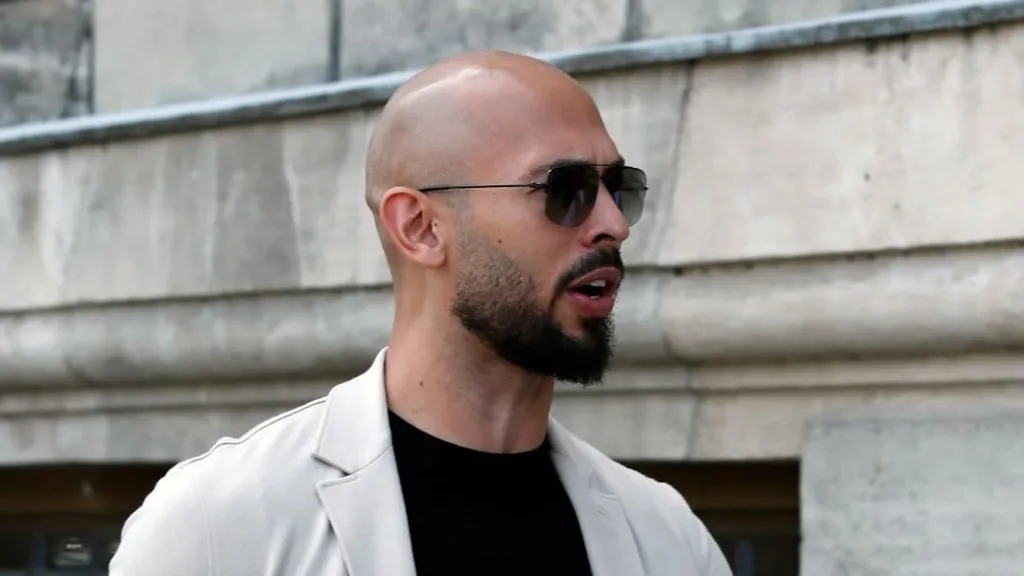
The UK’s police watchdog has launched a formal investigation into how Hertfordshire Constabulary handled serious allegations of sexual abuse against the controversial social media influencer Andrew Tate. The Independent Office for Police Conduct (IOPC) confirmed this week that it is probing the force’s response to reports made by three women between 2014 and 2015, a case that was eventually closed in 2019 without charges. The announcement has sent shockwaves through the legal community, as it suggests potential “systemic failures” in the initial four-year investigation. In a significant escalation, Hertfordshire Constabulary announced yesterday that it would officially reopen its criminal investigation into the alleged rape and sexual assault offences, citing a commitment to ensuring such serious claims are “properly, thoroughly, and fully investigated.”

At the heart of the watchdog’s probe is the conduct of three former officers. A former detective constable is facing potential gross misconduct proceedings for “alleged failures to properly investigate” the evidence presented a decade ago. Furthermore, two former detective sergeants who supervised the original inquiry are being investigated for potential misconduct. The IOPC stated that its independent investigation will scrutinize the actions and decision-making of the force after a voluntary referral was made by Hertfordshire Police in late 2023. The watchdog’s move comes amid a backdrop of growing public scrutiny over how UK police forces manage high-profile cases involving violence against women and girls.
The three women who originally reported the abuse have welcomed the news in a poignant joint statement, describing the reinvestigation as “long overdue.” They expressed their gratitude to the IOPC for taking steps to address what they believe was a failure by the police to adequately consider the evidence during the first half of the decade. For these survivors, the reopening of the case represents a hard-fought victory in their search for justice, which has spanned nearly twelve years. Their legal team, McCue Jury & Partners, has also confirmed that the Crown Prosecution Service’s previous decision not to authorize charges is currently the subject of a “victim’s right to review,” adding another layer of legal pressure on the authorities.
The details contained within court documents related to these allegations are harrowing. One claimant alleges that the professional kickboxer held a gun to her face and threatened her, while another claims she was assaulted with a belt and grabbed by the throat on multiple occasions in 2015. Further allegations include claims of strangulation and explicit verbal threats of sexual violence. While the CPS stated as recently as last September that the “legal test” for criminal charges had not been met based on the evidence available at the time, the reopening of the police file suggests that investigators may be looking at the case through a fresh lens, potentially incorporating newer testimony or digital evidence.
Andrew Tate has “categorically” and “vehemently” denied all allegations made against him. His legal representatives have argued that the decision to revisit these claims—which were already dismissed in 2019 and again in 2025—is politically motivated rather than based on new evidence. They expressed “serious and legitimate concerns” about the integrity of the process, suggesting a perception that Tate is being subjected to repeated investigation due to his public profile. Despite these denials, Tate and his brother Tristan remain under significant legal pressure internationally; they are currently facing proceedings in Romania and are subject to a European arrest warrant from Bedfordshire Police for separate allegations of human trafficking and rape dating back to 2012.
The timing of the UK investigation is particularly critical as a civil trial brought by the four women is scheduled to take place in the High Court this June. The civil proceedings will allow for a lower burden of proof than a criminal trial, potentially providing a different avenue for accountability. The intersection of the IOPC probe, the reopened criminal investigation, and the upcoming civil trial has created a complex legal web that will likely keep the influencer’s past conduct at the center of the British national conversation for months to come. For the police, the stakes are equally high, as the watchdog’s findings could further damage public trust in the force’s ability to handle sensitive sexual offence inquiries.

As the IOPC progresses with its work, Hertfordshire Constabulary has stated it will not comment further to avoid prejudice to the ongoing proceedings. The force emphasized that its decision to reinvestigate reflects a modern commitment to “doing what is right,” regardless of how much time has passed since the alleged events occurred. For the women at the center of the claims, the reopening of the case is not just about a single individual, but about challenging a culture of investigative apathy that they believe allowed their voices to be silenced for far too long.
Related News:
 Stop Releasing Phone Thieves Who Reoffend, Met Police Chief Urges Courts
 Disability and LGBT Hate Crimes Set to Become Aggravated Offences
 Last‑ditch Call to Save Police Front Counters in London
 Sadistic Pair Jailed for Blowing Up Sheep
 Grave of Murdered Toddler James Bulger Vandalised
 Outsiders Disrupted Search for Missing Teen Noah Donohoe
 Police Brothel Raids Target Organisers, Not Sex Workers
 Family of Girl Groomed by Ian Huntley Beg Medics to Save His Life
 Sarah Everard’s Killer Wayne Couzens ‘Petrified’ After Ian Huntley Prison Attack
 Undercover officer deceived women with ‘grotesque and cruel’ lies, spycops inquiry told
 Gran Vows to Shield Huntley’s Daughter From Soham Killer’s Funeral
 Burglar’s Bizarre Excuse After Bedroom Break-In
 King Charles Strips MBE and OBE Titles from Nine People Including Stuart Hogg
 Mum Forces Killer Son Back to Crash Scene After He Mows Down Pensioner
 Mum-of-Three Blackmailed Men After Sending Nude Photos
 Blind Woman Forced to Move Out After Leak Causes Ceiling to Cave In
 Rapist Caught After Victim Calls Police Mid-Attack

 Brutal Attack on Officer Leads to Five-Year Sentence
 Hazardous Material Found in Scots Home Raid
 Families Tortured by Authorities During Investigations Inquiry Told
 Tasers Introduced in UK Prisons to Combat Rising Violence and Protect Staff
 Targeted Attack in Bury Sparks Murder Investigation as Community Awaits Justice
 Man Remanded After Children Fall Ill at Leicestershire Summer Camp in Shocking Child Cruelty Case
 AI Revolutionises Grooming Gang Investigations as Police Target Cold Cases Across England and Wales
 Police Advised to Disclose Ethnicity of Suspects in High-Profile Cases
 Merseyside Police Helicopter Crew Cleared After Low-Altitude Pursuit of Suspect
 UK Launches Major Crackdown on Networks Profiting from Online Child Sexual Abuse
 Jailed Georgian Opposition Leaders Warn UK of Iranian Links to Ruling Party
 No Evidence Found to Substantiate Alleged Rape in Oxfordshire Churchyard, Police Confirm
 Afghan man charged with murder after west London knife attack
 French Taxi Driver Cleared in David Lammy Theft Case After Fare Dispute
 Just Stop Oil Protesters Convicted Amid Climate Defence Row
 Serial Rapist and Former Cop Found Guilty Again
 Woman Jailed for Life After Killing E-Bike Rider in Tragic Mistaken Identity Case
 Betfair Faces Pressure Over Funds Lost to Gambling Fraud
 Emails Show Epstein Funded Mandelson’s Husband After Jail
 Police Probe Mandelson Over Alleged Epstein Leak
 Appeal to B&B Owners Over Cash Point Ram-Raid
 Man in Court Charged with Belfast Murder
 Rapist Caught by DNA 20 Years After Teen Attack
 UP IN FLAMES: Huge Blaze Rips Through Odeon Cinema, Students Evacuated
 Wayne Couzens Still Eligible for £7k Pension
 Motorists Could Face ‘Mandatory’ Driving Ban for Road Offences Under Tougher Laws
 Teacher Who Lied About Cambridge Degree Banned From Profession
 Deaf Woman Killed After Night Out With Strangers, Court Hears
 Prisoner Escapes London Hospitals Twice in a Week
 How Much Could Andrew’s Arrest Hurt the Royal Family?
 Epstein Eyed Record Label Investment to Access Women, Files Suggest
 Fly-Tippers to Be Hunted by ‘Drone Squad’ in Crackdown from the Sky
 Dad Found in Bed with Daughter 16 Years After Abandoning Her as a Child
 I Confronted a Mugger with an 18-Inch Machete in London – No Wonder Tom Cruise is Leaving
 ‘Don’t Make Us Security Guards,’ Says Teacher Stabbed by Pupil
 Court Error Frees Rape Suspect Who Flees UK
 Trial Date Set for Student Accused of Racial Hatred
 Rape Accused Had Fight With Man in Alley, Court Told
 Flatmates Cleared of Raping Man After Night Out
 Man Charged Over Derry Kidnapping Incident
 Suspects in Lisa Dorrian Case Released on Bail
 Murder Charge After Security Guard Stabbed in Violent Attack
 Driver Jailed Over Fatal Water Treatment Tank Crash
 Calls Grow to Remove Billboard Following Lyra McKee Graffiti
 Man on Trial for Rape That Led to Andrew Malkinson’s Wrongful Jailing
 Labour MP’s Partner Arrested on Suspicion of Spying for China
 Police Scotland Pays £8m Compensation to Staff
 Woman Smuggled Military-Grade Guns and Heroin
 Police Sell Crime-Fighting Tuk-Tuks at £28,000 Loss
 ‘He Didn’t Stand a Chance’: Man Killed by Tube Was Blocked from Safe Spot, Inquest Hears
 Armed police incident closes major road
 Pedestrian critically hurt after being hit by car
 House wall collapses on to car in city centre
 Scots Man Convicted in Dirty Money Case After DNA Found on Cash
 Man Arrested Over Gunshot Death in Motherwell
 Teen Wins Payout After TRNSMT Crush Horror
 Biker Suffers Fractured Spine After Hitting Pothole in Edinburgh
 Scots Head Teacher Pays Tribute to Teen Who Died in Car Fire
 Jobless Man on £15k Benefits Accused of Hurling Abuse at Anti-Migrant Demo
 Liverpool Shooting Horror as Girl, 17, Shot in Legs in ‘Targeted Attack’
 Second Man Arrested Over ‘Gunshot’ Death of Young Dad in Motherwell Home
 Ram-Raid Gang Hit Livingston Store in Arson Escape