Published: March 27, 2026. The English Chronicle Desk. The English Chronicle Online
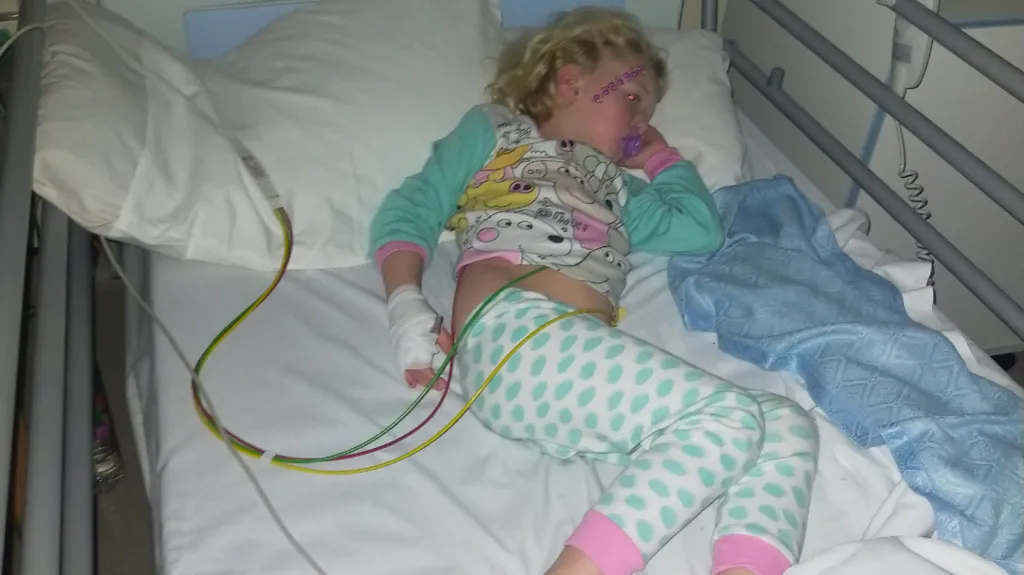
The parents of a teenage girl who contracted a life-threatening strain of Meningitis B despite being fully vaccinated have shared their harrowing story, describing the ordeal as a “living nightmare” that defies medical expectations. The case, which has been labeled as “exceptionally rare” by health officials, comes amidst a significant outbreak of the disease in the South East of England that has already claimed two lives and left dozens more seriously ill. The family’s testimony has sparked a fresh debate over the longevity of vaccine protection and the importance of recognizing symptoms even in those who are supposedly immune.

The teenager, a high-achieving student with no underlying health conditions, was rushed to the emergency department after developing a sudden, high fever and an agonizing headache. Within hours, she began to experience the classic non-fading “glass test” rash, a sign of advanced septicaemia. Her parents, who had paid for her to receive the Meningitis B vaccine privately several years ago, initially felt a sense of “false security,” believing the infection was impossible. “We told the doctors she was vaccinated, but they acted immediately regardless,” her mother told The English Chronicle. “If we had waited another hour because we thought she was safe, we wouldn’t have a daughter today.“
Medical experts involved in the case have emphasized that while the Meningitis B vaccine (Bexsero) is highly effective, no vaccine provides 100% protection against every circulating strain. Preliminary laboratory testing suggests that the girl may have been infected by a specific sub-type of the bacteria that managed to bypass her existing antibodies. Dr. Eliza Gil, a clinical lecturer in infectious diseases, noted that while such “breakthrough” cases are devastating, they remain a statistical anomaly. “The vaccine remains our best defense, significantly reducing the severity of the disease even if it doesn’t prevent it entirely,” she explained. “In this case, the vaccine likely bought the patient the time needed for the antibiotics to work.“
The incident has coincided with a massive public health response in Kent, where health authorities have distributed over 30,000 doses of antibiotics and launched a “ring vaccination” campaign targeting university students and schoolchildren. The UK Health Security Agency (UKHSA) has issued a rare alert, reminding the public that most teenagers born before 2015 were not included in the original NHS rollout for the MenB jab. This has led to a surge in demand at private pharmacies, with many parents reporting a national shortage of the vaccine as they scramble to protect their children against the current outbreak strain.
For the family, the recovery process is only just beginning. While their daughter has been discharged from intensive care, she faces a long road of rehabilitation to overcome the neurological fatigue and joint pain caused by the infection. Her parents are now calling for a more transparent conversation about the limitations of the vaccine and a wider rollout of the jab to all adolescents. “We want people to know that ‘vaccinated’ doesn’t mean ‘invincible,‘” her father said. “You still have to watch for the signs. You still have to trust your gut. We were lucky, but the next family might not be.“
The case is being closely monitored by the Joint Committee on Vaccination and Immunisation (JCVI), which is currently reviewing whether a booster dose should be offered to teenagers to bolster waning immunity. As the Kent outbreak appears to be reaching its peak, the story of the “vaccinated survivor” serves as a sobering reminder of the predatory nature of meningitis. Health officials continue to urge anyone experiencing symptoms—such as light sensitivity, a stiff neck, or confusion—to seek emergency care immediately, regardless of their vaccination status.

As the community rallies around the affected families, the focus remains on containment and education. The “fighting spirit” shown by this young woman has become a beacon for other survivors, but for her parents, the primary goal is ensuring that no other family has to endure the shock of a diagnosis they thought they had already prevented. “The science is incredible,” her mother concluded, “but the bacteria is fast. You have to be faster.“
Related News:
 Mind Launches Inquiry into AI and Mental Health After Guardian Investigation
 Water Cremation Introduced in UK First
 UK Launches World-First Gonorrhoea Vaccine Amid Record Infection Surge
 AI Tools Used by English Councils Found to Downplay Women’s Health Issues, Raising Concerns Over Gender Bias in Care
 Breakthrough Clinical Trial Lets 12-Year-Old Boy with Rare Skin Disorder Play Football
 Hot Tea and Coffee Found to Contain Highest Levels of Microplastics in Popular Drinks
 Expanded Access to Health Diagnostics in England Now Available Beyond Standard Hours
 Shocking Rise in Children’s Exposure to Violent Online Pornography Raises Alarm
 Ed Davey Urges UK to Attract US Cancer Scientists Amid Funding Cuts Under Trump
 Omeprazole Alert: NHS Issues Guidance on Safe Use for Heartburn and Indigestion
GPs in England Warn of Overload as Nationwide Online Appointment System Approaches
Omeprazole Alert: NHS Issues Guidance on Safe Use for Heartburn and Indigestion
GPs in England Warn of Overload as Nationwide Online Appointment System Approaches
 Eligibility Confusion Over COVID Vaccination Leaves Pharmacies Struggling Across the UK
 Majority of UK Men Would Opt for Prostate Cancer Screening, Survey Finds
 Scientists Announce First Potentially Accurate Blood Test for Chronic Fatigue Syndrome
 NHS May Pay 25% More for Medicines Amid US Drug Talks
 Survey Shows Most GPs Rushing Appointments
 Genetic Tests May Predict Return of Blood Cancer
 UK Woman Becomes Longest Survivor of Heart-Lung Transplant
 Thousands in the UK sue Johnson & Johnson over alleged talcum powder, linked to cancer
 ‘Game-Changing’ HIV Prevention Jab Set for NHS Approval
 Breath test could ‘revolutionise’ pancreatic cancer treatment
 How Bringing Forests Into Preschools Boosts Children’s Health
 Experts Urge Legal Right to Timely Cancer Care
 Patients to Test Health at Home to Ease NHS Winter Pressure
 North Sea oil workers must lose weight or face job loss
 No link found between paracetamol in pregnancy and autism
 UK launches major AI drive to fight deadly superbugs
 Coffins Now Too Large to Cremate Amid Rising Obesity Crisis
 Thinktank Urges Smaller Hospitals to End NHS ‘Permacrisis’
 NHS paediatric leave parents waiting months for answers
 Robo-Vaccination Could Transform Fight Against Bovine TB
 Illegal Skin Lightening Cream Being Sold in UK Butchers, Watchdog Warns
 Adoption Breakdown Ended My Career and Relationship – ‘We’re Told to Get On With It’
 Why There’s No Quick Fix in Sight for the Problem of Dazzling Headlights
 Mystery GP on Train Saves Passenger’s Life
 ‘A Disgrace’ — Patient Blasts Neurology Report
 Gaming Helps Woman Cope with Rare Health Condition
 ‘I Stopped Engaging’ Due to Instagram and YouTube, Woman Tells Landmark Trial
 Parents of Gravely Ill Child Refused Respite Care
 ‘I Almost Died After a Touch‑and‑Go C‑Section’
 Vegetarian Diet Linked to Lower Risk of Several Cancers
 GPs Losing a Day of Appointments to No‑Shows Each Month
 Allergy Training to Become Compulsory in Schools in England
 Should We Be Eating Three Meals a Day? Experts Rethink Traditional Meal Patterns
 Streeting Criticises SNP Over NHS App Dispute
 Scots Firefighter Cycles 800 Miles for MND Charity
 Woman, 29, ‘Chucked’ Into Care Home 100 Miles Away
 Surgeon’s op on patient 1,500 miles away a UK first
 Cancer Death Rate in Britain Falls by Nearly a Third
 Pregnant Woman Faces Motherhood Without Late Mum
 Father Dies by Suicide Weeks After Wedding in Clitheroe
 Mum Blinded After Tumour Linked to Contraceptive Jab
 SNP Health Secretary Criticised Over NHS Failures Locally
 Scotland Combines Alcohol and Drug Strategy to Cut Addiction Deaths
 Dad Delivers Baby After Midwife Flees During High‑Risk Labour in UK
 Schnauzer Travels 140 Miles for Life-Saving Spinal Surgery
 Brain-Damaged Scot ‘Stuck’ in Hospital at Centre of Police Probes
 The Ketamine Crisis in the UK is a Silent Epidemic Leaving Users with Lifelong Pain
 Systemic Racism in Maternity Care Continues to Endanger Black Women in England, MPs Warn
 One in Three GPs in England Do Not Work in NHS, Raising Concerns Over Access to Care
 M&S and Morrisons Lead Christmas Supermarket Taste Test
 UK Bans Fake Numbers: Scammers Lose Their Trick
 Reeves rejects £1bn plea for NHS redundancy payouts
 Five-Year-Old Dies After Rare Tonsil Surgery Complication
 Children to Receive Home Vaccines as England Acts
 Celebrity Campaign Highlights SMA Screening Failures
 Pornhub blocks new UK users over age checks dispute
 AI breast screening cuts later cancer diagnoses by 12%, study finds
 UK New Car Discounts Near £6,000 as Prices Are Slashed
 Pneumonia Surge Pushes England Emergency Cases Higher
 Labour Utterly Humiliated by Straight-Talking Mum Who Cut Through Keir Starmer’s Insanity
 Most Statin Side-Effects Are Not Caused by Drugs, Study Confirms
 Renters Furious as Decent Homes Standard Delayed Until 2035
 Motorists Could Face ‘Mandatory’ Driving Ban for Road Offences Under Tougher Laws
 Snow and Rain Warnings as Cold Snap Continues in the UK
 Half of Britons Avoid GP When Ill, Survey Reveals Growing Concern
 ‘It’s Joy in a Pot’: Why Houseplants Could Make You Happier
 Calls Grow to Remove Billboard Following Lyra McKee Graffiti
 Social Media Giant Trial Reaches Final Jury Decision
 Charity Watchdog Takes Control of Learning Disability Care Home