Published: March 27, 2026. The English Chronicle Desk. The English Chronicle Online — Independent, Insightful, Global.
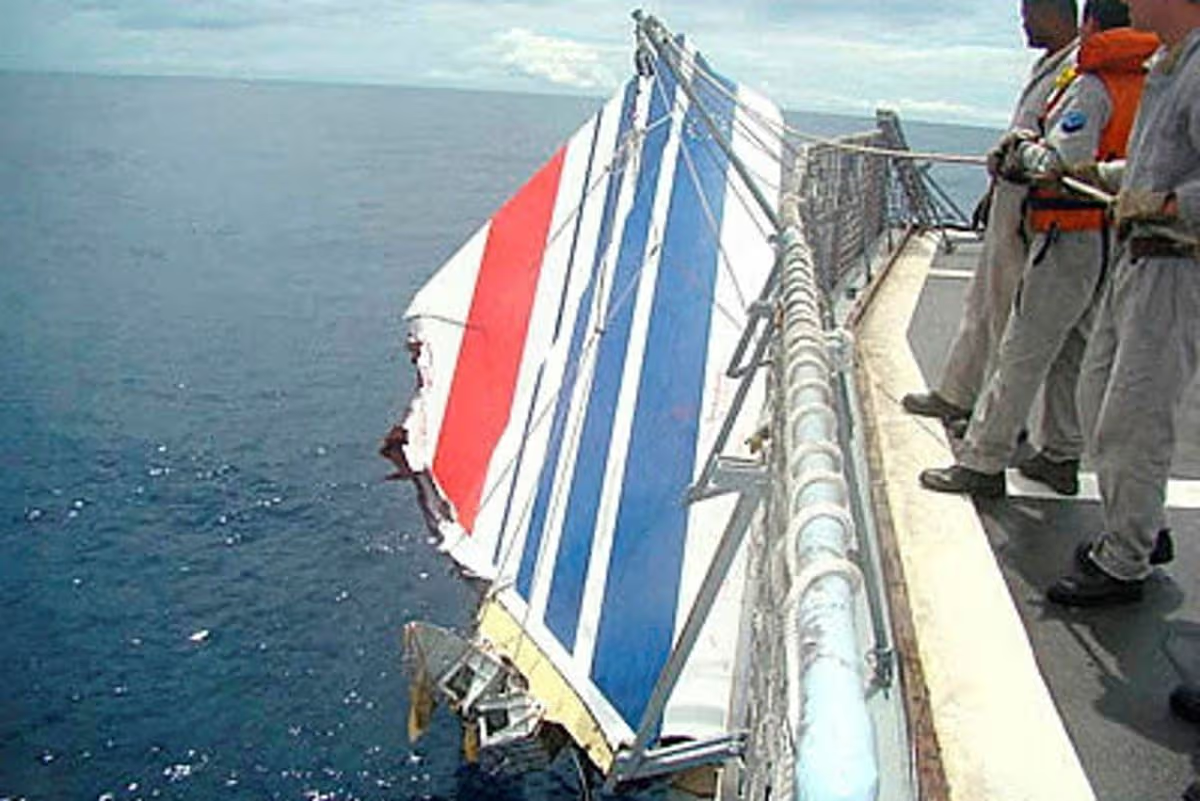
The final moments of Air France Flight 447, which vanished over the Atlantic in 2009, remain one of the most haunting chapters in aviation history. For two years, the fate of the 228 people on board was a complete mystery until the flight data recorders were recovered from the ocean floor, nearly 4,000 meters deep. The subsequent transcript revealed a scene of utter confusion and panic as three experienced pilots struggled to understand why their Airbus A330 was falling from the sky. The recording concludes with the chilling realization that their efforts had failed, as one pilot uttered the final three words: “F*, we’re dead.”**

The catastrophe began four hours into the flight from Rio de Janeiro to Paris. As the aircraft entered a zone of intense thunderstorms known as the Intertropical Convergence Zone, the “pitot tubes”—external sensors used to measure airspeed—became obstructed by ice crystals. This technical failure caused the autopilot to disconnect, forcing the pilots to fly the plane manually at high altitude. However, instead of maintaining a level pitch, 32-year-old First Officer Pierre-Cedric Bonin made a fatal error: he pulled back on the side-stick, causing the plane to climb steeply and lose speed until it entered an aerodynamic stall.
As the “Stall! Stall!” alarm blared through the cockpit, a sound described by investigators as “intentionally annoying,” the crew failed to recognize the situation. For three and a half minutes, the plane plummeted toward the sea at a rate of 10,000 feet per minute. The more senior co-pilot, David Robert, 37, eventually realized the plane was descending rapidly, shouting, “Descend! It says we’re going up, so descend!” But the confusion persisted. When the 58-year-old Captain, Marc Dubois, rushed back into the cockpit after his scheduled rest, he was met with chaos. “What the hell are you doing?” he asked, to which Robert grimly replied, “We’ve lost all control of the aeroplane, we don’t understand anything.”
The tragedy was compounded by a “dual input” conflict; while Robert finally attempted to push the nose down to recover from the stall, Bonin was still pulling back on his controls, effectively cancelling out the life-saving maneuver. It was only in the final seconds, as the proximity alarm warned of the approaching ocean, that the gravity of the situation became clear. The transcript records the final desperate shouts of “Pull up, pull up!” before the recording cuts out with the admission of their fate. The plane hit the water belly-first, killing everyone on board instantly.
The aftermath of Flight 447 led to a global overhaul of pilot training, specifically focusing on “Manual Flight Handling” and “Stall Recovery” at high altitudes. It also forced the industry-wide replacement of older pitot sensors with models less susceptible to icing. Despite these changes, the legal battle for accountability lasted over a decade. In 2023, both Air France and Airbus were acquitted of involuntary manslaughter charges by a French court, a verdict that left the families of the victims “distraught and shamed.” The judges ruled that while errors were made, there was no “certain link of causality” between the companies’ actions and the crash.

Today, the story of AF447 stands as a somber reminder of the “ironies of automation”—where the very systems designed to make flying safer can, in rare moments of failure, leave human operators unable to cope with the reality of the flight. For the families of the 228 lost souls, those final three words remain a permanent echo of a night when technology and human instinct failed simultaneously over the dark Atlantic.
Related News:
 Expert Challenges Met Police Claims of Bias-Free Facial Recognition Ahead of Notting Hill Carnival
 Government urges schools to ban phones to curb classroom disruption
 Starmer’s communications chief to outline media strategy overhaul
 Elon Musk’s Grok AI Used to Create Nudification Images of Women and Children
 TikTok to Strengthen Age Verification Across the EU
 Why China’s ‘Mega Embassy’ Poses Less Risk Than Critics Claim
 EXCLUSIVE: Shamed Andrew’s New Humiliation as King Lays Down New Rule After Royal Lodge Boot
 Stop Releasing Phone Thieves Who Reoffend, Met Police Chief Urges Courts
 Motorists Could Face ‘Mandatory’ Driving Ban for Road Offences Under Tougher Laws
 Disability and LGBT Hate Crimes Set to Become Aggravated Offences
 Last‑ditch Call to Save Police Front Counters in London
 Why There’s No Quick Fix in Sight for the Problem of Dazzling Headlights
 ‘We’ve Been Left Homeless After Our Builder Went Bust’
 Mind Launches Inquiry into AI and Mental Health After Guardian Investigation
 Sadistic Pair Jailed for Blowing Up Sheep
 ‘I Stopped Engaging’ Due to Instagram and YouTube, Woman Tells Landmark Trial
 Met police to trial handheld facial recognition checks in London
 Grave of Murdered Toddler James Bulger Vandalised
 Outsiders Disrupted Search for Missing Teen Noah Donohoe
 Water Cremation Introduced in UK First
 Police Brothel Raids Target Organisers, Not Sex Workers
 Family of Girl Groomed by Ian Huntley Beg Medics to Save His Life
 Sarah Everard’s Killer Wayne Couzens ‘Petrified’ After Ian Huntley Prison Attack
 Flats for the blind could be sold to developer
 ‘We may be homeless before eviction law comes in’
 Undercover officer deceived women with ‘grotesque and cruel’ lies, spycops inquiry told
 Gran Vows to Shield Huntley’s Daughter From Soham Killer’s Funeral
 Burglar’s Bizarre Excuse After Bedroom Break-In
 Mum Blinded After Tumour Linked to Contraceptive Jab
 King Charles Strips MBE and OBE Titles from Nine People Including Stuart Hogg
 Mum Forces Killer Son Back to Crash Scene After He Mows Down Pensioner
 Mum-of-Three Blackmailed Men After Sending Nude Photos
 Bank of Scotland App Glitch Lets Customers See Other Users’ Transactions
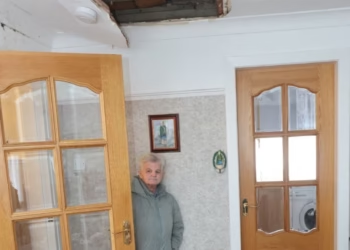 Blind Woman Forced to Move Out After Leak Causes Ceiling to Cave In
 Rapist Caught After Victim Calls Police Mid-Attack

 Brutal Attack on Officer Leads to Five-Year Sentence
 Disabled Girl ‘Felt Like Alien’ in Shoe Row
 Edinburgh Mother Learns Husband Was Secret Sperm Donor
 Hazardous Material Found in Scots Home Raid
 Families Tortured by Authorities During Investigations Inquiry Told
 Brain-Damaged Scot ‘Stuck’ in Hospital at Centre of Police Probes
 Met Police Resume Arrests for Palestine Action Supporters
 Watchdog Probes Police Handling of Andrew Tate Abuse Claims
 ‘A Living Nightmare’: Parents of Vaccinated Teenager Speak Out After Rare Meningitis B Battle
 Dawn Raids in Scotland and Spain: Eight Arrested in Major Organised Crime Sting
 Targeted Attack in Bury Sparks Murder Investigation as Community Awaits Justice
 Merseyside Police Helicopter Crew Cleared After Low-Altitude Pursuit of Suspect
 Tanni Grey-Thompson Faces Abuse Over Opposition to Assisted Dying Bill
 Jaguar Land Rover Extends Production Halt Following Cyber-Attack
 Persistent Offenders Owe Over £700m in Ulez Fines as TfL Cracks Down on Evasion
 No Evidence Found to Substantiate Alleged Rape in Oxfordshire Churchyard, Police Confirm
 UK Campaigners Launch Bill to Grant Legal Rights to Nature
 French Taxi Driver Cleared in David Lammy Theft Case After Fare Dispute
 UK Bans Fake Numbers: Scammers Lose Their Trick
 Patients to Test Health at Home to Ease NHS Winter Pressure
 Northern Lights may illuminate UK skies this week
 Major Rent Reform Ends No-Fault Evictions in England
 Woman Jailed for Life After Killing E-Bike Rider in Tragic Mistaken Identity Case
 Pornhub blocks new UK users over age checks dispute
 UK New Car Discounts Near £6,000 as Prices Are Slashed
 Labour Utterly Humiliated by Straight-Talking Mum Who Cut Through Keir Starmer’s Insanity
 Renters Furious as Decent Homes Standard Delayed Until 2035
 Students Begin Covid Compensation Claim Against 36 More Universities
 Snow and Rain Warnings as Cold Snap Continues in the UK
 Civil Service Pay: Union Urges Ministers to End ‘Barking Mad’ Limits
 Epstein Eyed Record Label Investment to Access Women, Files Suggest
 Fly-Tippers to Be Hunted by ‘Drone Squad’ in Crackdown from the Sky
 ‘Don’t Make Us Security Guards,’ Says Teacher Stabbed by Pupil
 Rape Accused Had Fight With Man in Alley, Court Told
 UK’s First Geothermal Plant Powers 10,000 Homes
 Suspects in Lisa Dorrian Case Released on Bail
 Driver Jailed Over Fatal Water Treatment Tank Crash
 Calls Grow to Remove Billboard Following Lyra McKee Graffiti
 Labour MP’s Partner Arrested on Suspicion of Spying for China
 Police Scotland Pays £8m Compensation to Staff
 Father Dies by Suicide Weeks After Wedding in Clitheroe
 Teen Wins Payout After TRNSMT Crush Horror
 ‘Heating Oil Suppliers Are Holding Us to Ransom’ as Prices and Cancellations Surge
 Two Men Bailed Following Arson Attack on Jewish Charity Ambulances