Published: March 27, 2026. The English Chronicle Desk. The English Chronicle Online — Independent, Insightful, Global.
After a week of stubborn gray skies and lingering coastal mist, the United Kingdom is set for a significant atmospheric shift as a “subtropical plume” pushes northwards from the Azores. Met Office forecasters have confirmed that temperatures are expected to climb to 17°C across parts of Southern and Central England this weekend, marking the official return of warm spring sunshine. The mercury is predicted to sit roughly 5°C above the seasonal average, providing a much-needed boost for outdoor hospitality and the nation’s gardeners, who have faced a particularly damp start to the month.

The change in fortunes is driven by a shifting high-pressure system currently centered over the Benelux countries, which is acting as a “block” against the Atlantic depressions that have dominated March. This “Omega Block” configuration will draw in warmer, drier air from the continent, clearing the persistent cloud that has dogged the East Coast. While the South East and East Anglia are likely to see the highest peaks—with London and Cambridge potentially touching 18°C in sheltered spots—the warmth will be felt as far north as the Scottish Borders, where temperatures could reach a respectable 14°C.
However, the “spring-like” conditions come with a familiar caveat. Meteorologists warn of a sharp “diurnal range,” meaning that while daytime highs will feel pleasantly warm in the sun, clear skies overnight will allow temperatures to plummet. Gardeners are being urged to protect delicate new shoots, as ground frosts remain a risk in rural areas, with overnight lows dipping to 1°C or 2°C. “It’s a classic case of ‘coat on, coat off’ weather,” noted one Met Office spokesperson. “The solar strength is now equivalent to that of September, so while it feels lovely in the direct sun, the air remains crisp in the shade.”
The timing of the warm spell is particularly welcome for the UK’s tourism and retail sectors. Following the “meltdown” of several political campaigns and the somber news surrounding the “cliff edge” of hospice funding, the prospect of a sunny weekend is expected to drive a surge in footfall for coastal towns and National Trust properties. In Kent, where the “very rare” meningitis cases have caused local anxiety, health officials are encouraging residents to enjoy the outdoors while remaining vigilant, noting that UV levels are beginning to rise as we approach the spring equinox.
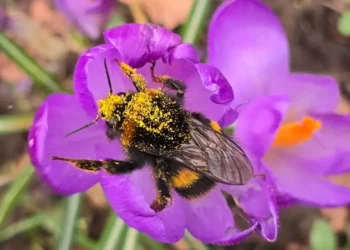
Environmental experts have also noted the impact of the sudden warmth on the UK’s flora and fauna. The “17°C surge” is expected to trigger a mass emergence of early pollinators, including queen bumblebees and peacock butterflies. However, there are concerns that this “false spring” could lead to a “phenological mismatch” if the warm weather is followed by a sudden return to Arctic air in April—a pattern that has become increasingly common in the 2020s. For now, the advice from the Woodland Trust is to “savour the moment,” as the bluebells and wild garlic begin their annual race to the forest floor.

As the “Mullally Era” begins at Canterbury Cathedral and the NHS rolls out its AI “super-assistants,” the return of the sun serves as a natural reset for a country grappling with a complex start to 2026. Whether it’s a walk on the Chicago-style Riverwalks of our northern cities or a quiet moment in a local park, the message for the weekend is clear: the winter coat can finally, if tentatively, be returned to the wardrobe.
Related News:
 UP IN FLAMES: Huge Blaze Rips Through Odeon Cinema, Students Evacuated
 Snow and Rain Warnings as Cold Snap Continues in the UK
 Flooding May Worsen Before It Improves as More Rain Forecast for the UK
 Break from Wintry Weather as UK Temperatures to Climb to 14 °C
 Why There’s No Quick Fix in Sight for the Problem of Dazzling Headlights
 Mind Launches Inquiry into AI and Mental Health After Guardian Investigation
 ‘Mountain Rescue Gives Incredible Satisfaction’
 Spring‑Like Warmth to Peak on Wednesday with 18 °C Forecast
 UK Winter Nowhere Near a Record Breaker Despite Floods and Storms
 UK Records Warmest Day of the Year as Temperatures Exceed 18 °C
 ‘I Stopped Engaging’ Due to Instagram and YouTube, Woman Tells Landmark Trial
 Water Cremation Introduced in UK First
 Travel Chaos on M8 and M74 Amid 70 mph Gales as Trains Also Cancelled
 Met Office Issues 9‑Hour Now Warning for 5 UK Regions on Friday – Full List
 UK Households Urged to Buy Batteries and Charge Phones as Snow Forecast
 Scots in Five Areas Braced for 10 cm Snow and Travel Chaos as Met Office Issues Yellow Warning
 ‘A Living Nightmare’: Parents of Vaccinated Teenager Speak Out After Rare Meningitis B Battle
 ‘F***, We’re Dead’: The Chilling Final Words from the Air France 447 Cockpit
 How to Exit Your Broadband Contract Without Paying Exit Fees
 Unseen Killers of the Deep Inside the UK Lab Uncovering the Silent Deaths of Sea Creatures
 Shocking Rise in Children’s Exposure to Violent Online Pornography Raises Alarm
 Jaguar Land Rover Extends Production Halt Following Cyber-Attack
 Persistent Offenders Owe Over £700m in Ulez Fines as TfL Cracks Down on Evasion
 British AI Startup Outshines Human Forecasters in Global Prediction Contest
 UK Fighter Jet Purchase Could Breach Nuclear Treaty, Warns CND
 Millions in the UK at Risk of Cyber-Attacks as Microsoft Ends Windows 10 Updates, Warns Which?
 Cooper Unveils £4m Cyber Plan Against Russian Hackers
 Yvette Cooper Backs Digital ID Plan for UK Teens
 Reform UK candidate fined £19,000 after using AI-generated cases to challenge election
 Harry and Meghan join global AI leaders urging superintelligence ban
 UK Campaigners Launch Bill to Grant Legal Rights to Nature
 UK Bans Fake Numbers: Scammers Lose Their Trick
 Patients to Test Health at Home to Ease NHS Winter Pressure
 Northern Lights may illuminate UK skies this week
 Valve Opens the Door for Android Games on Steam
 Coffins Now Too Large to Cremate Amid Rising Obesity Crisis
 Amazon Milton Keynes closure sparks concern for UK warehouse workforce
 Robo-Vaccination Could Transform Fight Against Bovine TB
 MPs warn AI financial risks threaten UK stability
 Pornhub blocks new UK users over age checks dispute
 UK New Car Discounts Near £6,000 as Prices Are Slashed
 Labour Utterly Humiliated by Straight-Talking Mum Who Cut Through Keir Starmer’s Insanity
 Dozens of Flood Warnings in England After Days of Non-Stop Rain
 Renters Furious as Decent Homes Standard Delayed Until 2035
 The Victorian aristocrat who became Britain’s first Muslim lord
 FLOOD TRAGEDY: Man Dies After Entering Floodwater During Police Chase
 Motorists Could Face ‘Mandatory’ Driving Ban for Road Offences Under Tougher Laws
 Royal Mail Blames Poor Weather and Sickness for Delayed Deliveries
 Disability and LGBT Hate Crimes Set to Become Aggravated Offences
 Last‑ditch Call to Save Police Front Counters in London
 Dad Found in Bed with Daughter 16 Years After Abandoning Her as a Child
 ‘Don’t Make Us Security Guards,’ Says Teacher Stabbed by Pupil
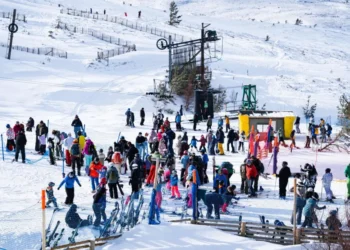 Bumper Ski Season but Avalanches Threaten Scotland’s Snowy Hills
 ‘A Disgrace’ — Patient Blasts Neurology Report
Storm Hernando: Edinburgh Airport Flights Cancelled in US Travel Chaos
‘A Disgrace’ — Patient Blasts Neurology Report
Storm Hernando: Edinburgh Airport Flights Cancelled in US Travel Chaos
 Will the New SEND Reforms in England Work? You Have Your Say
 BBC Edited a Second Racial Slur Out of BAFTA Ceremony
 Facial Recognition Error Leads to Wrongful Arrest in Milton Keynes
 UK’s First Geothermal Plant Powers 10,000 Homes
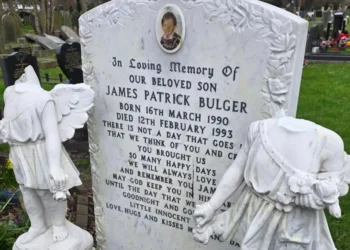 Grave of Murdered Toddler James Bulger Vandalised
 ‘I Almost Died After a Touch‑and‑Go C‑Section’
 Calls Grow to Remove Billboard Following Lyra McKee Graffiti
 Woman, 29, ‘Chucked’ Into Care Home 100 Miles Away
 Labour Faces Backlash Over Conscription Warning
 Father Dies by Suicide Weeks After Wedding in Clitheroe
 Sarah Ferguson Loses Another £1.5m Amid Financial Struggles
 SNP Health Secretary Criticised Over NHS Failures Locally
 Teen Wins Payout After TRNSMT Crush Horror
 Biker Suffers Fractured Spine After Hitting Pothole in Edinburgh
 Scots Head Teacher Pays Tribute to Teen Who Died in Car Fire
 ‘Heating Oil Suppliers Are Holding Us to Ransom’ as Prices and Cancellations Surge
 Rare Glimpse of Historic Bridge Thanks to Low Tide
 Second Man Arrested Over ‘Gunshot’ Death of Young Dad in Motherwell Home
 Charity Watchdog Warns Alan Turing Institute Over Conduct
 Families Tortured by Authorities During Investigations Inquiry Told
 Watchdog Probes Police Handling of Andrew Tate Abuse Claims
 The High Cost of Survival: How the 2026 Fiscal Outlook is Redefining British Life
 Safety Fears at New £200m Maternity Unit: Mums-to-Be ‘Put at Risk’
 US Lawmaker Demands Testimony Over Sarah Ferguson’s ‘Close Epstein Ties’
 The Last of the Lords: Two Hereditary Peers to Retain Ceremonial Roles Amid Historic Ousting