Published: March 30, 2026. The English Chronicle Desk. The English Chronicle Online—Providing trusted news and professional analysis for the UK.
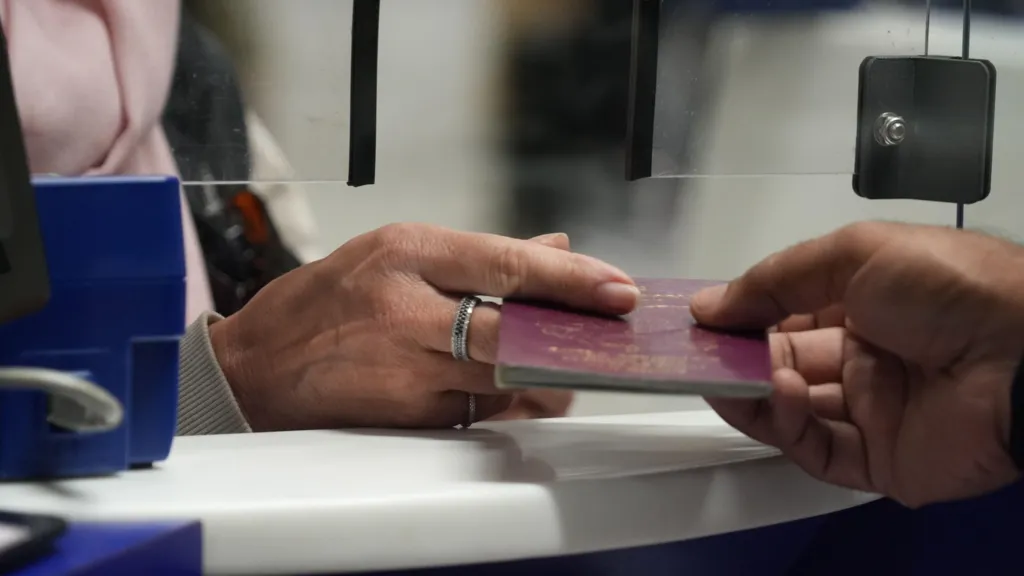
A British traveler has shared her harrowing ordeal of being deported from China following a bureaucratic “nightmare” involving her Isle of Man-issued passport. The incident, which occurred at Shanghai Pudong International Airport during a planned family holiday, has sparked a fresh debate over the international recognition of Manx travel documents. The woman, a 42-year-old teacher from Douglas who has lived in the UK for over a decade, was reportedly denied entry despite holding a valid ten-year British passport and a pre-approved tourist visa. According to her account, immigration officials became confused by the “British Islands: Isle of Man” wording on the cover and inner pages, leading to a frantic twelve-hour detention before she was forcibly placed on a flight back to London Heathrow.

The confusion appears to stem from a lack of familiarity among Chinese border agents with the specific variations of the British passport. While Manx passports are technically British passports issued by the Lieutenant Governor of the Isle of Man, they carry distinct wording and symbols that differentiate them from those issued by His Majesty’s Passport Office in the UK. The traveler, identified as Sarah Jenkins, alleged that officials repeatedly questioned the “validity” of her nationality, at one point suggesting that her passport was a “forgery” or a “regional ID” that did not grant her full British citizenship rights. Despite her efforts to show official government websites explaining the status of the Crown Dependency, she was told that her documentation did not match the “standard” British template in their database.
The incident has caused a significant diplomatic headache for the Isle of Man Government and the Foreign, Commonwealth & Development Office (FCDO). A spokesperson for the Isle of Man Cabinet Office expressed “deep concern” over the report, emphasizing that Manx-issued passports are internationally recognized legal documents that should afford the holder the same entry rights as any other British citizen. However, travel experts warn that in an era of heightened security and increasing geopolitical tension, regional variations in primary identification can lead to “computer says no” moments at strict border crossings. The FCDO has since updated its travel advice for China, urging holders of Manx, Channel Islands, or Gibraltar-issued passports to carry secondary proof of their British citizenship or a printed explanation of their passport’s status to avoid similar “catastrophic” travel disruptions.

For Mrs. Jenkins, the deportation has resulted in thousands of pounds in lost holiday costs and a deep sense of humiliation. She described being “marched” through the terminal by armed guards and being denied access to her luggage until she landed back in the UK. While the Chinese Embassy in London has yet to issue a formal apology, it is understood that they are investigating whether the error was a result of a software glitch in their new biometric scanning system or a training failure at the Shanghai border. As more residents of the British Crown Dependencies look to travel to Asia following the post-war reopening of borders, the “Manx Mix-Up” serves as a stark warning that even the most prestigious travel documents are only as good as the official behind the desk’s ability to read them.
Related News:
 EXCLUSIVE: Shamed Andrew’s New Humiliation as King Lays Down New Rule After Royal Lodge Boot
 Stop Releasing Phone Thieves Who Reoffend, Met Police Chief Urges Courts
 Motorists Could Face ‘Mandatory’ Driving Ban for Road Offences Under Tougher Laws
 Disability and LGBT Hate Crimes Set to Become Aggravated Offences
 Last‑ditch Call to Save Police Front Counters in London
 ‘We’ve Been Left Homeless After Our Builder Went Bust’
 Sadistic Pair Jailed for Blowing Up Sheep
 Grave of Murdered Toddler James Bulger Vandalised
 Outsiders Disrupted Search for Missing Teen Noah Donohoe
 Police Brothel Raids Target Organisers, Not Sex Workers
 Family of Girl Groomed by Ian Huntley Beg Medics to Save His Life
 Sarah Everard’s Killer Wayne Couzens ‘Petrified’ After Ian Huntley Prison Attack
 Flats for the blind could be sold to developer
 ‘We may be homeless before eviction law comes in’
 Undercover officer deceived women with ‘grotesque and cruel’ lies, spycops inquiry told
 Gran Vows to Shield Huntley’s Daughter From Soham Killer’s Funeral
 Burglar’s Bizarre Excuse After Bedroom Break-In
 Mum Blinded After Tumour Linked to Contraceptive Jab
 King Charles Strips MBE and OBE Titles from Nine People Including Stuart Hogg
 Mum Forces Killer Son Back to Crash Scene After He Mows Down Pensioner
 Mum-of-Three Blackmailed Men After Sending Nude Photos
 Blind Woman Forced to Move Out After Leak Causes Ceiling to Cave In
 Rapist Caught After Victim Calls Police Mid-Attack

 Brutal Attack on Officer Leads to Five-Year Sentence
 Disabled Girl ‘Felt Like Alien’ in Shoe Row
 Edinburgh Mother Learns Husband Was Secret Sperm Donor
 Hazardous Material Found in Scots Home Raid
 Families Tortured by Authorities During Investigations Inquiry Told
 Brain-Damaged Scot ‘Stuck’ in Hospital at Centre of Police Probes
 Met Police Resume Arrests for Palestine Action Supporters
 Watchdog Probes Police Handling of Andrew Tate Abuse Claims
 Dawn Raids in Scotland and Spain: Eight Arrested in Major Organised Crime Sting
 ‘F***, We’re Dead’: The Chilling Final Words from the Air France 447 Cockpit
 Holyrood Campaign ‘In Meltdown’ as Fifth Reform UK Candidate Quits
 US Lawmaker Demands Testimony Over Sarah Ferguson’s ‘Close Epstein Ties’
 The Last of the Lords: Two Hereditary Peers to Retain Ceremonial Roles Amid Historic Ousting
 Trust in Turmoil: Just Eat and Autotrader Among Firms Probed Over Fake Reviews
 ‘I Didn’t Realise’: ‘Housebound’ Benefit Cheat Caught Ziplining in Mexico
 Global Crisis: Marco Rubio Convenes Emergency G7 Meeting as Iran Conflict Escalates
 ‘My Daughter is Under the Rubble’: The Human Cost of the Tehran Strikes
 ‘An Evil Man is Dead’: Australian Fugitive Dezi Freeman Shot Dead After 216 Days
 ‘Eye in the Sky’ Blinded: Photos Reveal Destroyed US Radar Jet at Saudi Base
 ‘Full and Immediate Access’: Netanyahu Reverses Palm Sunday Ban on Latin Patriarch
 Three-Minute Heist: Renoir, Cézanne, and Matisse Masterpieces Stolen in Italy
 Power Grab: Myanmar Junta Chief Min Aung Hlaing Nominated as President
 ‘I Dread the Phone Ringing’: Inside the Kennels on the Frontline of Britain’s XL Bully Crisis
 Child Focus Is Biggest Change to Family Courts in 30 Years, Senior Judge Says
 Targeted Attack in Bury Sparks Murder Investigation as Community Awaits Justice
 Merseyside Police Helicopter Crew Cleared After Low-Altitude Pursuit of Suspect
 Tanni Grey-Thompson Faces Abuse Over Opposition to Assisted Dying Bill
 Mahmood Pledges Reform of Modern Slavery Laws After Court Blocks Deportation Appeal
 No Evidence Found to Substantiate Alleged Rape in Oxfordshire Churchyard, Police Confirm
 Digital ID Plans Ignite Debate Over £600m Treasury Tax Boost and Privacy Concerns
 French Taxi Driver Cleared in David Lammy Theft Case After Fare Dispute
 Major Rent Reform Ends No-Fault Evictions in England
 Woman Jailed for Life After Killing E-Bike Rider in Tragic Mistaken Identity Case
 Labour Utterly Humiliated by Straight-Talking Mum Who Cut Through Keir Starmer’s Insanity
 Renters Furious as Decent Homes Standard Delayed Until 2035
 Students Begin Covid Compensation Claim Against 36 More Universities
 Snow and Rain Warnings as Cold Snap Continues in the UK
 Civil Service Pay: Union Urges Ministers to End ‘Barking Mad’ Limits
 Epstein Eyed Record Label Investment to Access Women, Files Suggest
 Fly-Tippers to Be Hunted by ‘Drone Squad’ in Crackdown from the Sky
 ‘Don’t Make Us Security Guards,’ Says Teacher Stabbed by Pupil
 Rape Accused Had Fight With Man in Alley, Court Told
 Suspects in Lisa Dorrian Case Released on Bail
 Driver Jailed Over Fatal Water Treatment Tank Crash
 Calls Grow to Remove Billboard Following Lyra McKee Graffiti
 Labour MP’s Partner Arrested on Suspicion of Spying for China
 Police Scotland Pays £8m Compensation to Staff
 Armed police incident closes major road
 Scots Man Convicted in Dirty Money Case After DNA Found on Cash
 Father Dies by Suicide Weeks After Wedding in Clitheroe
 Teen Wins Payout After TRNSMT Crush Horror
 ‘Heating Oil Suppliers Are Holding Us to Ransom’ as Prices and Cancellations Surge
 Liverpool Shooting Horror as Girl, 17, Shot in Legs in ‘Targeted Attack’
 Mandelson’s Phone Messages Requested in Files Release
 Two Men Bailed Following Arson Attack on Jewish Charity Ambulances
 The High Cost of Survival: How the 2026 Fiscal Outlook is Redefining British Life