Published: 30 March 2026. The English Chronicle Desk. The English Chronicle Online.
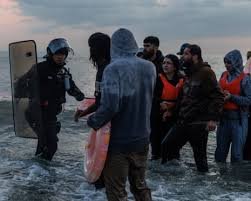
The rhythmic lapping of waves against the pebble beaches of Kent often masks a deeper political storm. Today that storm centers on the white cliffs of Dover and the halls of power in Paris. A critical security agreement between the United Kingdom and France stands on the very edge of expiration. This deal represents the primary defense against the surge of small boat crossings in the Channel. Without a signed extension, the maritime border faces a period of unprecedented and dangerous legal uncertainty.
Rishi Sunak and Emmanuel Macron originally forged this ambitious partnership back in March of 2023. That landmark agreement carried a substantial price tag of four hundred and sixty-eight million pounds sterling. The British government currently provides two-thirds of the funding for policing the northern French coastline. However, the clock is ticking loudly as the current arrangement expires at midnight this Tuesday evening. Negotiations have been ongoing since the thirty-seventh UK-France summit held during the previous summer months. British officials even traveled to Paris last week for a final round of intense discussions.

Despite these efforts, a new signature remains elusive as the crucial deadline fast approaches us. Reports suggest that Home Secretary Shabana Mahmood is holding out for much more stringent terms. She is reportedly pushing the French authorities to significantly increase their rate of boat interceptions. The Home Office describes its current strategy as adding necessary flexibility and innovation to the deal. They claim to have prevented forty thousand crossing attempts since the Labour government took office. Yet, the sheer volume of arrivals continues to challenge the effectiveness of these expensive measures.
The year 2025 proved to be the second highest on record for small boat arrivals. Approximately forty-one thousand five hundred people reached British shores in dinghies during that calendar year. So far in 2026, over four thousand individuals have already made the treacherous journey across. These figures cast a long shadow over the government’s claim of successful and robust deterrence. The Home Office has not yet provided evidence that intercepted individuals do not try again. Many experts believe that stopped migrants simply wait for a better opportunity to launch boats.
Internal sources within the Home Office have expressed private concerns regarding the current negotiation tactics. One source with intimate knowledge of the talks said security is not easily bought. They warned that French officials might vociferously resist a deal based purely on performance metrics. While aiming for better outcomes is right, the delay itself creates a very risky vacuum. If a gap occurs in the deal, some French patrols will likely continue regardless. However, the source emphasized that Paris could easily take its foot off the gas pedal.
The impact of a reduced French presence on those northern beaches could be quite immediate. People smugglers are notoriously quick to exploit any perceived weakness in border security or patrol. They watch the political climate as closely as the weather patterns in the English Channel. Any lapse in surveillance provides a golden window for coordinated and dangerous mass launch attempts. This reality leaves coastal communities in both nations feeling understandably anxious about the coming weekend. The humanitarian cost of these crossings also remains a central point of the heated debate.

Non-governmental organizations on both sides of the water remain deeply skeptical of these financial pacts. Lavanya Pallapi of the Joint Council for the Welfare of Immigrants spoke out quite strongly. She argued that these border policies frequently lead to an increase in tragic maritime deaths. In her view, these agreements expand the violence and suffering found at our shared borders. She believes that more blood will be on official hands if this spiral continues. This sentiment is echoed by many who see the current approach as fundamentally flawed.
Lachlan Macrae from the Calais Food Collective also questioned the logic of the current administration. He finds it extraordinary that such a vital agreement has reached this final hour unsigned. Macrae suggests that the policy is failing regardless of whether the paperwork is eventually finished. He argues that creating safe and accessible routes for asylum is the only solution. Throwing more taxpayer money at the French police does not seem to stop gangs. The smugglers simply adapt their methods to bypass the latest technology and increased beach patrols.
The British government maintains that France remains its most important partner in managing regional migration. A spokesperson highlighted that joint work is actively bearing down on the small boat crossings. They reiterated that their landmark deal ensures illegal migrants are sent back to their origin. This stance is designed to reassure a public that is increasingly weary of headlines. Yet, the lack of a signed document creates a palpable tension in the air. The next twenty-four hours will determine the future of the English Channel’s security.
As the sun sets over the Channel tonight, the eyes of Westminster remain fixed on Paris. The stakes involve more than just millions of pounds or complicated international law and treaties. At the heart of this dispute are human lives and the integrity of borders. The failure to reach a timely agreement could embolden the very gangs officials seek. A resolution is needed to prevent a chaotic summer season on the high seas. Only time will tell if diplomacy can bridge the gap before the clock strikes.
Related News:
 British Woman in Iran ‘Losing Hope’ Amid Ongoing Detention
 BBC Journalist Held and Interrogated in Vietnam
 Green Party Surges Past Labour in Latest UK Poll
 Celebrities and Charities Demand UK Government Act on Child Poverty
 Trump’s UK Ambassador Urges North Sea Drilling to Strengthen US Ties
 FBI Director Kash Patel Defends Girlfriend Amid Government Jet Claims
 French Taxi Driver Cleared in David Lammy Theft Case After Fare Dispute
 ‘Reckless’ cuts to victims’ services will cost more than they save
 Millionaires group urge Reeves to introduce wealth tax to ‘lift kids out of poverty’
 Starmer Faces Growing Dissent as Labour MPs Weigh Leadership Challenge
 Reeves rejects £1bn plea for NHS redundancy payouts
 Politics latest: Starmer ‘will fight any leadership coup’ as Streeting denies attempt to oust Labour PM
 PM Condemns Leaks, Vows Loyalty to Ministers and Stability
 Major Rent Reform Ends No-Fault Evictions in England
 Peers Flood Assisted Dying Bill with 942 Amendments
 England’s Special Needs Support Faces Breaking Point
 MoD warned over Excel risks before Afghan data breach
 Labour Faces Historic Decline in Wales
 PM Highlights UK Business at G20 in South Africa
 Kate Forbes: Motherhood Harder Than Politics
 Most Tories Expect to Support a Farage-Led Government
 Labour MP claims devolution bill is ‘blatant discrimination’ against Cornwall
 Millions Face Higher Taxes Under Reeves New Budget
 Peers Get Extra Time to Debate Assisted Dying Bill
 Starmer Says Labour’s Economic Plan Needs Years to Deliver
 Culture secretary to review Telegraph takeover by Daily Mail owner
 Plans to Limit Jury Trials Face Retreat After Mounting Opposition
 Right Must Unite After Jenrick Defection, Urges Rees-Mogg
 UK Ministers Drop Foreign Student Targets for Global Education Push
 MPs warn AI financial risks threaten UK stability
 MPs warn AI financial risks threaten UK stability
 No Gas Boiler Ban as UK Warm Homes Plan Backs Heat Pumps
 Hugh Grant Joins Call for Under-16 Social Media Ban in UK
 Shinzo Abe’s killer receives life sentence in Japan
 Lords Vote Piles Pressure on Starmer Over Social Media Ban
 Reform UK Health Plan ‘Would Cost £1.7bn’, Streeting Says
 Police response times face strict new national limits
 Labour policing overhaul sparks fears over growing central control
 Tories criticised after Braverman defection sparks mental health row
 Burnham Westminster return hopes fade amid Labour rift
 Starmer warns of toxic division politics in Reform challenge
 Starmer China visit raises human rights pressure on Beijing
 Labour Must Revive High Streets to Avoid Election Collapse
 Calls Grow for King Charles to Apologise for Crown’s Role in Slavery
 Palantir contracts face UK halt calls over transparency
 Labour Thinktank Row Deepens Over Journalist Probe Claims
 Labour Lord Doyle Apologises Over Paedophile Ties in Political Storm
 Cabinet Secretary Shake-Up Triggers Due Diligence Warning
 Starmer Faces Inquiry Calls Over Thinktank Probe
 Royal Mail Delivery Crisis Deepens Amid Weather Chaos
 Farage to Name Jenrick as Reform Chancellor Pick
 NHS Negligence Ruling Raises Payout Costs
 Civil Service Pay: Union Urges Ministers to End ‘Barking Mad’ Limits
 Antonia Romeo appointment sparks criticism
 Trump and Chagos Deal Rift Over Iran Strikes
 Farage Chagos Islands Row Sparks Fury
 Trump Tariffs Threat Spark UK and EU Alarm
 Gasfield Deal Sparks Debate Over Fracking in Lincolnshire
 Reform UK targets workers’ rights repeal
 Mandelson Denounces Arrest Over ‘Baseless’ Fleeing Claims
 Russian Trade Routed Through British Islands Exposed
 Mandelson Arrest: Met Apologises to Hoyle
 Palestine Action ban appeal moves forward
 Reeves Must Back Defence Plan or Face Dismissal, Says Unite Chief
 NHS Maternity Units Cover Up Harmful Childbirth Errors
 Green Party Stuns Labour in Gorton and Denton Byelection
 Refugee Status Overhaul Sparks UK Debate
 Trump Rebukes Starmer Over Iran Strikes Row
 BBC Charter Reform Sparks Independence Battle
 Asylum Seekers to Work After Year-Long Wait
 Thousands Protest Iran Strikes Outside US Embassy London
 US Bombers Arrive at RAF Base Amid Rising Iran Tensions
 UK Prepares Aircraft Carrier for Middle East Crisis
 UK Oil and Gas Supplies Reassured Amid Middle East Concerns
 Proposed Law Leaves Gap for Children of Convicted Paedophiles
 Ministers Urged to Act Faster on Deepfakes Threat
 Yvette Cooper: UK Must Follow Principles, Not US Pressure
 UK Cuts Climate Aid by 14% in Strategic Refocus
 Iran’s Failed Strike on Diego Garcia Sparks UK Security Concerns
 Wes Streeting Backs Starmer Amid Speculation of Leadership