
Published: March 30, 2026. The English Chronicle Desk. The English Chronicle Online—Providing trusted news and professional analysis for the UK.
In an era where “dog-parenting” has become a central pillar of identity for millions, a growing number of single Britons are speaking out about a taboo that feels increasingly like a social death sentence: a profound dislike of dogs. As the UK’s canine population hits a record high of nearly 13 million, the dating landscape has been transformed into a “paws-only” zone. From Hinge prompts that declare “must love dogs” to first dates interrupted by separation anxiety alerts on smart collars, those who prefer a pet-free life say they are being systematically “swiped left” into isolation. For 32-year-old marketing executive James, the situation has reached a breaking point. “I’ve had three promising relationships end the moment I admitted I didn’t want a Golden Retriever sleeping in our bed,” he says. “In 2026, it feels more socially acceptable to admit you don’t like children than to say you don’t like dogs.”

The “dog-pill” of modern dating is backed by sobering statistics. New research from The Kennel Club reveals that 50% of owners would refuse to date someone who isn’t a “dog person,” while nearly half of Gen Z and Millennial owners admit they prefer spending a Saturday night with their pet than on a romantic date. This “canine-centric” lifestyle—where birthdays are celebrated with “pup-cakes” and holidays are booked exclusively via “paw-friendly” apps—leaves little room for partners who view dogs as “smelly, loud, or unhygienic.” Psychologists note that the rise of the “dog-as-family” trend has raised the stakes of compatibility; a disagreement over a pet is no longer seen as a minor lifestyle preference, but as a fundamental clash of values and empathy.
For those with “cynophobia” (a fear of dogs) or simply a desire for a clean, quiet home, the ubiquity of dogs in public life has made the “dating gauntlet” even more treacherous. With 20% of UK pubs now describing themselves as “dog-first” and high-street cafes increasingly welcoming four-legged patrons, the “safe space” for a dog-hater is shrinking. “It’s the entitlement that kills the romance,” explains Sarah, a 28-year-old teacher who recently ended a four-month relationship over her partner’s refusal to keep his Labrador off the sofa. “I was told I was ‘cold’ and ‘lacking a soul’ because I didn’t want to be licked while watching a movie. My boundaries were treated as a character flaw.”

Despite the stigma, a “silent resistance” is beginning to form. Online forums and “pet-free” social groups are seeing a surge in members who are looking for partners who prioritize human connection over animal companionship. These “canine condemners” argue that the current culture of “dog worship” is a form of social narcissism that punishes those who value autonomy and cleanliness. As the UK navigates its post-pandemic pet boom, the divide between the “dog-obsessed” and the “dog-averse” is becoming the newest—and perhaps most bitter—frontier in the search for love. For James, the hope remains that there is someone else out there who is “holding out for a human,” but as he scrolls through another gallery of “dog-dads,” he admits the odds are looking increasingly “ruff.”
Related News:
 Karen Gillan Reveals What She Misses Most About Scotland’s Food and People
 BBC Apologises After Racial Slur Aired at BAFTAs by Guest With Tourette’s
 Royals Find ‘Fergie Replacement’ They Can Trust
 ‘The Art of Winning’: Olivia Dean Sweeps 30th Anniversary MOBO Awards in Manchester
 Unseen Killers of the Deep Inside the UK Lab Uncovering the Silent Deaths of Sea Creatures
 Russell T Davies Warns of Declining UK Gay Rights Amid Rise of Reform UK and Trump Influence
 Terence Stamp, ’60s British Film Legend and Star of Superman, Dies at 87
 Watchdog, Cornflakes and Courage: Remembering John Stapleton, a Broadcaster Who Did It All
 Patricia Crowther, Known as UK’s Oldest Witch, Dies Aged 97
 Jilly Cooper: The Bonkbuster Queen Who Redefined Romantic Fiction
 Celebrity Traitors First Look: A Star-Studded Highland Adventure That Hooks from the Start
 Paedophile Singer Ian Watkins Dies After Prison Attack
 Strictly Celebs Starstruck as Cynthia Erivo Shines
 Fabio Wardley stuns Joseph Parker to earn Usyk title shot
 Kate Winslet to Narrate Film Highlighting King’s Environmental Mission
 Top Christmas Books Reads: Classics to Cozy Romcoms
 Pauline Collins, Beloved ‘Shirley Valentine’ Star, Dies at 85
 I’m a Celebrity 2025 line-up revealed: Osbourne joins
 VAR Must Rein Its Neck In to Save Football’s Spirit
 Pop Stars Call on UK Government to Cap Resale Prices for Fans
 Labour Utterly Humiliated by Straight-Talking Mum Who Cut Through Keir Starmer’s Insanity
 Royal Family LIVE: ‘Pariah’ Andrew Mountbatten-Windsor Sparks Fresh Revolt Among Staff
 Renters Furious as Decent Homes Standard Delayed Until 2035
 The Victorian aristocrat who became Britain’s first Muslim lord
 Motorists Could Face ‘Mandatory’ Driving Ban for Road Offences Under Tougher Laws
 Royal Mail Blames Poor Weather and Sickness for Delayed Deliveries
 Disability and LGBT Hate Crimes Set to Become Aggravated Offences
 Snow and Rain Warnings as Cold Snap Continues in the UK
 Flooding May Worsen Before It Improves as More Rain Forecast for the UK
 Teacher Who Lied About Cambridge Degree Banned From Profession
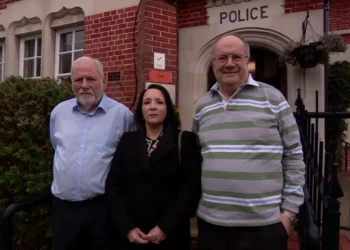 Last‑ditch Call to Save Police Front Counters in London
 Deaf Woman Killed After Night Out With Strangers, Court Hears
 Dad Found in Bed with Daughter 16 Years After Abandoning Her as a Child
 Store at Famous Shopping Village to Close After 18 Years Due to Rising Costs
 ‘Don’t Make Us Security Guards,’ Says Teacher Stabbed by Pupil
 Meet Robert Aramayo: From Humble Beginnings in Hull to Juilliard and BAFTA Glory After Beating Timothée Chalamet
 ‘We Pray for Peace’: Indian Filmmaker From Troubled State Who Won a BAFTA
 Sadistic Pair Jailed for Blowing Up Sheep
 Will the New SEND Reforms in England Work? You Have Your Say
 BBC Edited a Second Racial Slur Out of BAFTA Ceremony
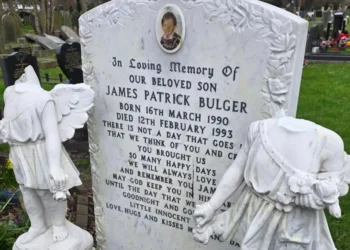 Grave of Murdered Toddler James Bulger Vandalised
 ‘I Almost Died After a Touch‑and‑Go C‑Section’
 Calls Grow to Remove Billboard Following Lyra McKee Graffiti
 David and Victoria Beckham Wish Brooklyn Happy Birthday Despite Family Feud
 Woman, 29, ‘Chucked’ Into Care Home 100 Miles Away
 Tears and Cheers as Controversial Long‑Running Australian Breakfast Radio Show Implodes
 Community farm appeal to cover thousands in repairs
 Katie Price’s Husband Hit by ‘Tinder Swindler’ Claims
 Labour Faces Backlash Over Conscription Warning
 Father Dies by Suicide Weeks After Wedding in Clitheroe
 Sarah Ferguson Loses Another £1.5m Amid Financial Struggles
 SNP Health Secretary Criticised Over NHS Failures Locally
 Courier Firm Bust After 14 Years as Evri Deliveries Face ‘Temporary Disruption’
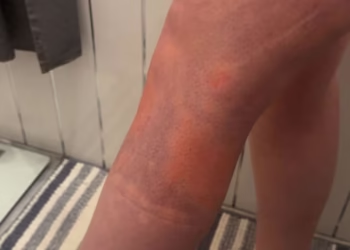 Teen Wins Payout After TRNSMT Crush Horror
 Noma Head Chef Resigns Amid Abuse Allegations
 Biker Suffers Fractured Spine After Hitting Pothole in Edinburgh
 Scots Head Teacher Pays Tribute to Teen Who Died in Car Fire
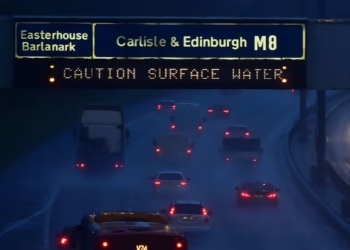 Travel Chaos on M8 and M74 Amid 70 mph Gales as Trains Also Cancelled
 ‘Heating Oil Suppliers Are Holding Us to Ransom’ as Prices and Cancellations Surge
 Rare Glimpse of Historic Bridge Thanks to Low Tide
 Second Man Arrested Over ‘Gunshot’ Death of Young Dad in Motherwell Home
 Prisoner: Cell Block H Star Wendy Playfair Dies Aged 99
 Rapist Caught After Victim Calls Police Mid-Attack
 Families Tortured by Authorities During Investigations Inquiry Told
 Watchdog Probes Police Handling of Andrew Tate Abuse Claims
 ‘Teenage Me Could Not Have Imagined This’ Says First Female Archbishop
 The High Cost of Survival: How the 2026 Fiscal Outlook is Redefining British Life
 Safety Fears at New £200m Maternity Unit: Mums-to-Be ‘Put at Risk’
 Dawn Raids in Scotland and Spain: Eight Arrested in Major Organised Crime Sting
 US Lawmaker Demands Testimony Over Sarah Ferguson’s ‘Close Epstein Ties’
 The Last of the Lords: Two Hereditary Peers to Retain Ceremonial Roles Amid Historic Ousting
 Spring Awakening: Temperatures to Hit 17°C as Britain Bathes in Sunshine
 Fuel Famine: How African Nations are Rationing Power and ‘Diluting’ Petrol to Survive
 ‘My Daughter is Under the Rubble’: The Human Cost of the Tehran Strikes
 ‘Eye in the Sky’ Blinded: Photos Reveal Destroyed US Radar Jet at Saudi Base
 ‘Full and Immediate Access’: Netanyahu Reverses Palm Sunday Ban on Latin Patriarch
 Four Teens Charged After Assault on Rescue Volunteer and Dog
 Woman Deported from China Over Manx Passport Mix-Up
 Schools Lack Staff to Make SEND Reforms Work, Union Warns
 Joanna Lumley: ‘I Wash My Face with Whatever Soap’s Lying on the Side of the Bath’