Published: March 31, 2026. The English Chronicle Desk.
The English Chronicle Online—Providing trusted news and professional analysis for the UK and Life & Society.
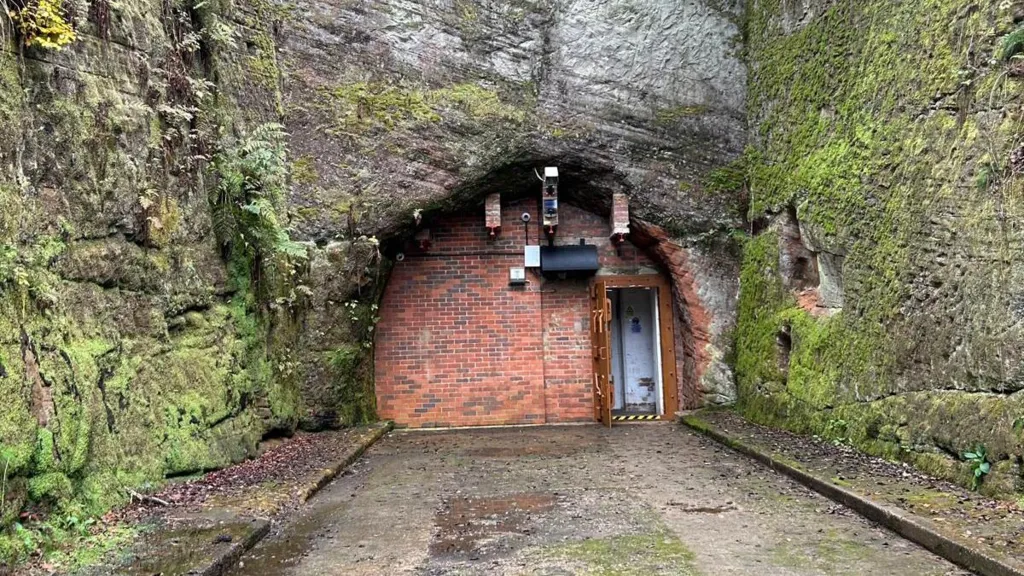
In a striking example of “defensive architecture” meeting the modern tourism boom, planning officials have this week granted permission for a former Cold War nuclear bunker to be converted into a unique luxury holiday let. The subterranean site, which was originally designed to withstand the blast of a megaton-range nuclear strike, will soon welcome guests seeking “ultimate off-grid isolation.” The decision marks a significant victory for heritage-led development, with planners praising the scheme for preserving a “chilling yet vital” piece of 20th-century history while providing a sustainable new use for a redundant military asset.

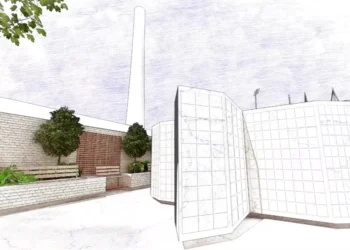
The bunker, once part of the Royal Observer Corps (ROC) network, is buried several meters beneath a remote hillside. Under the approved plans, the original “monitoring room”—where volunteers would have plotted radioactive fallout—will be transformed into a high-spec, open-plan living area. To maintain the site’s “authentic claustrophobia” while meeting modern building codes, the developers will install reinforced glass skylights disguised as natural mounds on the surface, allowing shafts of daylight to reach the underground chambers. “It’s about balancing the ‘end-of-the-world’ aesthetic with a king-sized bed and underfloor heating,” said the lead architect on the project.
The approval comes amid a surge in “Apocalypse Tourism,” a niche market that has gained momentum following the recent escalation in global tensions and the $116 oil price. Industry analysts suggest that travelers are increasingly drawn to sites that offer a sense of “prepper-style” security mixed with luxury. “In a world that feels increasingly volatile, there is something strangely comforting about sleeping behind three tonnes of reinforced concrete and a blast-proof door,” noted one travel consultant. The site is expected to fetch upwards of £450 per night, rivaling high-end boutique hotels in the nearby National Park.
While the local parish council initially raised concerns regarding “increased traffic on narrow rural lanes” and the potential for “noise leakage” from underground guests, the planning committee ruled that the economic benefits outweighed the localized impact. The developer has committed to a “minimal footprint” approach, including:
-
Solar-Powered Life Support: A concealed solar array on the surface will power the bunker’s air filtration and heating systems.
-
Heritage Trail: A small portion of the site will remain in its original 1960s state, accessible to guests as a “living museum” of the Cold War era.
-
Biodiversity Net Gain: The surface above the bunker will be rewilded with native wildflowers to blend the structure back into the natural landscape.

As the UK navigates the “8 Million Dilemma” and the ongoing Easter road chaos, the “Nuclear Holiday” offers a different kind of escape—one that is literally shielded from the noise of the world above. With the first guests expected to “check in and hunker down” by Christmas 2026, the project serves as a reminder that even the darkest remnants of our past can find a place in the leisure industry of the future.
Related News:
 Police Assessing Stansted Airport Private Flights Over Epstein Ties
 Snow and Rain Warnings as Cold Snap Continues in the UK
 TfL Advert Banned for Harmful Racial Stereotype
 Break from Wintry Weather as UK Temperatures to Climb to 14 °C
 What’s Next for Andrew Mountbatten-Windsor’s Ex-Wife, Sarah Ferguson?
 Muslim Group Wants Mosques to Be Used as Polling Stations Ahead of UK Elections
 Boy, 12, Home After Being Stranded in Middle East
 Why Aren’t Our Dirtiest Roads Getting Cleaned?
 Murdered Student ‘Algasim’ Was ‘the Most Special Person’, Friends Say
 Manchester Students Mourn Ayatollah Amid Protest
 Teen Admits Filming Westfield Chair Prank
 A Slimmer Sunday: Beatrice and Eugenie to Skip Royal Easter Service Amid Family Health Focus
 Banana Bonanza: Orkney Town Flooded with 38,000 Bananas After Supermarket Blunder
 ‘Please Keep Her in Your Prayers’: Dad Describes Final Moments Before 7-Year-Old Was Swept to Sea
 ‘Something Wasn’t Right’: UK Families Devastated by Sperm Mix-Up at Northern Cyprus IVF Clinics
 UK Must Act with Courage and Clarity on Israel-Palestine Conflict, Says Foreign Affairs Committee Report
 Radioactive Leak at UK’s Nuclear Warhead Base Sparks Outcry Over Safety and Secrecy
 Mutual Inconvenience: Why Alaska Was Chosen for the Trump-Putin Summit on Ukraine
 Terence Stamp, ’60s British Film Legend and Star of Superman, Dies at 87
 Where Is Prince William and Kate Middleton’s New House? Inside the Historic Lodge Set to Become Their ‘Forever Home’
 Is the UK Ready to Put Boots on the Ground in Ukraine? Assessing Military Capacity and Challenges
 Shein UK Faces Allegations of Shifting Majority of Profits to Singapore to Reduce UK Tax
 Thousands Gather in London to Protest Donald Trump’s Second UK State Visit
 A Third of EU Citizens in UK Report Discrimination by Public Bodies Post-Brexit
 Public Trust in SNP Hits Historic Low Amid NHS Concerns
 Johnson Suggests Mandelson Linked to China Spy Controversy
 Rachel Reeves signals welfare reform ahead of key budget
 Just Stop Oil Protesters Convicted Amid Climate Defence Row
 I’m a Celebrity 2025 line-up revealed: Osbourne joins
 Palace May Restore Hyphen to Andrew Mountbatten-Windsor’s Name
 Royal Navy Shadows Russian Warships Entering the Channel
 UK New Car Discounts Near £6,000 as Prices Are Slashed
 Labour Utterly Humiliated by Straight-Talking Mum Who Cut Through Keir Starmer’s Insanity
 Renters Furious as Decent Homes Standard Delayed Until 2035
 Starmer Weighs Fast-Tracking Defence Boost
 Motorists Could Face ‘Mandatory’ Driving Ban for Road Offences Under Tougher Laws
 Flooding May Worsen Before It Improves as More Rain Forecast for the UK
 Dual Nationals Face Scramble for UK Passports as New Rules Come Into Force
 Trump and Chagos Deal Rift Over Iran Strikes
 Epstein Eyed Record Label Investment to Access Women, Files Suggest
 Dad Found in Bed with Daughter 16 Years After Abandoning Her as a Child
 ‘Don’t Make Us Security Guards,’ Says Teacher Stabbed by Pupil
 Australian PM Says Former Prince Andrew Has Suffered ‘Extraordinary Fall’ but That Won’t Prompt Republic Referendum
 Farage Chagos Islands Row Sparks Fury
 Storm Hernando: Edinburgh Airport Flights Cancelled in US Travel Chaos
 ‘We Pray for Peace’: Indian Filmmaker From Troubled State Who Won a BAFTA
 ‘We’ve been paying for happy endings for Andrew for years’: inside the royal disgrace, biographer says
 Will the New SEND Reforms in England Work? You Have Your Say
 BBC Edited a Second Racial Slur Out of BAFTA Ceremony
 ‘I Almost Died After a Touch‑and‑Go C‑Section’
 Islanders Advised on Travel to Middle East Amid Escalation
 Brit ‘in Good Spirits’ Amid Dubai Missile Attacks, Stranded but Safe
 Trump rebukes Starmer over Iran strikes
 Calls Grow to Remove Billboard Following Lyra McKee Graffiti
 ‘Every Day Feels Like a Month’: Iranians Describe Life Under ‘Constant’ US‑Israeli Strikes
 Tears and Cheers as Controversial Long‑Running Australian Breakfast Radio Show Implodes
 Minister Meets Crews Who Will ‘Take Out’ Iranian Drones
 ‘We Must Finish This’: Israelis Rally Behind War Effort as Iran Strikes Tel Aviv
 UK–US Tensions Ease as Starmer and Trump Hold First Call Since Iran Row
 Father Dies by Suicide Weeks After Wedding in Clitheroe
 Sarah Ferguson Loses Another £1.5m Amid Financial Struggles
 Teen Wins Payout After TRNSMT Crush Horror
 Biker Suffers Fractured Spine After Hitting Pothole in Edinburgh
 ‘Heating Oil Suppliers Are Holding Us to Ransom’ as Prices and Cancellations Surge
 Rare Glimpse of Historic Bridge Thanks to Low Tide
 Yvette Cooper: UK Must Follow Principles, Not US Pressure
 Iran War Warning: Starmer Backs Ukraine Visit
 Australia Imposes Sudden Travel Ban on Iranian Visitors
 Missing Cuba-Bound Aid Ships Spark Urgent Search
 UK Forces Ready to Seize Russian Shadow Fleet Vessels
 Families Tortured by Authorities During Investigations Inquiry Told
 Watchdog Probes Police Handling of Andrew Tate Abuse Claims
 The High Cost of Survival: How the 2026 Fiscal Outlook is Redefining British Life
 US Lawmaker Demands Testimony Over Sarah Ferguson’s ‘Close Epstein Ties’
 The Last of the Lords: Two Hereditary Peers to Retain Ceremonial Roles Amid Historic Ousting
 ‘Eye in the Sky’ Blinded: Photos Reveal Destroyed US Radar Jet at Saudi Base
 Four Teens Charged After Assault on Rescue Volunteer and Dog
 Woman Deported from China Over Manx Passport Mix-Up
 ‘My Hatred of Dogs is Ruining My Love Life’
 Net Closes on Lyons Clan: Partner Arrested in Dubai as Crime Boss Snared in Bali